
A policy is easier to follow when an employee can tell what to do next. Company policy templates provide starting structures for explaining a rule, its scope, the responsible people and the process behind it. The useful work is adapting that structure to how the organization actually operates.
The examples below cover different workplace subjects and document styles. Use their previews to compare the layout, then review the downloaded wording carefully. A sample from another employer or jurisdiction may contain responsibilities, benefits or procedures that do not belong in your organization.
This guide focuses on writing and maintaining clear internal policies. Have the appropriate people review employment, privacy, safety and other regulated matters for the location and circumstances before adopting the wording. A polished template alone does not establish compliance.
A final check before using the template
- State the purpose and scope clearly.
- Name responsible roles and practical steps.
- Check forms, links and contact routes.
- Review exceptions and related documents.
- Obtain the appropriate subject review and approval.
- Identify the owner and current version.
Define the situation the policy is meant to address
Describe the recurring situation or decision in ordinary language. “Staff borrowing shared equipment” gives a clearer starting point than a broad promise of operational excellence. State who the policy applies to, which activities it covers and any relevant boundaries.
Avoid making the scope wider than the process you can actually support. Ask the people who handle the work where confusion arises now. Their answers help identify whether the document needs a rule, a short procedure, a contact route or a combination.
A focused purpose makes it easier to remove copied paragraphs that do not help employees act.
Separate the rule from the steps used to apply it
A policy can state the organization’s position, while a procedure explains the practical sequence. Keep that relationship clear. For example, a shared-equipment policy may identify who can approve borrowing, while its steps explain how to request an item, record its condition and return it.
Use numbered steps when order matters. Identify the responsible role at each point instead of repeatedly saying “management.” If a form or system is part of the process, name the correct one and check that it exists.
Employees should not discover a missing link or an unavailable approver only when they try to follow the policy.
A shared-equipment policy made practical
Imagine a small office where staff borrow presentation equipment. The draft policy says that employees must use equipment responsibly, but gives no way to reserve or return it. The revised version identifies the equipment coordinator, the request route, the information needed and the return check.
It explains how a damaged item should be reported and who handles a scheduling conflict. A short example shows a normal overnight loan without suggesting that every request will be approved.
Before release, the office checks that the booking record and the policy use the same equipment names and responsible roles. The improvement comes from connecting a clear expectation with a workable process, rather than adding more formal-sounding paragraphs.
46 downloadable templates and previews
Compare the previews for layout and available fields, then use the download button for the actual file. Check the package contents before editing, because the collection includes different layouts and file types.
Extract ZIP packages first, keep a blank original and save your working copy with a clear name. A preview image is a reference for the layout rather than the editable document.
Company Policy Sample for Mental Health
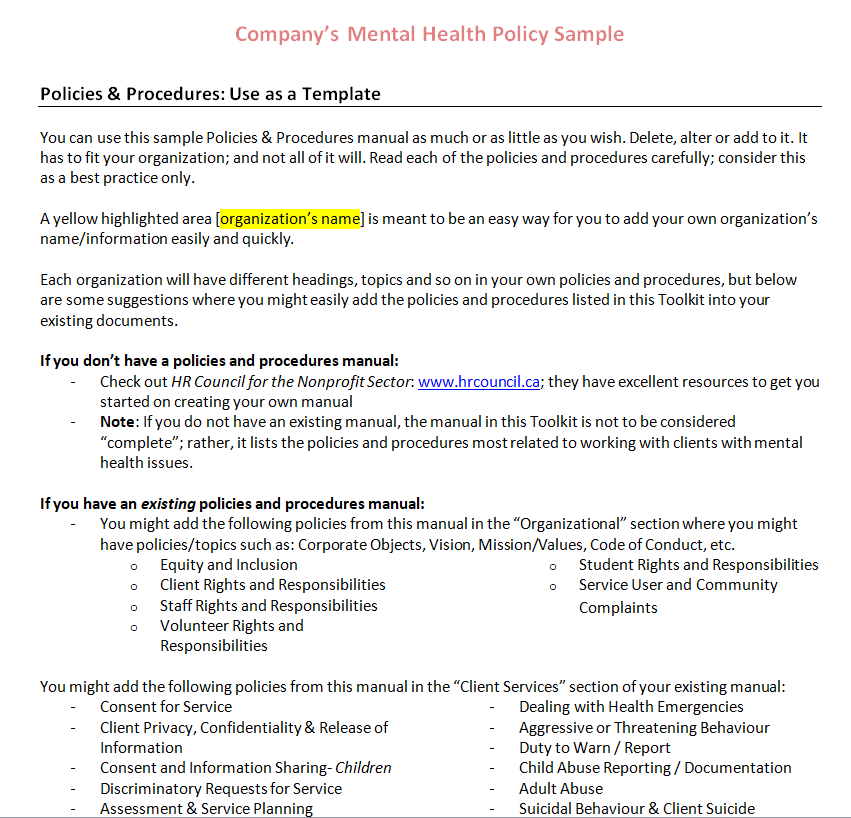
File Size: 89 KB
Company's Anti-Drug and Alcohol Policy Sample
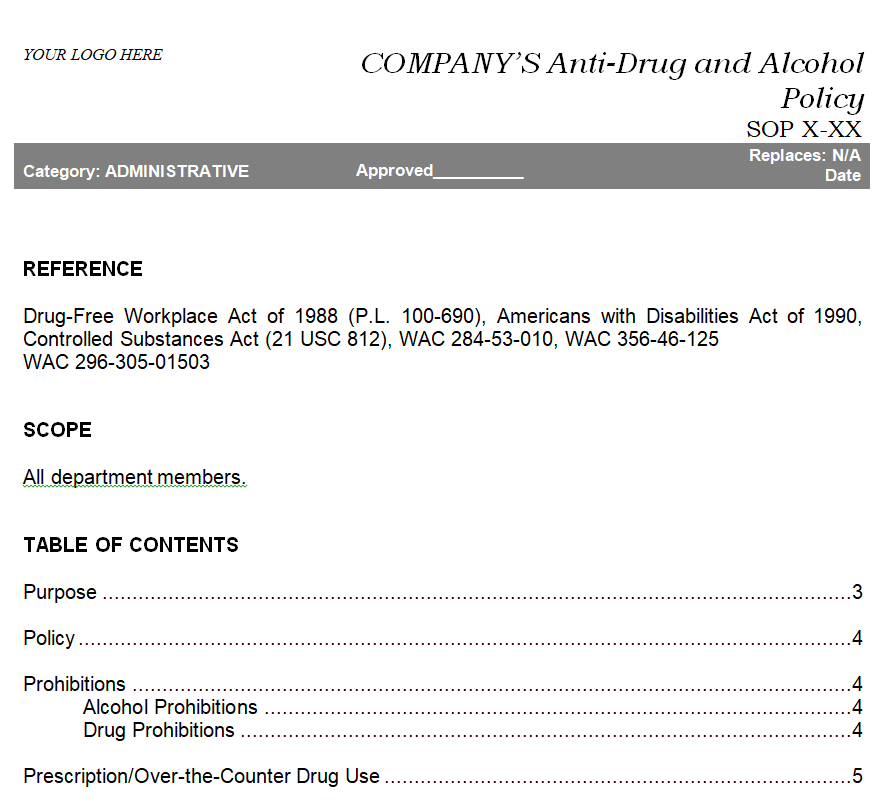
File Size: 28 KB
Company's Financial Policy Manual Template
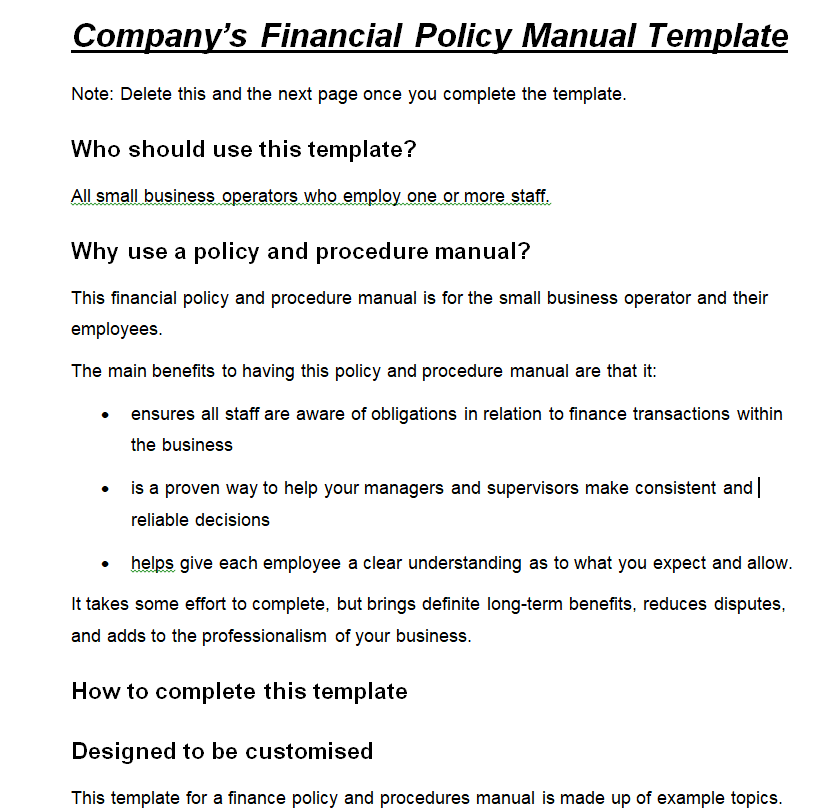
File Size: 104 KB
Transport Company's Policy Sample Word
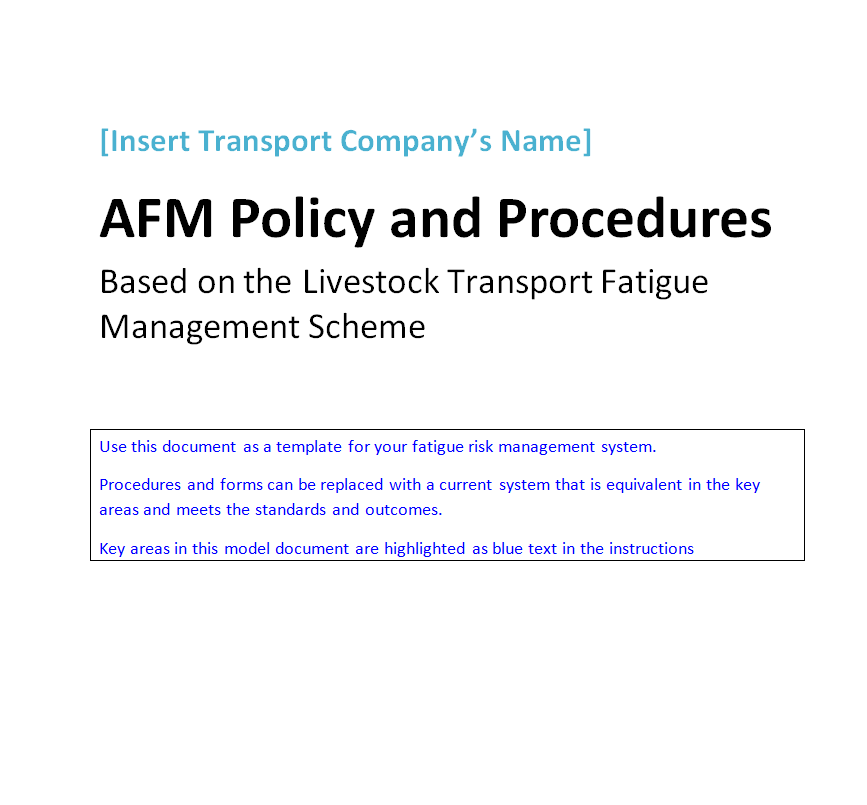
File Size: 230 KB
Sample Company Policy STD Services Billing
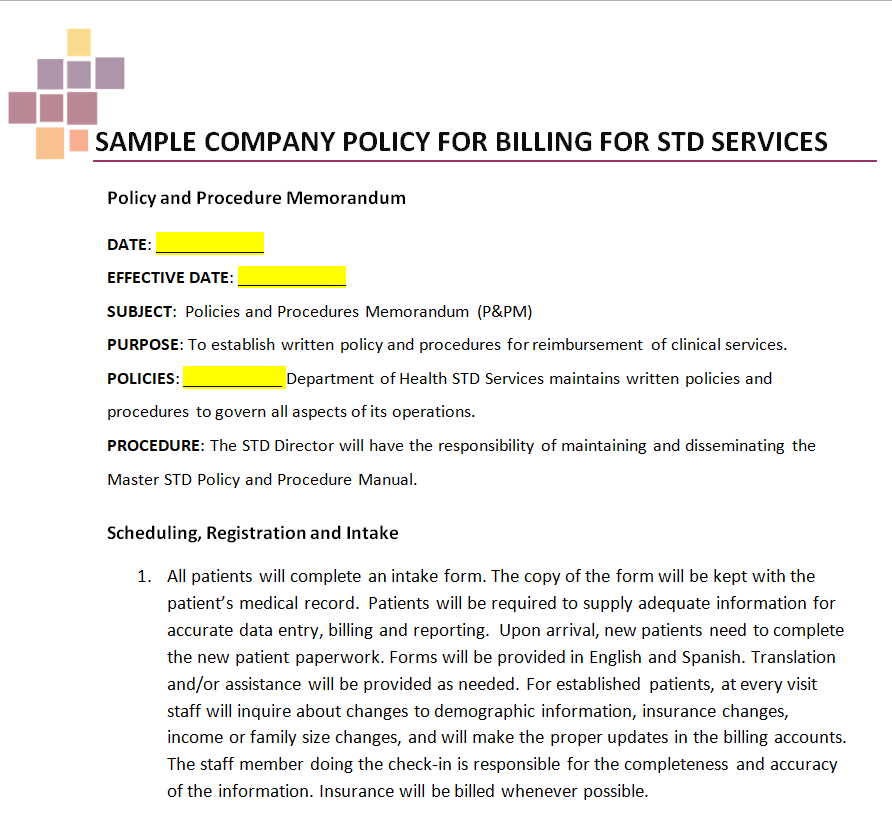
File Size: 36 KB
Health Department's Injection Safety Policy Sample
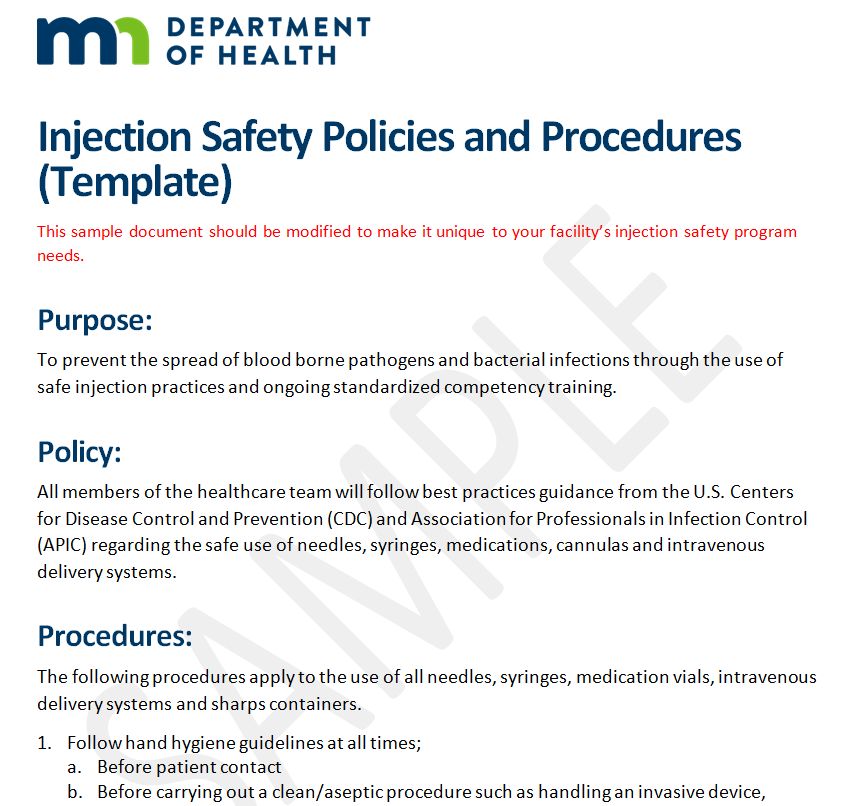
File Size: 55 KB
Blank Company Policy Review Log Template
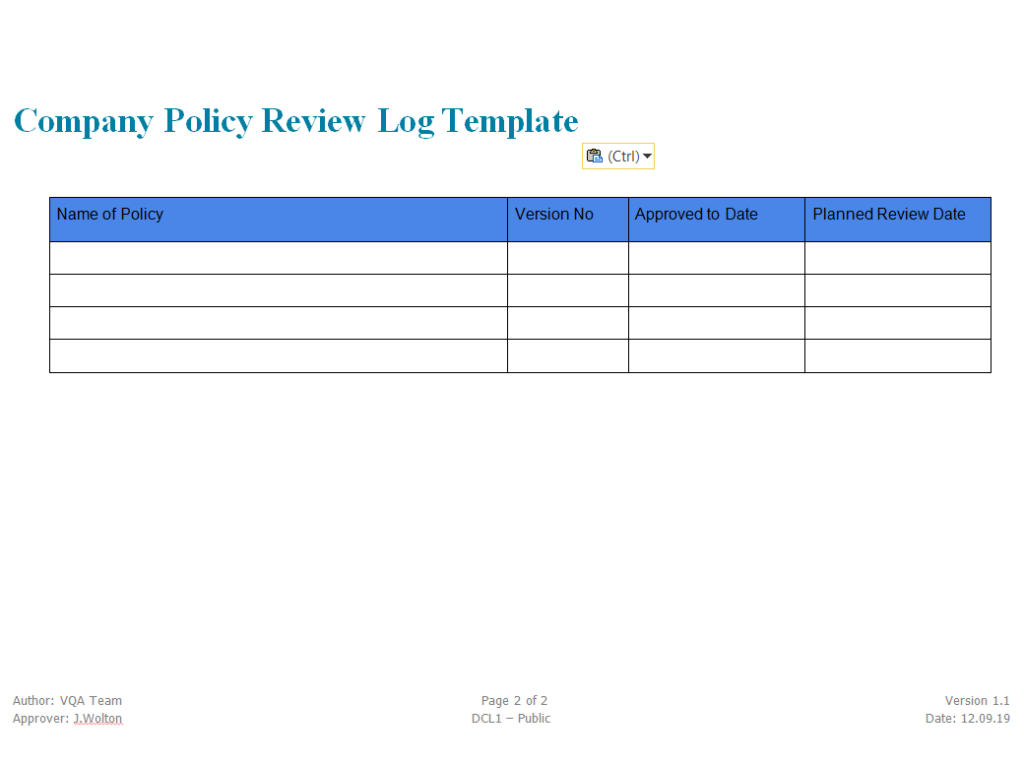
File Size: 228 KB
Company Policy Example in MS WORD
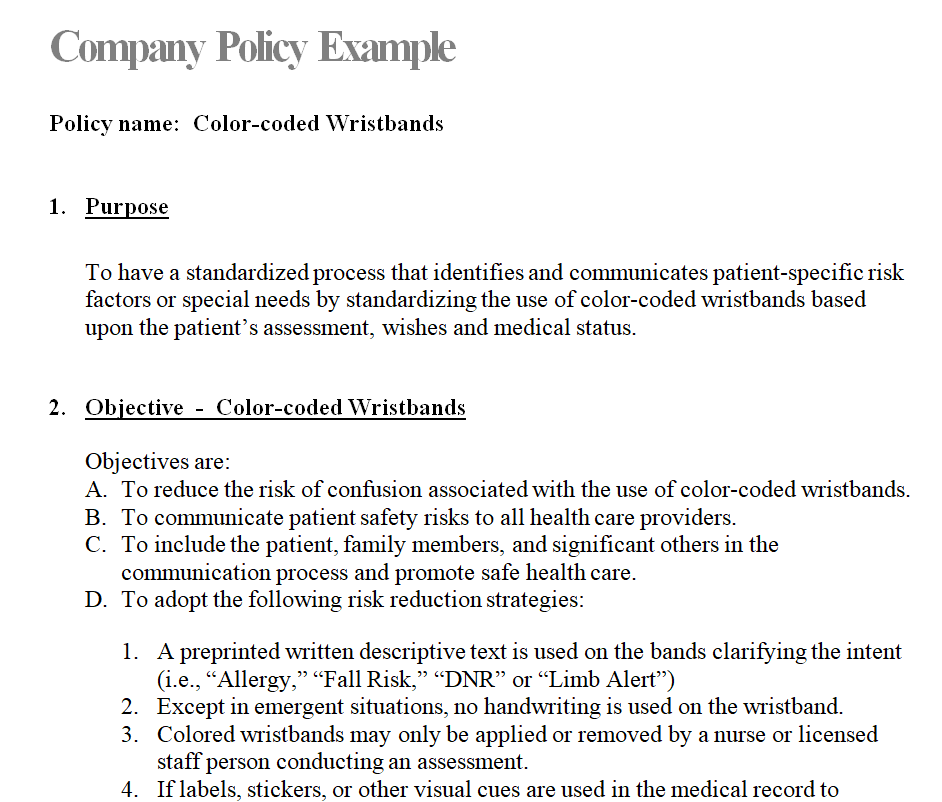
File Size: 13 KB
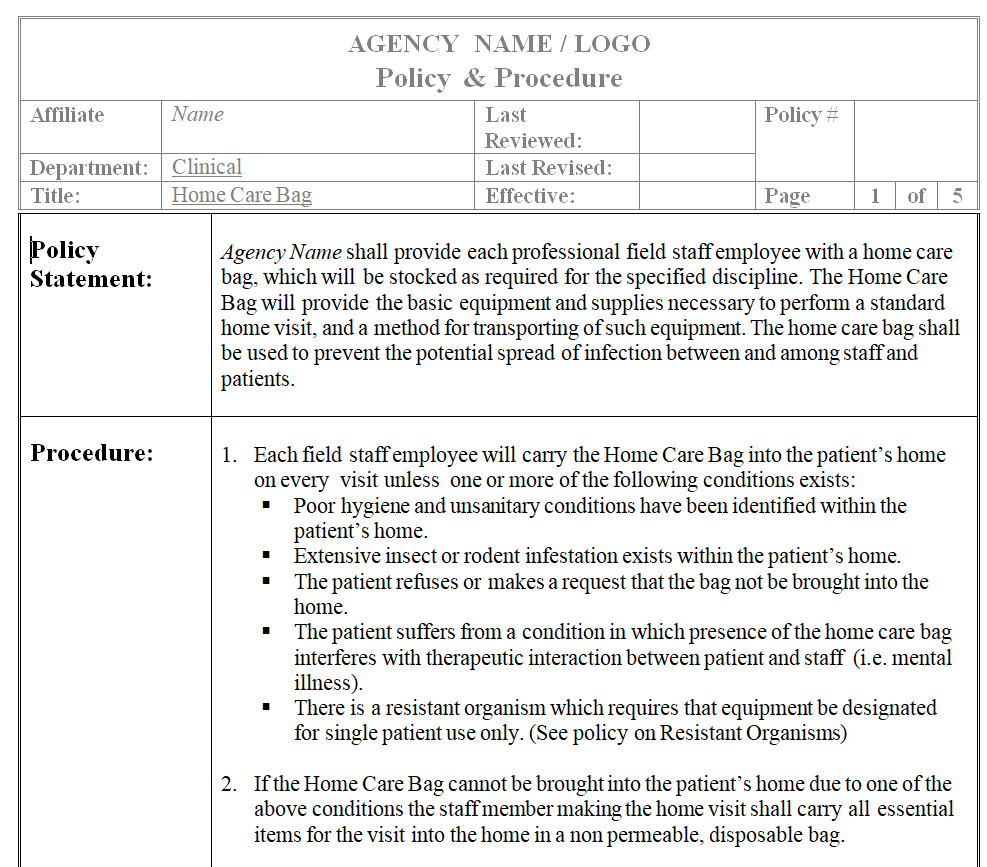
Agency's Policy & Procedure Sample DOC
File Size: 07 KB
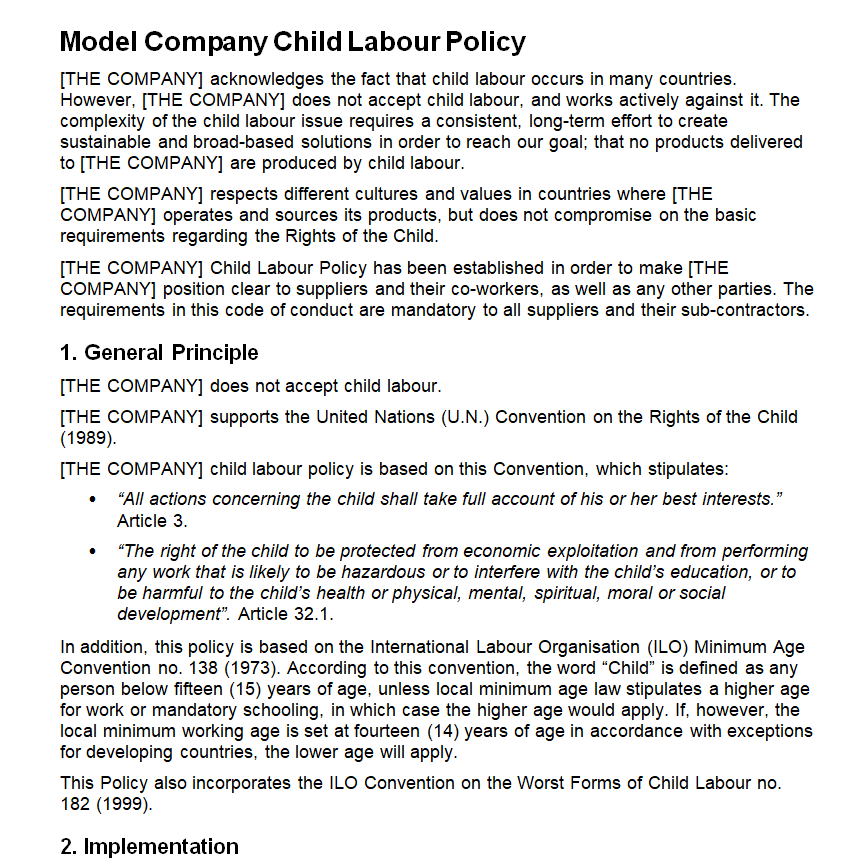
Model Company Child Labour Policy Sample
File Size: 11 KB
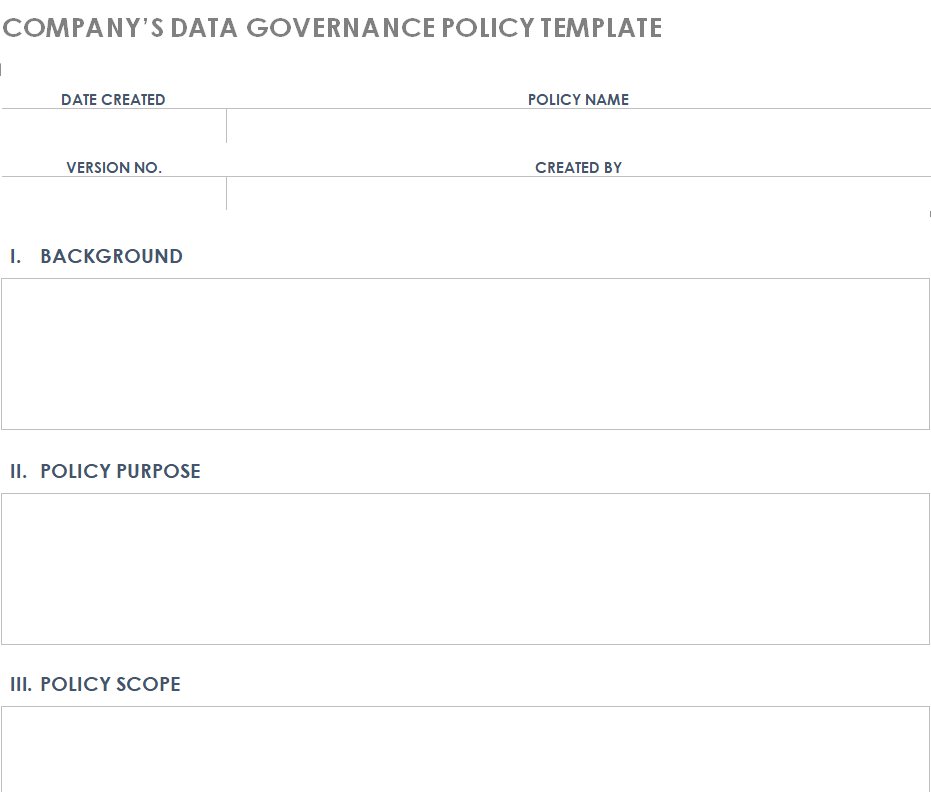
Company Policy Template for Data Governance
File Size: 23 KB
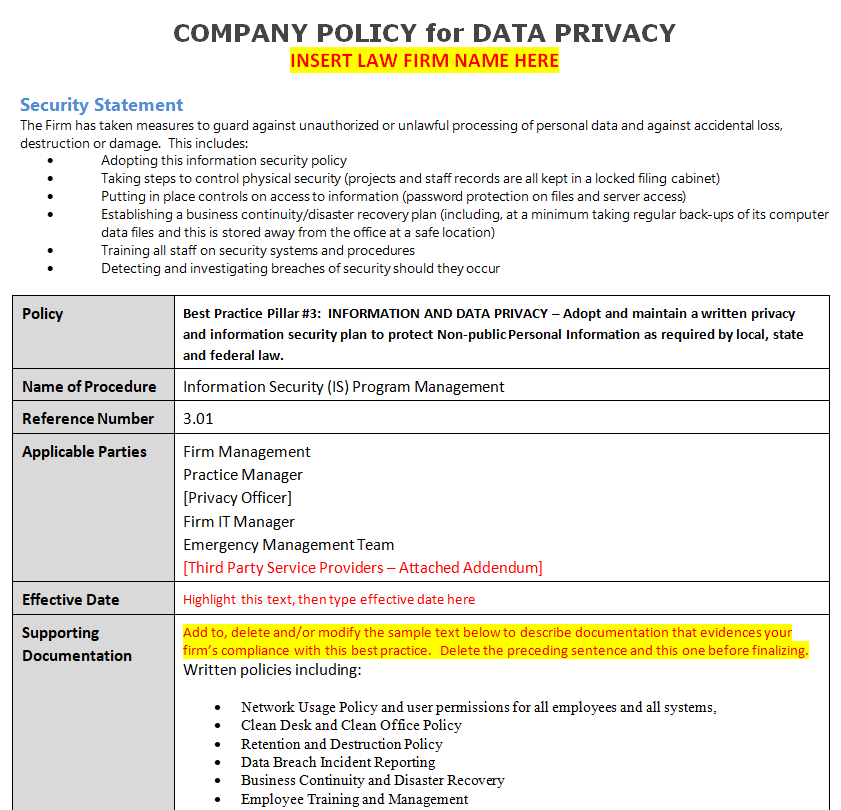
Customizable Company Policy Sample for Data Privacy
File Size: 65 KB
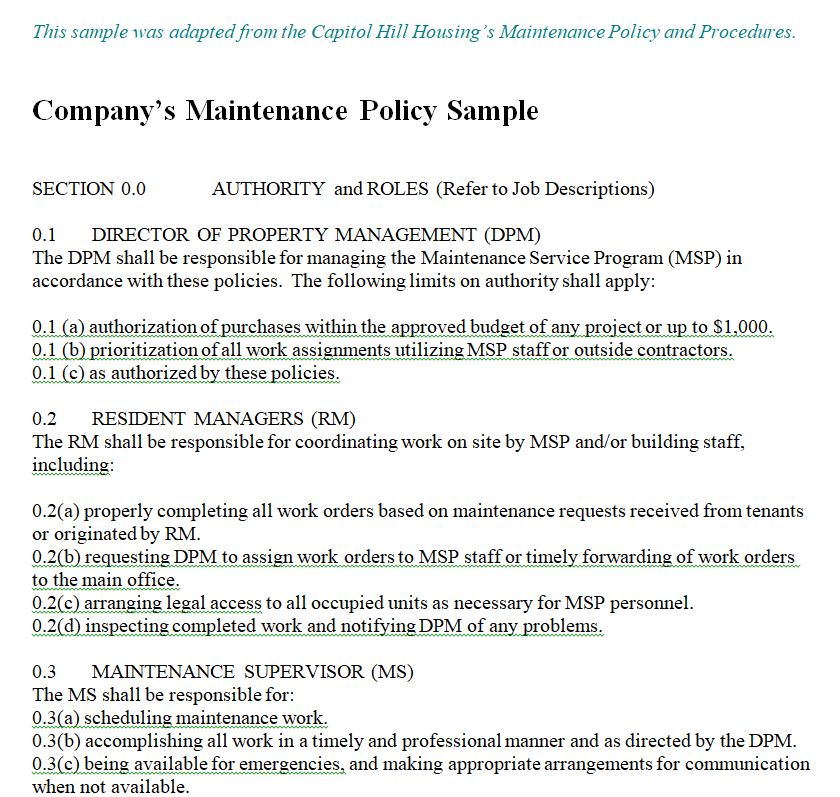
Company's Maintenance Policy Template in DOC Format
File Size: 21 KB
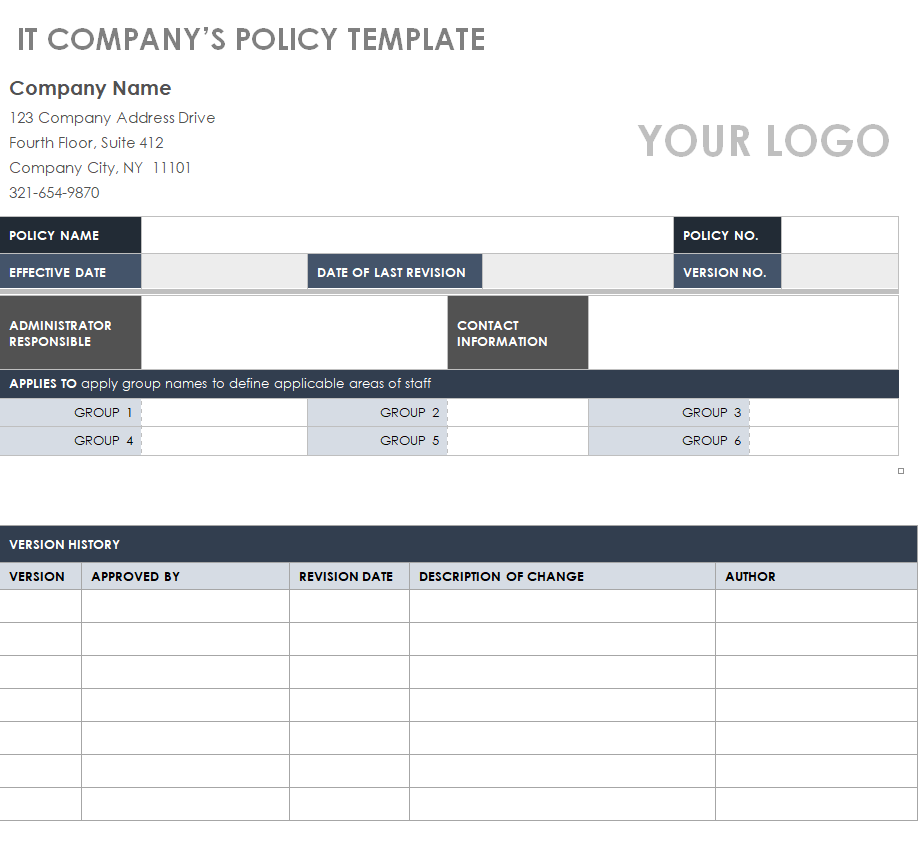
Sample IT Company's Policy Template
File Size: 48 KB
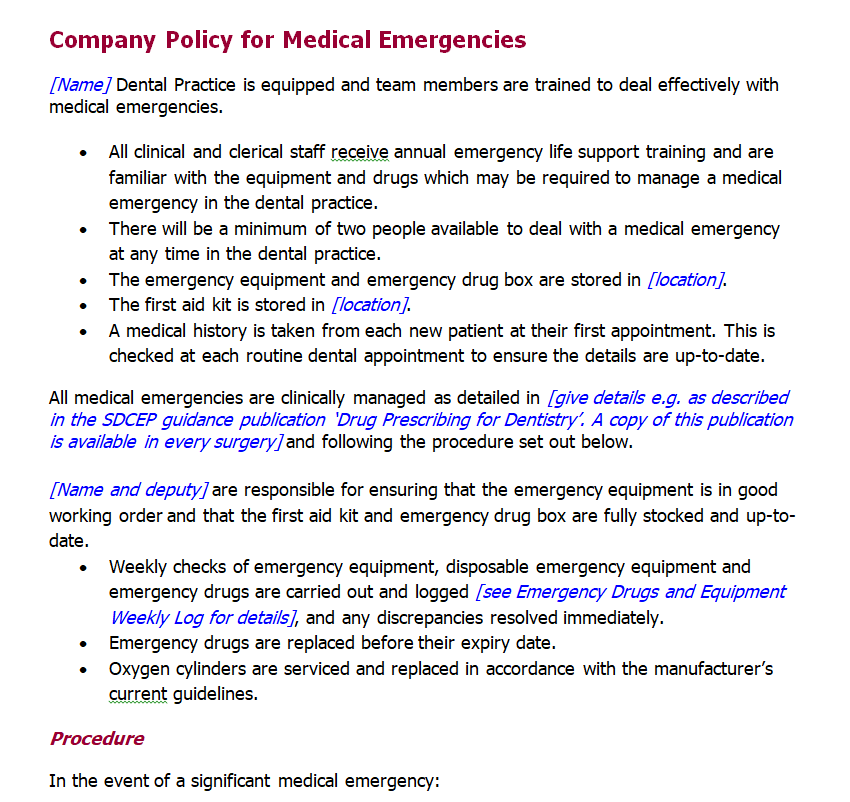
Company Policy Template for Medical Emergencies
File Size: 503 KB
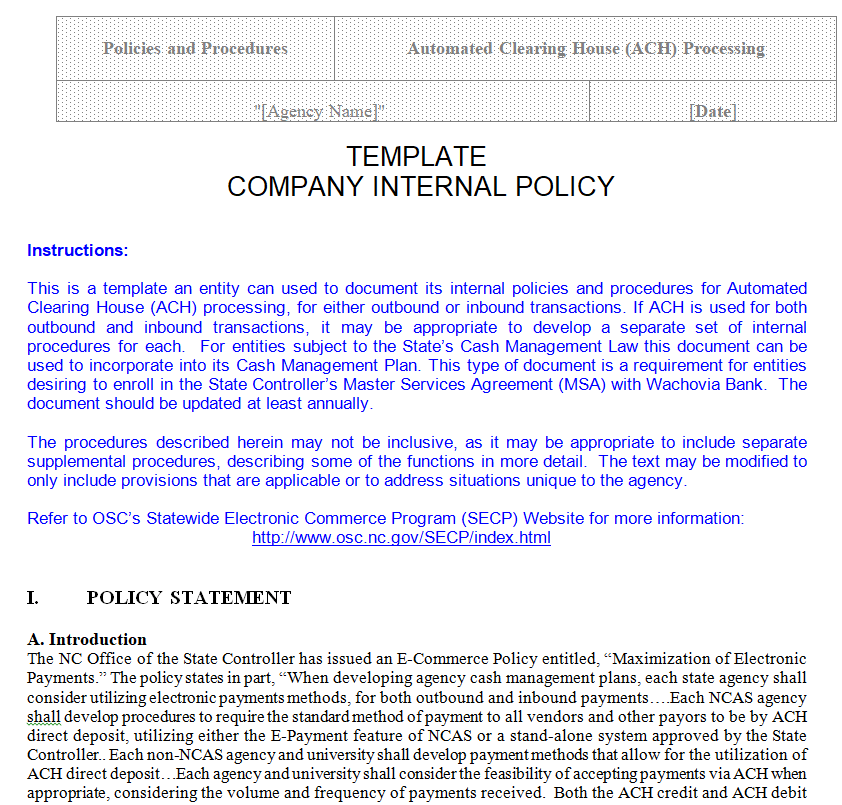
Company Internal Policy Template in MS WORD
File Size: 27 KB
Small Business Company Policy Template
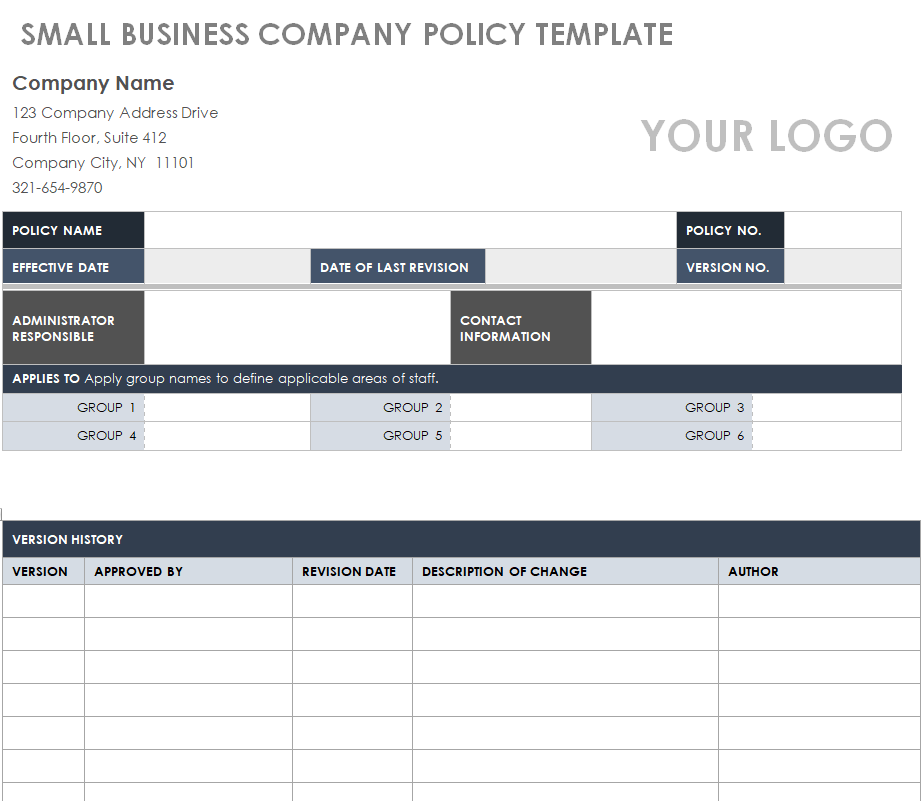
File Size: 43 KB
Blank Company Policy Sample in Word
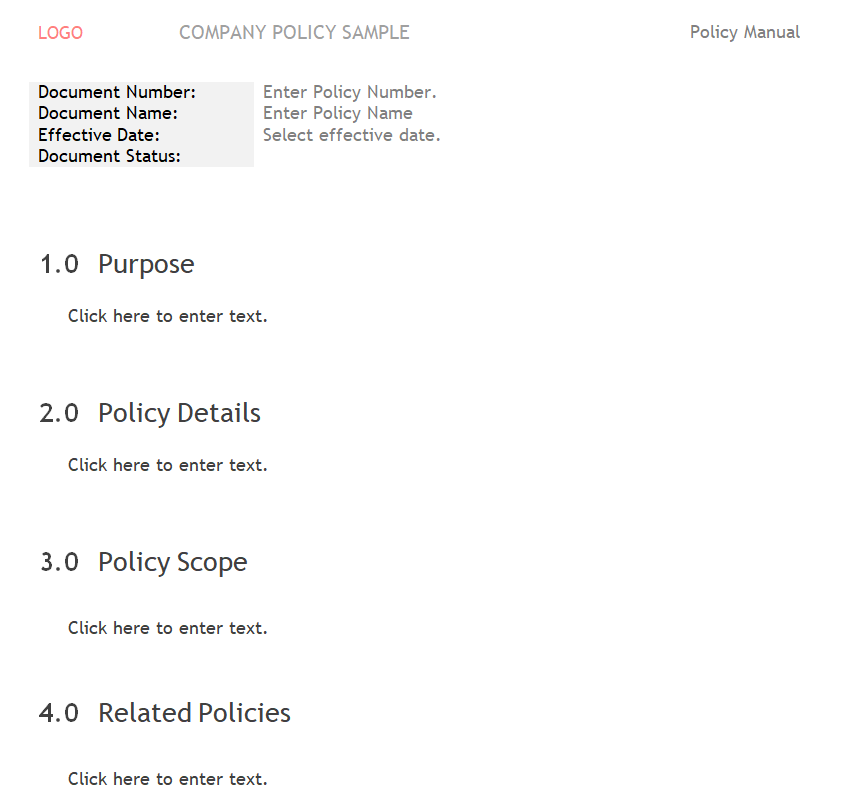
File Size: 08 KB
Construction Company's Policy Sample DOC
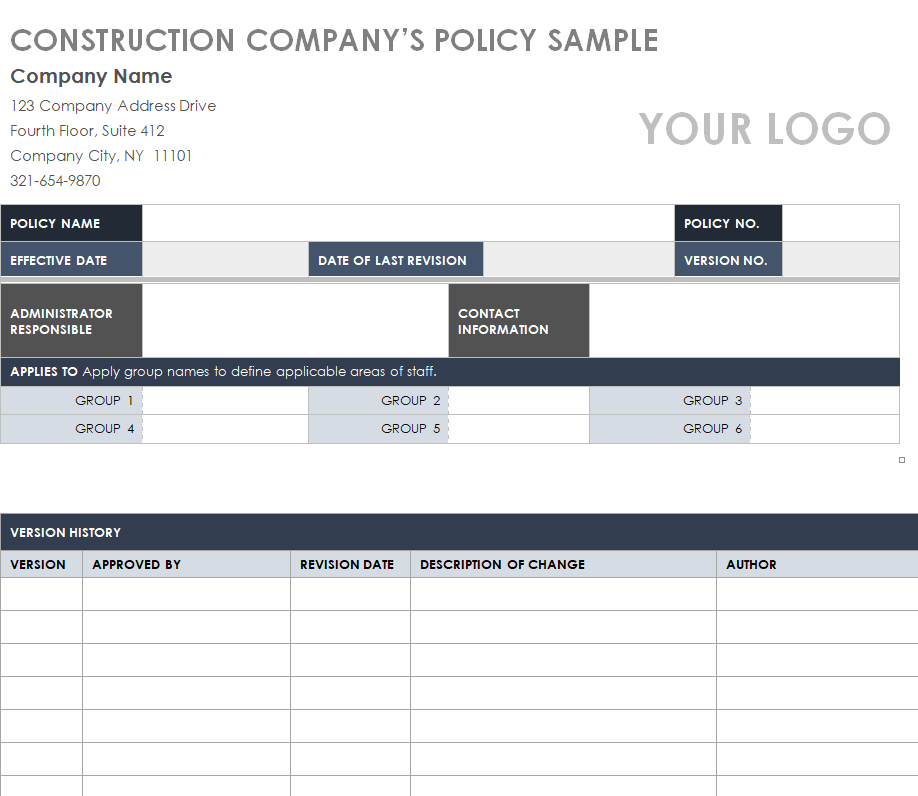
File Size: 54 KB
Remote Access Company Policy Example
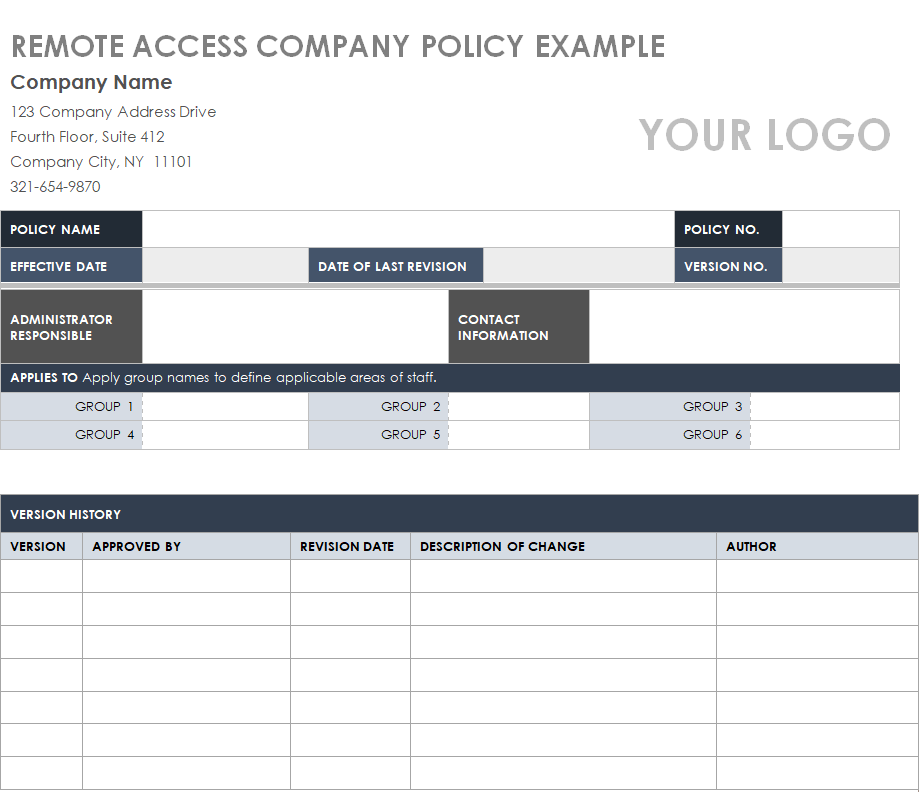
File Size: 50 KB
University's Policy Document Sample
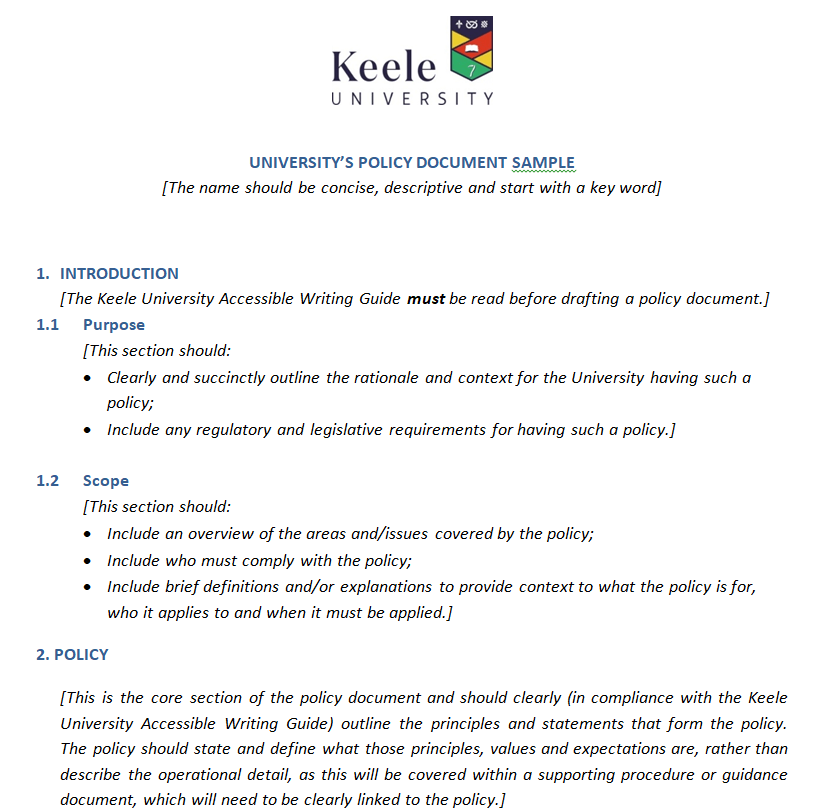
File Size: 31 KB
Company HR Policy Sample Download
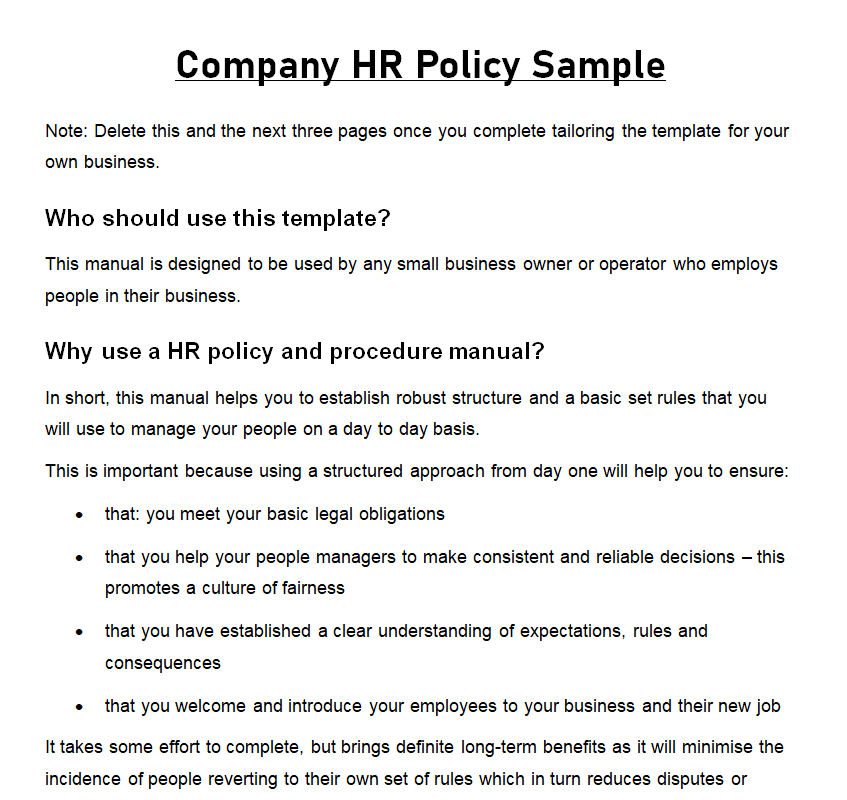
File Size: 232 KB
Basic Company Policy Sample Format
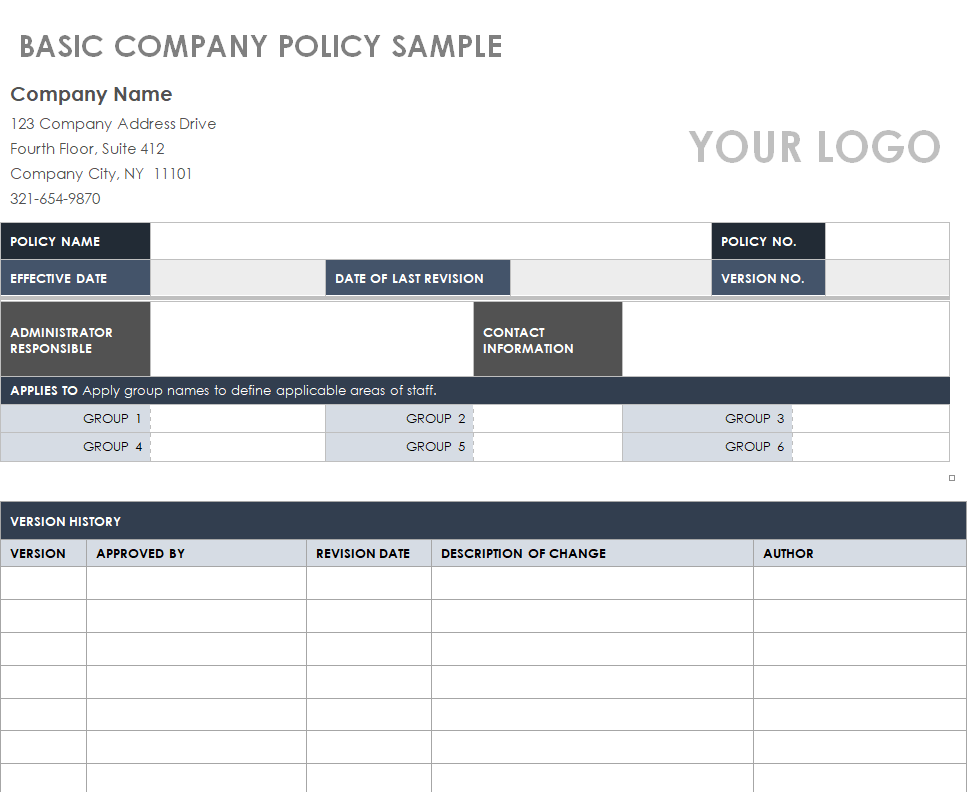
File Size: 40 KB
Company's Return to Work Policy Sample
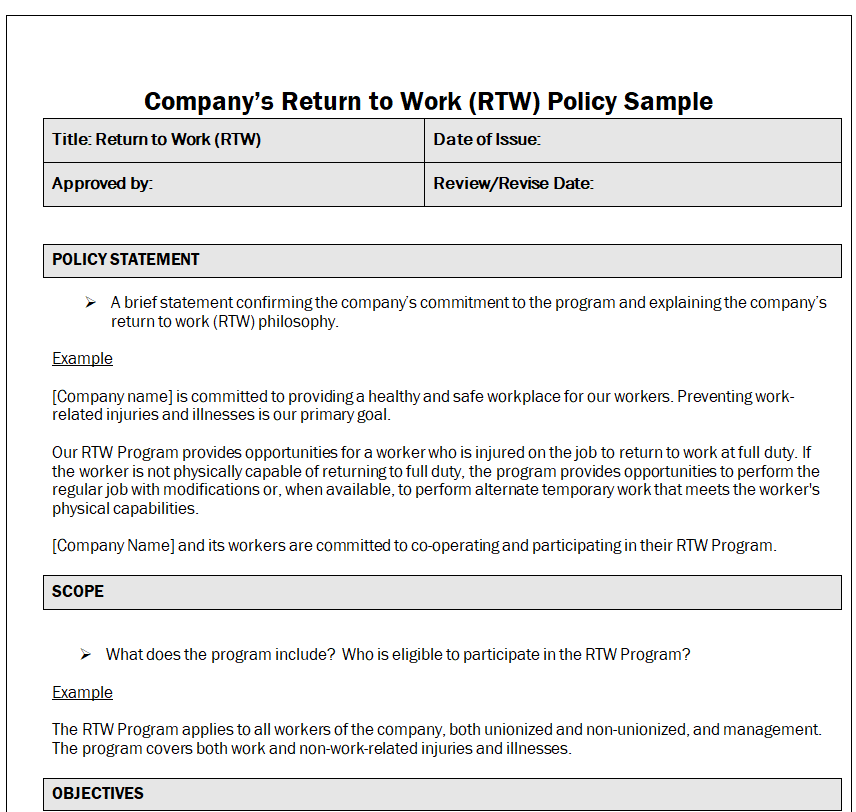
File Size: 17 KB
Special Company Policy Sample for Whistleblower
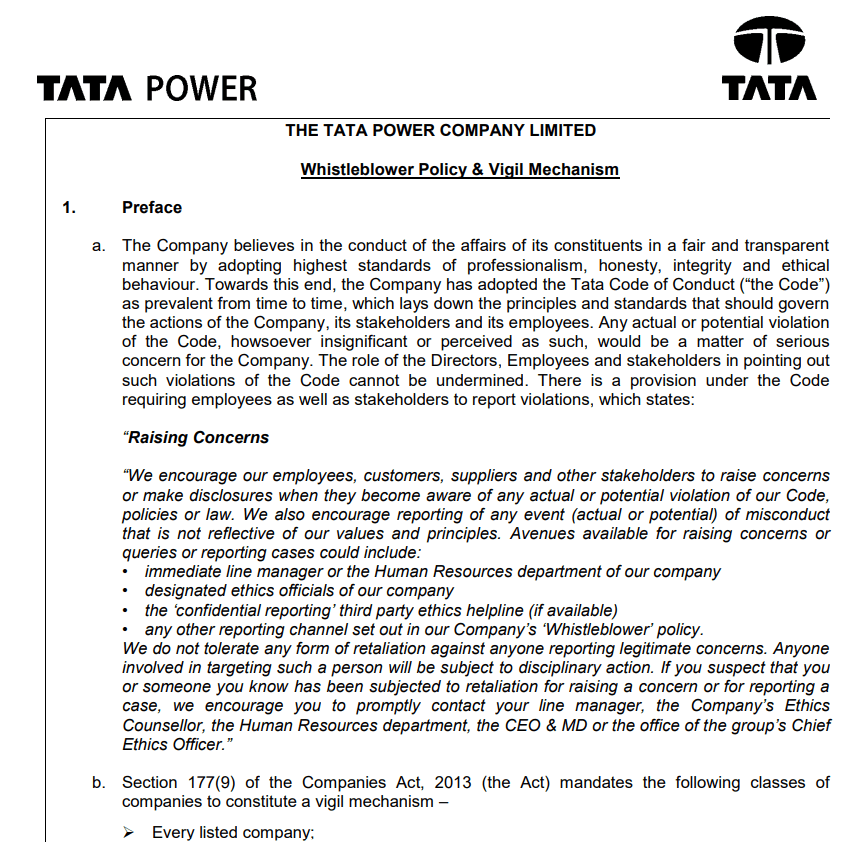
File Size: 189 KB
Professional Corporate Policy Sample PDF
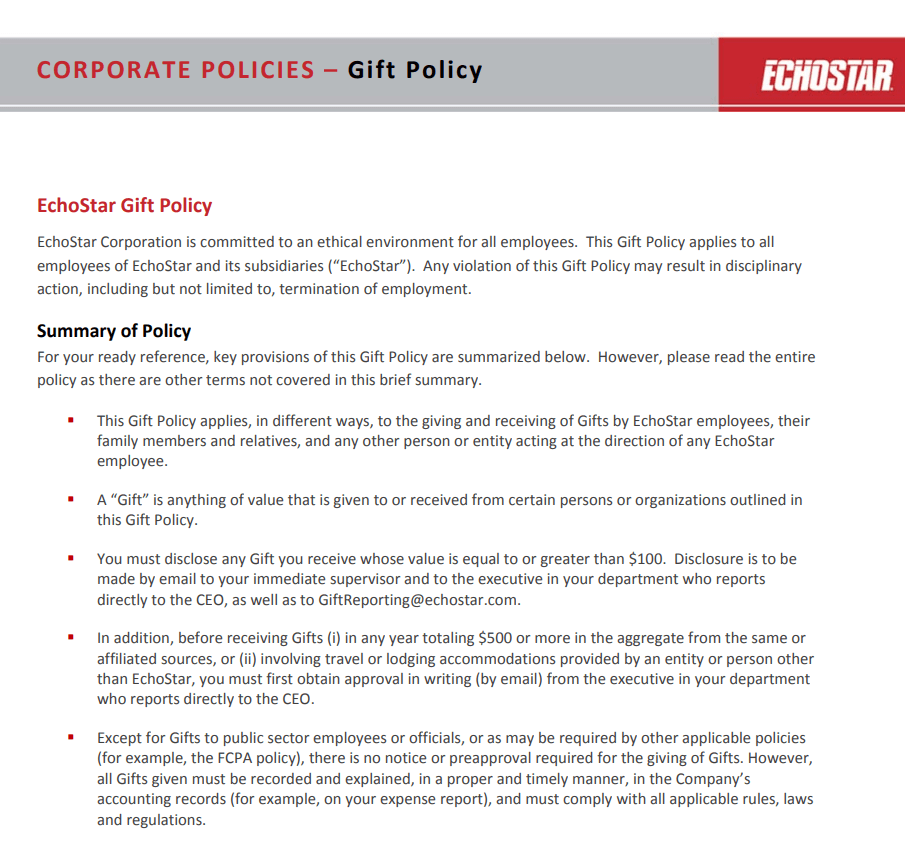
File Size: 156 KB
School Photography Company Privacy Policy Example
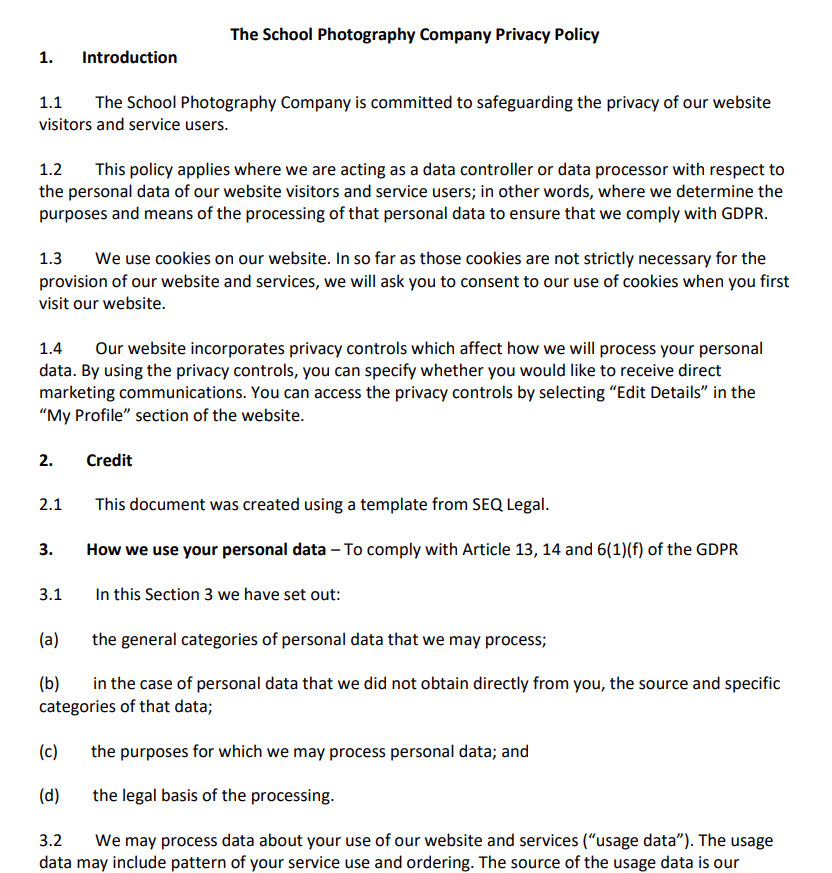
File Size: 436 KB
Company Policy Sample for Dress Code & Hygiene
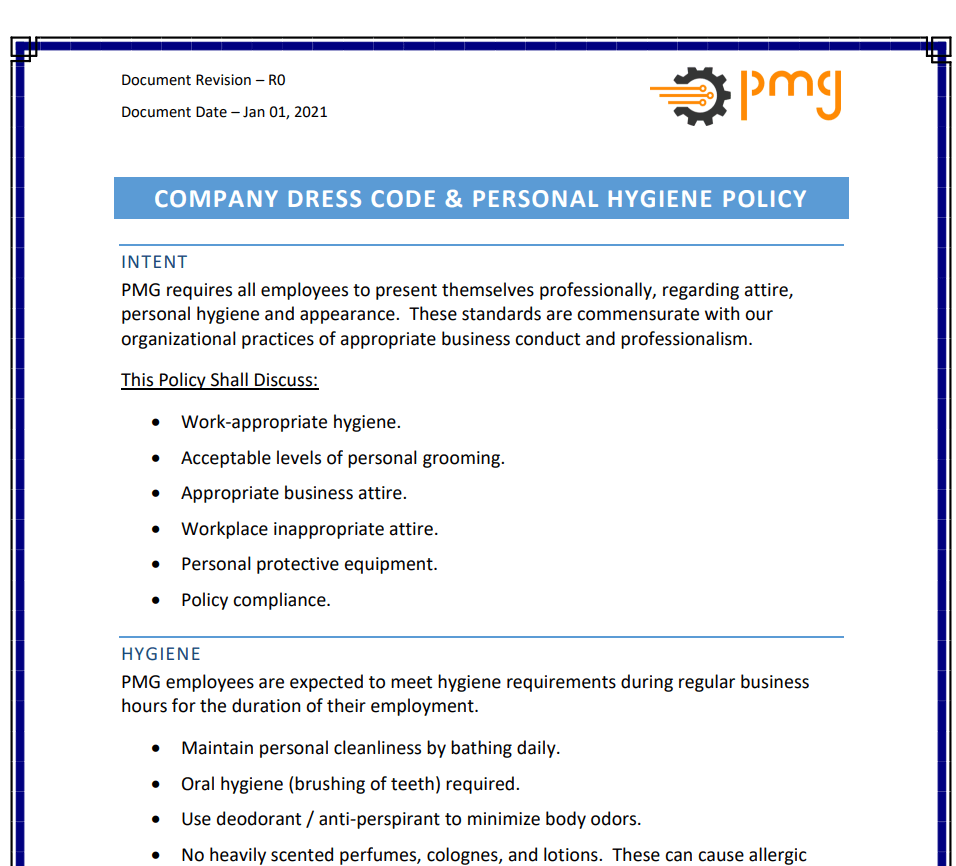
File Size: 128 KB
Formal Company Policy Template for Mobile Phone
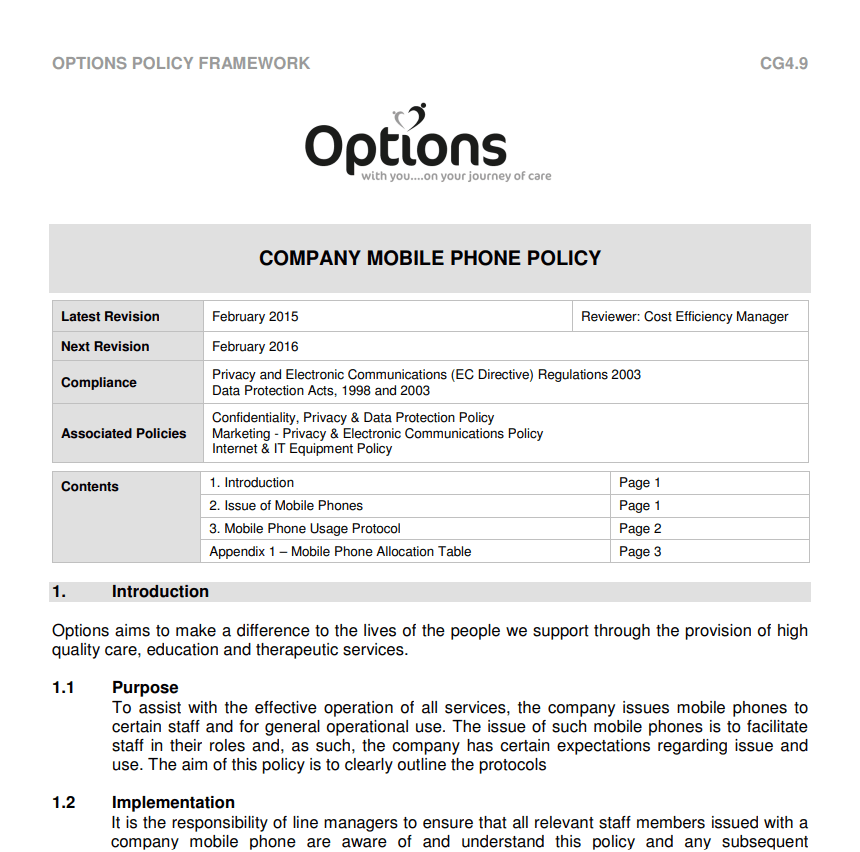
File Size: 64 KB
Airlines Corporate Policy on Business Conduct
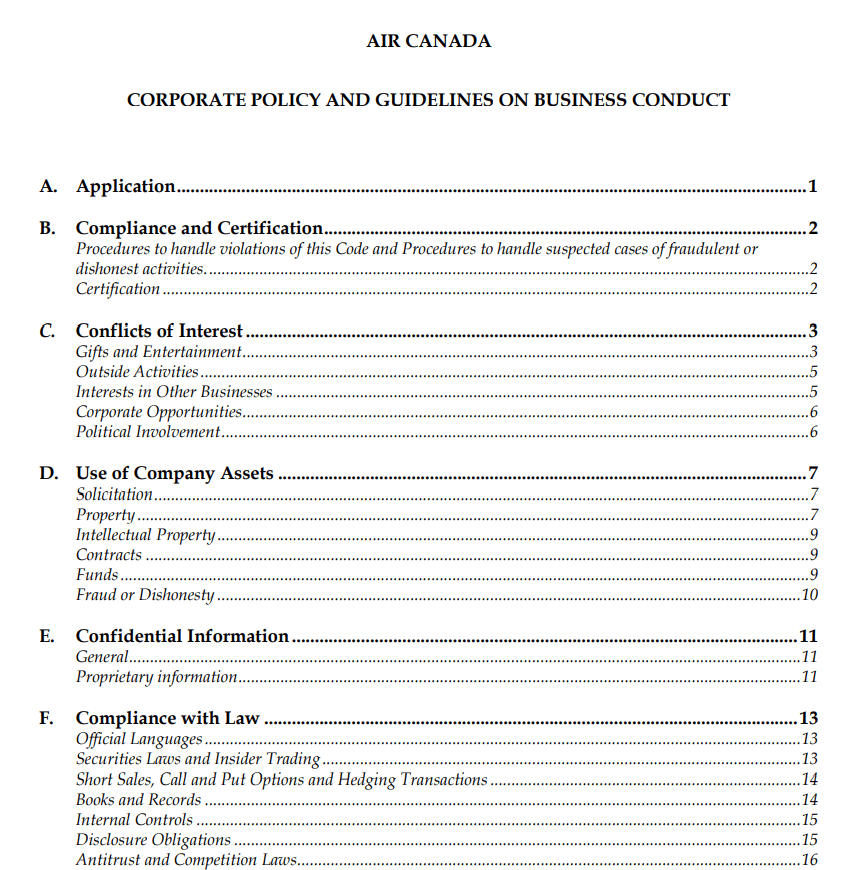
File Size: 194 KB
Company Accounting Policies PDF Sample
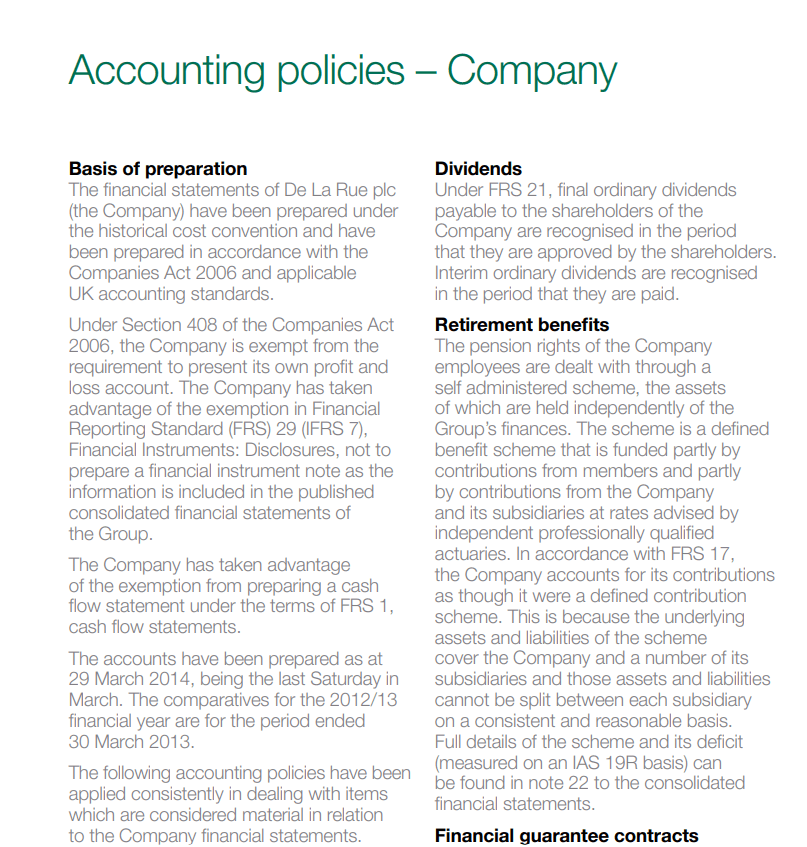
File Size: 28 KB
Special Company Credit Policy Sample
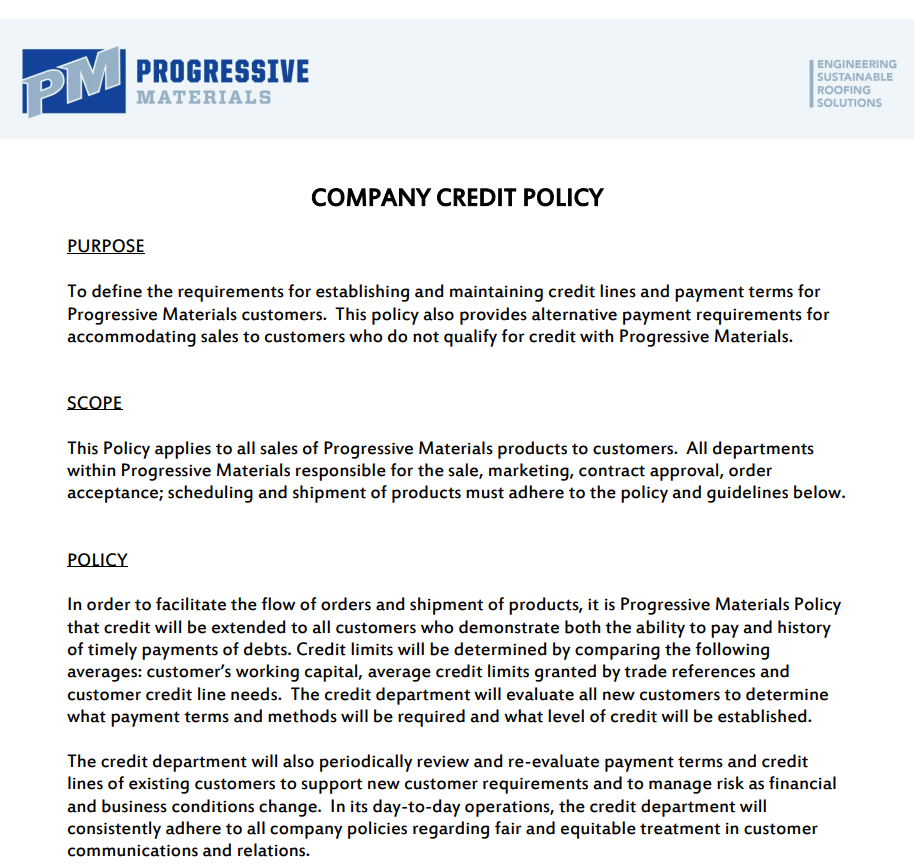
File Size: 140 KB
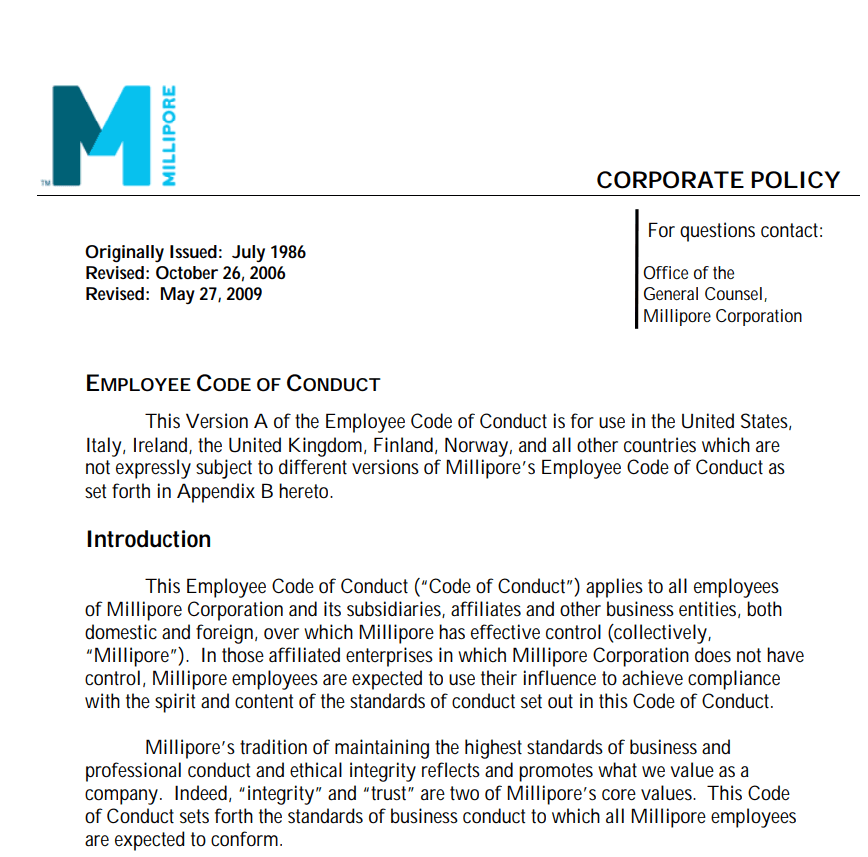
Standard Corporate Policy Example Document
File Size: 72 KB
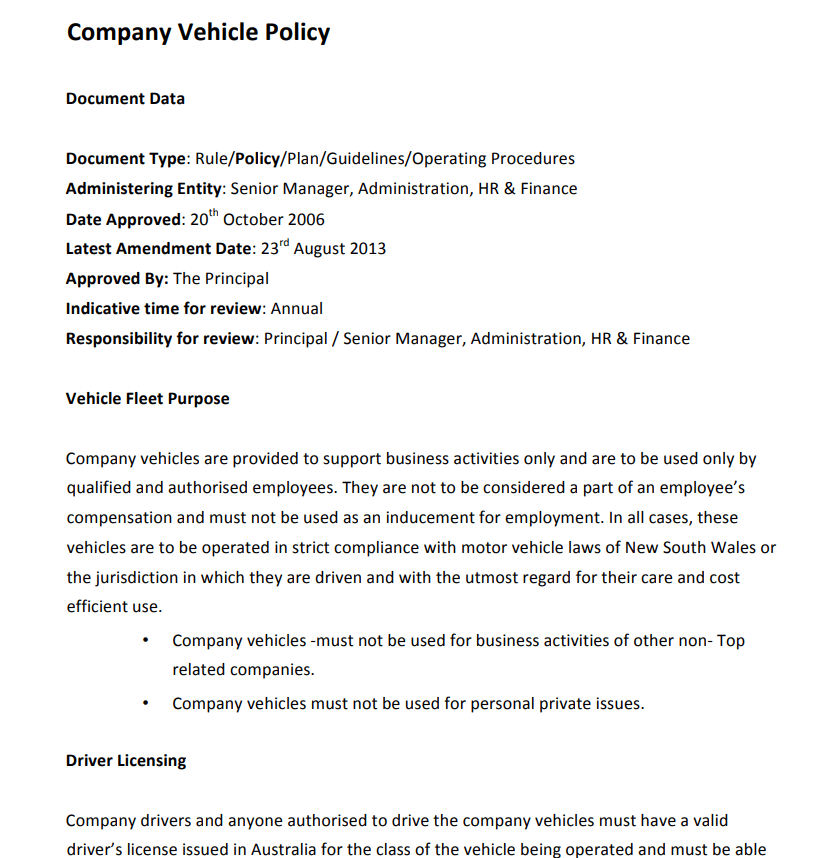
Simple Company Vehicle Policy Sample
File Size: 51 KB
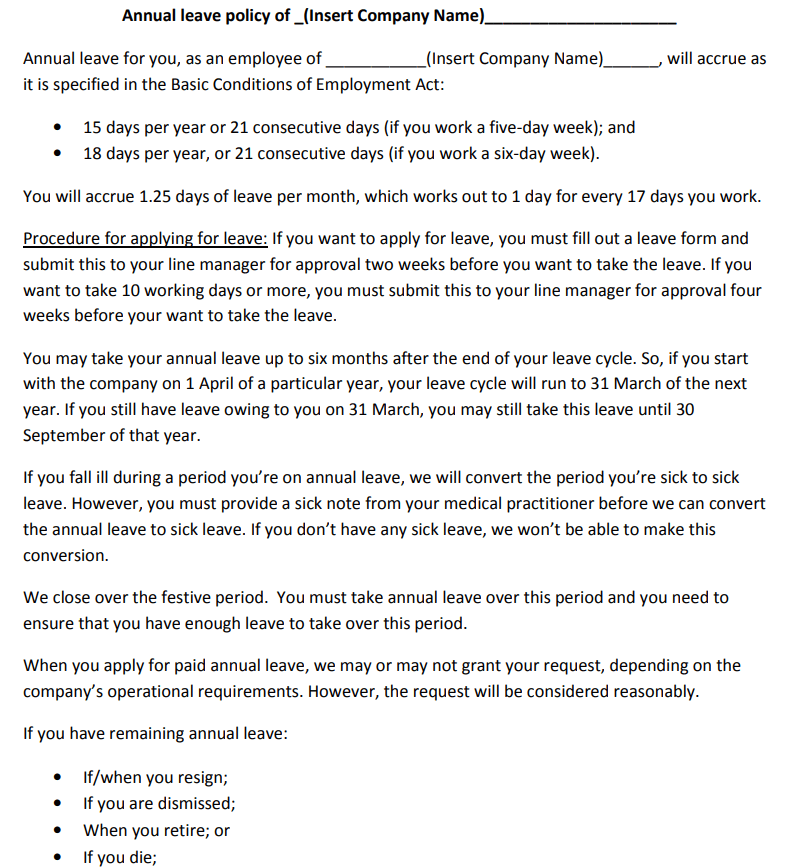
Company Policy Sample for Annual Leave
File Size: 32 KB
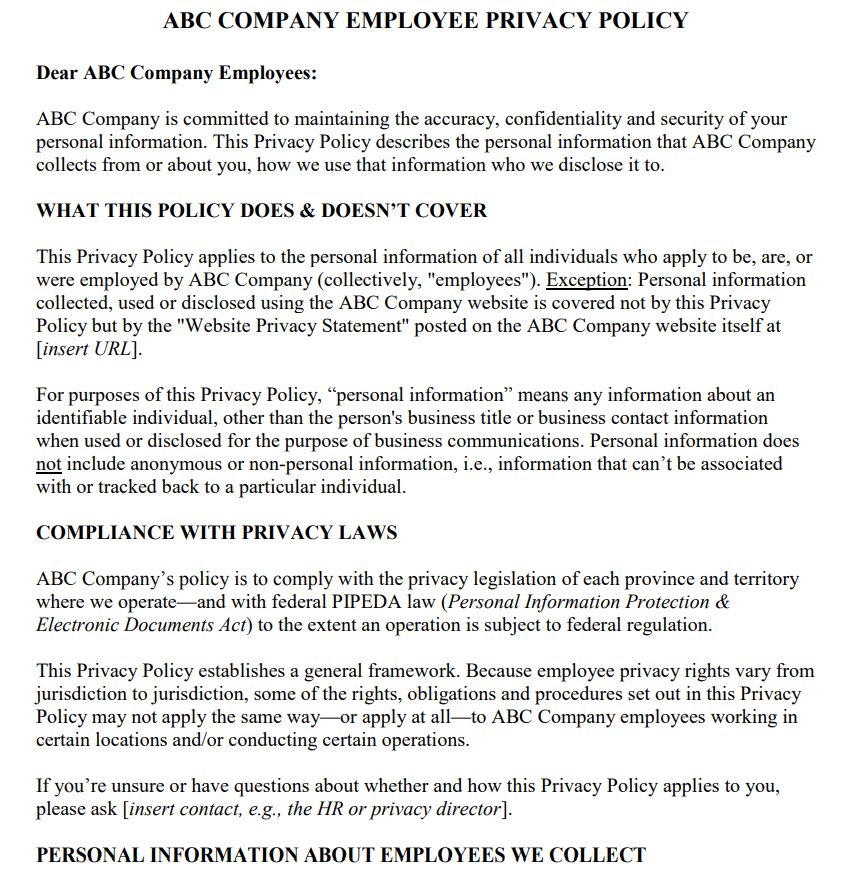
Company Policy Template for Employee Privacy
File Size: 201 KB
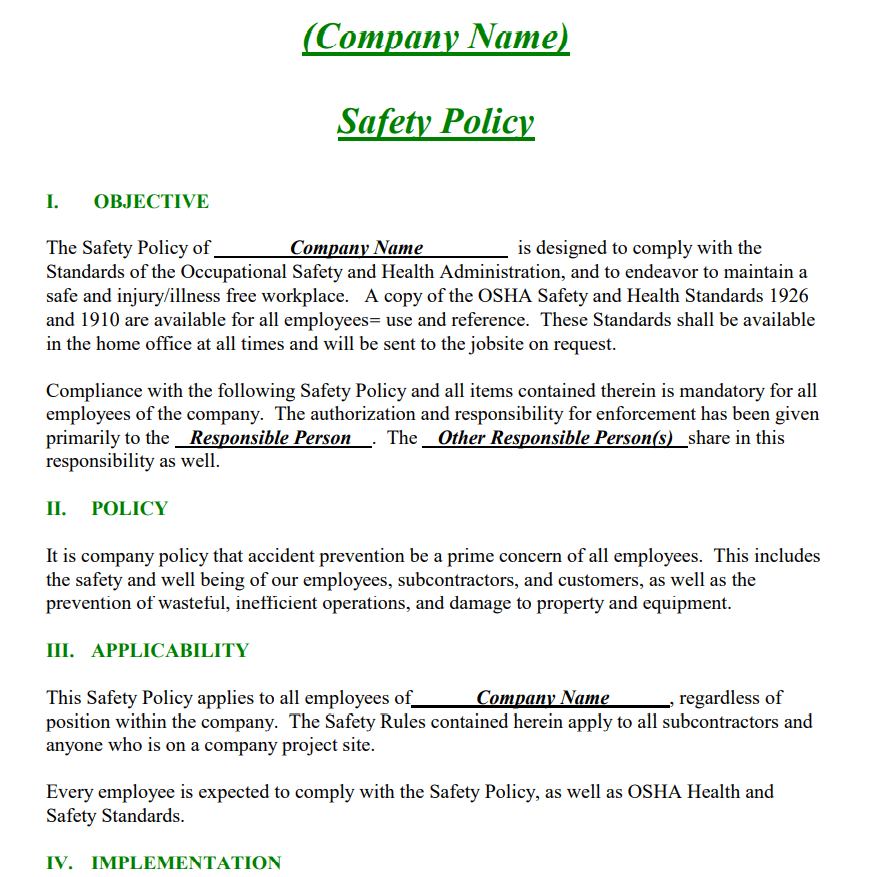
Printable Company Safety Policy Template
File Size: 153 KB
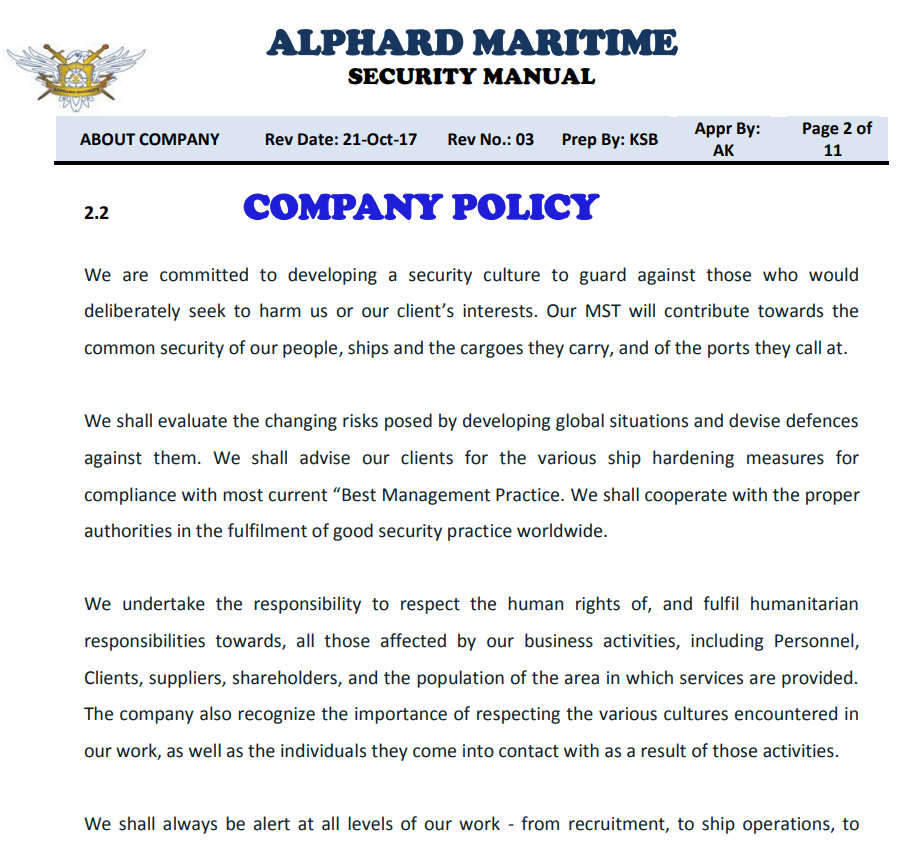
Practical Company Security Policy Template
File Size: 546 KB
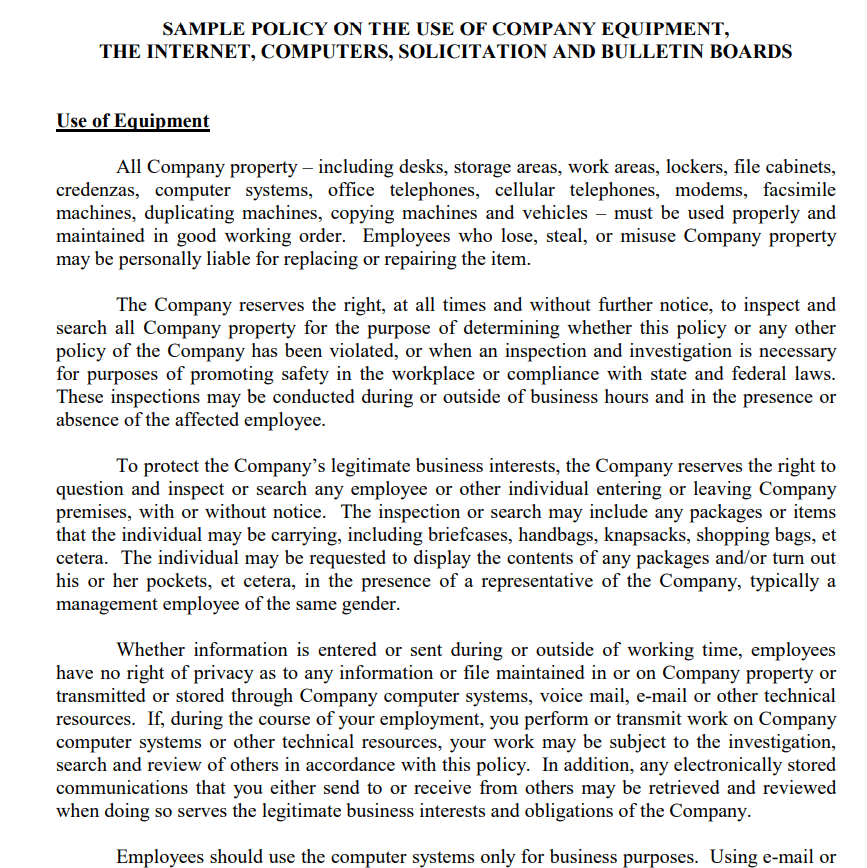
Company Policy Template for Using Company Equipment
File Size: 12 KB
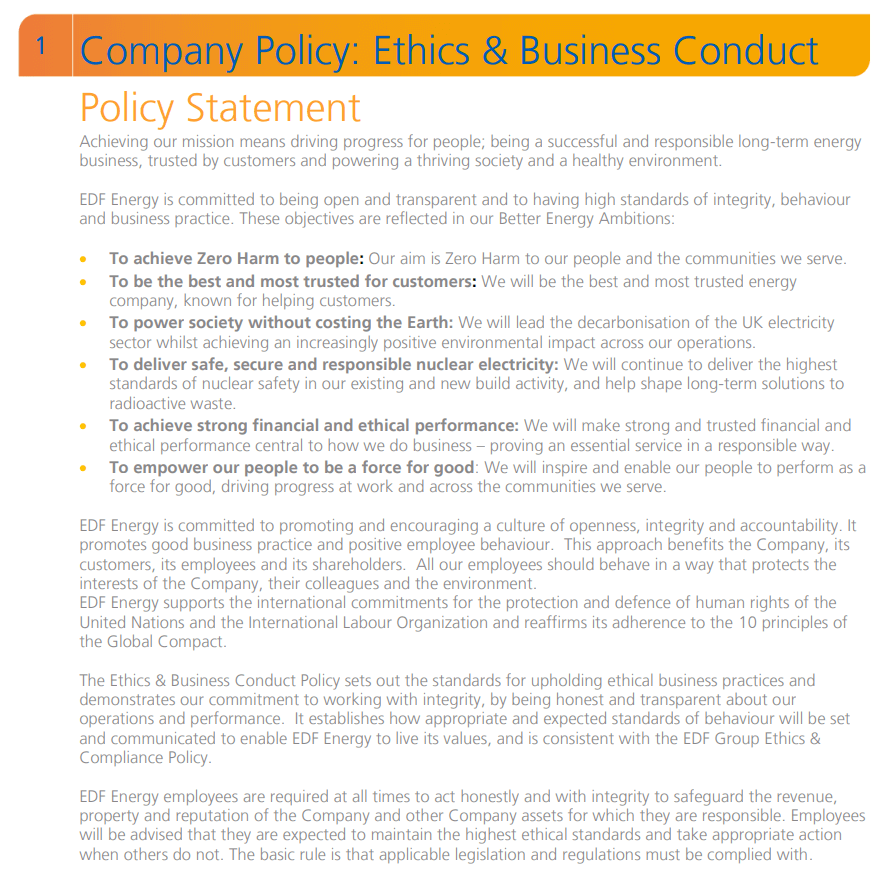
Business & Ethics Conduct Company Policy PDF Template
File Size: 227 KB
Strategic Export Controls Company Policy Template
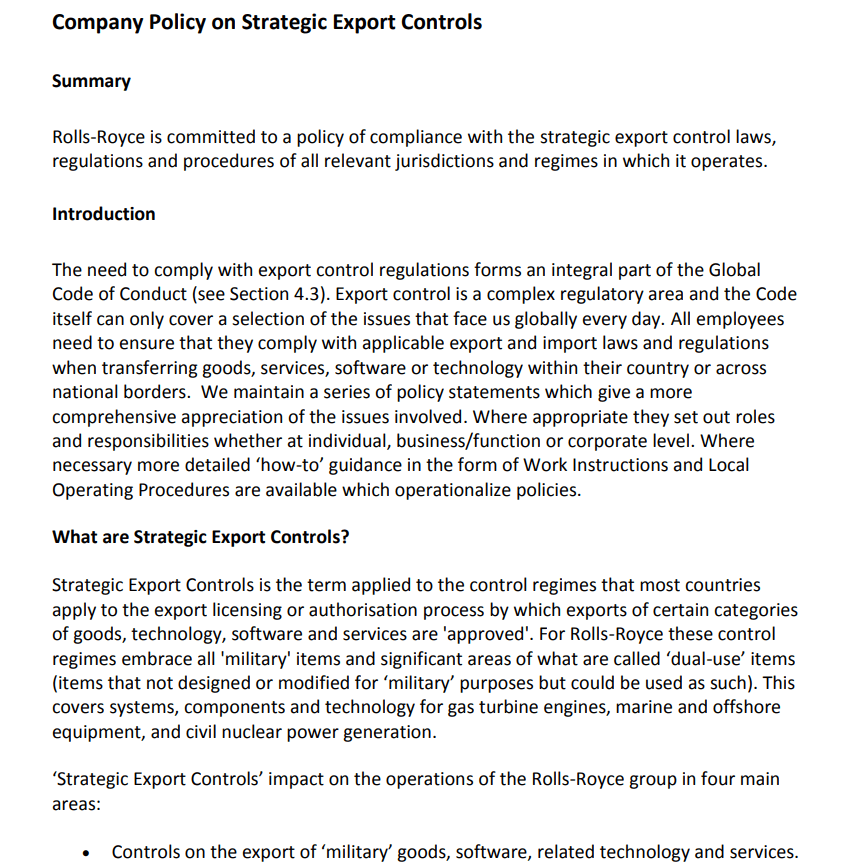
File Size: 190 KB
Detailed Company Safety Policy Guideline Sample
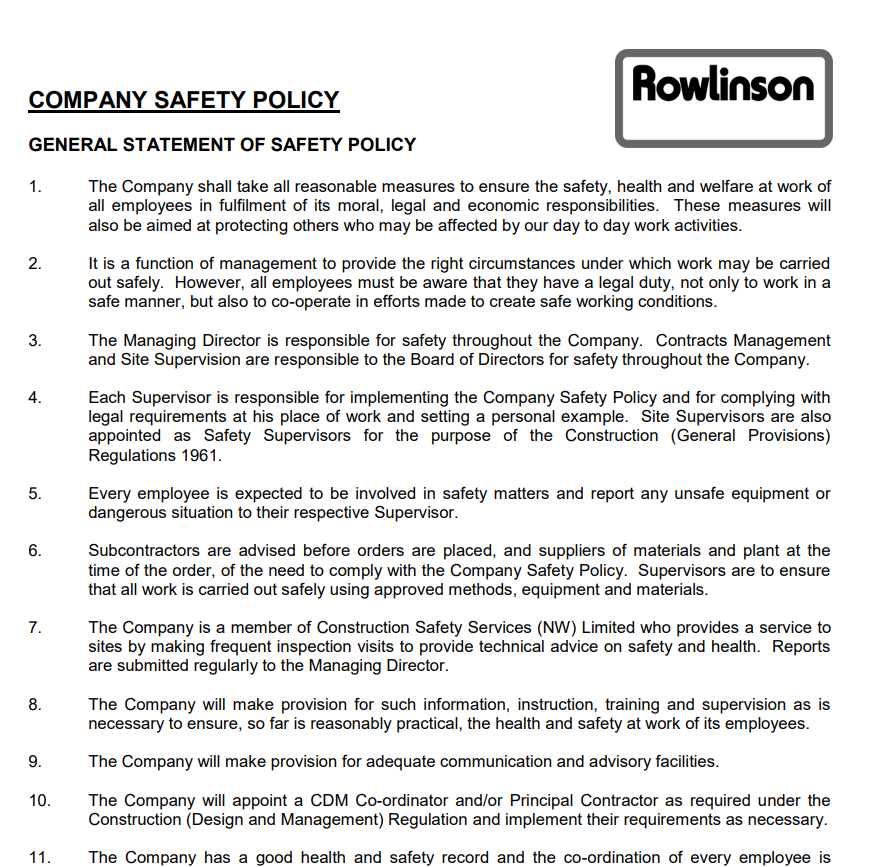
File Size: 119 KB
Company's Travel Policy Template in PDF
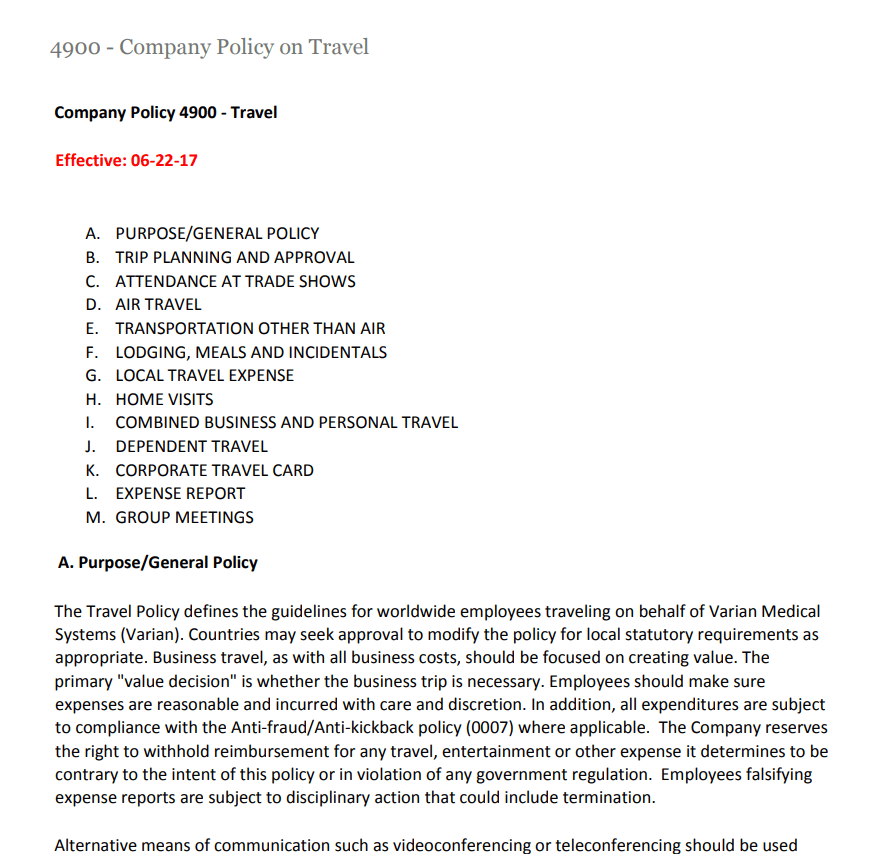
File Size: 378 KB
Example of Company Policy on Legal and Ethical Conduct
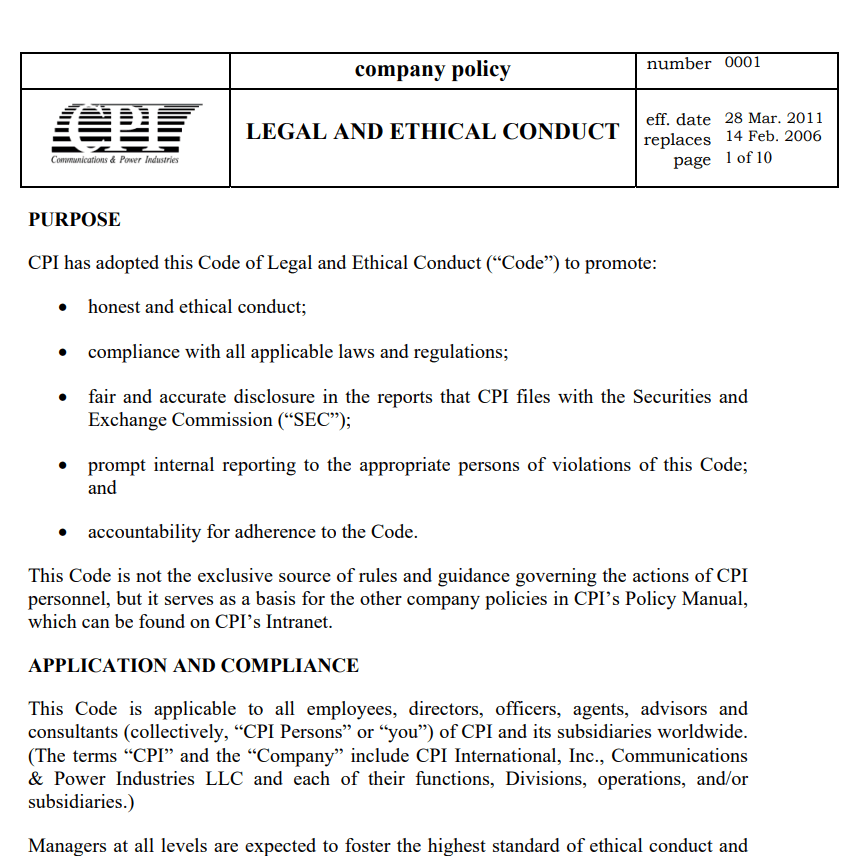
File Size: 59 KB
Company Consultant's Travel Policy Template
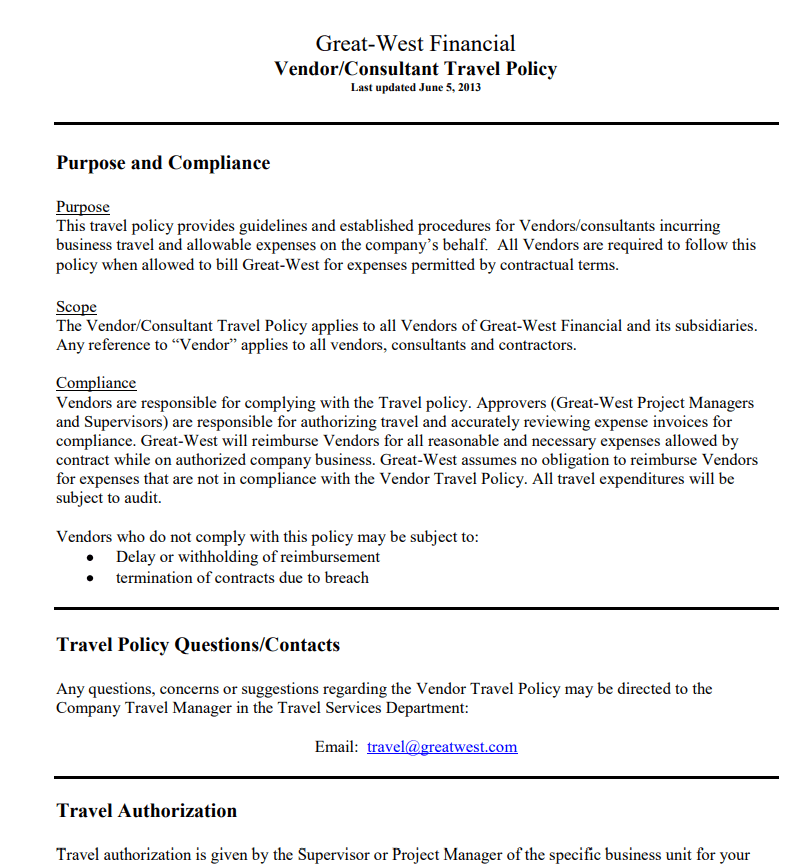
File Size: 113 KB
Modified Company Payroll Policy PDF Template
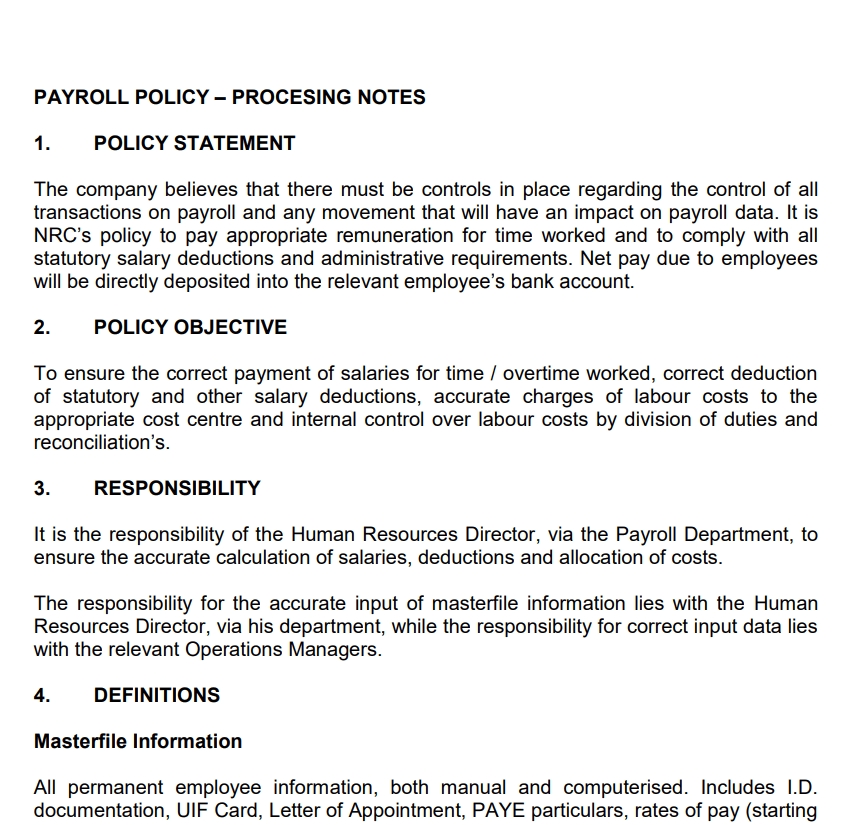
File Size: 198 KB
Write expectations in language people understand
Use direct sentences and explain terms that have a specific internal meaning. Avoid copying legal-sounding language merely because it appears formal. Check whether words such as “must,” “may” and “normally” accurately describe the intended rule.
A rigid statement can create problems when the organization actually needs a defined exception process. Examples can help explain an unfamiliar situation, but label them as examples rather than presenting them as an exhaustive list.
Read the draft as someone new to the workplace: they should be able to identify the action, the responsible person and the place to ask a question without translating a page of abstract wording.
Give exceptions and questions a clear route
Where exceptions may be considered, identify who can consider them and what information is needed. Do not leave staff to guess which informal conversation counts as approval. Keep the route proportionate to the importance of the decision.
Explain how a concern or uncertainty should be raised, and check that the named contact or role is available in practice. Avoid adding a blanket discretion statement to every section as a substitute for designing the process.
Review the wording with the appropriate specialists where the subject affects rights, safety or regulated obligations. The aim is a process people can use consistently, including when a straightforward case becomes more complicated.
Review the policy alongside the related documents
A policy can conflict with an employment contract, staff handbook, local procedure or form even when each document looks clear by itself. Compare relevant definitions, approval roles and references before release. Check that dates and version identifiers agree.
Where a policy refers to another document, make sure the employee can access the current version. Do not promise a service, benefit or response time that the organization has not approved and cannot maintain.
Record the appropriate approval through the organization’s process so that publication is the end of a reviewed change rather than the beginning of discovering what the wording means.
Explain changes and keep ownership current
Identify who owns the policy and what prompts its review. A fixed review date can help, but significant operational or requirement changes may need attention sooner. When revising a policy, explain the material change to the people affected and update the supporting forms or instructions.
Archive superseded copies so that staff can find the current wording. A record of receipt or training may support implementation where appropriate, but it should not be treated as proof that everyone understands the process.
Use questions from real users to improve the document and check whether the policy can be followed with the resources actually available.
Test a policy by walking through a real task
Ask a colleague who was not involved in writing the draft to follow one ordinary scenario and one exception. Note where they pause, what they assume and which information they cannot find. Check the contact details and supporting forms as part of the exercise.
Revise the wording where the process is unclear, then confirm that the new instructions still reflect the approved approach. This practical test does not replace specialist review where it is needed.
It helps reveal everyday usability problems that can remain hidden when a document is read only for grammar and formatting.
Related templates
When the person responsible for a process changes, record the outstanding work with handover report templates.
Keep a general promotion policy separate from an individual employment communication such as promotion letter templates.
For a separate service arrangement with an external provider, compare maintenance agreement templates.
For UK employment context, Acas provides employment contract guidance. Use guidance appropriate to the location and subject of the policy.
Frequently asked questions
Can a company use a sample policy unchanged?
A sample needs review against the organization’s actual process and applicable requirements. Check scope, responsibilities, benefits, contact routes and related documents. Wording that suits one employer or location may be unsuitable elsewhere.
How is a policy different from a procedure?
A policy commonly states the organization’s position or expectations. A procedure explains how the work is carried out. They can appear in the same document when that helps readers, provided the rule and the practical steps remain clear.
Does every policy need a long introduction?
No. Give enough context to explain its purpose and scope, then move to the information staff need. A focused policy can be concise. Extra background is useful only when it helps people understand or apply the approved approach.
Who should approve a policy?
Use the organization’s approval process and involve the people responsible for its subject. Employment, safety, privacy and other regulated topics may need specialist review. The document should identify ownership without assuming that its author can approve every commitment.
When should the policy be reviewed?
Review it when the work, responsibilities or relevant requirements change, as well as according to the organization’s routine. Check related forms and guidance at the same time so employees do not receive conflicting instructions.
You can also browse more options in the Other Templates category.
