
A nonprofit annual report should help a reader understand what the organization tried to achieve, what happened during the year and how its resources supported the work. These nonprofit annual report examples offer layouts for presenting that story with evidence rather than relying on a collection of optimistic slogans.
The 15 downloadable examples below include different report styles. Select a structure for the audience and reporting period you need, then replace every sample claim, photograph and figure with information you can support. A polished layout does not verify the underlying results.
Keep a public-facing narrative report distinct from any required tax return, statutory filing or funder-specific report. Those obligations depend on the organization and jurisdiction. A general template should not be treated as proof that a required filing has been completed.
Set the reporting period and the audience
State the period covered and decide who needs to understand the report. Donors, volunteers, community members and funding partners may read it with different questions in mind. Choose a clear core story that answers what the organization does and what changed during the period.
Avoid mixing one calendar year, one financial year and an ongoing project total without explanation. Where a figure covers a different period, label it. The reader should not need to infer the basis of a result from a chart title or a photograph caption.
Connect activities with evidence of results
Explain the work performed and distinguish it from the outcome you are claiming. The number of sessions delivered is not the same as the number of different participants, and neither automatically proves a lasting change.
Define important measures and keep the source records available for review. A short case story can show how the work was experienced, but it should not be presented as if it represents every participant.
Use consent and appropriate privacy arrangements for names, photographs and personal details included in the report.
| Statement | Evidence to check |
|---|---|
| Workshops delivered | Event records for the reporting period. |
| People reached | A clear definition and appropriate counting method. |
| Money spent | Reviewed financial records with a consistent basis. |
| Participant story | Accurate context and suitable permission. |
Present financial information consistently
Use figures that have been reviewed through the appropriate review process for the organization and explain their period and basis. Reconcile summary charts and narrative statements with the underlying financial record.
Do not label a layout or a set of figures “audited” merely because a sample uses that heading. Explain what is included in an income or expenditure category where a reader might otherwise misunderstand it.
Keep donor restrictions or program-specific information accurate when they are discussed, and obtain suitable review of financial claims before publication.
Give the report an accountable review process
Assign owners for program descriptions, figures, photographs and final approval. Check that leadership names, contact details, links and acknowledgments are current. Review whether the report accurately describes difficulties and unfinished work as well as achievements.
A forward-looking section can explain priorities without promising outcomes that have not been secured. Save the approved final version and supporting review record.
If a material error is found later, use a clear correction process rather than silently leaving different versions circulating under the same filename.
Reporting a community learning program
An organization delivered twelve workshops during its reporting year. The report distinguishes twelve events from the number of unique participants and explains how attendance was recorded. It includes a short, appropriately approved participant story and a summary of spending that matches the reviewed financial records.
Where a longer-term outcome has not yet been measured, the report says what evidence is available instead of claiming a result from attendance alone. The next-year section identifies priorities and remaining questions.
This produces a more useful account than a page of large numbers with no explanation of what they measure.
15 downloadable examples and previews
Use the preview to compare the layout, then choose the download button for the actual file. Extract ZIP packages before opening them. Check the file format and contents before editing; a preview is not itself an editable document. Keep a blank original and save completed versions with clear filenames.
Exclusive Non-Profit Annual Report (Editable)
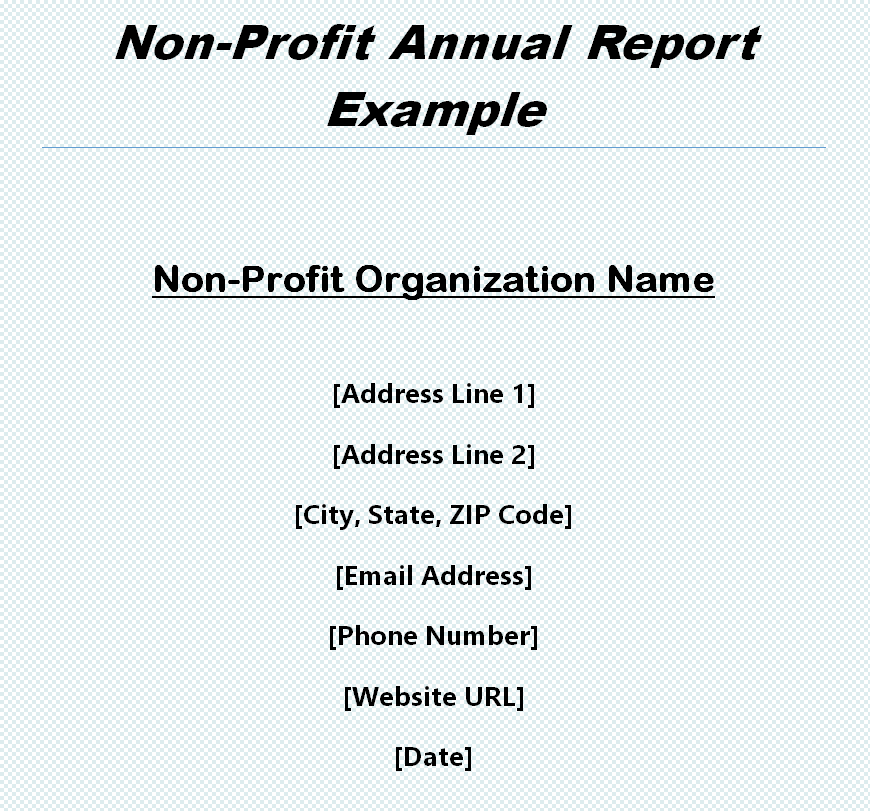
Our mission is simple: to empower non-profits with the tools they need to convey their essence effectively. We recognize that your time is precious, and the daunting task of creating an annual report shouldn’t stand in the way of your noble pursuits.
That’s why each template and example we present here is not just aesthetically pleasing, but also meticulously crafted to be user-friendly.
Get FREE Non-Profit Annual Report Examples Below
Non-Profit Annual Report Brief Guide
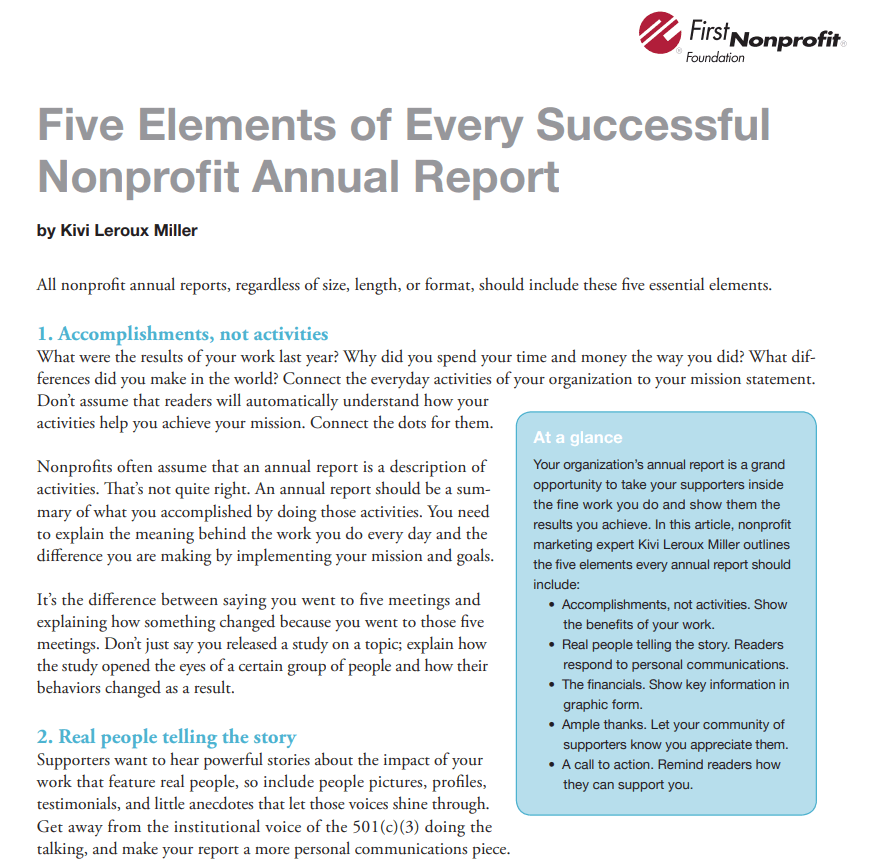
File Size: 118 KB
Non-Profit Annual Corporation Report Example
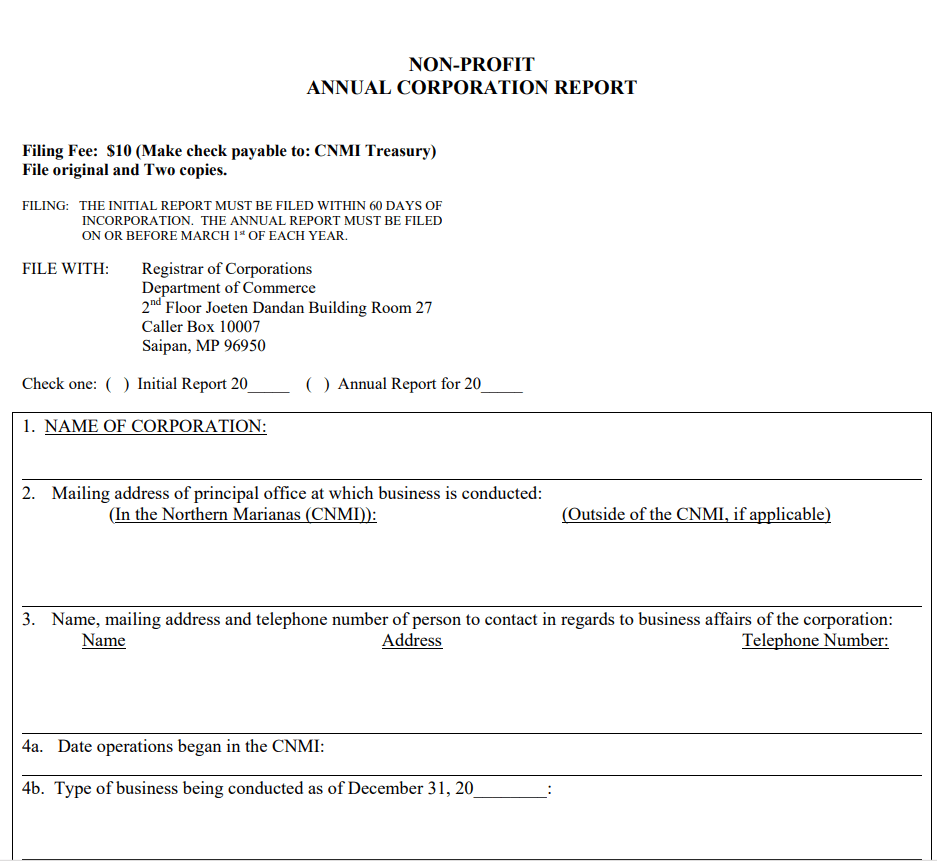
File Size: 09 KB
Domestic and Foreign Non-Profit Corporation Annual Report
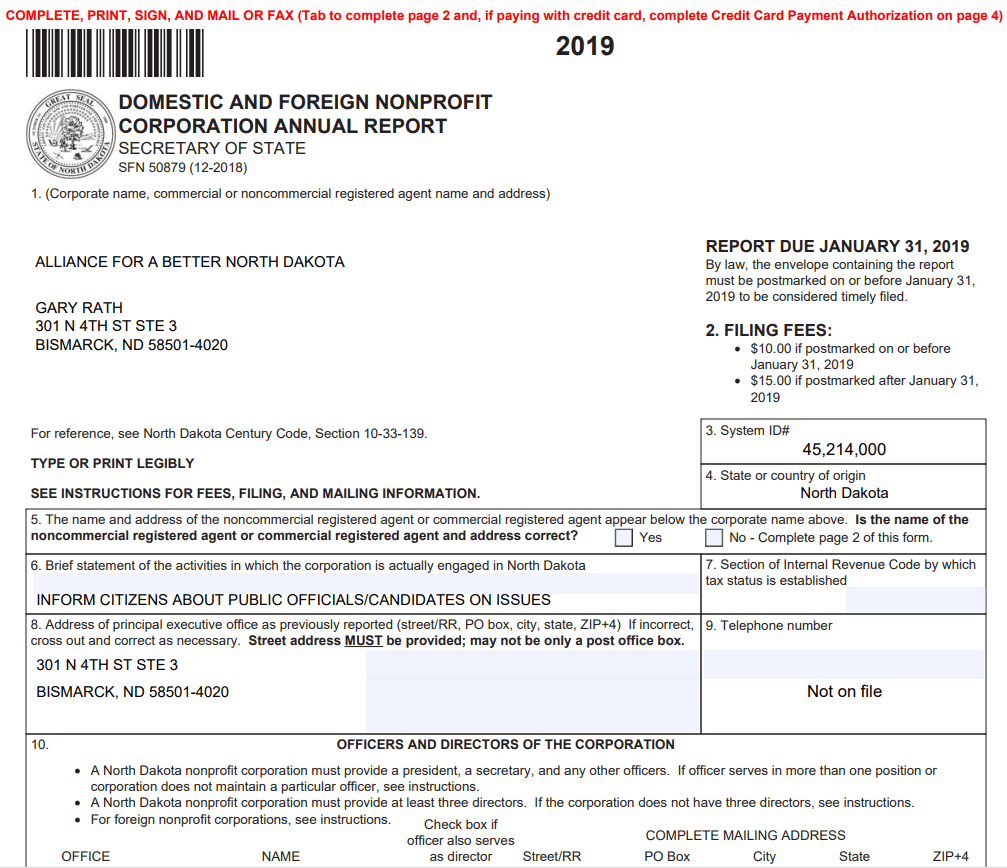
File Size: 107 KB
Executive Non-Profit Annual Report Example
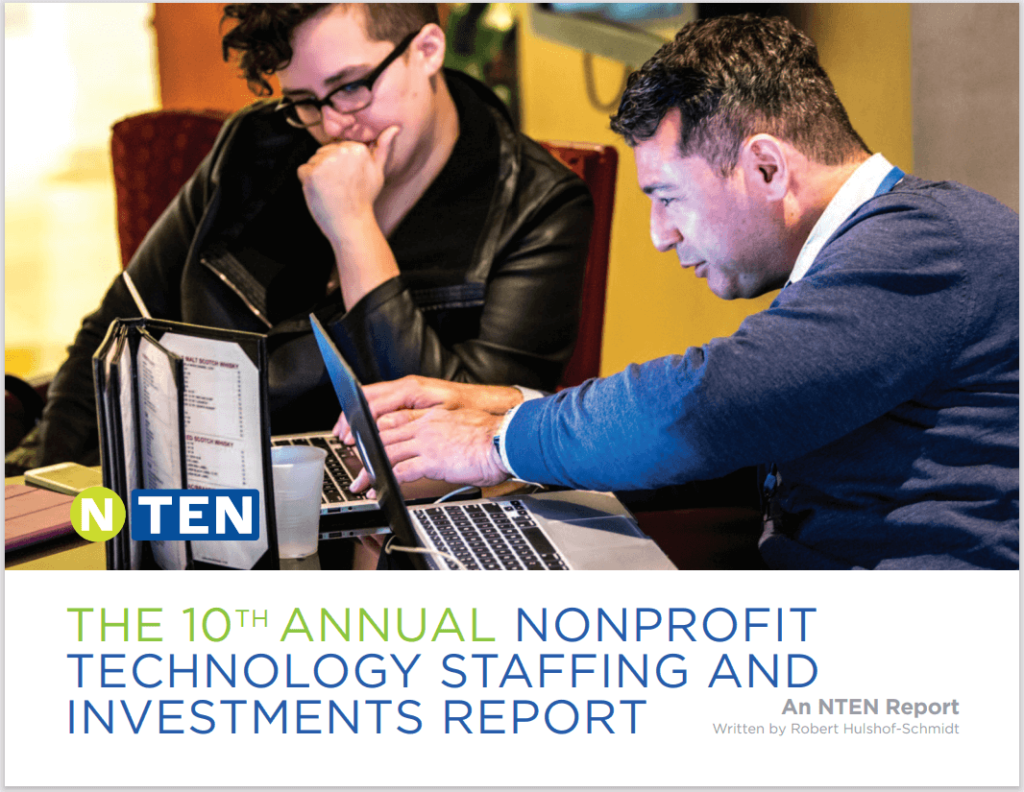
File Size: 846 KB
State Auditor’s Non-Profit Annual Report Example
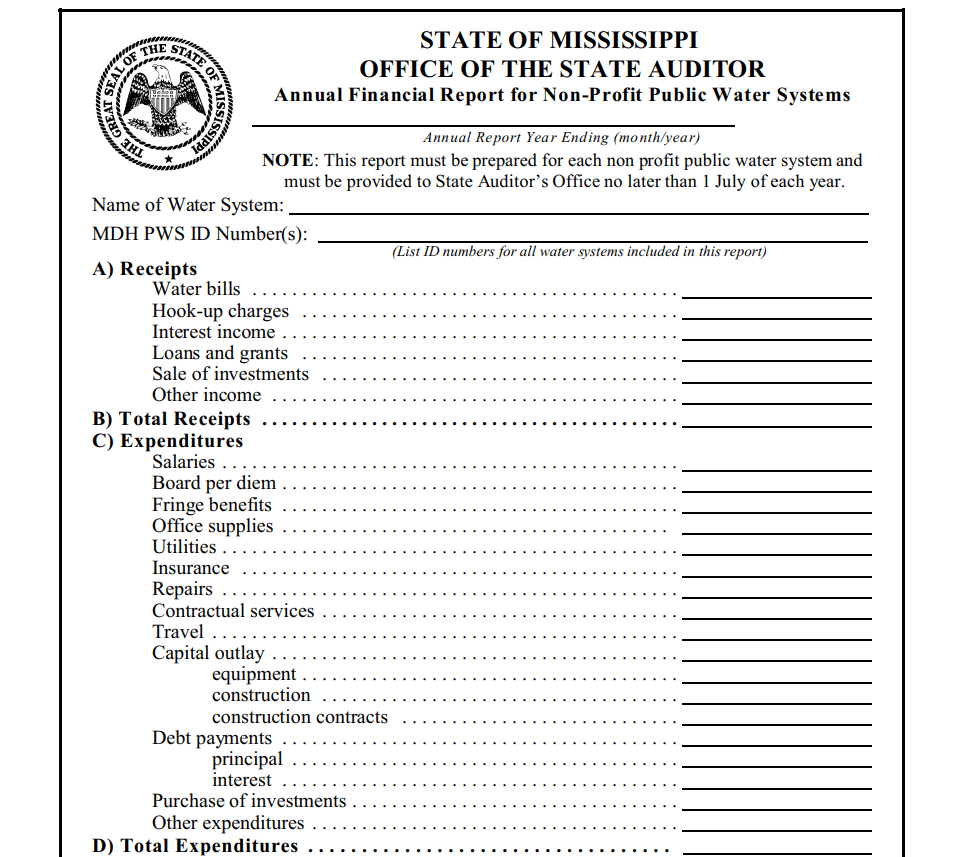
File Size: 62 KB
Non-Profit Annual Report Sample for Corporate Committee
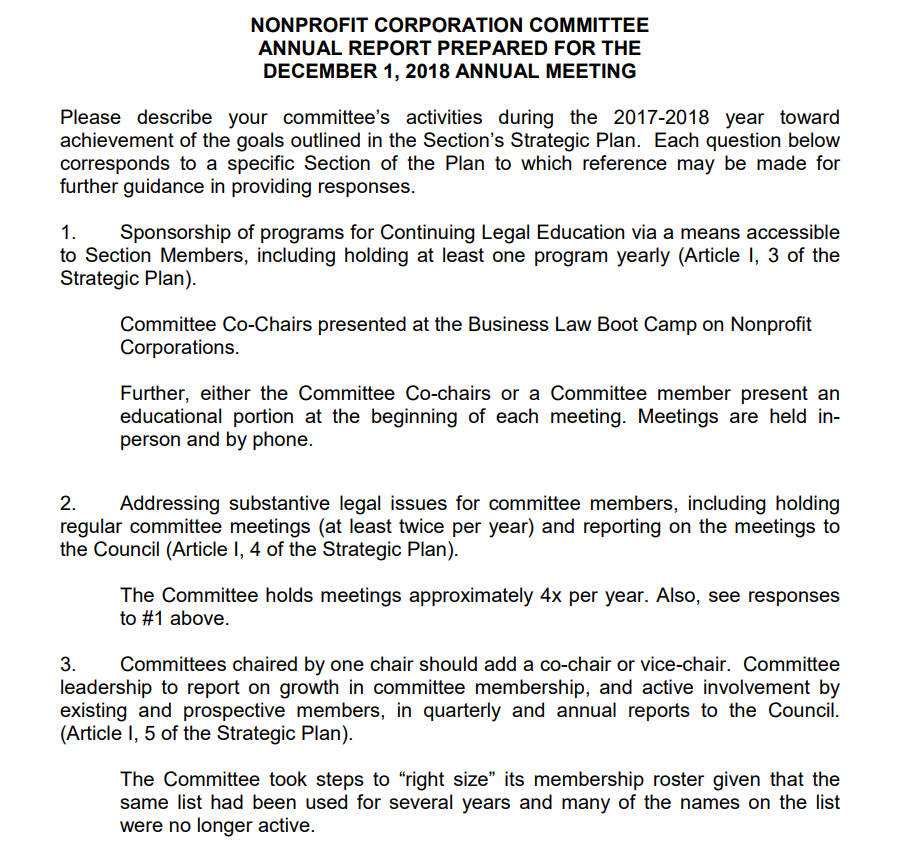
File Size: 09 KB
Annual Non-Profit Compensation Report Example in MS WORD
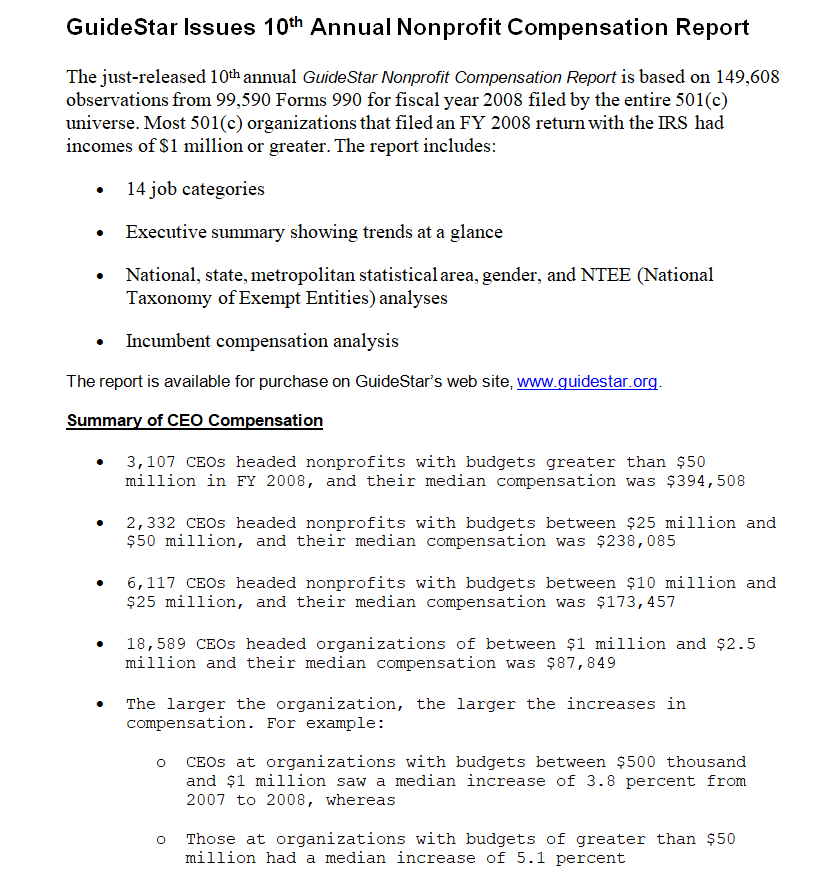
File Size: 05 KB
What is an Annual Report for a Non-Profit?
An annual report in the non-profit world isn’t just paperwork; it’s a story, a mosaic woven from the threads of compassion, dedication, and community. It’s the tale of a group of people, bound by a shared dream of making the world a better place, one small act of kindness at a time.
At its core, this report is a testament to the moments that truly matter. It starts with the heartbeat of the organization: its mission and vision. These words aren’t mere statements; they’re the soulful whispers of the change-makers, echoing the very reason they wake up every morning with unwavering determination.
Flip through the pages, and you’ll find more than just accounts and figures. There are stories – stories of triumph against all odds, of lives touched and transformed. Each project and every initiative is a building block of the organization that portrays resilience, hope, and the relentless spirit of humanity.
Yet, there’s a section that holds a special place – the financial snapshot. It’s where transparency meets trust. Pie charts and bar graphs tell a tale of their own, illustrating not just monetary transactions but the faith people have in the cause.
And amidst the narratives of impact, you’ll find faces – the faces of the board members, volunteers, and beneficiaries. These are real people, not just names, each contributing a verse to the non-profit’s actual objective.
Their stories, etched in ink and pixels, create a connection that transcends the pages of this report. This isn’t just an annual report; it’s a testament to the extraordinary power of ordinary people coming together with a shared vision.
More Non-Profit Annual Report Templates
Detailed Guide for Non-Profit Annual Report PDF
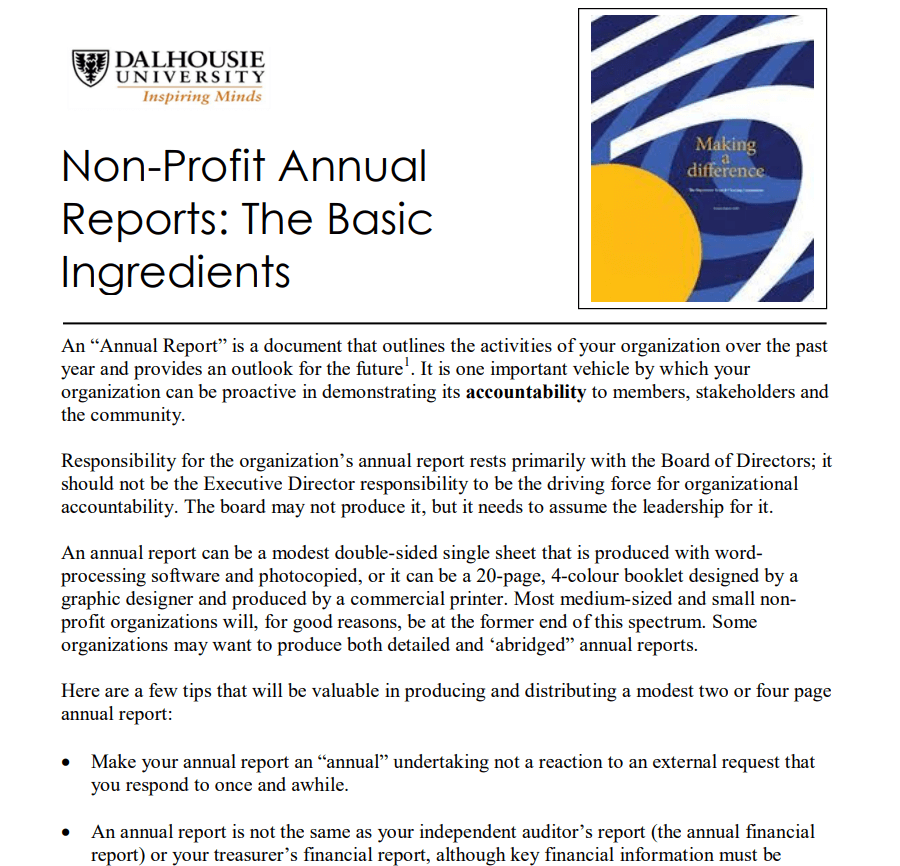
File Size: 41 KB
Fillable Non-Profit Annual Report Form Template
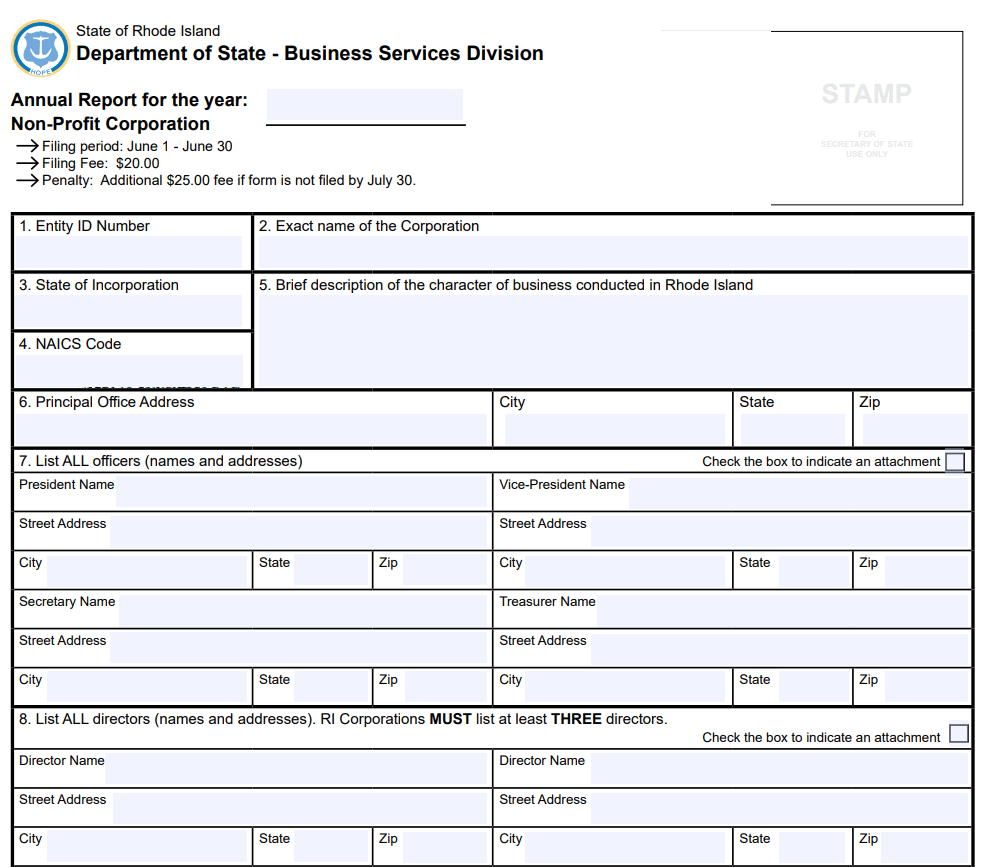
File Size: 222 KB
Simple Non-Profit Annual Report Example PDF
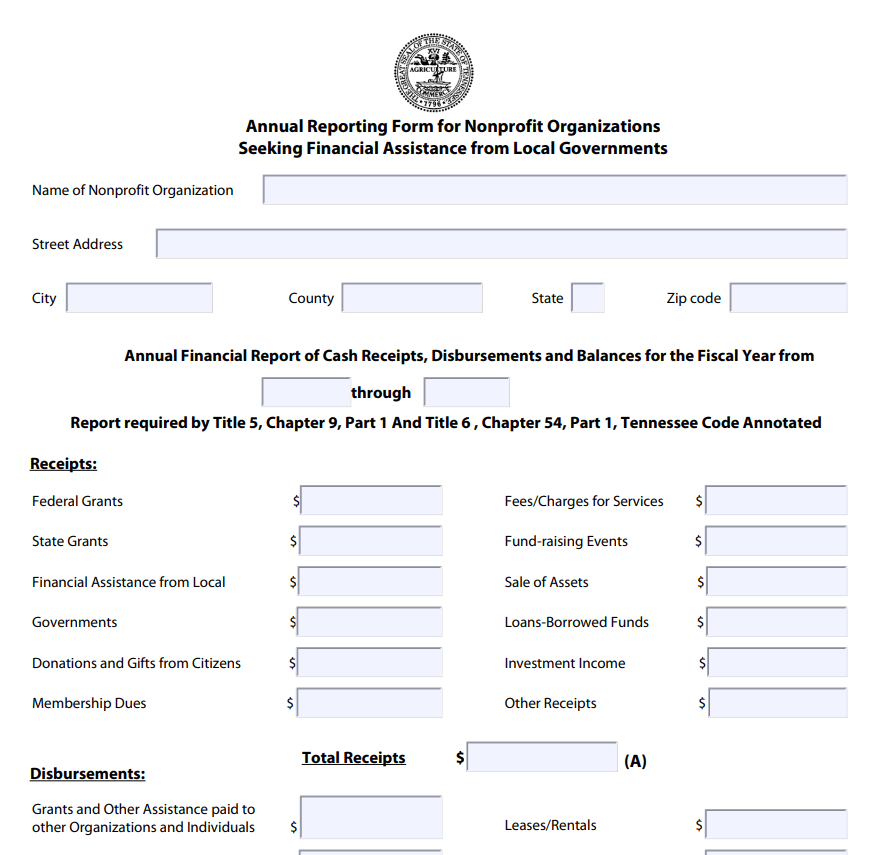
File Size: 110 KB
Executive Non-Profit Annual Report Template
File Size: 05 MB
Special Non-Profit Cooperative Annual Report
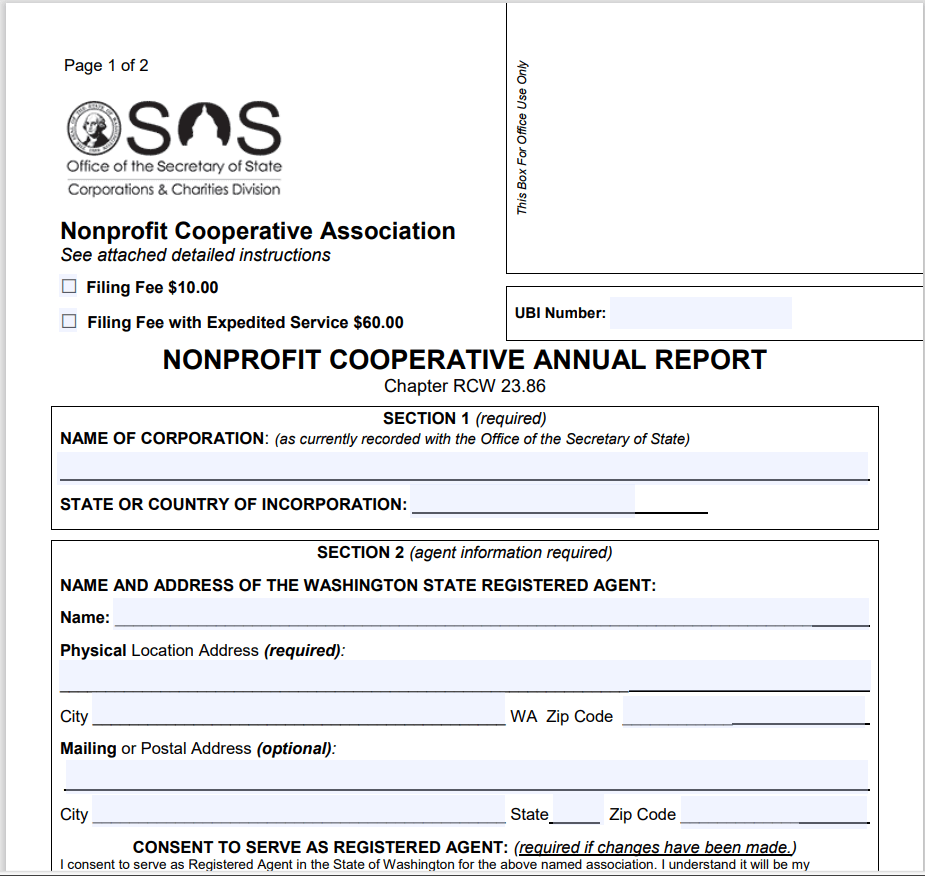
File Size: 151 KB
Printable Non-Profit Annual Employment Report Example
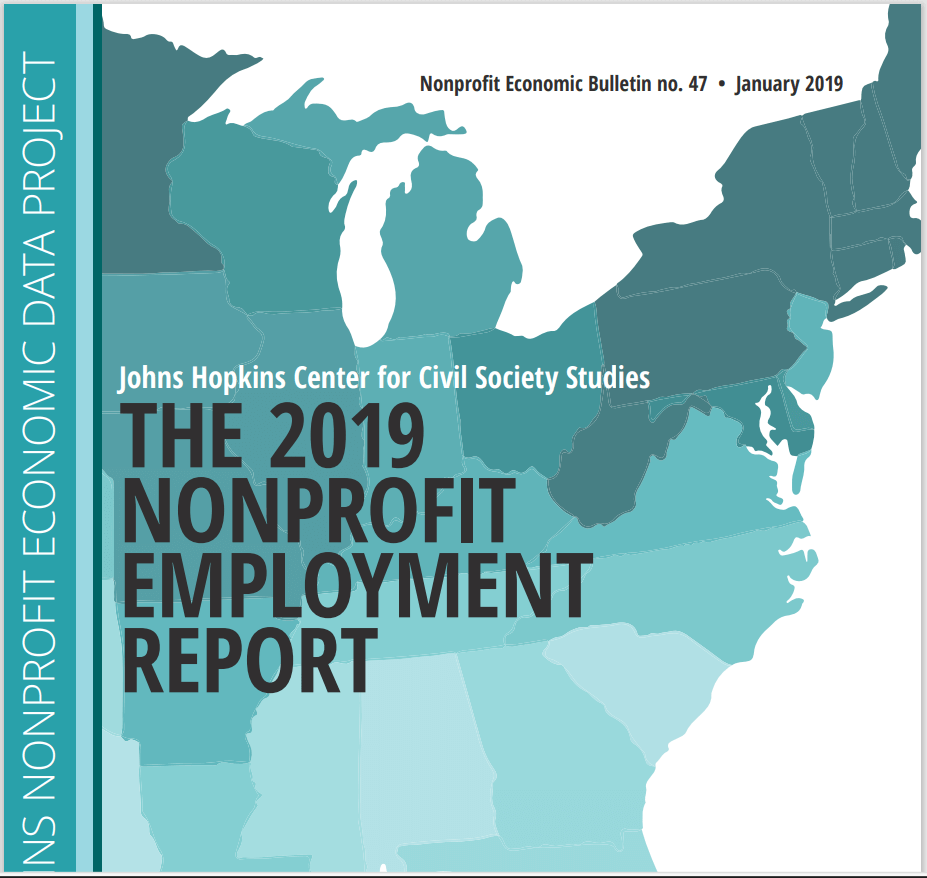
File Size: 892 KB
Formal Non-Profit Annual Report Example
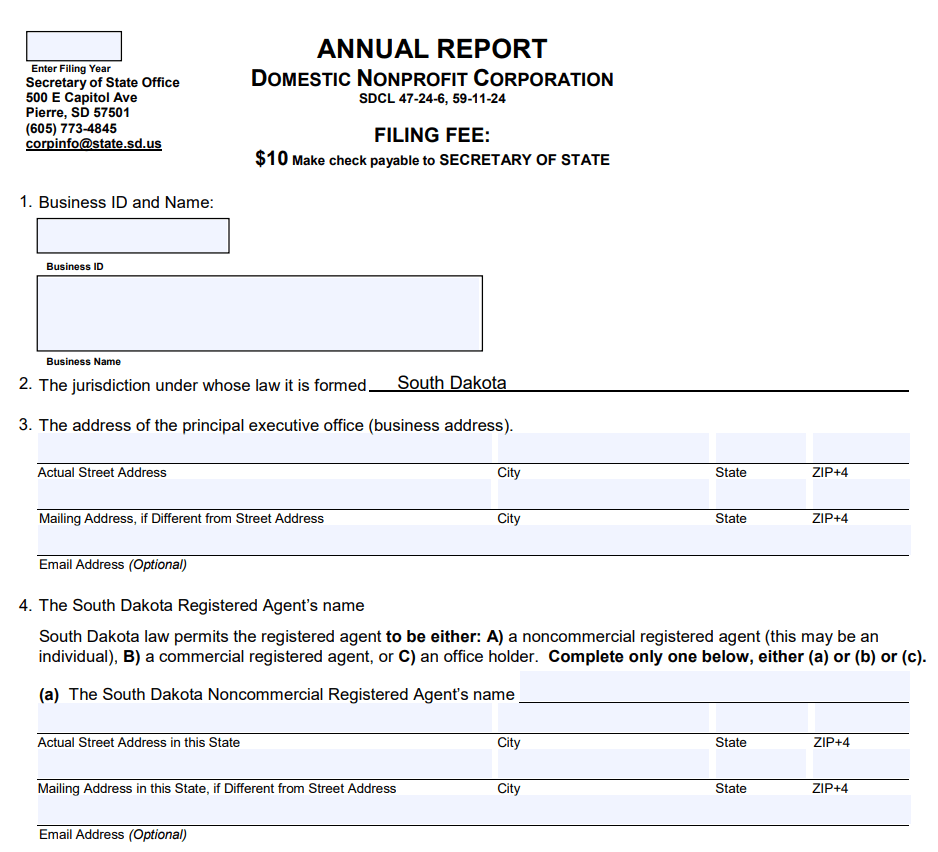
File Size: 82 KB
How to Write an Annual Report for a Non-Profit?
If you’ve ever wondered how to create an annual report that resonates deeply, you’re in the right place. Let me share some expert tips that will help you craft a report that isn’t just a document but a testament to your organization’s soul.
1. Embrace Your Community:
Every non-profit has a unique tribe – donors, volunteers, beneficiaries, and passionate supporters. Understand them. Feel their pulse. Your report is not just read; it’s felt. Tailor your words to touch hearts, whether it’s a donor’s generosity or a volunteer’s dedication.
2. Paint with Stories:
Numbers may quantify impact, but stories breathe life into your work. Share the narratives of change – the elderly woman whose loneliness was conquered, the child whose education blossomed. Let your supporters walk in their shoes through your words. Authentic stories forge connections.
3. Dance in the Rain of Achievements:
Your victories, big or small, deserve a spotlight. Did you build a school, feed a thousand families, or save a forest? Shout it out! Celebrate milestones, and let the world know what their support accomplished. Use vibrant visuals – photos, graphs, or even a child’s drawing – to paint the picture.
4. Open Your Financial Diary:
Transparency is your superpower. Lay out your finances honestly. Show the ebb and flow. Explain challenges, share successes. Donors are your partners; they trust you. Treat financial details like a sacred trust, making them understandable to anyone, not just accountants.
5. Let Impact Speak Louder:
Metrics and testimonials add depth. Numbers can be powerful, like “20,000 meals served.” Yet, a single heartfelt quote or a photo of a smiling face can speak volumes. Blend statistics with personal stories. Show the ripples of change you create.
6. Say ‘Thank You’ Like You Mean It:
Gratitude isn’t a mere word; it’s an emotion. Pour your heart into thanking your supporters. Be specific. “Because of you, a village got clean water.” Make them feel their impact. Let gratitude flow through every word, reminding them that they are cherished partners.
7. Dream Aloud:
Share your dreams for tomorrow. Your supporters are the wind beneath your wings. Let them know what’s next. Paint a vivid picture of the future – the schools to be built, the diseases to conquer. Involve them in your vision, making them a part of the journey, not just bystanders.
8. Craft with Love and Care:
Design isn’t just aesthetics; it’s an experience. Invest in a layout that breathes life into your words. High-quality images, intuitive navigation – every detail matters. Imagine your report as a cherished gift; every page should be a delight to unwrap.
A final evidence check for the annual report
- Do dates and reporting periods agree across the narrative and charts?
- Can important figures be traced to reviewed records?
- Are permissions and privacy arrangements suitable for the stories and photographs?
- Has the responsible person approved the financial and organizational descriptions?
Related records and useful next steps
Keep campaign order records separate from the annual narrative. fundraiser order form templates.
Transfer report ownership, source records and unresolved actions clearly. handover report templates.
Organize event participation records without confusing attendance with outcomes. sign-up sheet templates.
For U.S. exempt-organization filing information, consult the IRS annual filing and forms guidance. A narrative report does not establish that applicable filing requirements have been met.
Frequently asked questions
Is a narrative annual report the same as a tax filing?
No. A public report and a required return or filing can have different purposes and requirements. Use the applicable authority and professional guidance for the actual obligations of the organization.
What should a small nonprofit report include?
Explain the purpose, period, activities, supported results, resource use and relevant organization information. Keep the scope proportionate and make the evidence behind important claims understandable.
Can I use participant photographs or stories?
Use suitable permission and privacy arrangements and consider the people involved. A template space for a photograph is not permission to publish a person identity or personal circumstances.
Should I call the financial section audited?
Only use that description when it accurately reflects the financial information and review performed. Do not retain an audit claim from sample text without appropriate support.
How long should the report be?
Long enough to answer the main questions of the audience clearly. The useful measure is the quality and relevance of the information, not copying another organization page count.
You can also browse more options in the Other Templates category.
