
The recipe you can cook from next year is the one that records what you actually did today. These recipe book templates give family cooks, recipe collectors and small groups a place to organize ingredients, methods, yields and useful notes.
There are 27 examples below with previews and downloadable files. Choose a layout around the kind of collection you are building: a practical kitchen binder, a family keepsake or a themed booklet. A beautiful cover is only one part of a cookbook that someone can use comfortably.
Before arranging the pages, settle a few conventions for measurements, ingredient names and recipe structure. Consistent information makes a mixed collection easier to follow without stripping away the personal notes that make family recipes worth keeping.
27 downloadable examples and previews
Use the preview to compare the layout, then choose the download button for the actual file. Extract ZIP packages before opening them. Check the file format and contents before editing; a preview is not itself an editable document. Keep a blank original and save completed versions with clear filenames.
practical Recipe Book Templates in WORD
Professional Cookbook Template
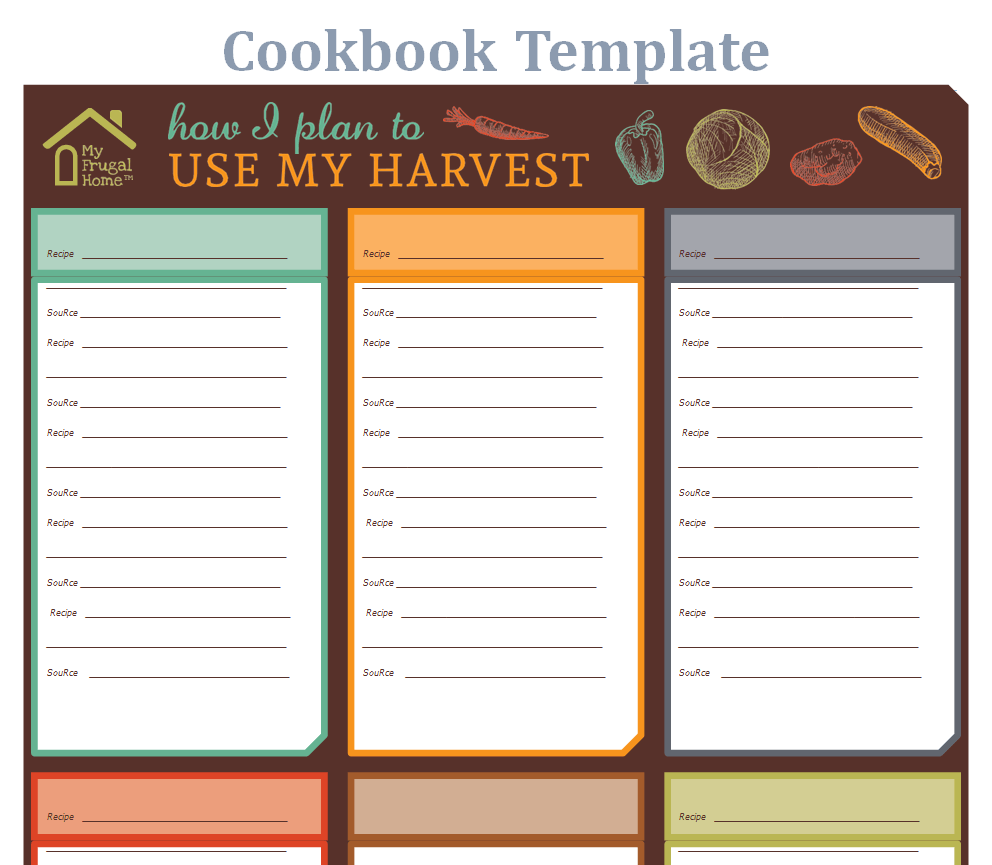
Online Recipe Book Format
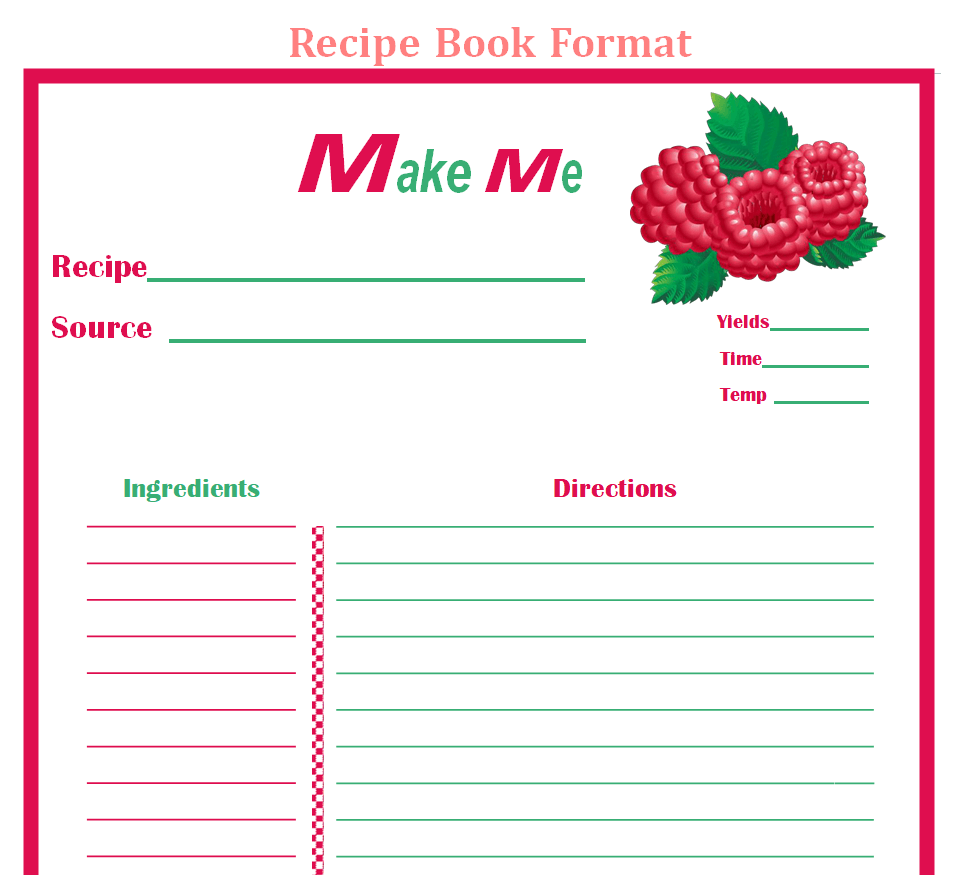
File Size: 223 KB
Free Recipe Book Template WORD
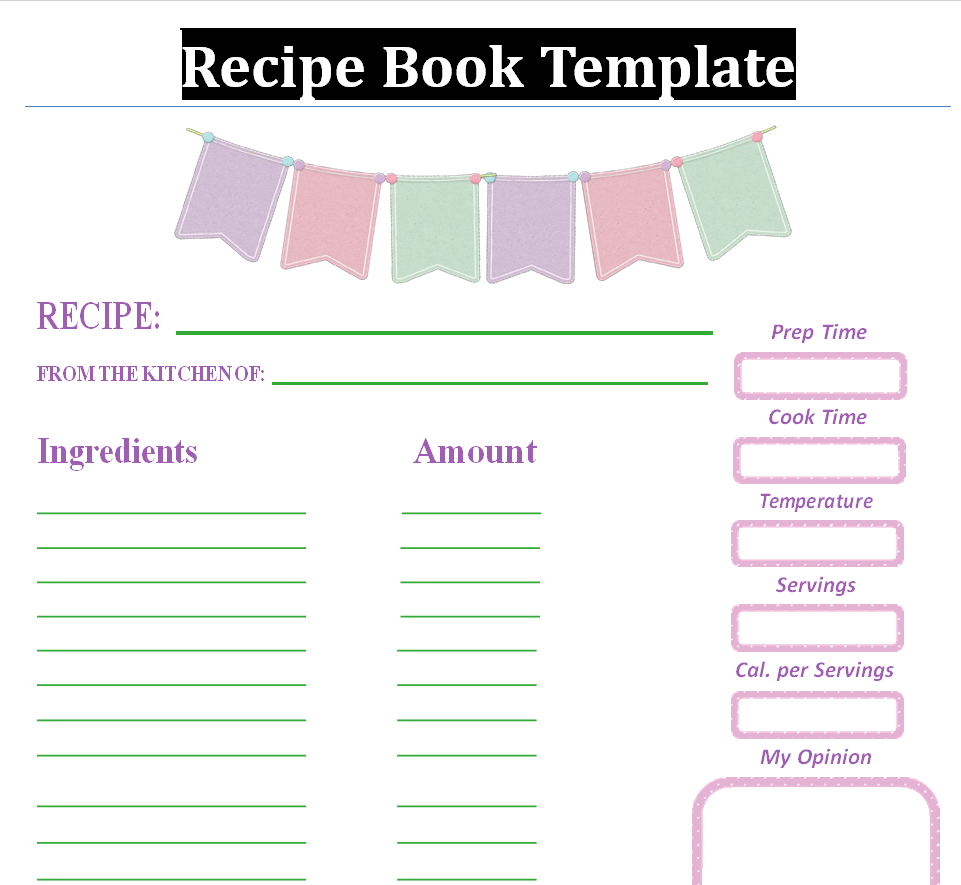
File Size: 748 KB
Simple Recipe Book Design
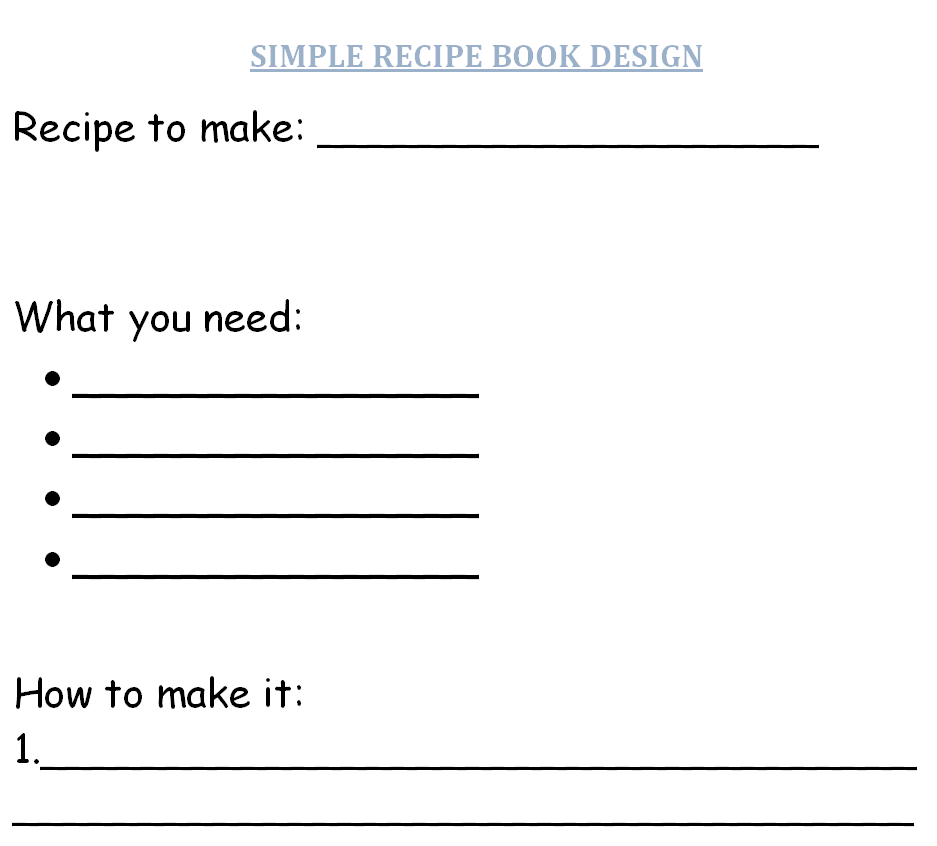
File Size: 18 KB
Categorized Recipe Book Template in MS WORD
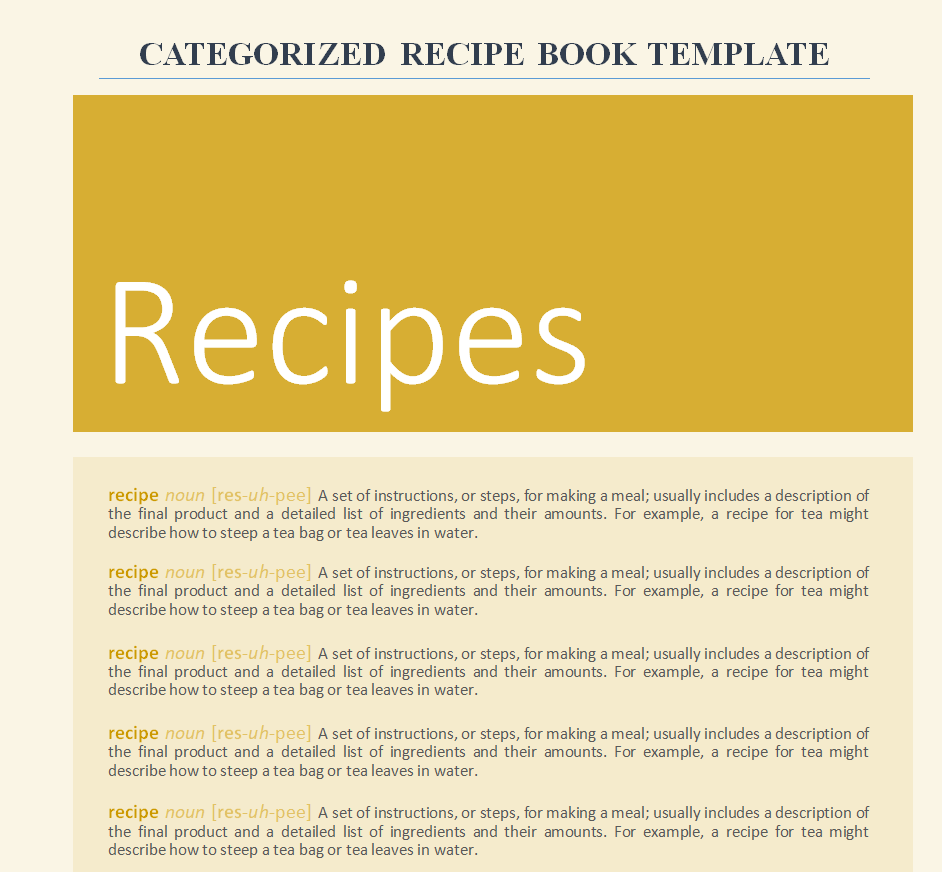
File Size: 38 KB
Best Recipe Book Template
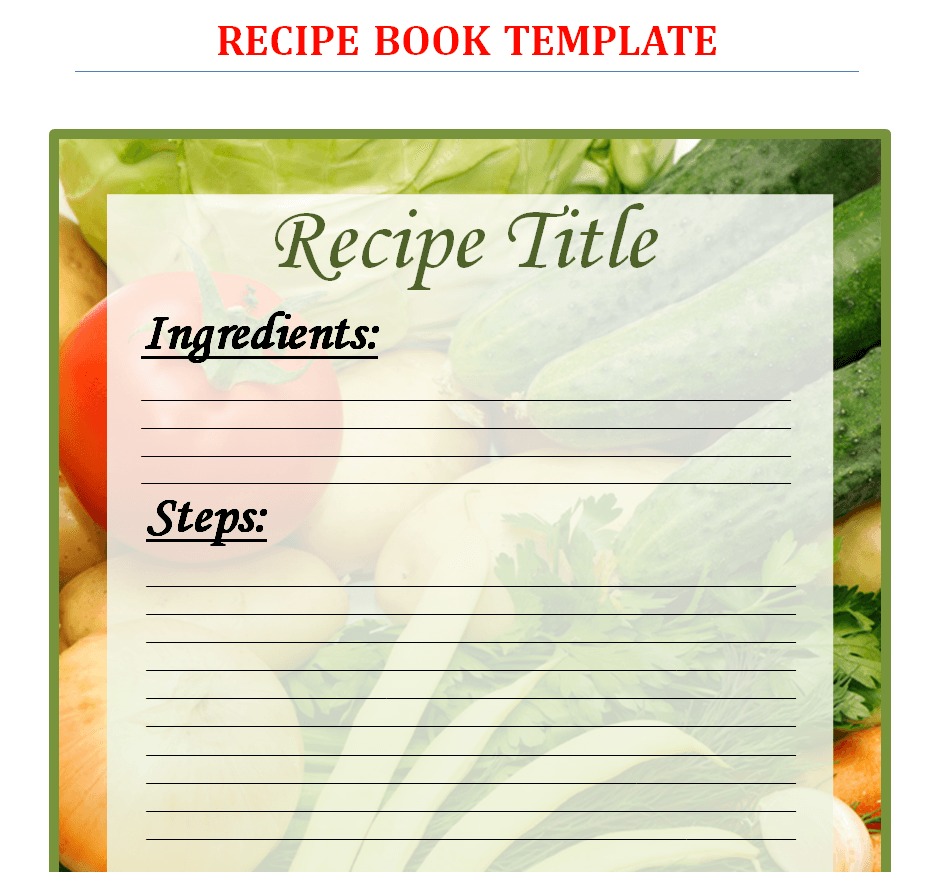
File Size: 215 KB
Executive Cookbook Recipe Book Template
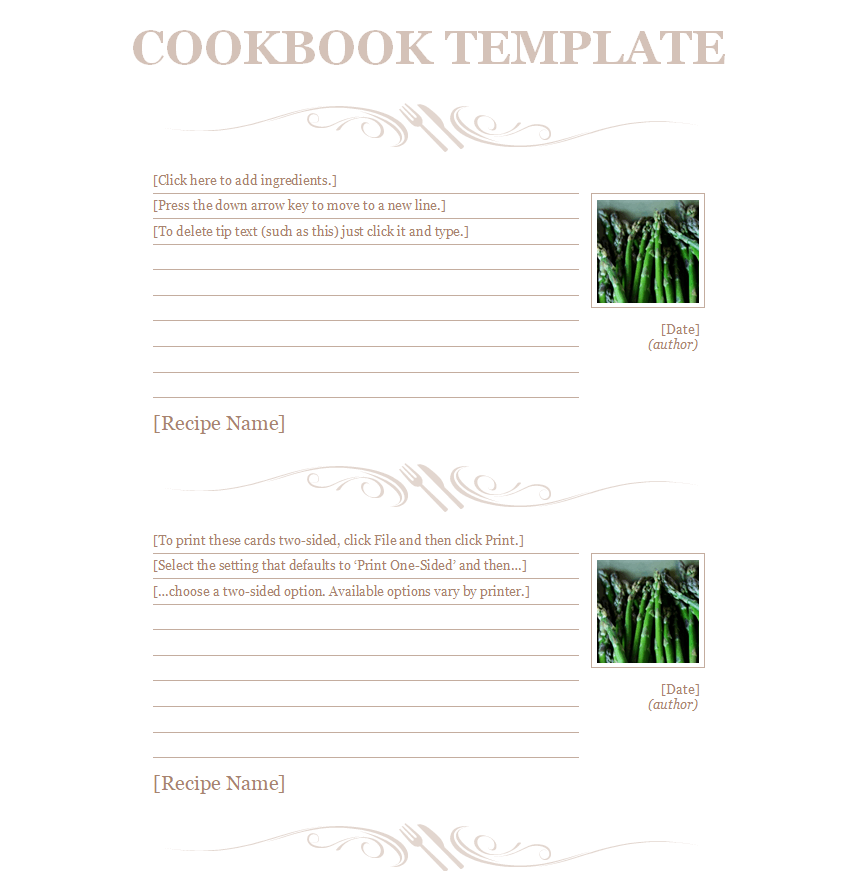
File Size: 314 KB
Family Recipe Book Example
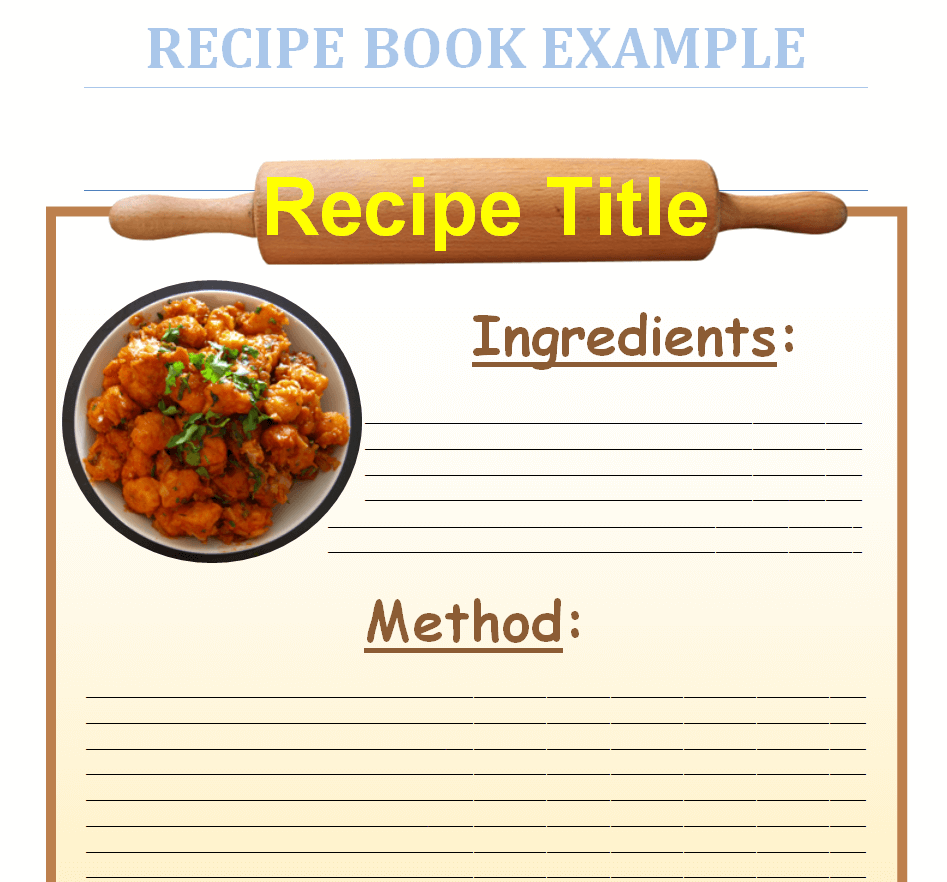
File Size: 210 KB
Sample Recipe Book Template DOC
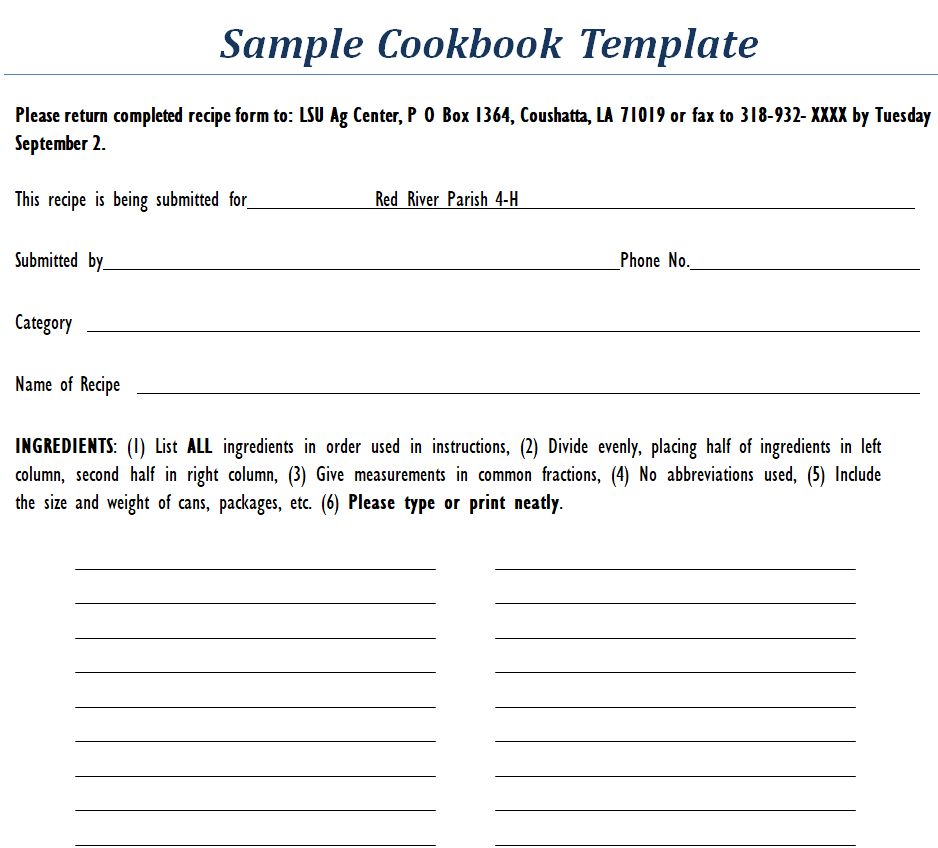
File Size: 16 KB
What is a Recipe Book?
A recipe book or a cookbook is a collection of some amazing recipes for different commonly used and special dishes. Such books can be created by someone in order to record the recipes of traditional dishes of the family. They can write the recipes of different dishes based on their family tradition and the likeness of the dish. This way, you can have a written record of the collection of the recipes of all the traditional dishes that your family enjoys eating. Such a recipe book can be divided into daily use recipes and recipes for special occasions or events.
Another type of recipe book is one that is created by an expert cook or chef. This type of book is usually for people who are new to cooking and want to learn different recipes for different dishes. This type of cookbooks are sold by the creator by which they earn money. Although in the modern world, one can easily learn cooking with video tutorials on YouTube but still, people love to buy recipe books to learn and try new dishes.
FREE Cookbook Templates WORD
Chef’s Recipe Book Template
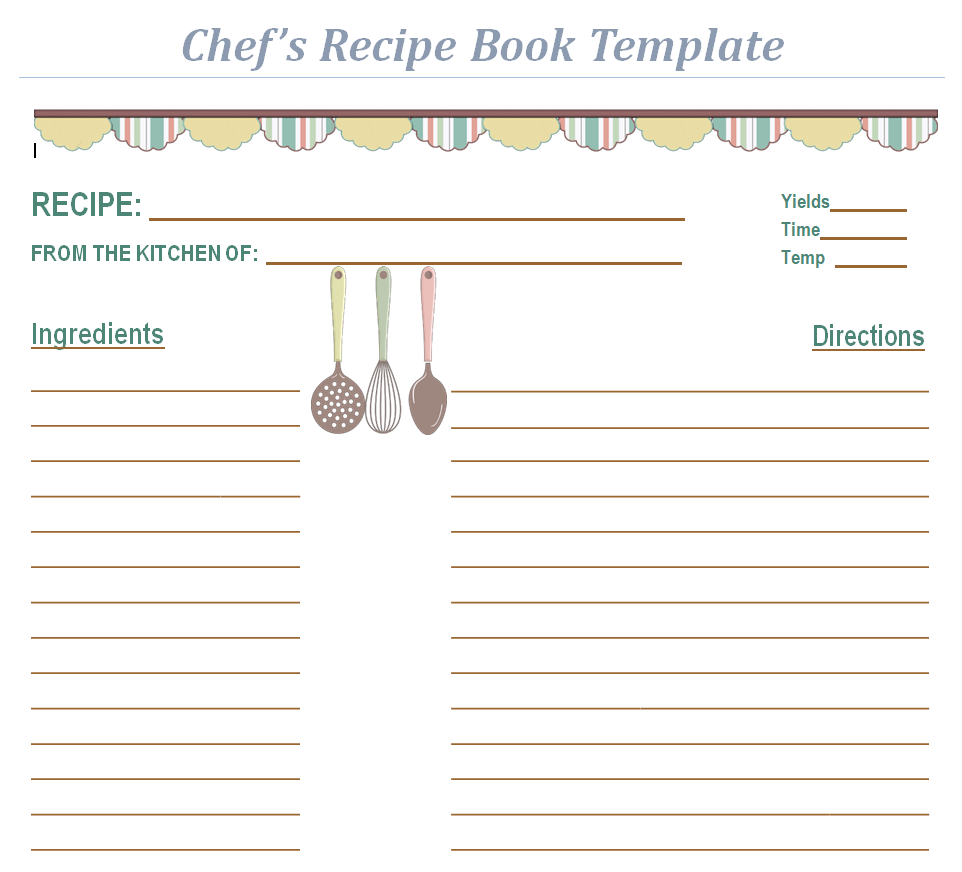
File Size: 100 KB
Beautiful Recipe Book Template
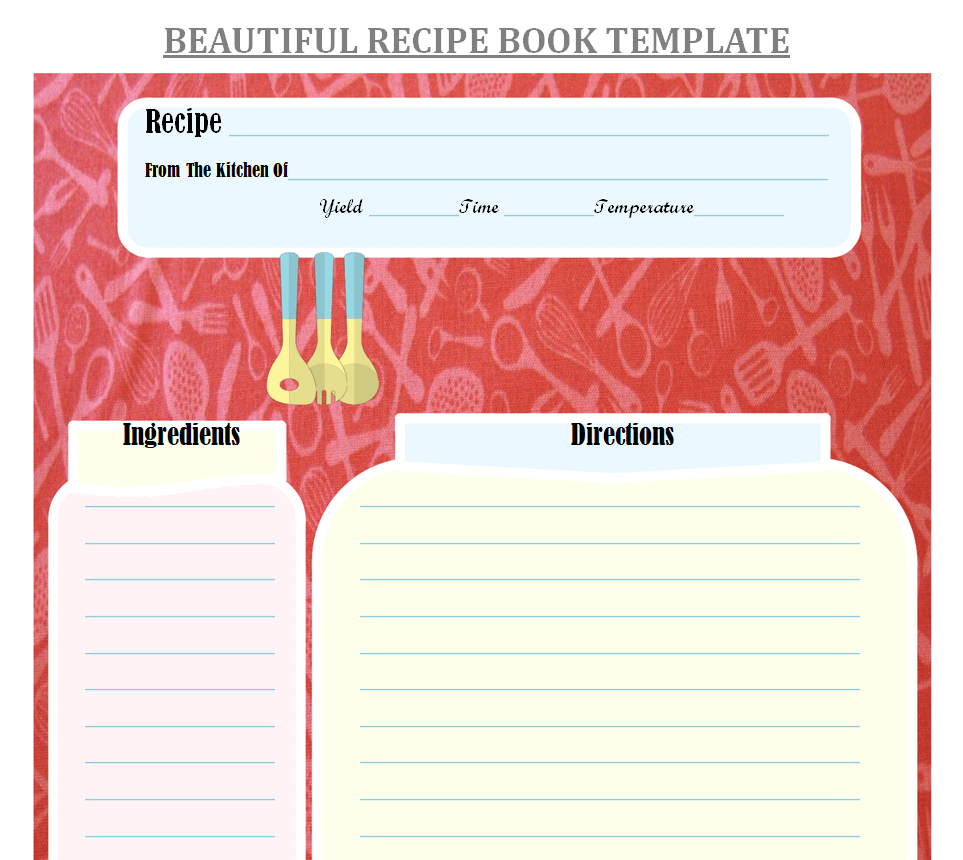
File Size: 01 MB
Official Recipe Book Template in WORD
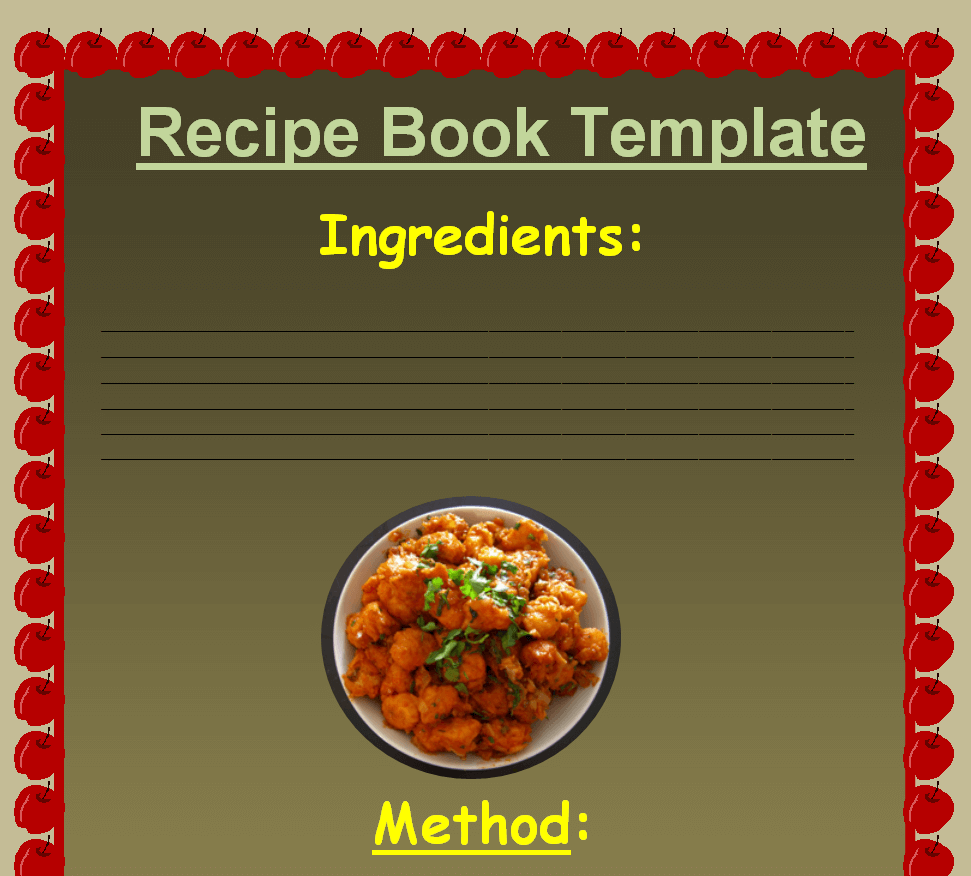
File Size: 135 KB
Blank Recipe Book Format MS WORD
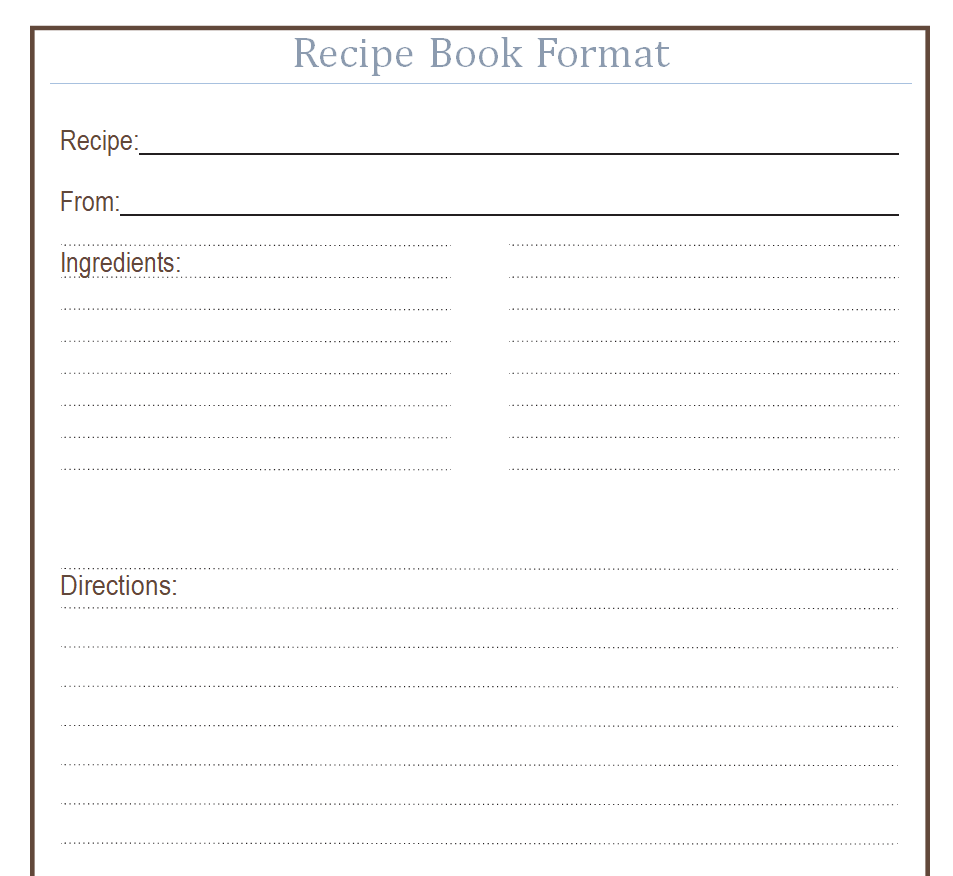
File Size: 14 KB
Kitchen Cookbook Sample DOC
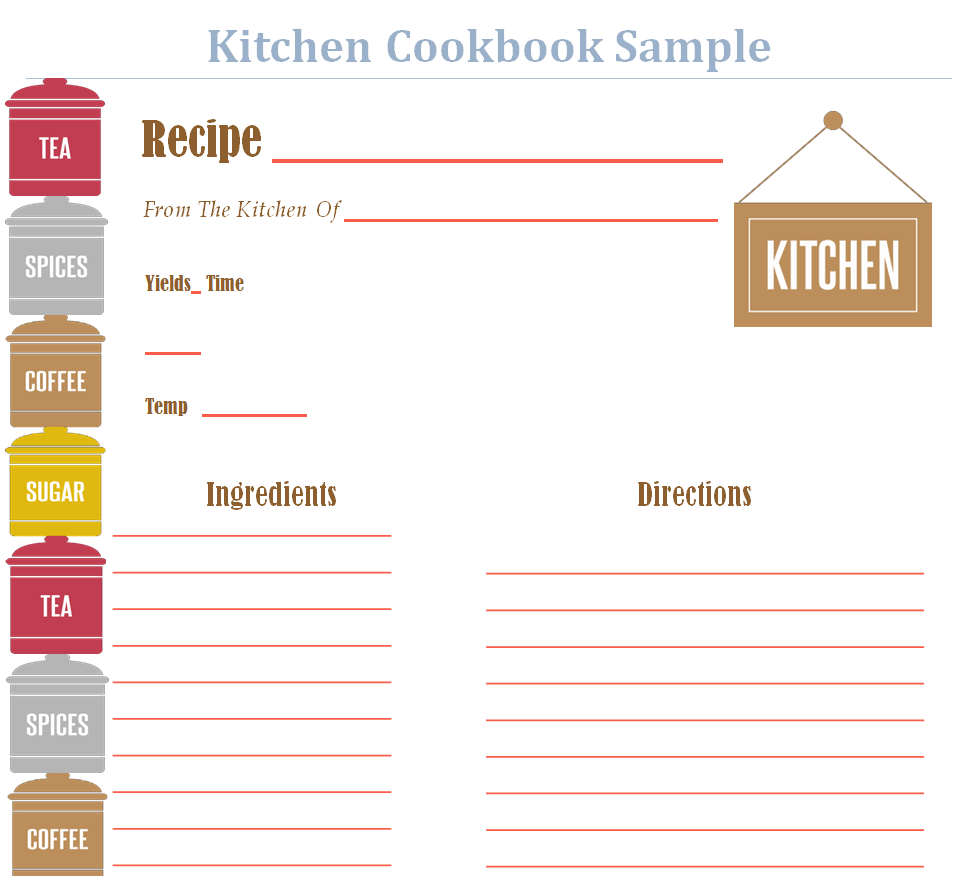
File Size: 45 KB
Official Recipe Book Format
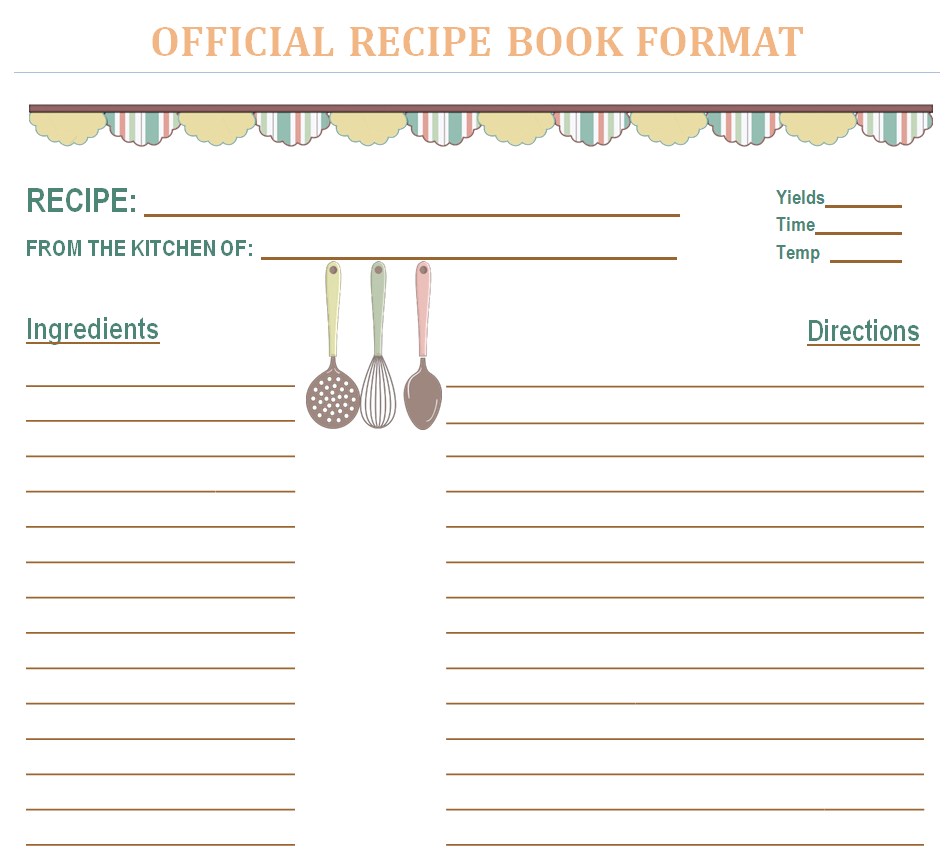
File Size: 100 KB
Recipe Book Page Sample Free Download
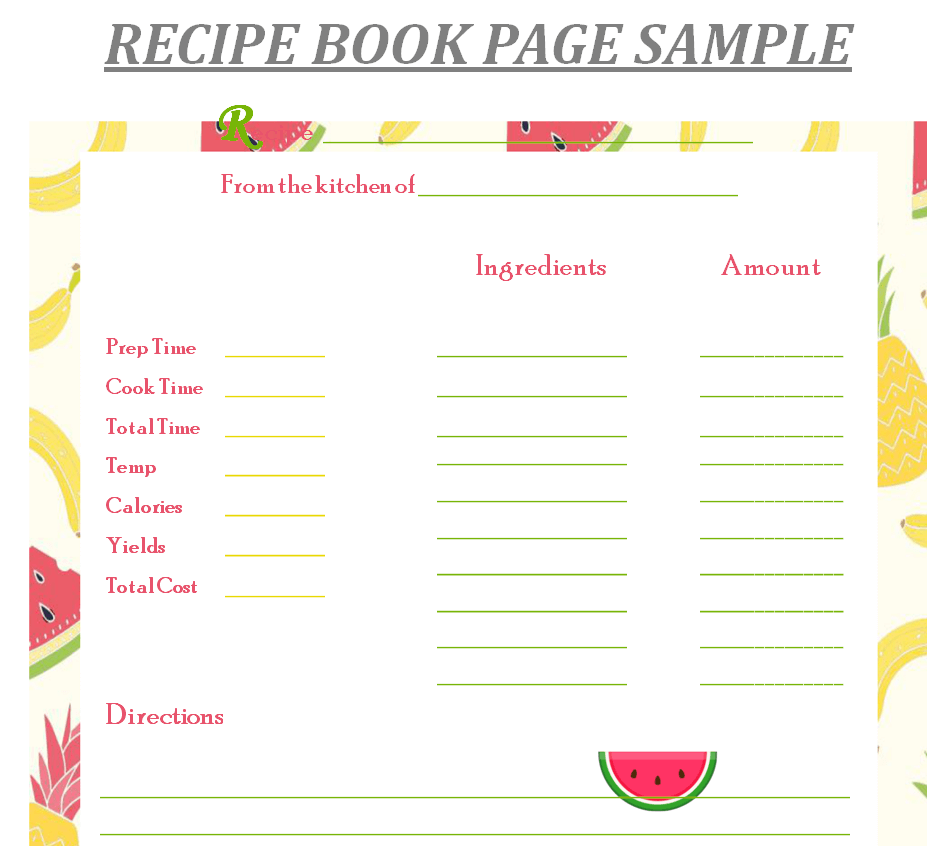
File Size: 340 KB
Sample Cookbook Page Word Template
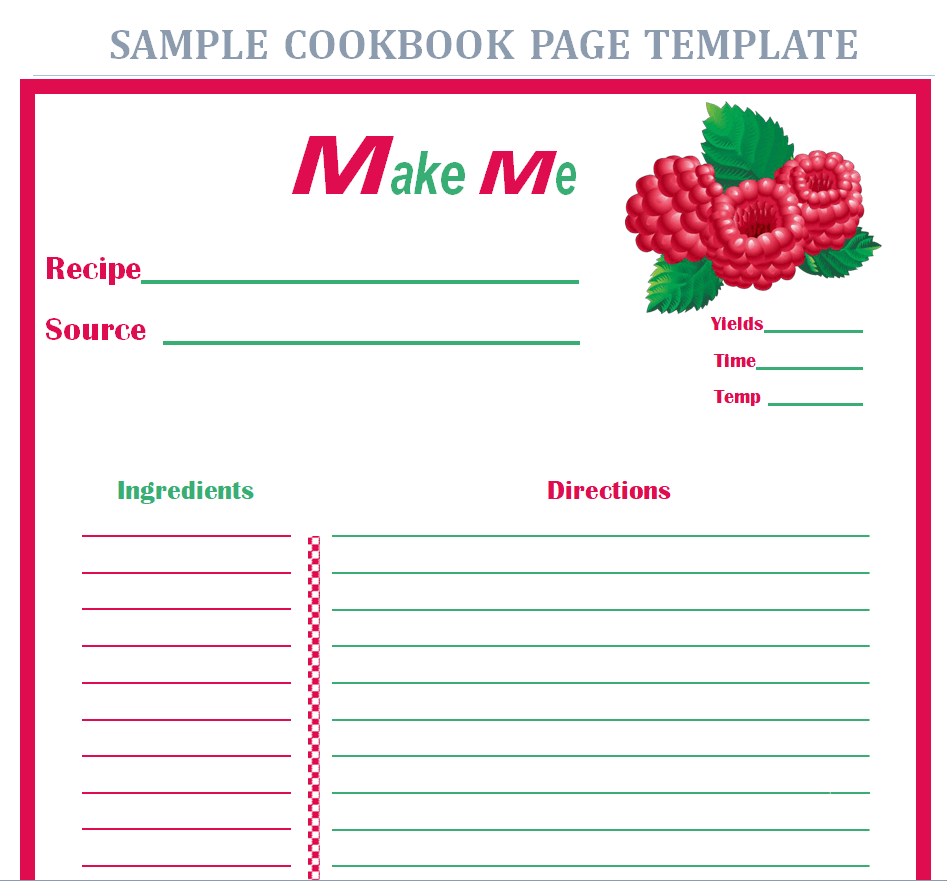
File Size: 672 KB
How to Make a Recipe Book?
Different types of recipe books use different themes, designs, and layouts. From the free recipe book templates given here on this page, you can easily create your own recipe book within a small amount of time. There are some basic elements that every recipe book must have, whether it be created for a personal purpose or for sale purposes. These elements are:
Theme and Design
Depending upon the type of recipe book you are creating, chose an appropriate theme and design for it. If you are creating a recipe book for selling purposes, the design might depend upon your brand. Select the color and layout that makes your design more appealing.
Collection of Recipes
Before compiling your collection of recipes into a recipe book, make sure to review all the recipes that you have. Then select the recipes you think are more relevant and include them in your recipe book. The relevancy of a recipe usually depends upon its liking. For this, you can check out the sample recipe books to get an idea.
Recipe Book Title
Give an appropriate title to your recipe book and make sure that your title is short and easy to remember.
Table of Contents
Make sure not to miss the table of contents in your recipe book. It is quite important to include it as it will help the reader to easily track the dish that they want to make on a particular day or event.
Formatting of Recipes
For each and every single recipe, use an appropriate format consistently. This will allow the reader to understand the recipe with ease. An appropriate format can be like this:
- Title: Give an appropriate title to the recipe according to the type of dish. Again, make sure to keep your title short and easy to remember.
- Picture: It is always good to use visuals as it makes your recipe book more attractive and compelling. Add a relevant picture for each recipe so that the reader can easily understand what they are going to do.
- Ingredients: List down all the ingredients that are or will be required for the recipe. Make sure to double-check that all the ingredients are included in your list.
- Quantity: Mention the quantity of each ingredient separately using the relevant unit of measurement so that the reader knows exactly how much of each ingredient is actually required.
- Nutritional Value: It is also recommended to add the nutritional value of the whole dish as well as the nutritional value of each ingredient separately.
- Instructions: Followed by the list of ingredients are necessary instructions or directions that will be required to finally prepare the dish. Make sure to write all the instructions using simple wording and short paragraphs.
Printable Recipe Book Templates PDF
Personal Recipe Book Template
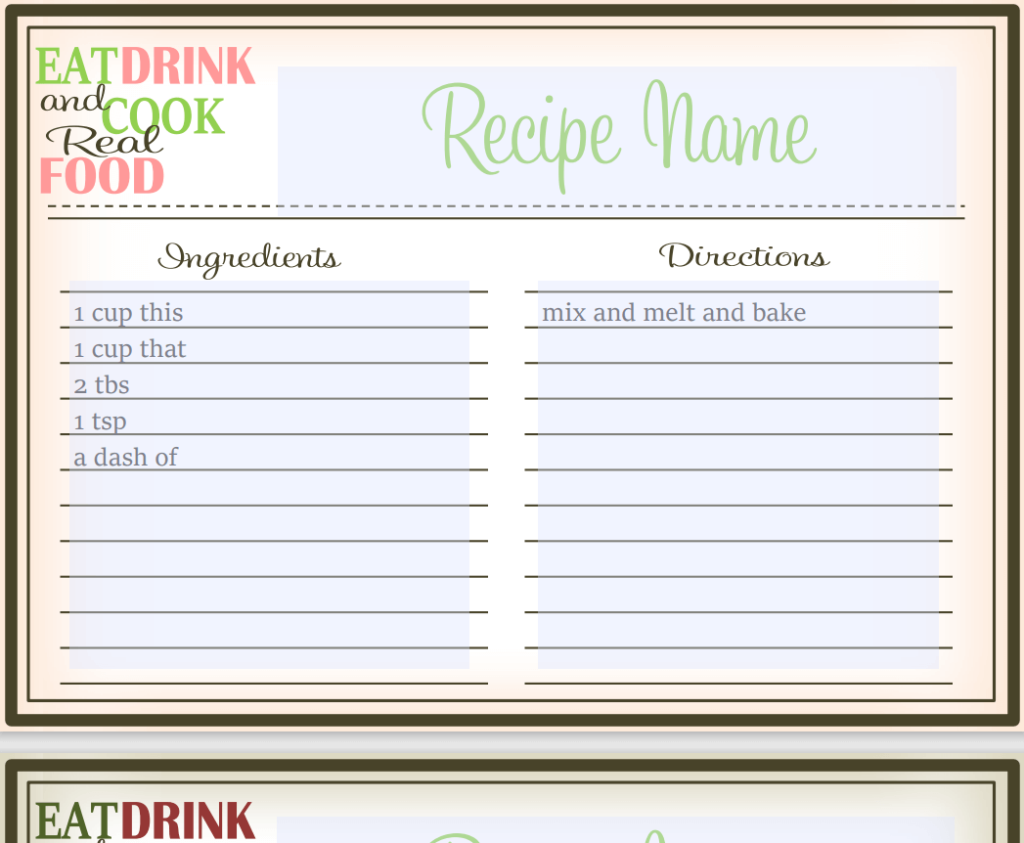
File Size: 767 KB
Fillable Recipe Book Template PDF
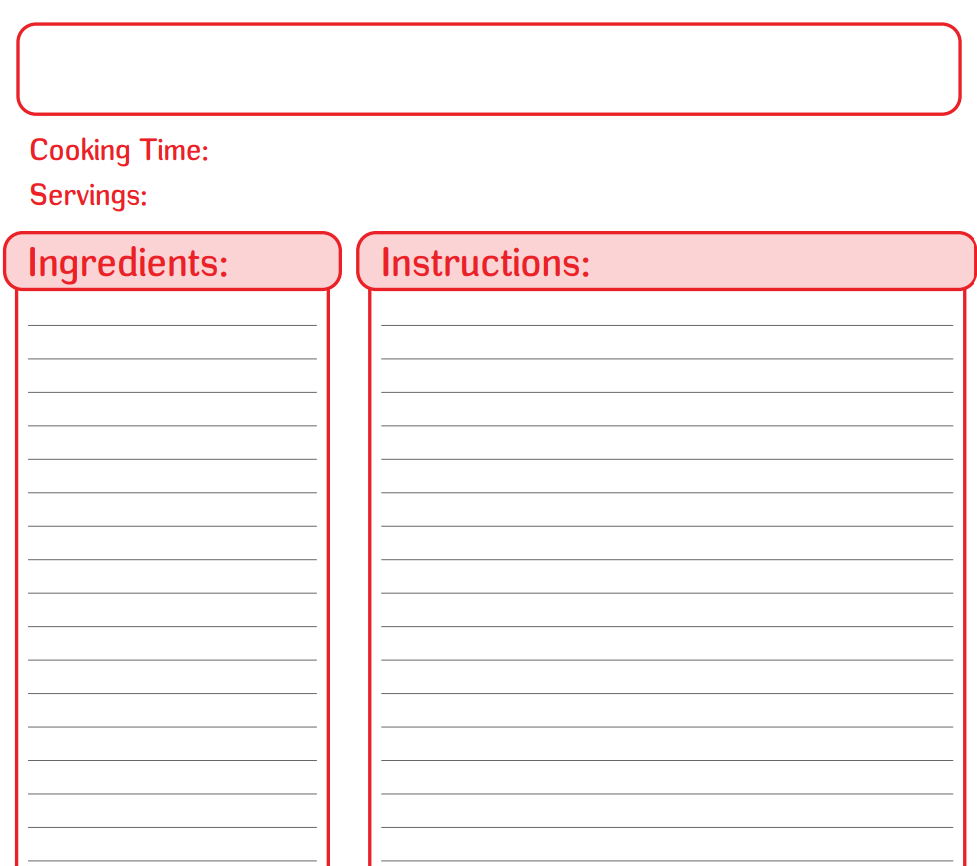
File Size: 18 KB
Free Printable Recipe Book Template
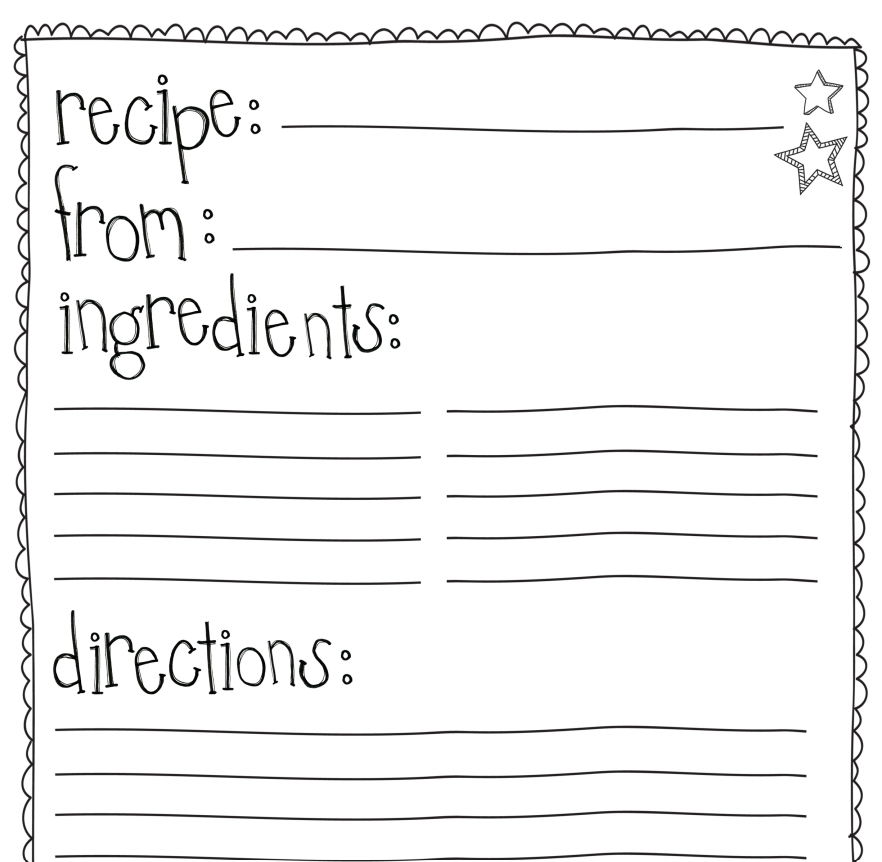
File Size: 01 MB
Compiled Recipe Book Sample
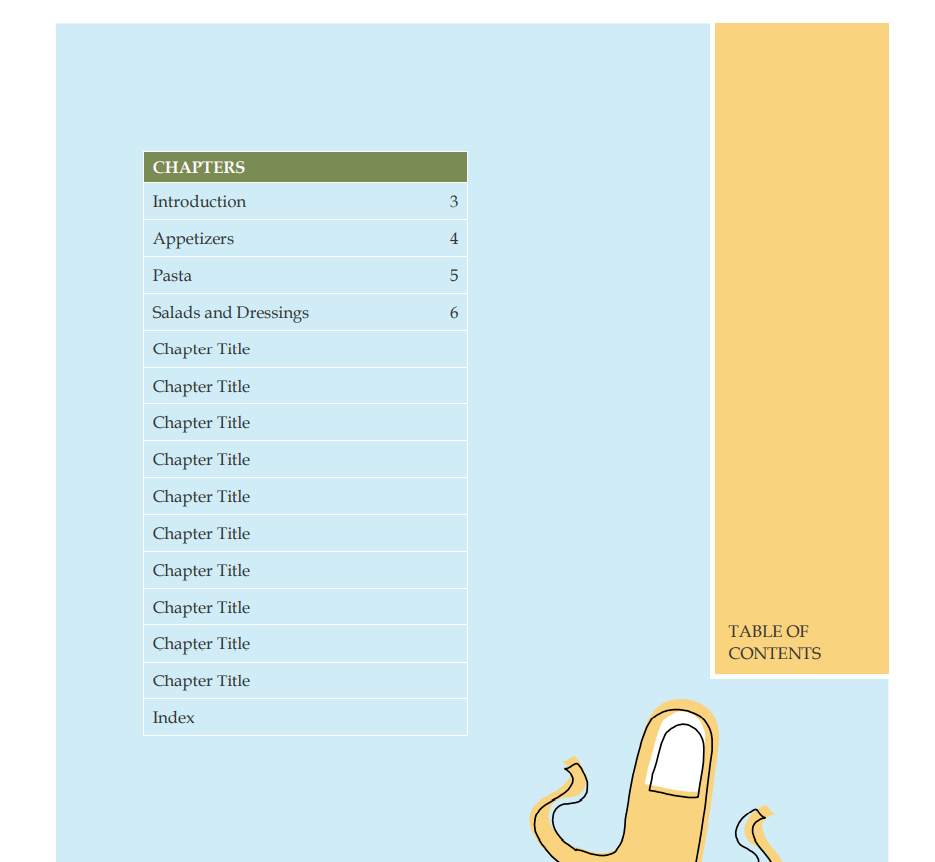
File Size: 218 KB
Practical Recipe Book Template PDF
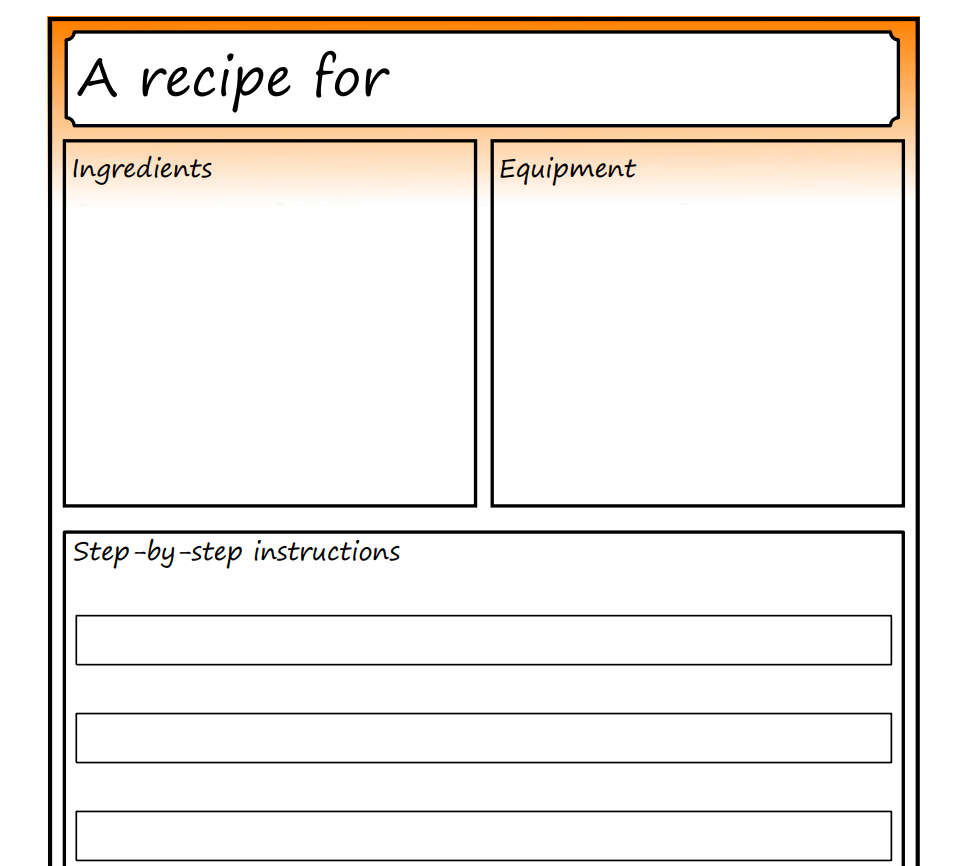
File Size: 139 KB
Basic Recipe Book Format
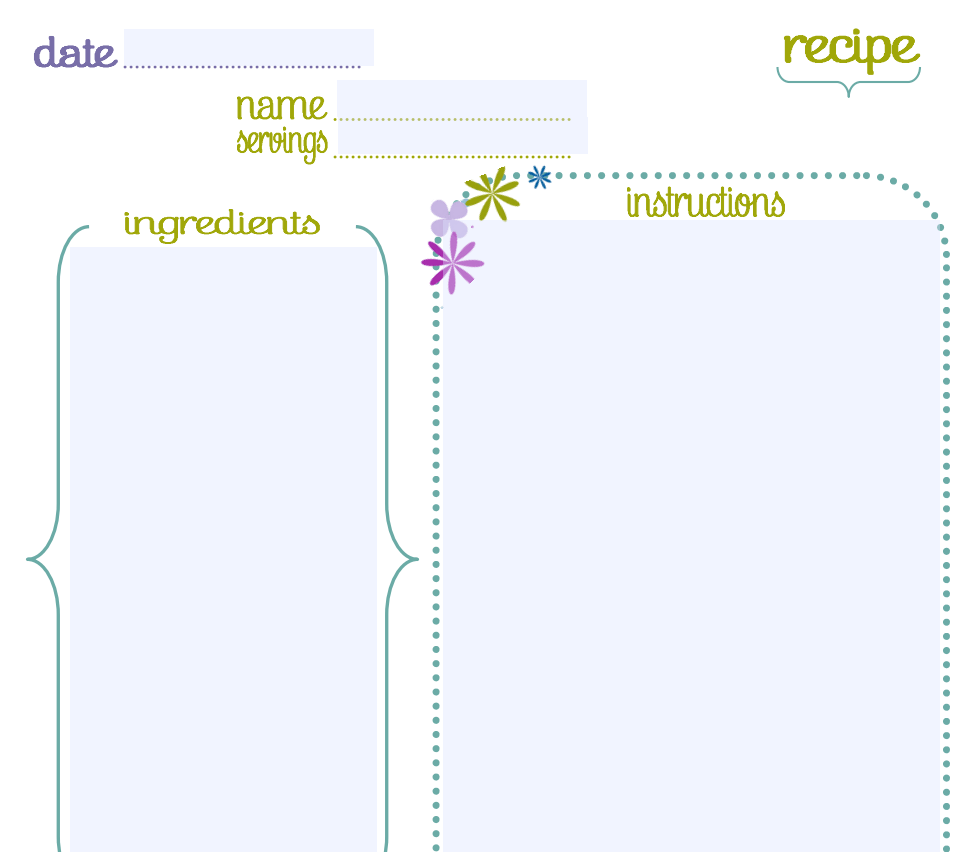
File Size: 756 KB
Digital Recipe Book Template
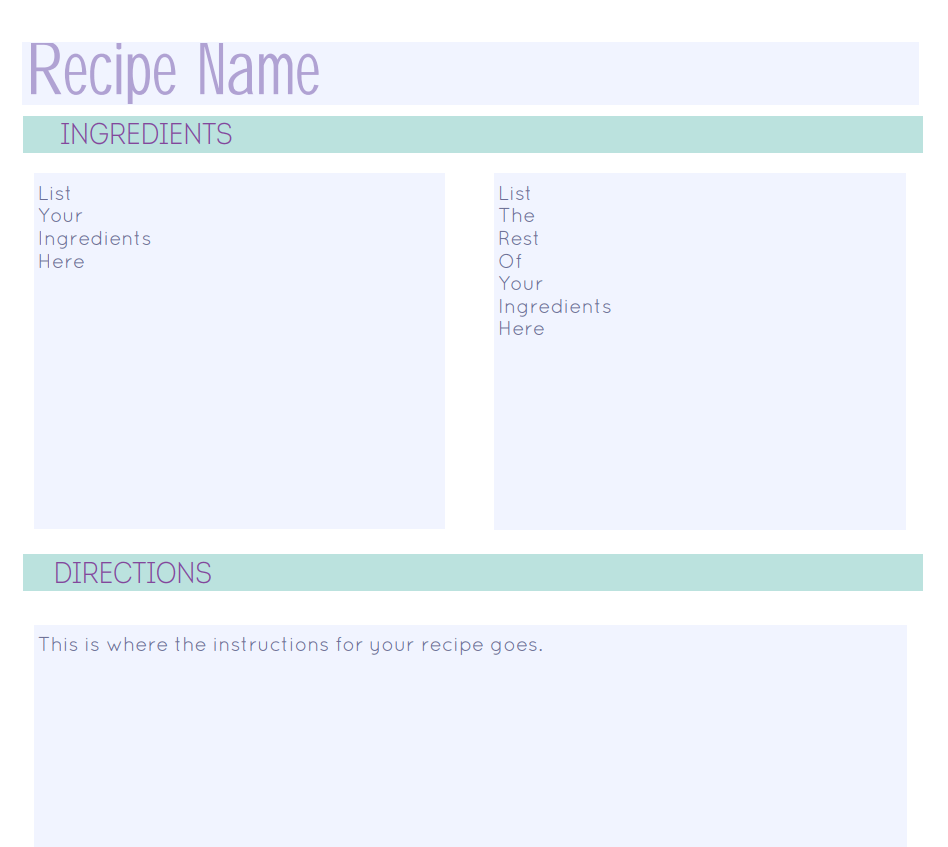
File Size: 398 KB
Personal Cookbook PDF Template
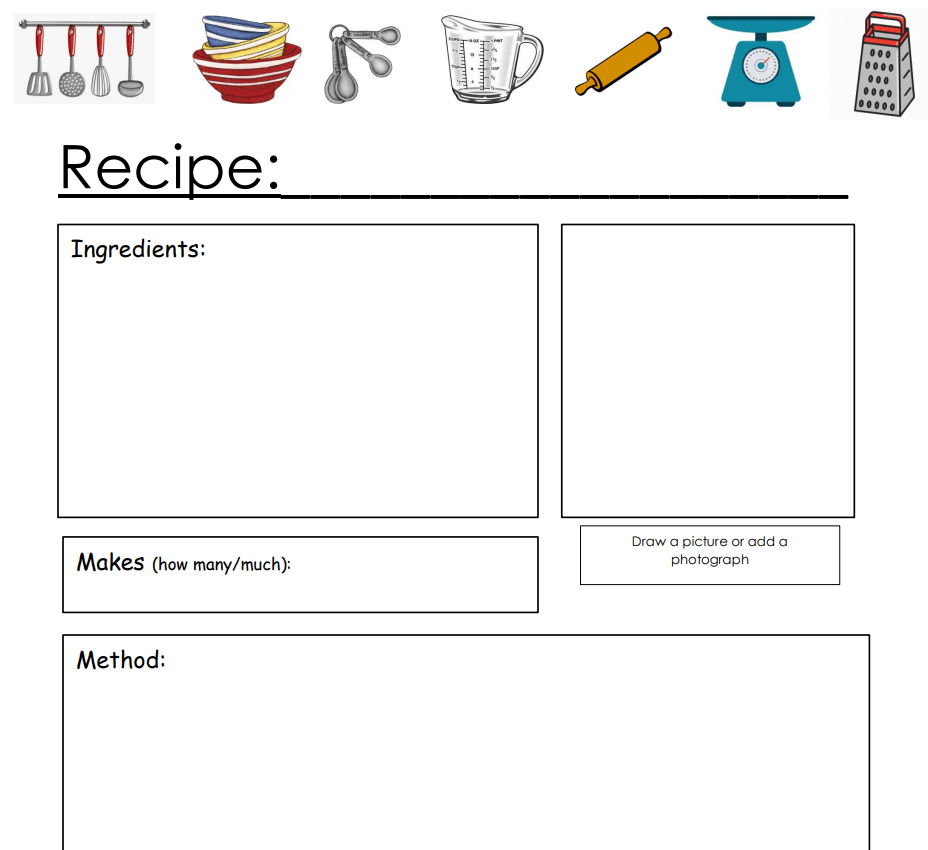
File Size: 301 KB
PDF Format for Recipe Book
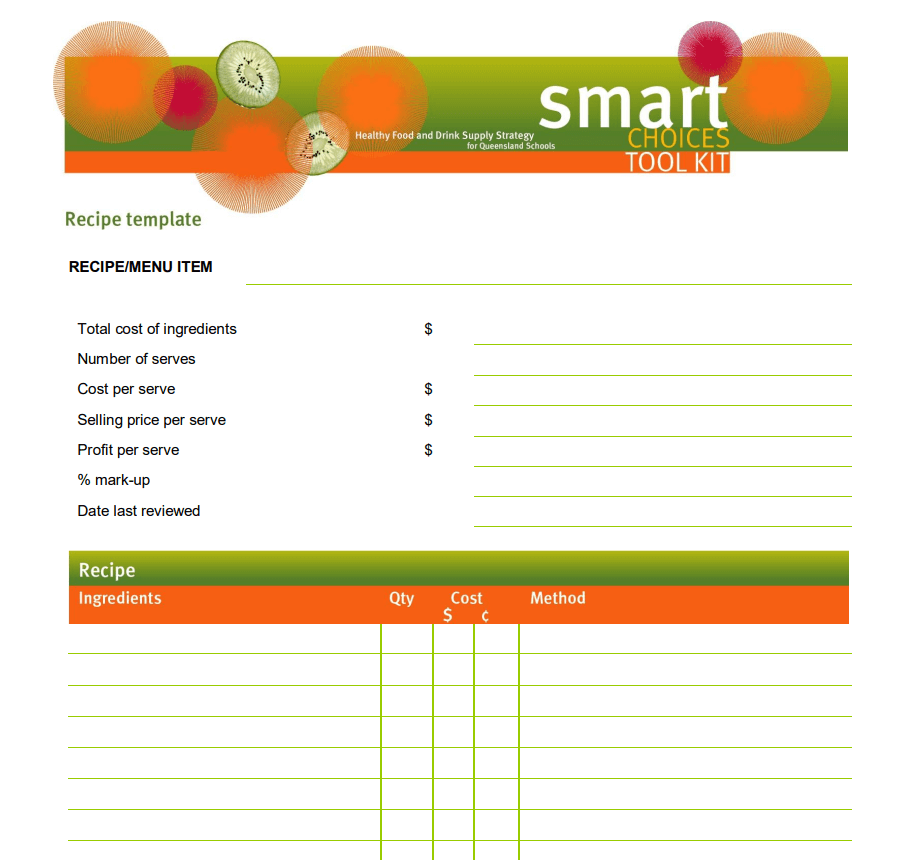
File Size: 80 KB
Recipe Card Sample Printable
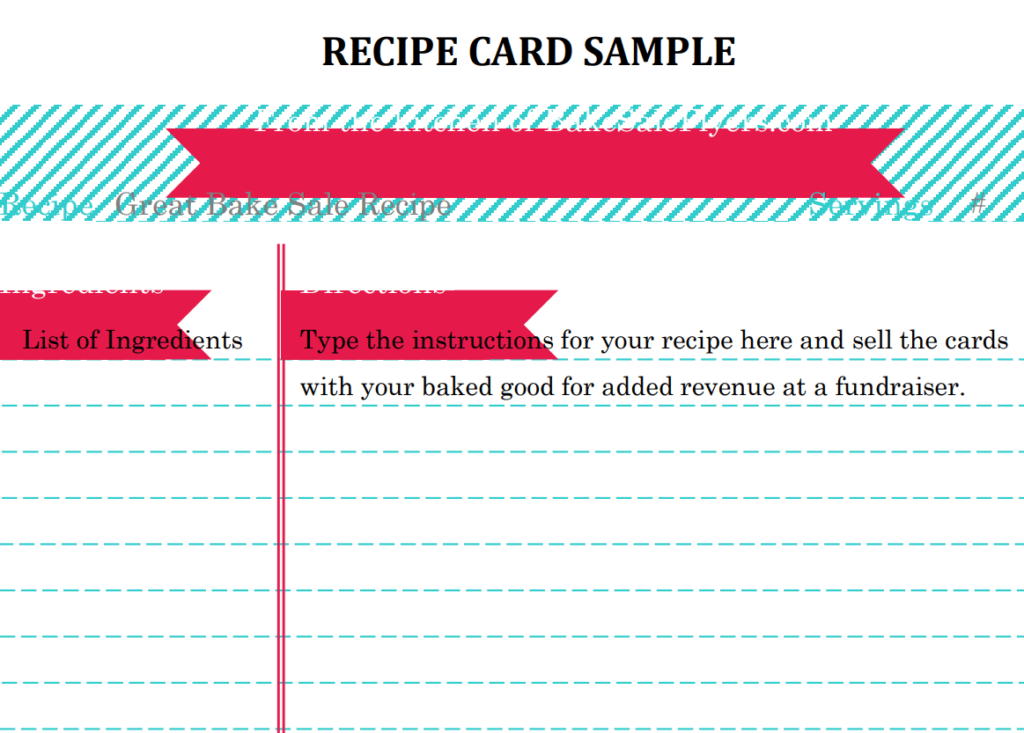
File Size: 124 KB
Capture a recipe as a complete set of instructions
Record a recognizable title, yield, ingredient quantities and a method in the order it is carried out. Include the equipment or preparation details that affect the process, such as the intended pan size or whether an ingredient is measured before or after chopping. Avoid relying on “the usual amount” if another person will use the recipe. Where the original author used an estimate, identify it as an estimate and test the recipe before presenting a more precise quantity. Keep personal comments separate from the steps someone needs while cooking.
Choose measurement conventions deliberately
Use units consistently and make the basis clear. A spoon, cup or package can mean different things to different readers. Do not convert quantities casually and assume the result will behave the same in every recipe. Where you offer an alternative measurement, verify it for the ingredient and process involved. Distinguish an optional ingredient from one that is part of the tested recipe. If the collection includes contributions from several people, agree an editing approach and ask about unclear quantities instead of silently guessing what the contributor intended.
Design the page for use at the kitchen counter
Readable type, clear ingredient lists and comfortably spaced steps matter when someone is following a recipe with busy hands. Keep key instructions together where possible and avoid placing the final cooking step on a distant page. Use photographs that help identify the finished dish or a difficult stage rather than crowding out the method. If you will print the book, check margins, page order and binding space. A PDF export should be reviewed after the content is complete because text or pictures may move during editing.
Keep the history while testing the practical details
A family note about the person who shared a recipe can sit alongside a tested cooking version. Record the contributor and any permission needed before publishing or distributing the collection. Keep track of the version you tested and the changes made. Do not add storage, allergy, nutrition or safety claims simply because a template has space for them. If such information is included, verify it using appropriate sources and make its scope clear. A recipe layout alone cannot establish that a dish is suitable for a particular dietary or medical need.
Turning a family note into a usable recipe page
A relative shares a handwritten cake recipe that says “one bowl of flour” and “bake until done.” The editor keeps a scan of the original note and asks about the bowl, pan and method. A test version records the measured quantities, pan size and observed process. A short family story stays in a separate note beside the recipe. If a result has not yet been tested, the page says so in the working collection instead of presenting a guessed conversion as established. This preserves the original contribution while making the practical recipe easier for another family member to repeat.
Before printing a recipe collection
- Check yield, quantities, ingredient order and all method steps.
- Resolve unclear units and untested changes with the contributor.
- Review page breaks and readability in the final export.
- Keep contributor credits and any relevant permissions with the project.
Related templates
Create a simple marker for frequently used recipes. bookmark templates.
For a separate food business project, keep customer prices outside the recipe instructions. price list templates.
Organize contributors or a shared cooking event with a sign-up sheet. sign-up sheet templates.
Frequently asked questions
Should I choose Word or PDF?
Word is useful when you need to edit text and page layout. A PDF is convenient for sharing a finished version. Check the actual download format before choosing your workflow.
Can I include handwritten family recipes?
You can preserve a scan and add a typed cooking version. Ask about unclear details and handle contributor permissions appropriately if the collection will be distributed.
Do the templates include tested recipes?
A layout or example does not establish that a recipe has been tested. Review the content in the file and verify the instructions for your intended collection.
How should I organize a cookbook?
Use categories readers will understand, such as meal type, occasion or family contributor. A consistent contents page and recipe titles can make a larger collection easier to navigate.
Can I add nutrition or allergy information?
Include only information you have appropriately verified and can describe accurately. Do not treat a blank field or a copied sample as evidence of nutritional or dietary suitability.
