
Before choosing a survey questionnaire example, write down the decision the answers should help you make. A survey about appointment times needs different questions from a survey about a new product. Without a clear purpose, it is easy to collect many answers that do not resolve the original question.
The 51 examples below provide structures you can inspect and adapt in Word. They cover different subjects and audiences, so treat their questions as prompts for review rather than a ready-made instrument that works unchanged for every group.
A useful questionnaire is understandable to the respondent and practical to analyze. Keep the introduction honest about the purpose, use questions people can actually answer, and decide how the responses will be recorded before sending the form out.
Draft the decision and the audience first
Describe the people whose experience you want to understand, the period you are asking about and the decision the results will inform. A customer who used a service last week can answer different questions from someone who has only seen an advertisement. Include a screening question when it is necessary to identify relevant experience, but avoid collecting details that have no role in the analysis. Be clear about whether the invitation is going to all customers, a particular group or a convenient sample. Those choices affect how you should describe the results later.
Ask one thing at a time
A question such as “Was the booking process quick and helpful?” combines two judgments. Someone may find it quick but not helpful. Separate the concepts if both matter to the decision. Use neutral wording that does not suggest the answer you want. Where a scale is used, label it consistently and provide response options that make sense for the question. Consider an appropriate “not applicable” option when people may lack the relevant experience. Do not force a respondent to choose a positive or negative opinion about something they have not used.
| Question problem | What to review |
|---|---|
| Two judgments in one question | Separate speed from helpfulness when both matter. |
| No relevant response option | Consider whether not applicable is needed. |
| An unexplained rating | Identify the subject and period being rated. |
Decide what the answer will mean
Closed questions make some comparisons easier, while open questions can reveal issues you did not anticipate. Choose each type for a reason. A rating without a clear subject or time period is difficult to interpret. For a repeated survey, keep important wording and response options stable enough to support the comparison you intend to make, and record meaningful changes. Decide how to handle incomplete responses before reviewing the results. A neat percentage should not hide a small response count or an unclear denominator.
Test the form with a few representative readers
Ask a small number of suitable readers to explain how they understood the questions. Notice where they hesitate, misread a term or need an option you did not provide. Check that the form order is logical and the completion instructions work. Remove unnecessary questions and estimate the completion time from actual use rather than a guess. If the questionnaire will be distributed electronically, test it in that delivery format too. A printed Word preview does not establish that an online survey has the same required fields or navigation.
Reworking a vague feedback question
A club wants to improve its evening activities. “How can we make the club better?” may produce useful comments, but it does not directly answer whether the start time is a problem. The organizer adds a question about which recent session the person attended, a neutral question about start-time suitability and an optional comment box. The report distinguishes the number of people invited from the number who replied. A few respondents requesting an earlier start are useful evidence for discussion, not proof that every member wants the same change. The questionnaire and the interpretation should both stay tied to the original decision.
51 downloadable examples and previews
Use the preview to compare the layout, then choose the download button for the actual file. Extract ZIP packages before opening them. Check the file format and contents before editing; a preview is not itself an editable document. Keep a blank original and save completed versions with clear filenames.
FREE Survey Questionnaire Examples in MS WORD
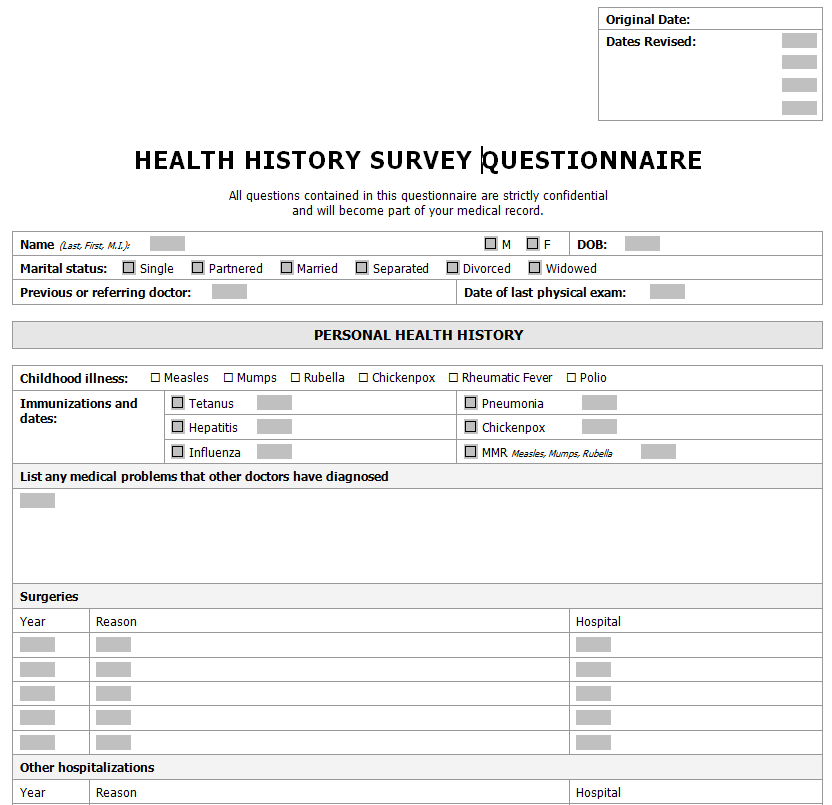
Health History Survey Questionnaire Example
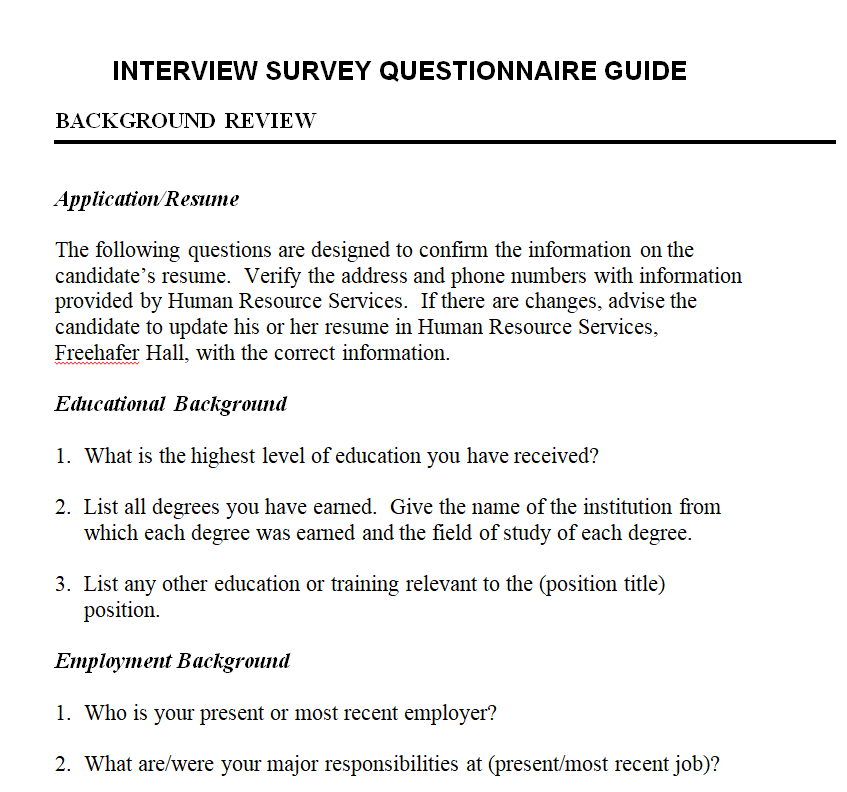
Interview Survey Questionnaire Guide
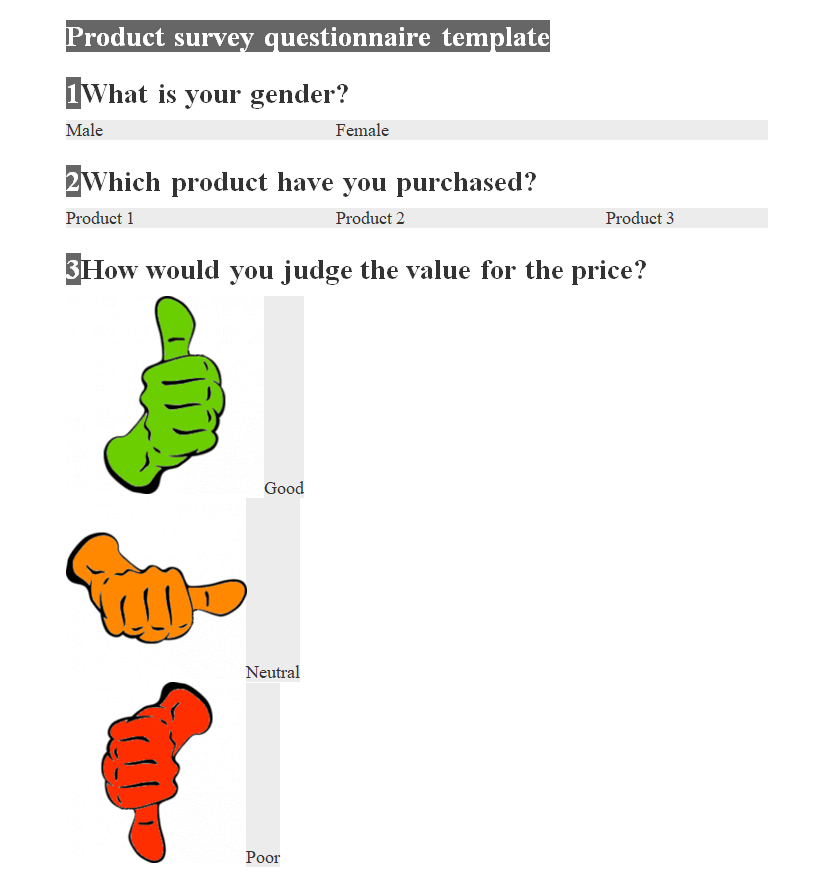
Product Survey Questionnaire Template DOC
File Size: 106 KB
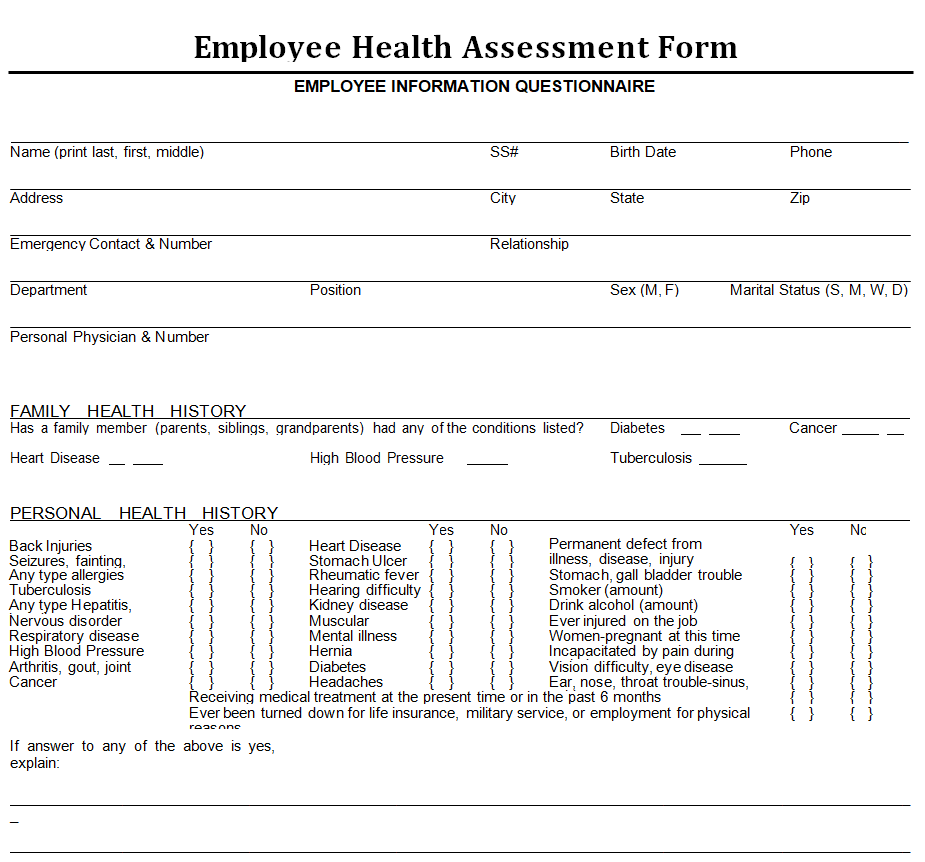
Employee Health Survey Questionnaire Form
File Size: 43 KB
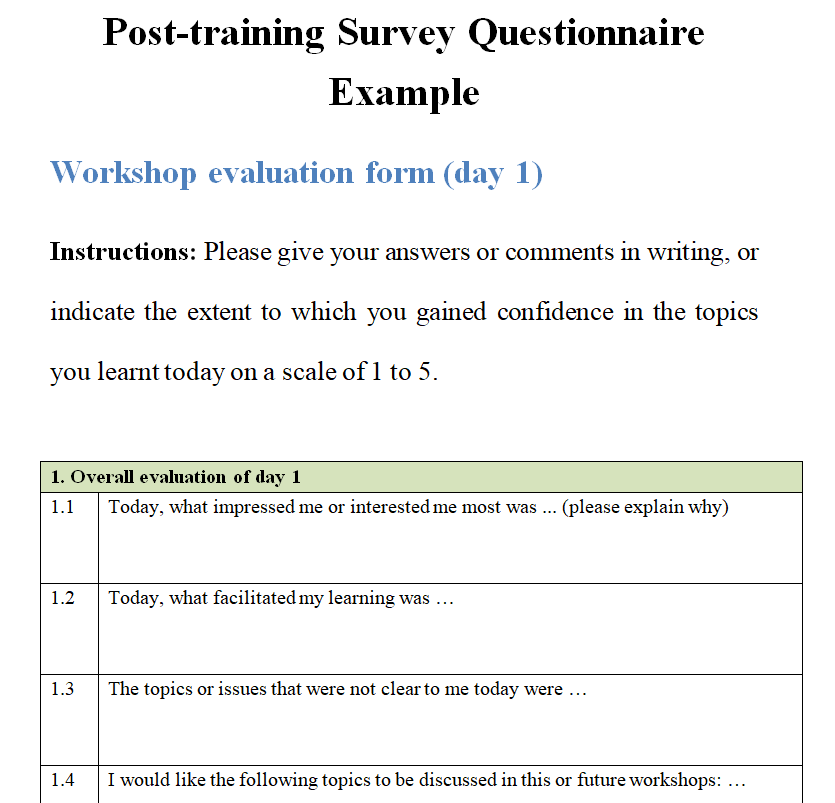
Post-Training Survey Questionnaire Example
File Size: 21 KB
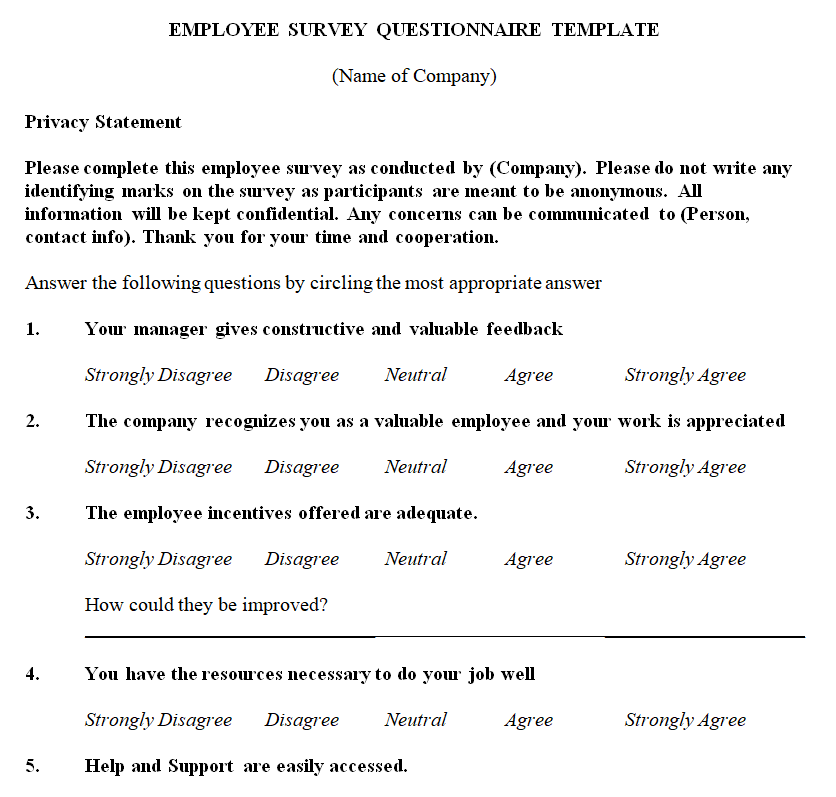
Employee Survey Questionnaire Word Template
File Size: 23 KB
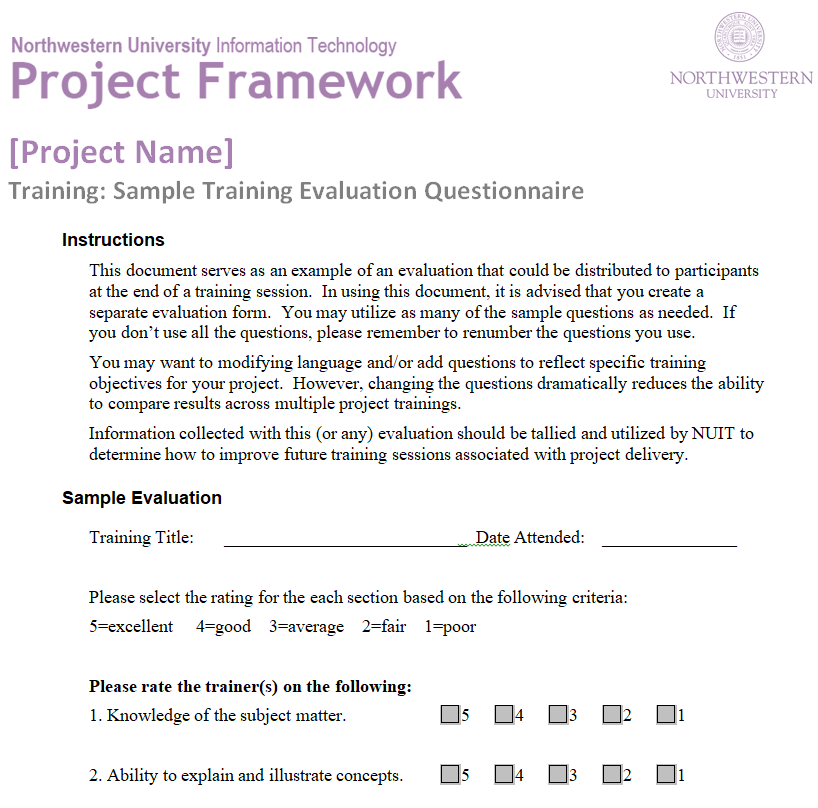
Training Evaluation Questionnaire Example Word
File Size: 77 KB
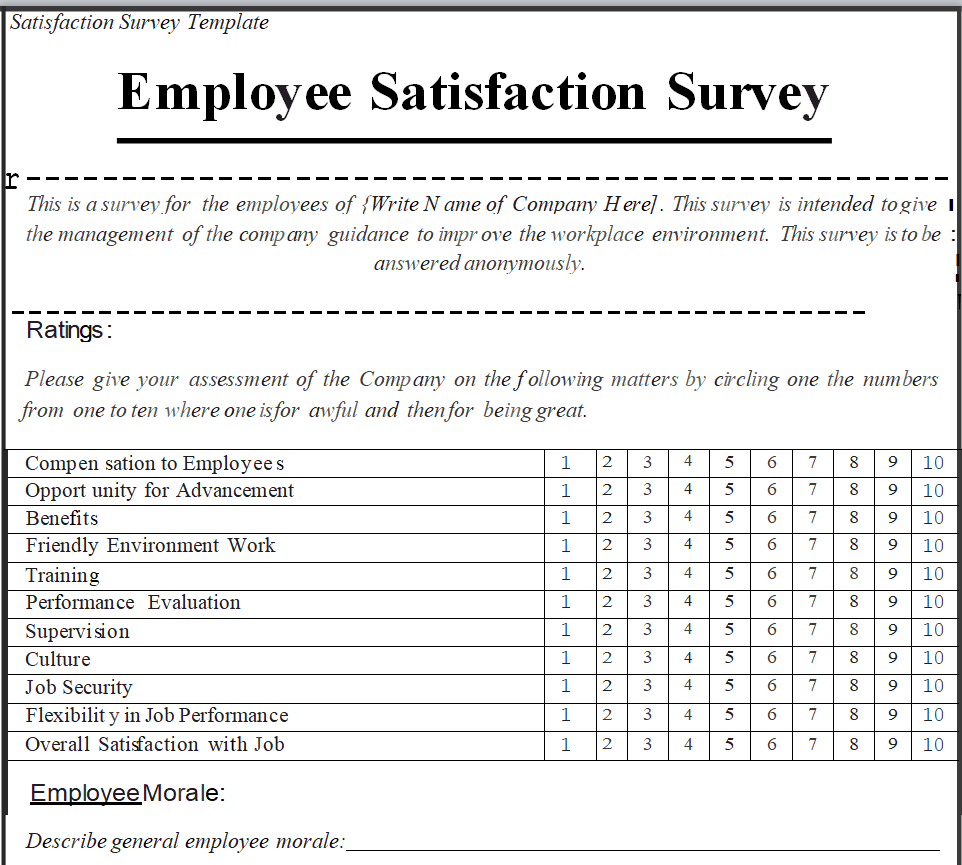
Detailed Employee Satisfaction Survey Questionnaire Example
File Size: 21 KB
Sample Group Fitness Survey Questionnaire Example
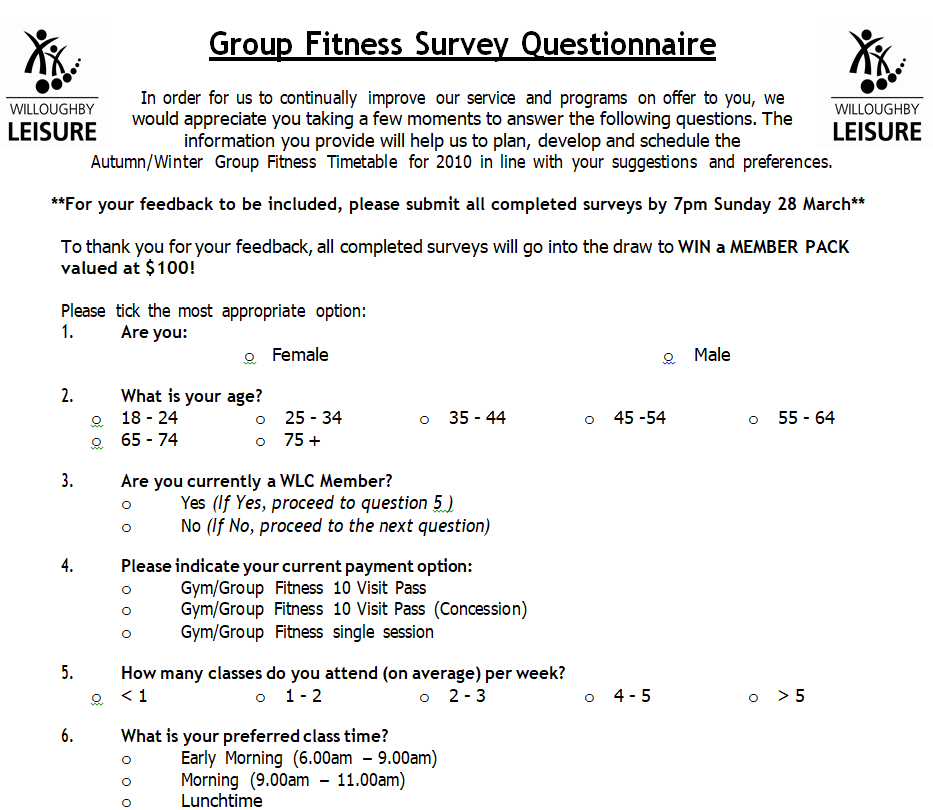
File Size: 83 KB
Job Satisfaction Survey Questionnaire Example in MS WORD
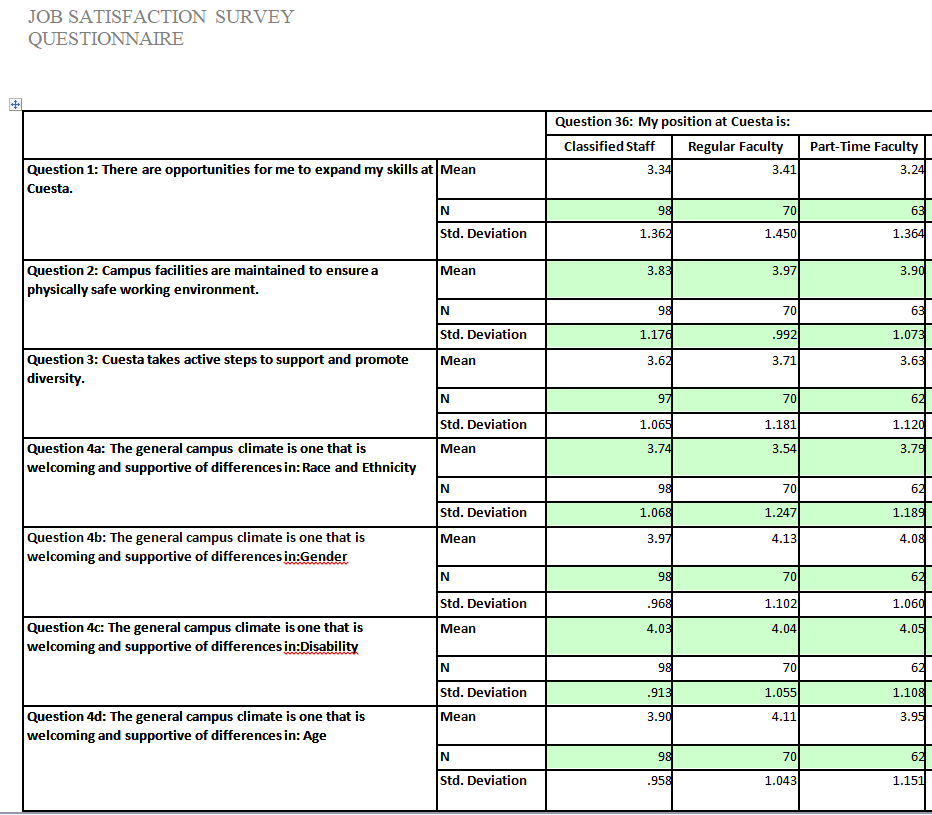
File Size: 251 KB
Blank Survey Questionnaire Example Format
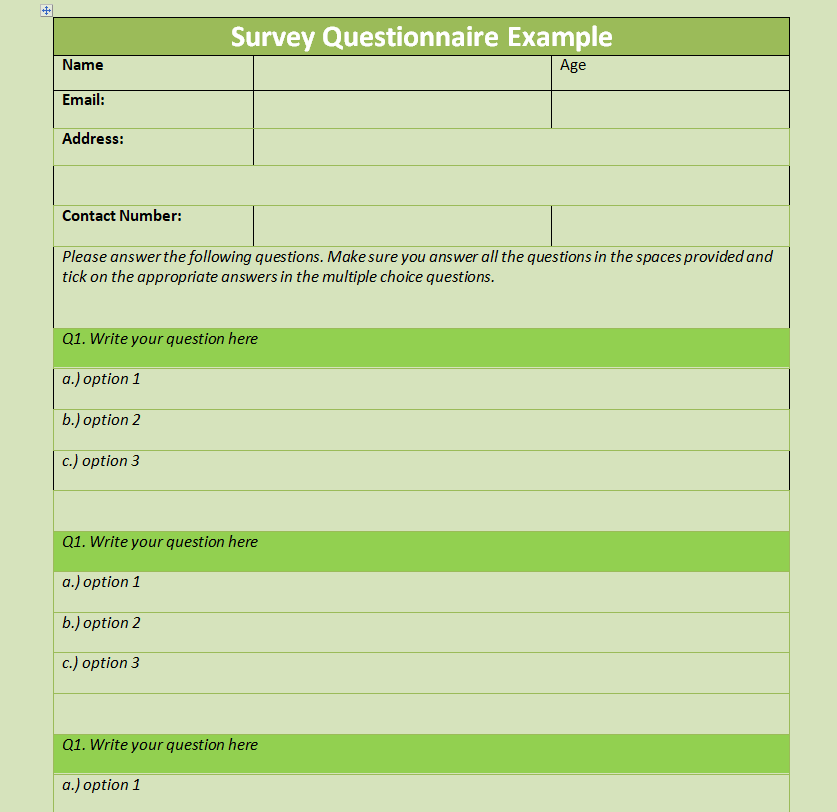
File Size: 13 KB
Health Survey Questionnaire Sample Free Download
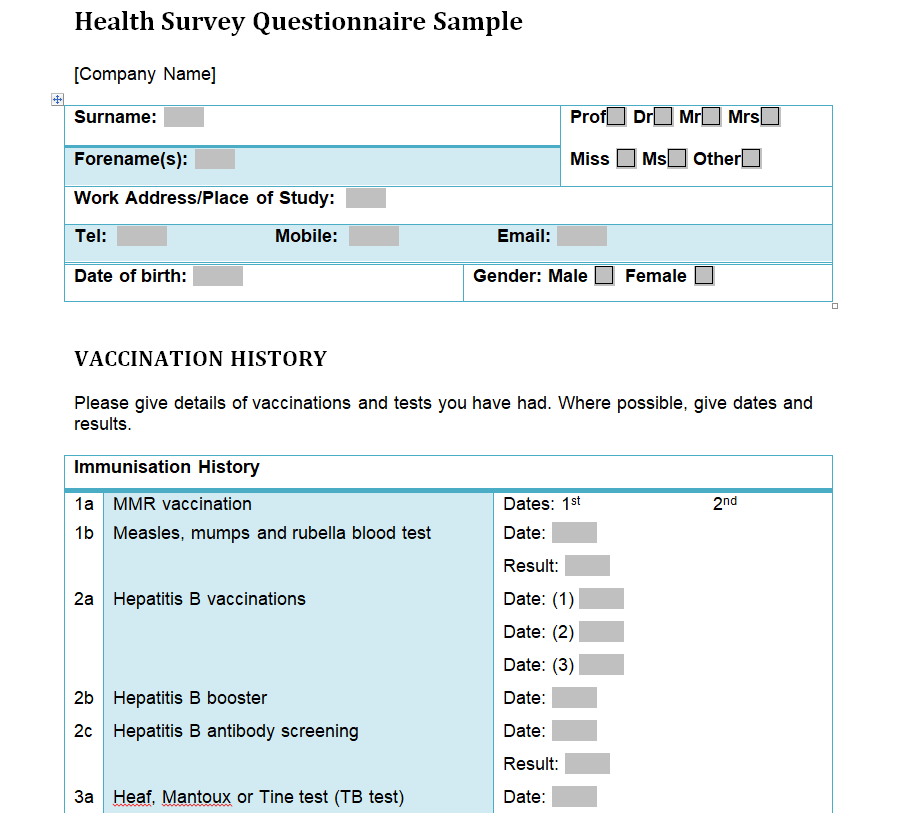
File Size: 23 KB
Medical User Survey Questionnaire Example
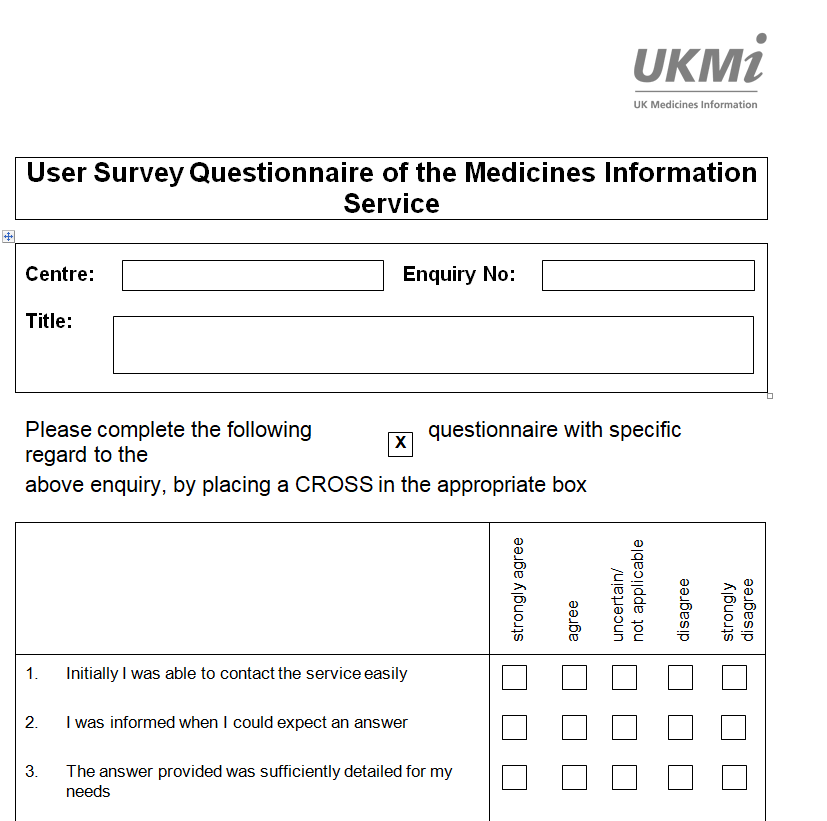
File Size: 18 KB
What is a Survey Questionnaire?
A survey questionnaire is a document that is designed by an organization in order to collect feedback about its products or services or the work they are doing. By ‘work’ it means that for instance, let’s assume if an NGO wants to get feedback on their charitable work, they can create a survey questionnaire template and distribute it to their contributors to get their feedback.
Conducting a survey is important for every type of organization. This lets them know their current status or position and increases the chances to improve their products or services. There are a lot of ways in which organizations can get feedback. For instance, feedback can be obtained from customers or clients via phone calls, website surveys, or customer feedback emails. You can also check customer feedback email templates.
However, using a survey questionnaire is the most common way to get feedback. The questionnaire is designed in such a way that it helps you collect all the necessary information with ease. Feedback can be obtained from clients, customers, employees, investors, or any other stakeholders. The design of the questionnaire mainly depends upon two things. The first thing is the audience and the second thing is the type of information you want to collect from that audience.
Government agencies and departments often use questionnaires to conduct different types of surveys. Such questionnaires are carefully designed as their purpose is to collect information or feedback from the public at large. The issuance of government funds or government programs for the welfare of the public usually depends upon the insights obtained from survey questionnaires.
Handy Survey Questionnaire Templates DOC
New Product Survey Questionnaire Template
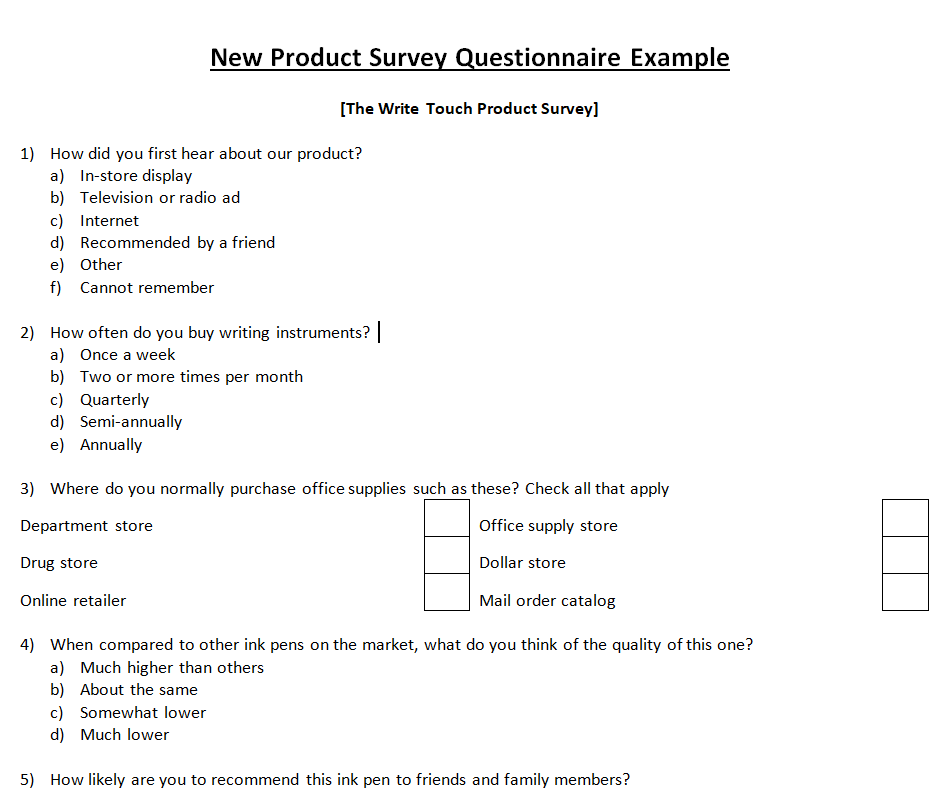
File Size: 14 KB
Fillable Consumer Survey Questionnaire Sample
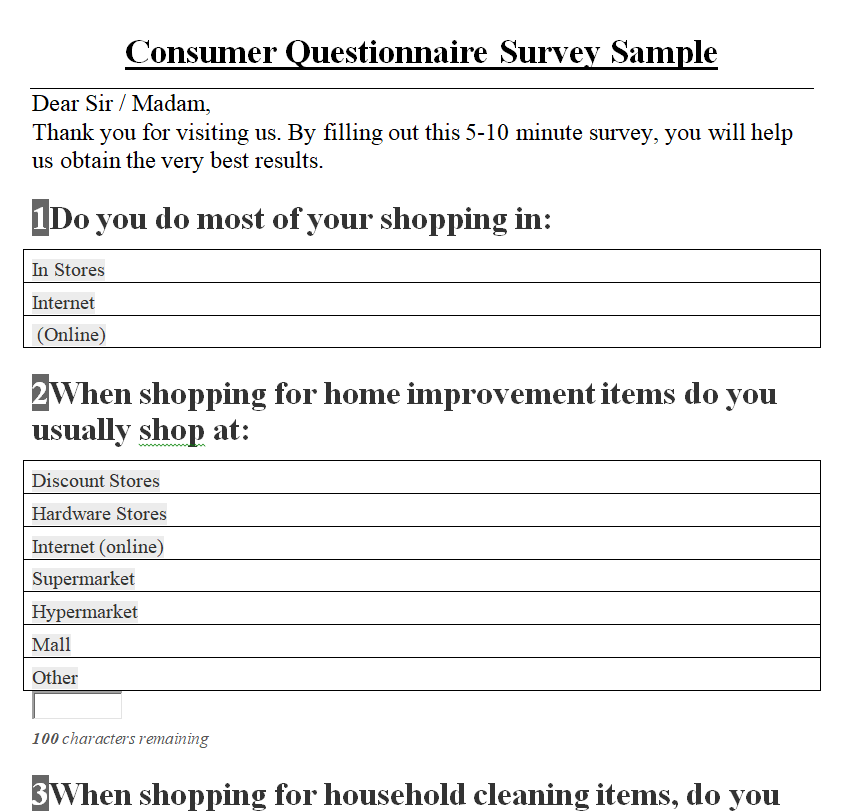
File Size: 18 KB
Official Telephone Survey Questionnaire Template
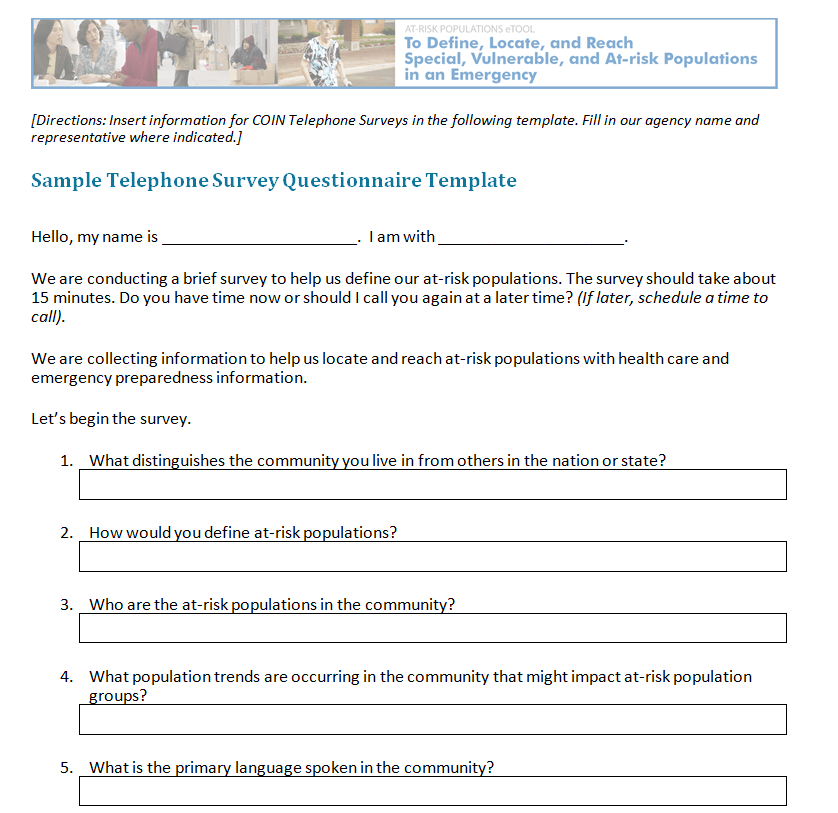
File Size: 509 KB
Employee Benefits Survey Questionnaire Word Template
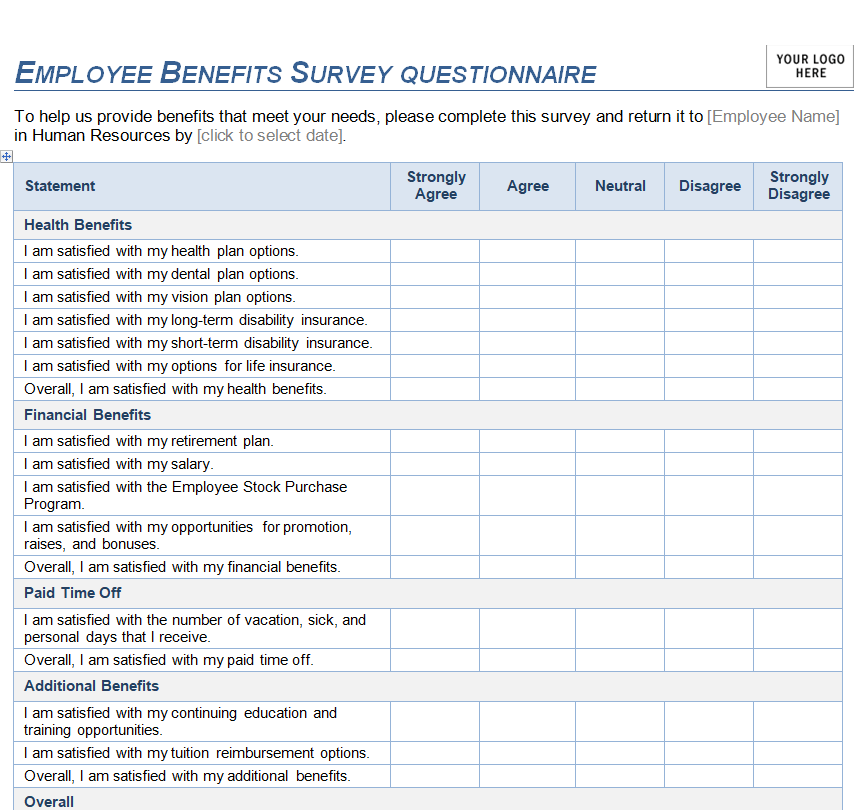
File Size: 25 KB
Library Users Survey Questionnaire Example
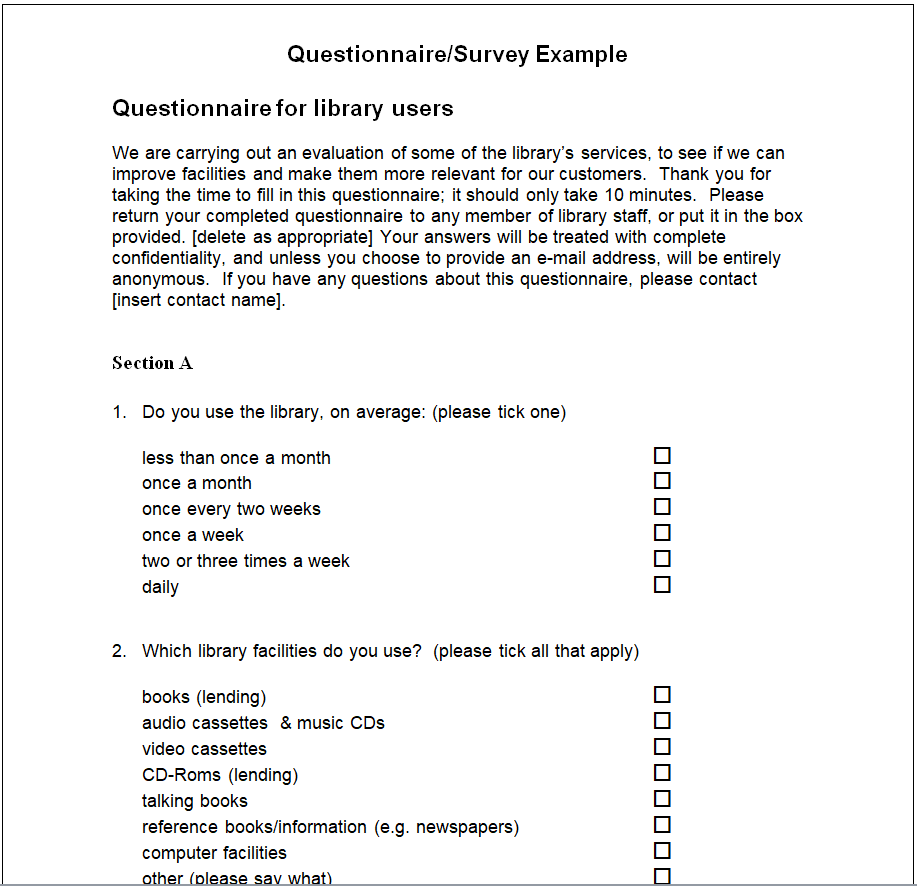
File Size: 23 KB
Employees Job Satisfaction Survey Questionnaire Template
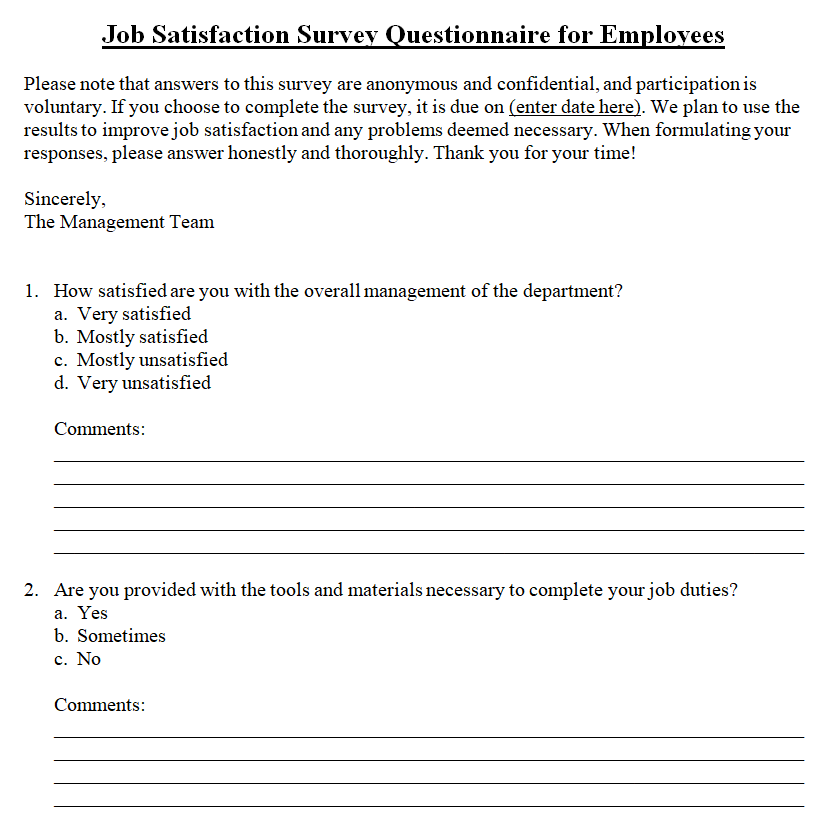
File Size: 08 KB
Company’s Survey Questionnaire Template for Product Development
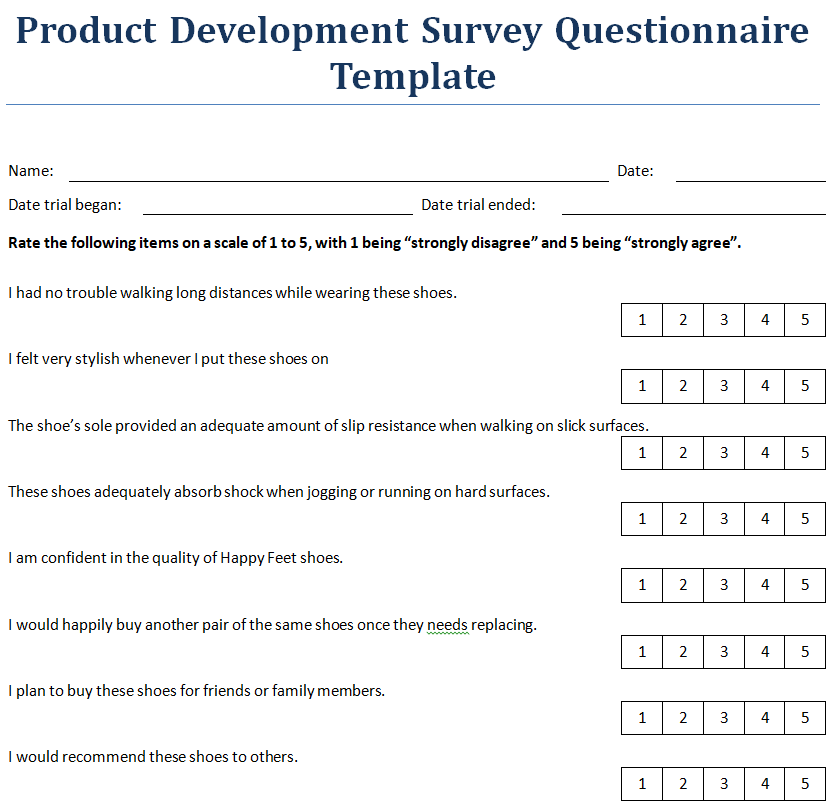
File Size: 21 KB
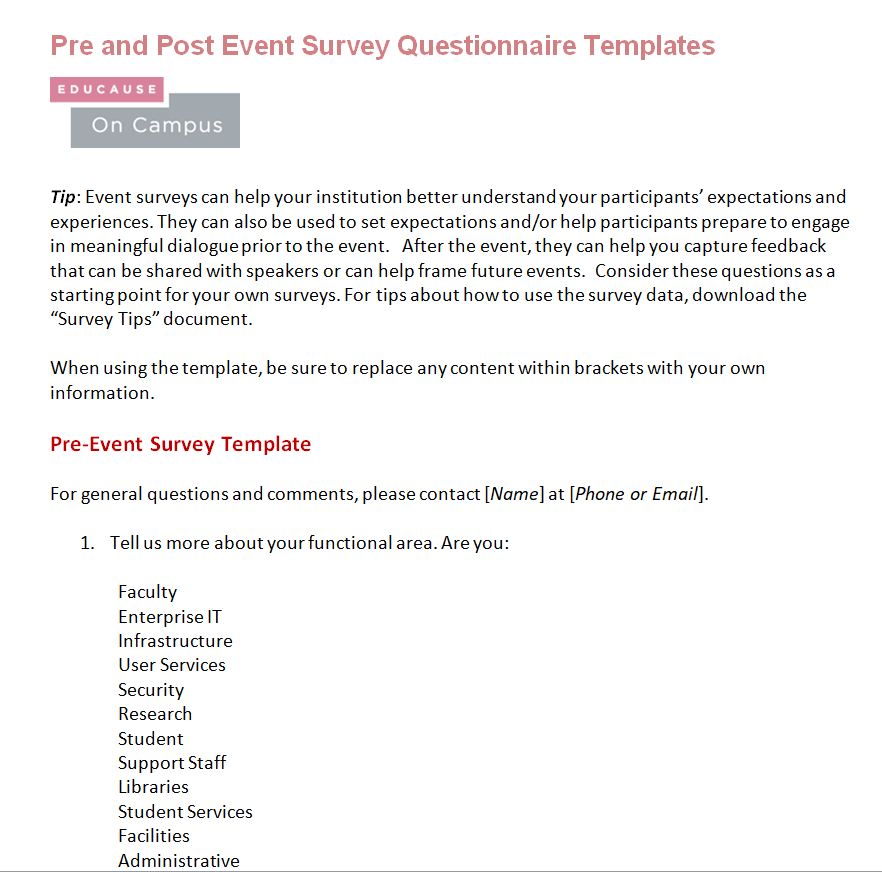
Pre and Post Event Survey Questionnaire Templates
File Size: 30 KB
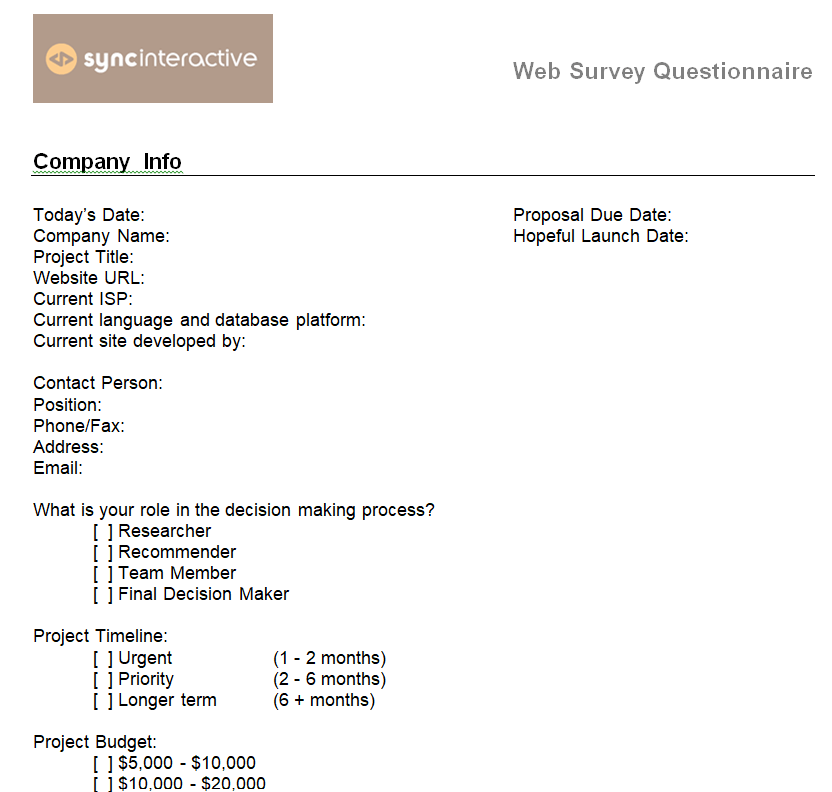
Company’s Website Survey Questionnaire Template in Word
File Size: 57 KB
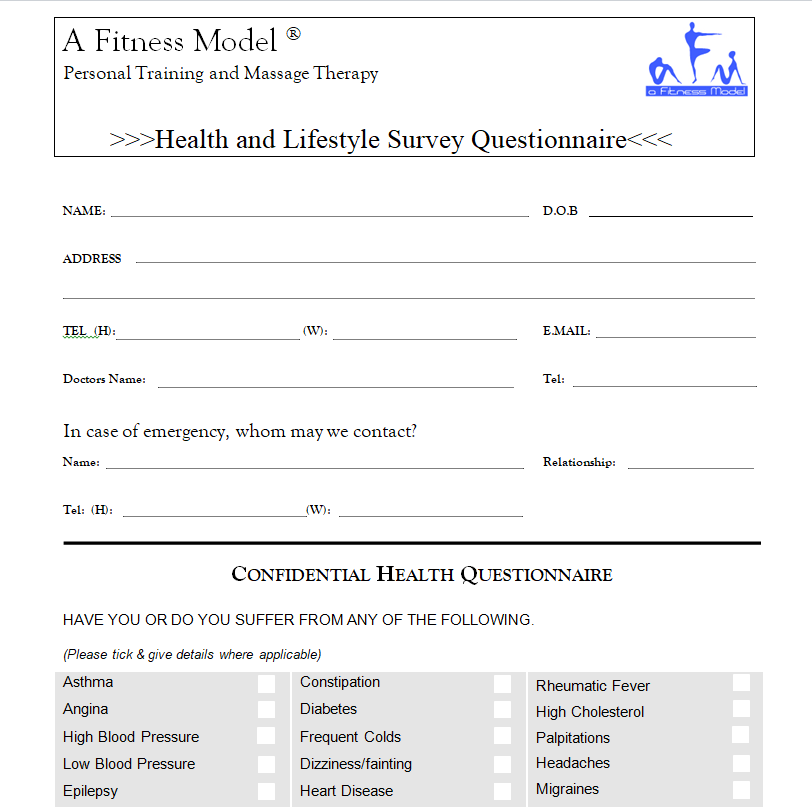
Health & Lifestyle Survey Questionnaire Example
File Size: 256 KB
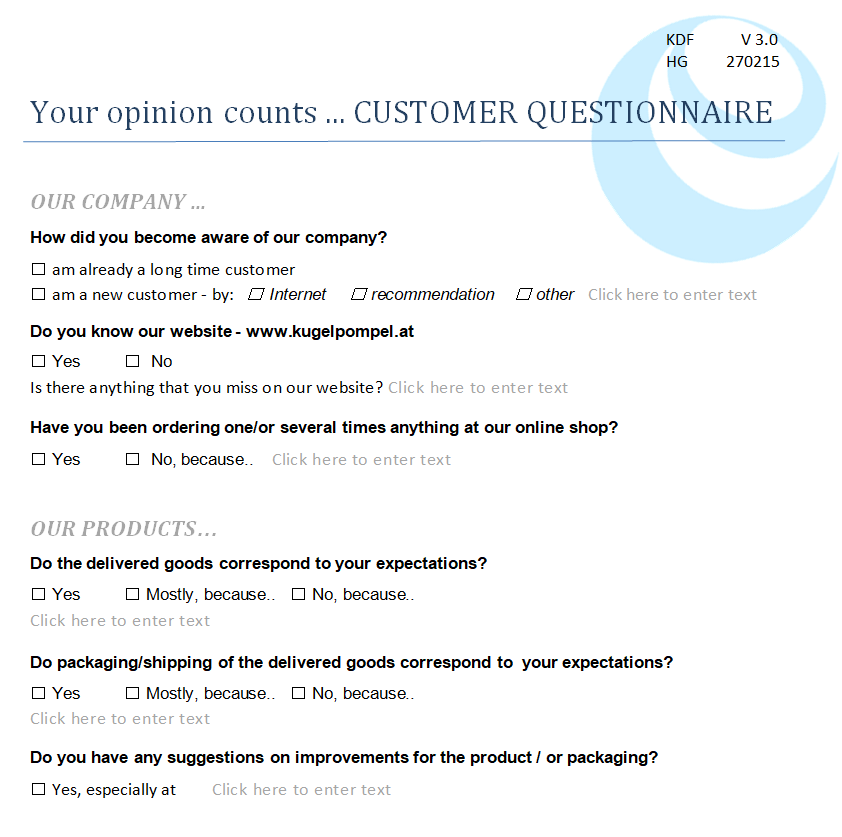
Special Customer Survey Questionnaire Template
File Size: 51 KB
Government Survey Questionnaire Example Word
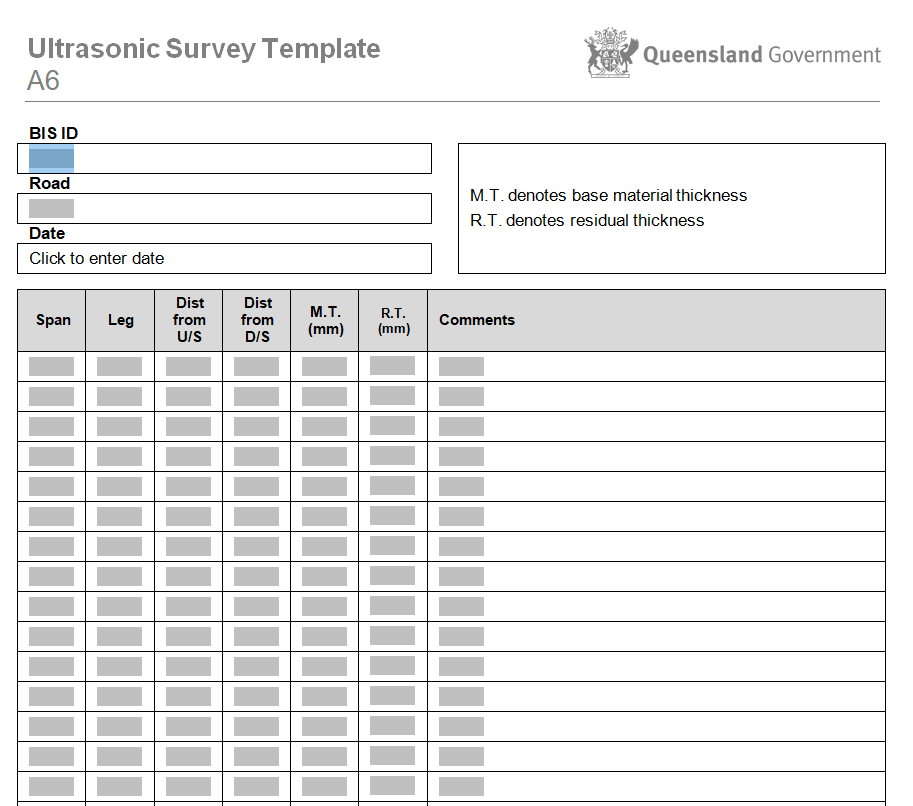
File Size: 108 KB
Fitness Center Satisfaction Survey Questionnaire Template
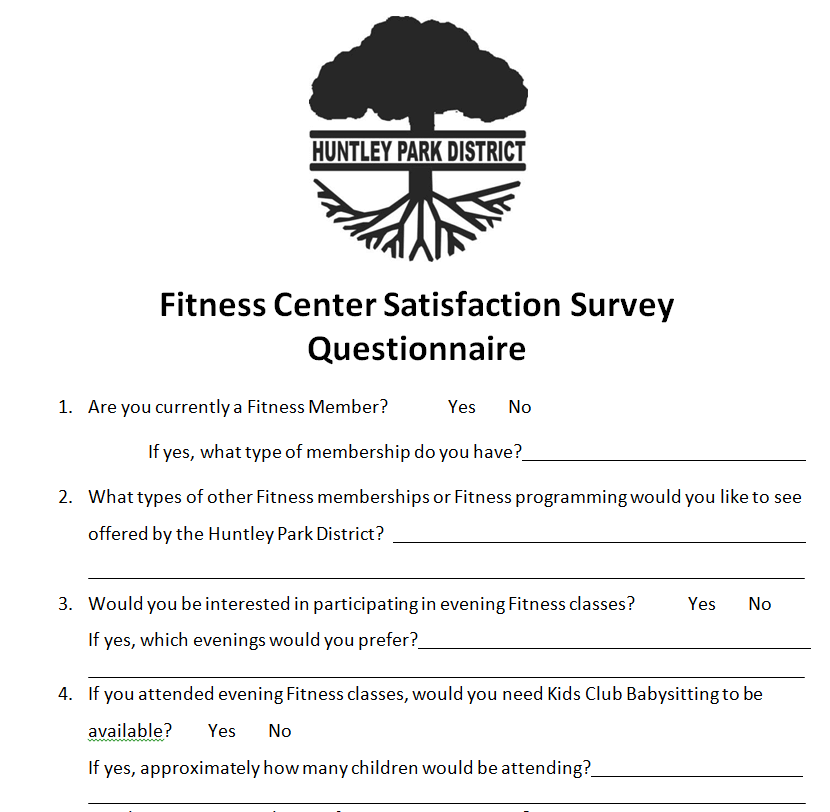
File Size: 41 KB
Tips to Create a Useful Survey Questionnaire
Now that you know what is a survey questionnaire, you might be wondering how to create or design one. For this purpose, you can also use the survey questionnaire templates available on the internet. Or you can also consider using the survey questionnaire examples that are available here on this page.
However, if you opt for creating a survey questionnaire yourself, here are a few quick tips that you must keep in mind:
- First things first, your questions should be direct, concise, and straightforward.
- Draft your questions by keeping your audience in mind. Try to make your survey questionnaires audience-friendly.
- Always ascertain carefully whether or not each and every question you ask is truly necessary.
- You should be clear in your mind with regard to the use of information that will be gathered as a result of any such questionnaire. By information, it means the answers of your audience.
- You should also be specific about the length of your survey questionnaire. Try to keep it to one page or limit it to 10 to 12 questions. This will likely to increase the response rate of your questionnaire.
- To get more responses and effective feedback, you can also offer some incentives or rewards to the respondents.
- Make sure to ask each question separately. Try not to include two questions (even if they are short questions) in a single question as it might distort the purpose of the questionnaire.
- Decide how you would like your audience to answer your questions. The most basic way of doing that is to provide three or four options for the respondent to choose one from them. However, if you want your respondents to provide their feedback by writing, then make sure to provide a space of one or two lines where they can write their answers.
- The time at which you are sending the questionnaire also matters a lot. For example, if you are sending a survey questionnaire at the time of Christmas vacation, chances are high that you will get a very low response rate. So, make sure to select the timing of sending your questionnaire very carefully.
- Always make sure that your survey questionnaire designers are experts in their work. Also, the designers must have enough knowledge and experience related to the industry to which your organization belongs.
- You can also get a survey questionnaire sample of your competitors. The sole purpose of this act should be to get inspiration or ideas only and not to copy the information on the questionnaire.
- To create an effective questionnaire quickly and easily, you can always use an editable questionnaire template. Doing so will help you create a survey questionnaire with minimal effort. You can also check the free survey questionnaire examples in Microsoft word format that are given here on this page.
Best Survey Questionnaire Samples in Word
Client Satisfaction Survey Questionnaire Sample
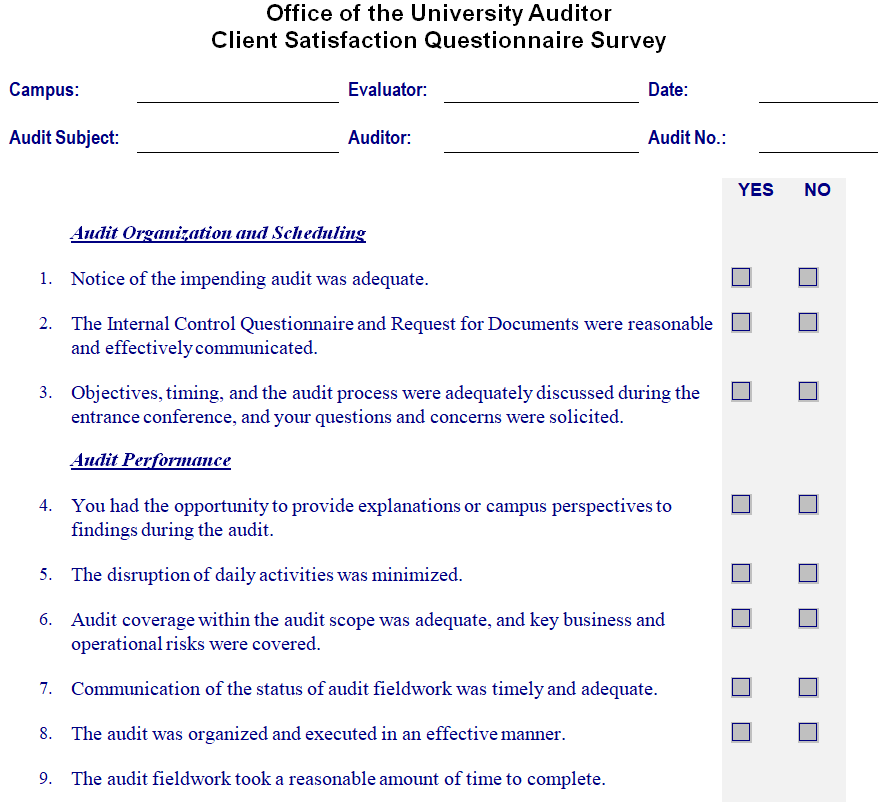
File Size: 16 KB
Product Satisfaction Survey Questionnaire in DOC Format
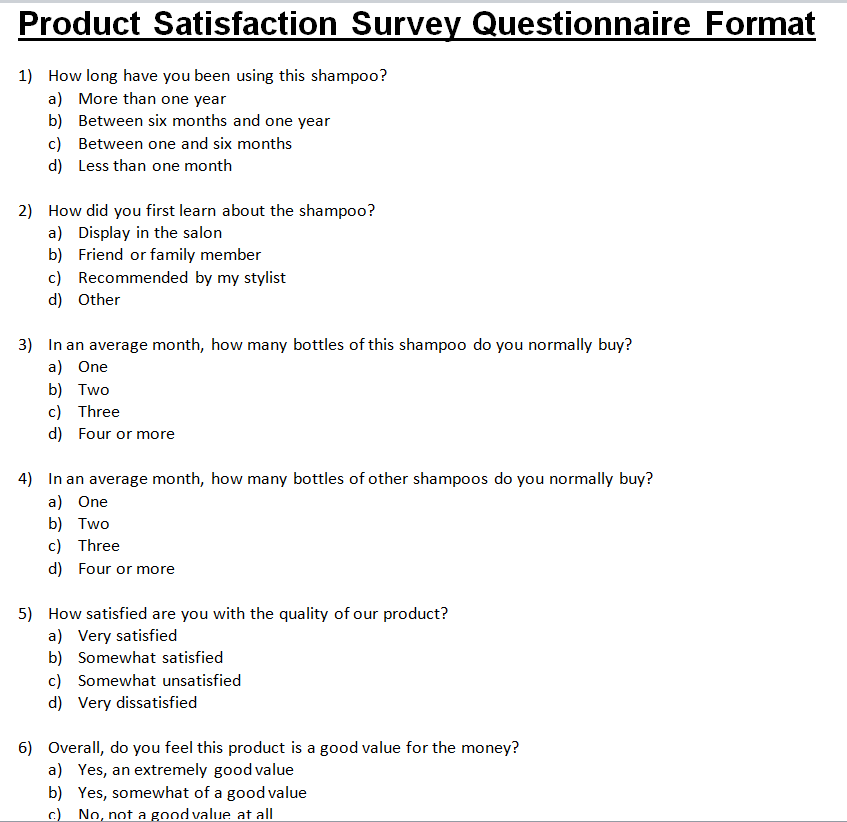
File Size: 18 KB
Enterprise Customer Satisfaction Survey Questionnaire Sample
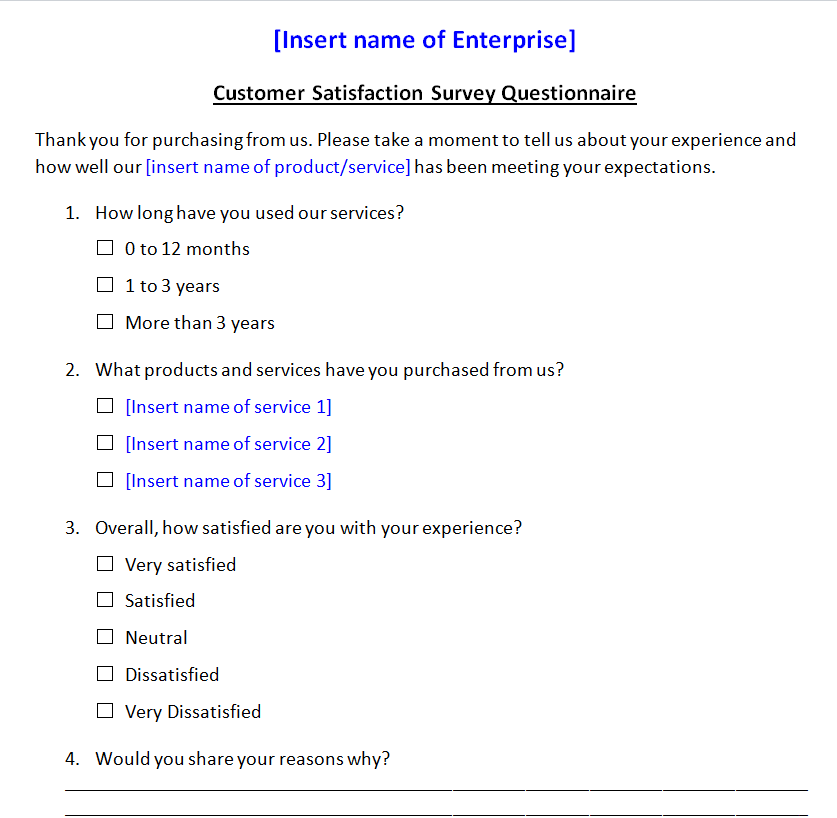
File Size: 10 KB
School Travel – Parent Survey Questionnaire Sample Word
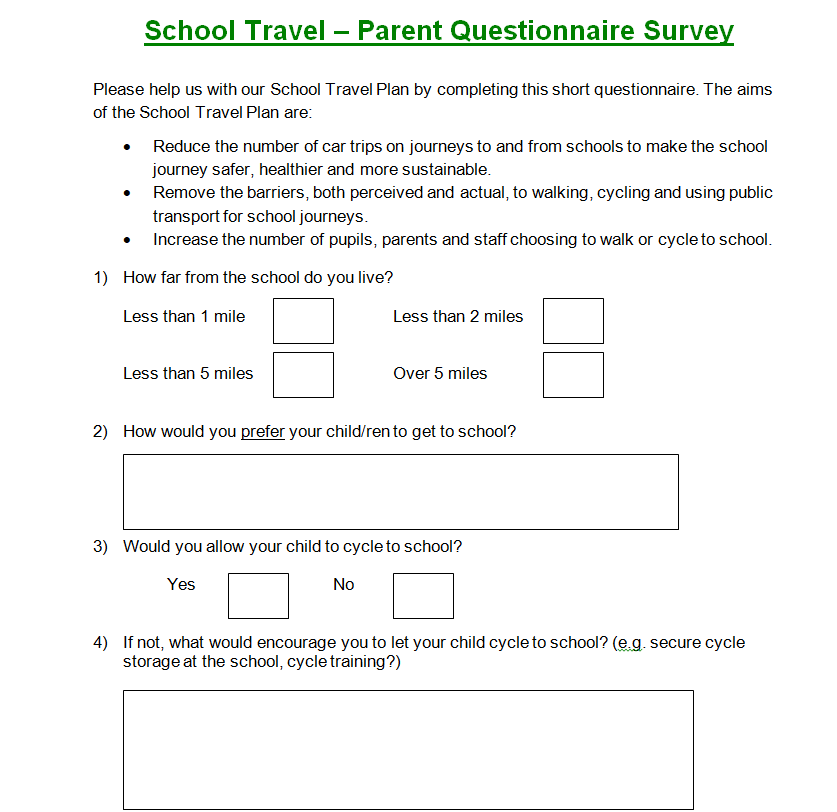
File Size: 08 KB
Sample Compensation Survey Questionnaire Template
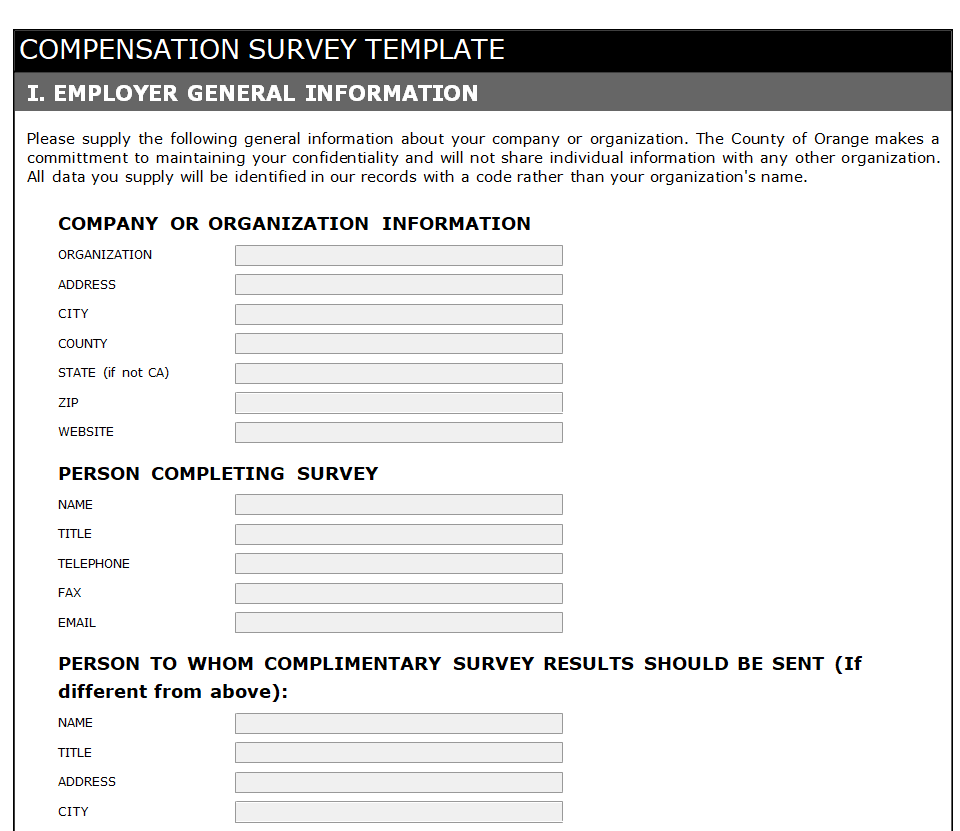
File Size: 30 KB
Simple Customer Satisfaction Survey Questionnaire Example
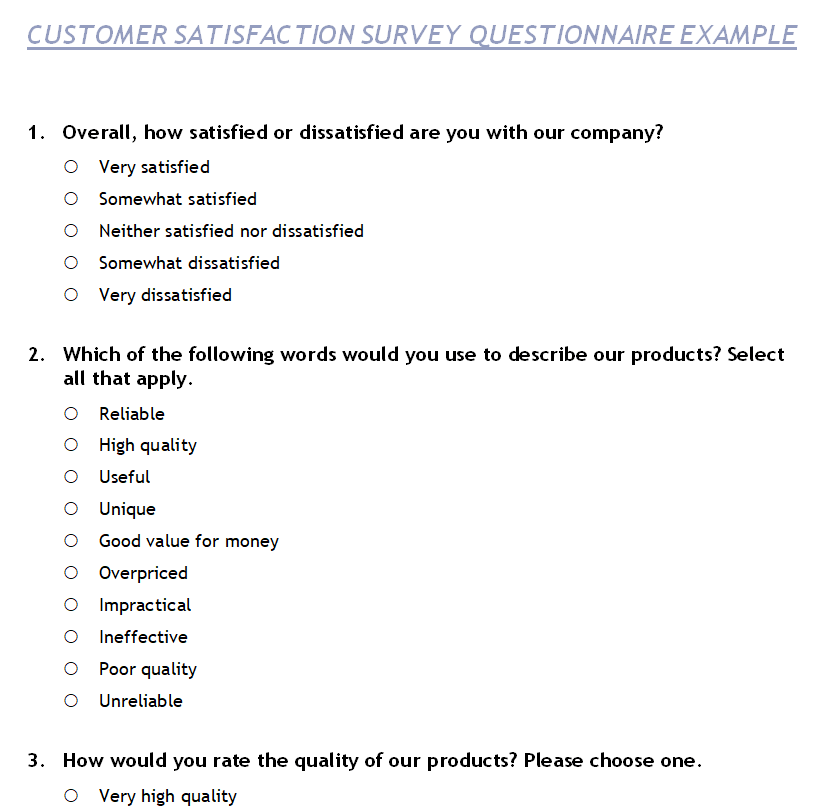
File Size: 42 KB
Useful Event Survey Questionnaire Template
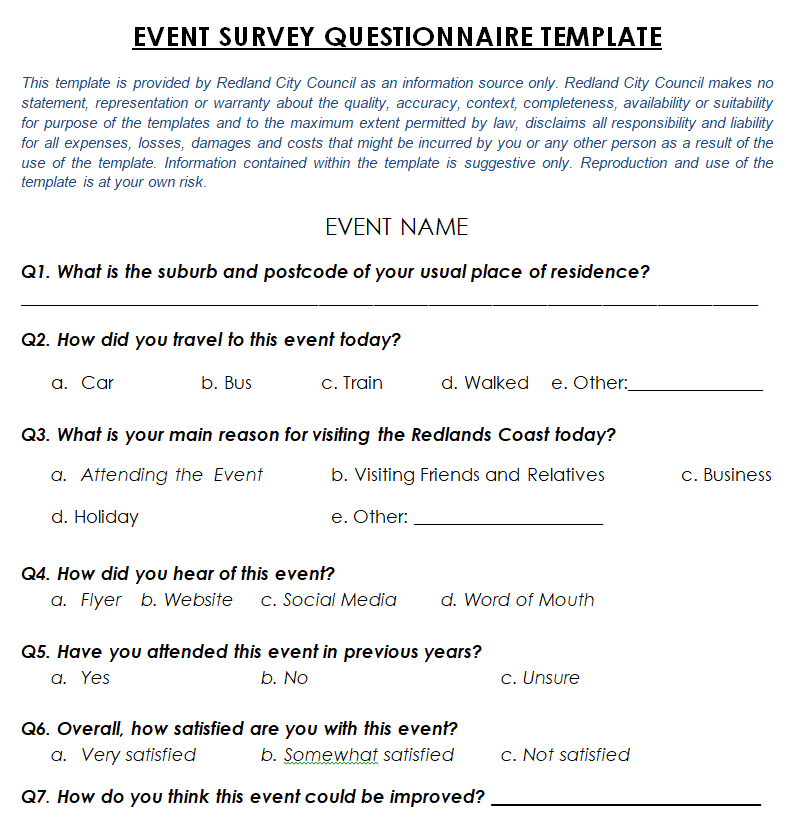
File Size: 22 KB
Basic Customer Satisfaction Survey Questionnaire Sample DOC
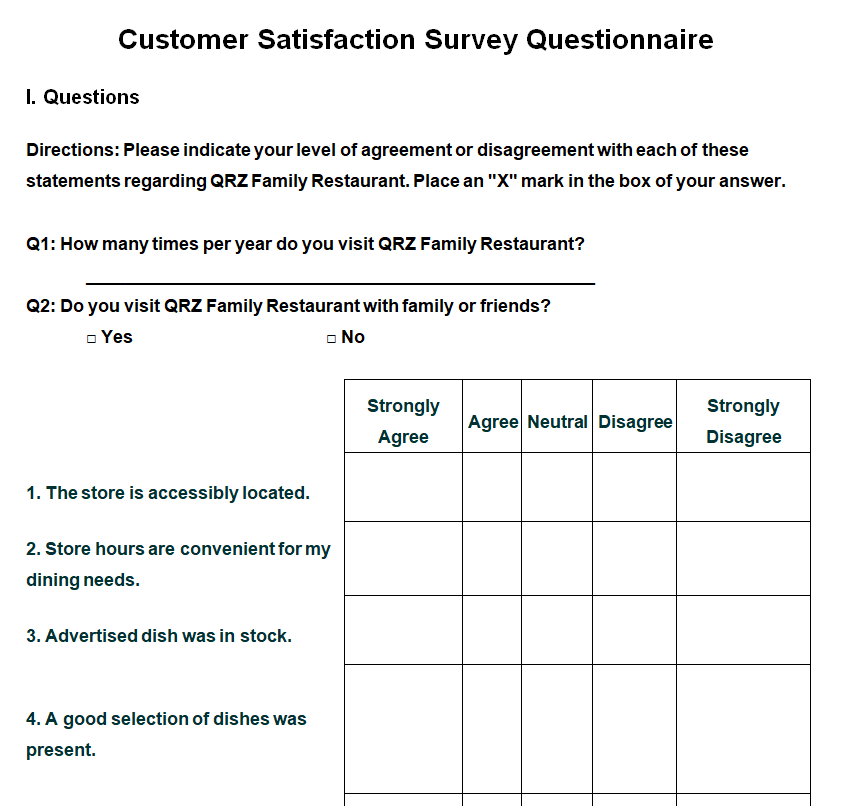
File Size: 15 KB
Pre-Employment Medical Survey Questionnaire Word Template
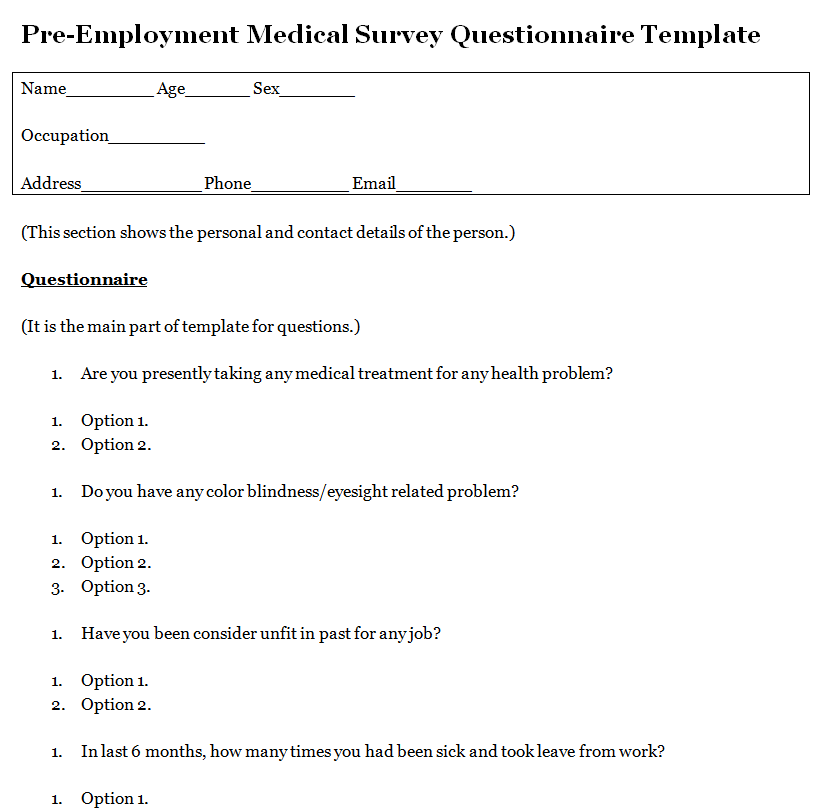
File Size: 13 KB
Elementary Student Survey Questionnaire Sample
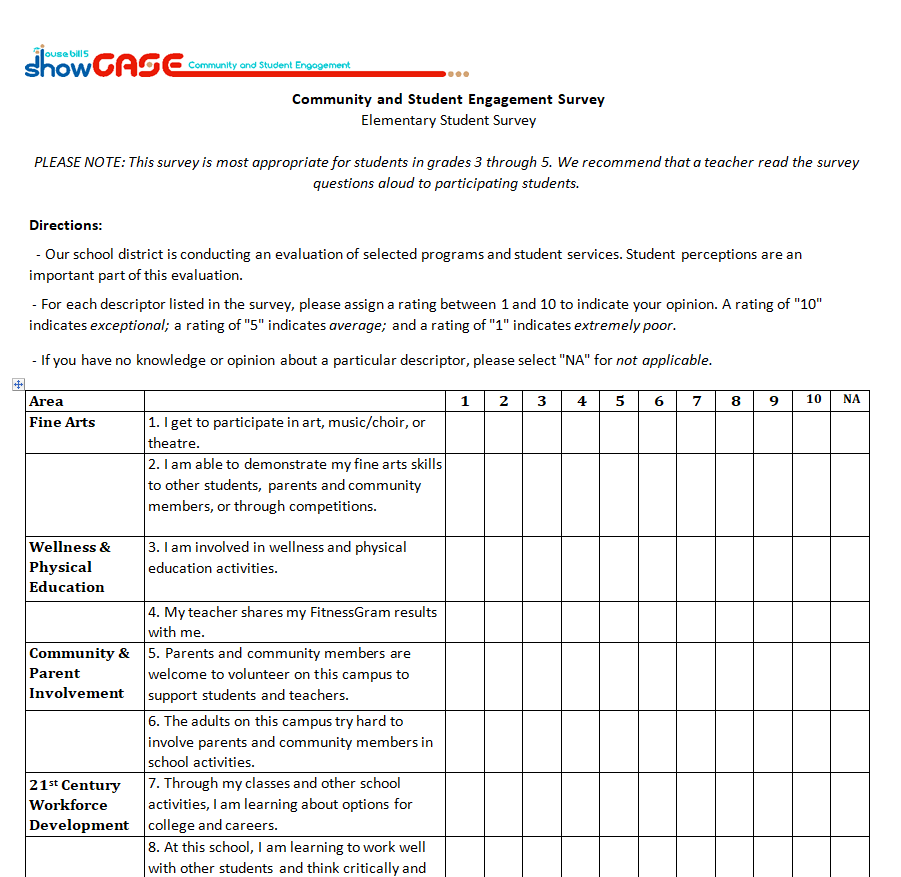
File Size: 12 KB
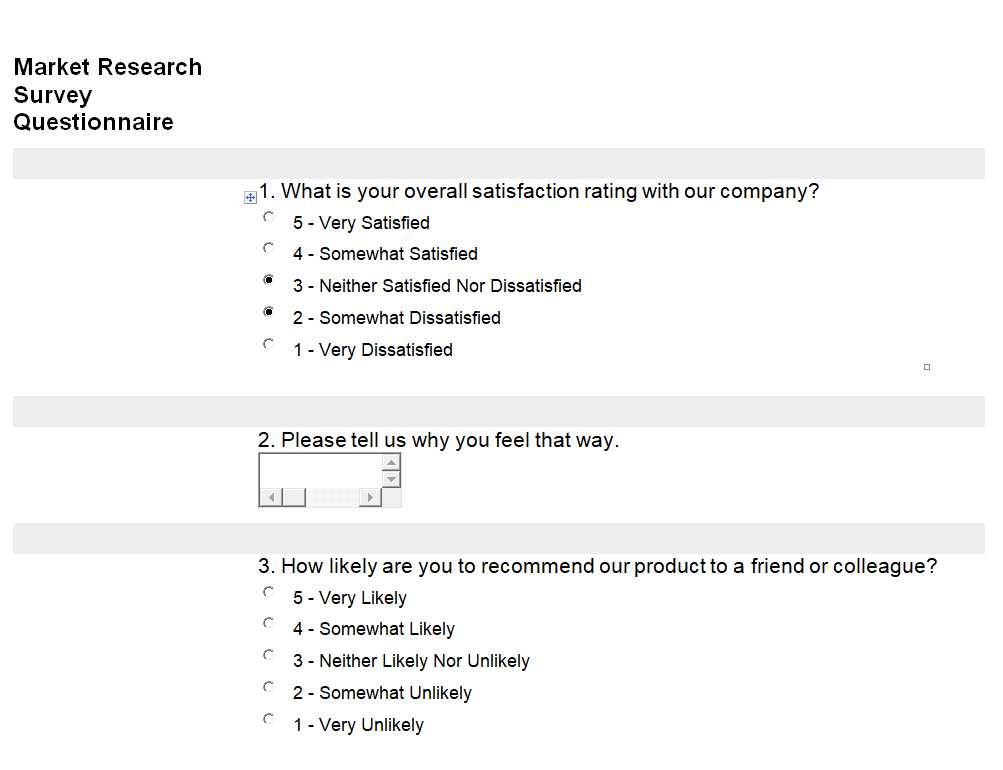
Market Research Survey Questionnaire Word Sample
File Size: 34 KB
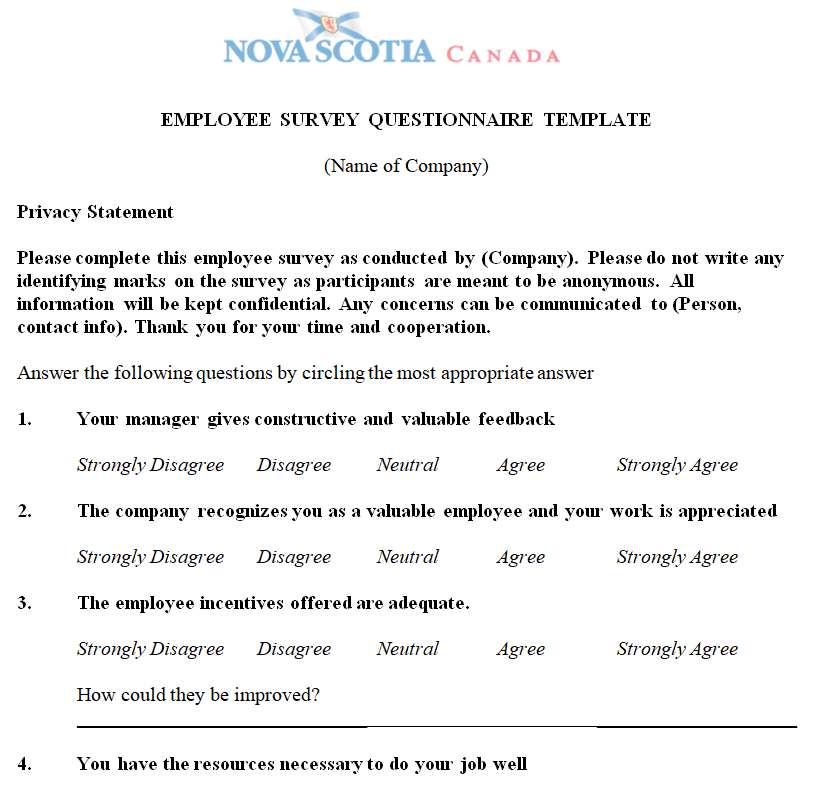
Editable Employee Survey Questionnaire Template
File Size: 14 KB
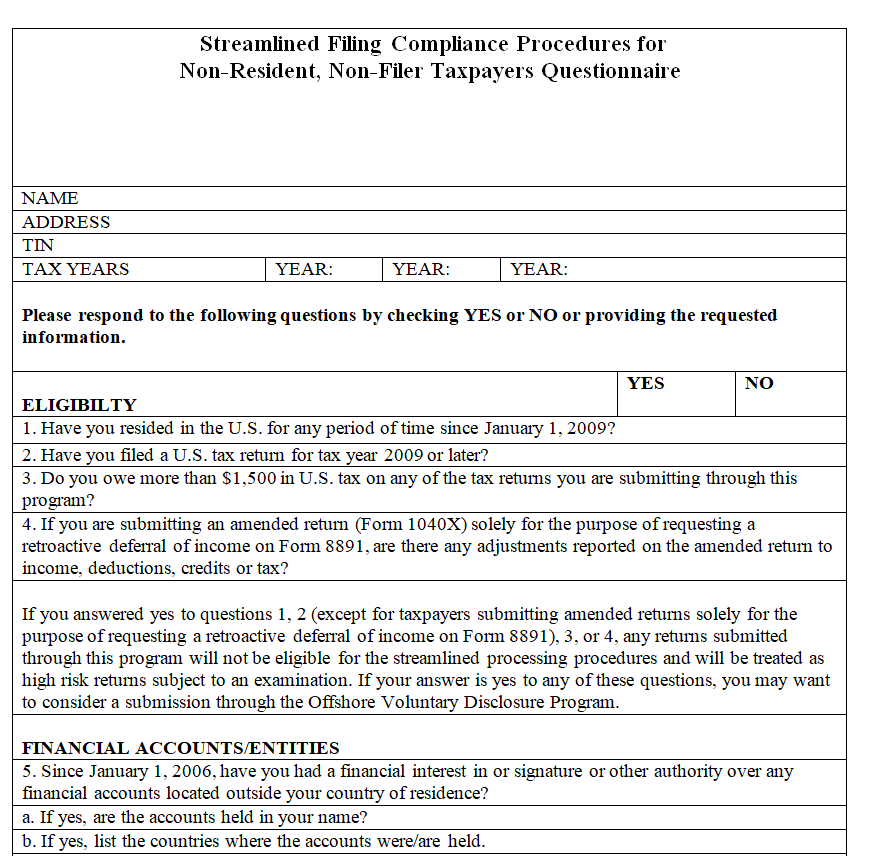
Non-Filer Taxpayers Survey Questionnaire Sample
File Size: 12 KB
Advantages of a Survey Questionnaire
A survey questionnaire is one of the most effective feedback-collecting tools that’s been around for years. An organization can have a lot of advantages from using a survey questionnaire. Following is a list of some of those advantages:
- It is probably the most cost-effective method of gathering data and feedback.
- An organization can collect the desirable information by asking well-focused and targeted questions.
- Using survey questionnaires can help you get a better idea of current trends.
- It is also an effective way to get feedback before a product launch or a major company event.
- The decision-makers of an organization can make far better decisions by having the feedback collected via survey questionnaires.
- With the help of a survey questionnaire, the organization can easily measure the satisfaction level of the audience, be it its customers, clients, or employees, depending upon the type of survey.
- The insights provided by a questionnaire can give a clear idea of the customer’s interests, choices, and preferences.
- The feedback received via a survey questionnaire might help you come up with strategies that could help you beat your competitors.
- It is a great tool to measure and improve performance.
Check More Survey Questionnaire Examples
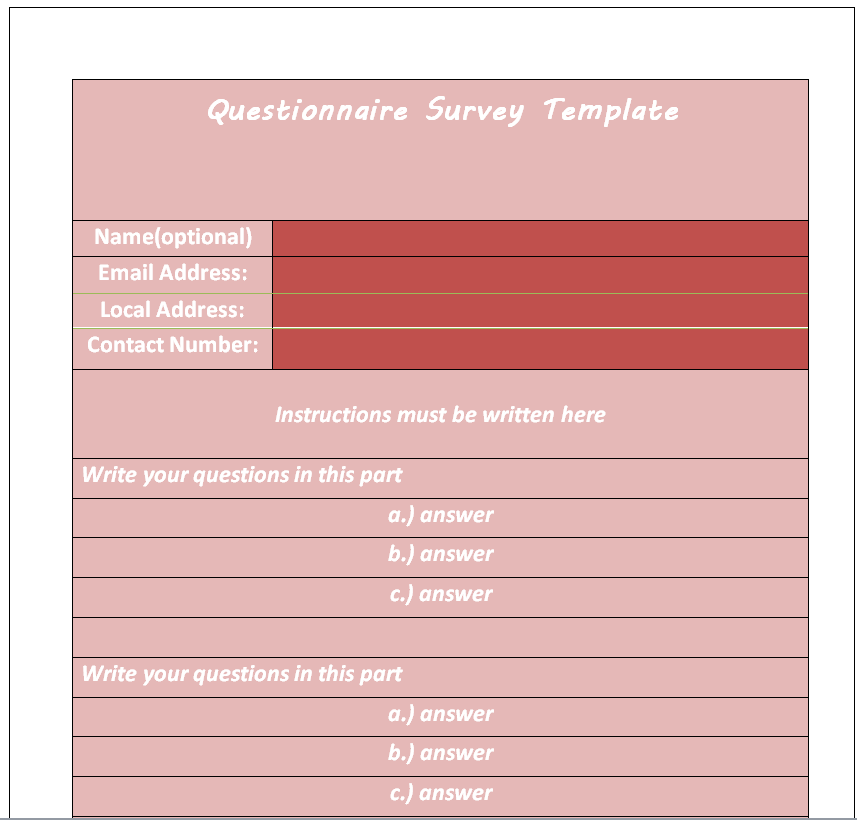
Handy Survey Questionnaire Template
File Size: 13 KB
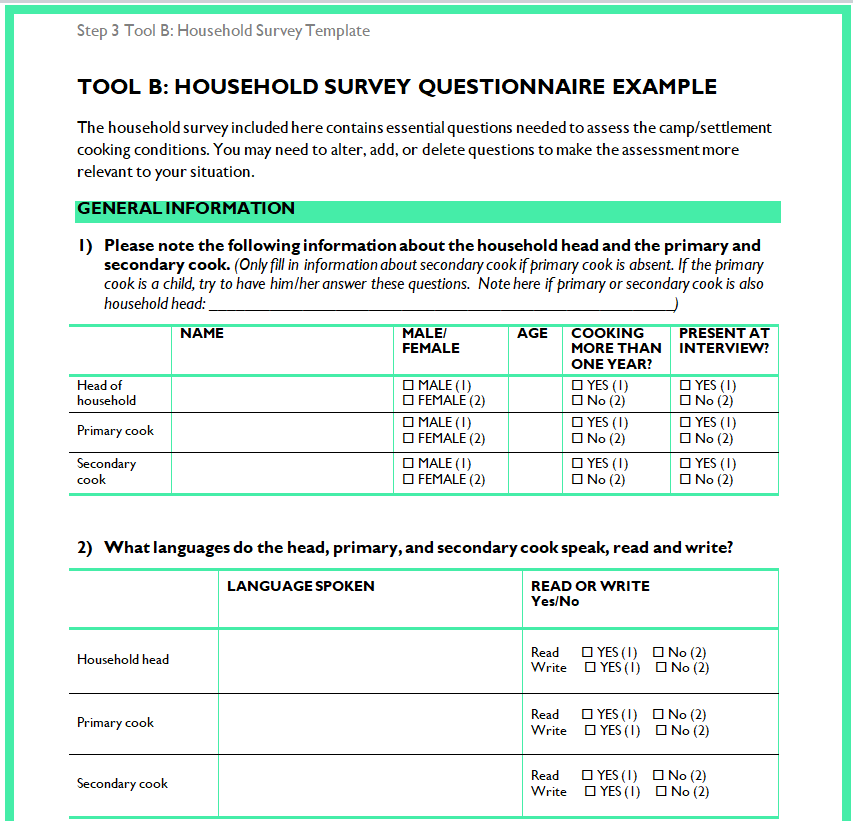
Household Survey Questionnaire Word Example
File Size: 29 KB
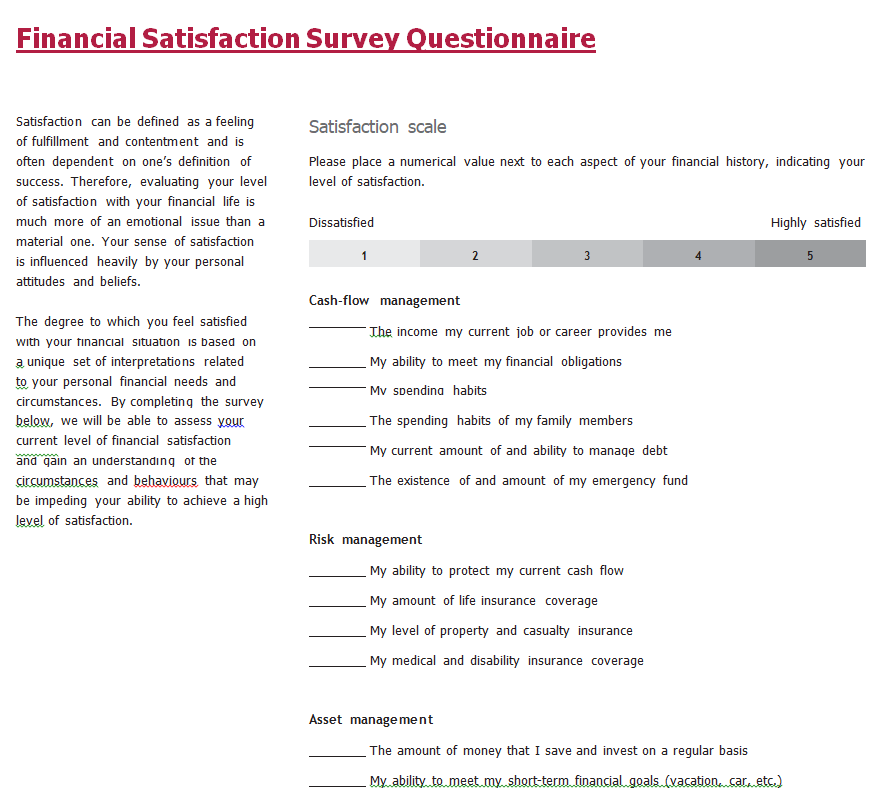
Financial Satisfaction Survey Questionnaire Example
File Size: 18 KB
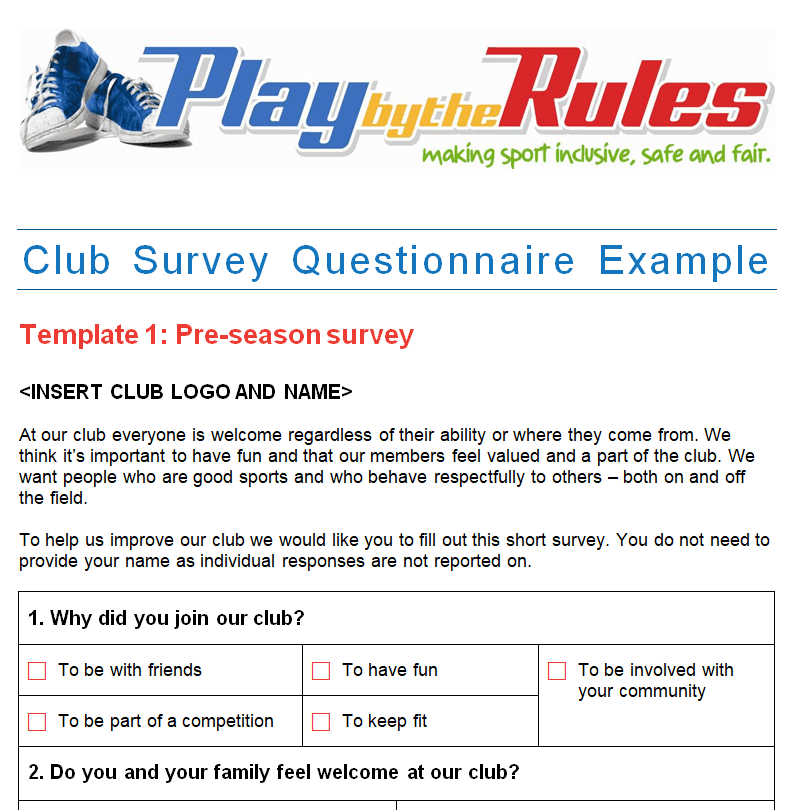
Sports Club Survey Questionnaire Example
File Size: 63 KB
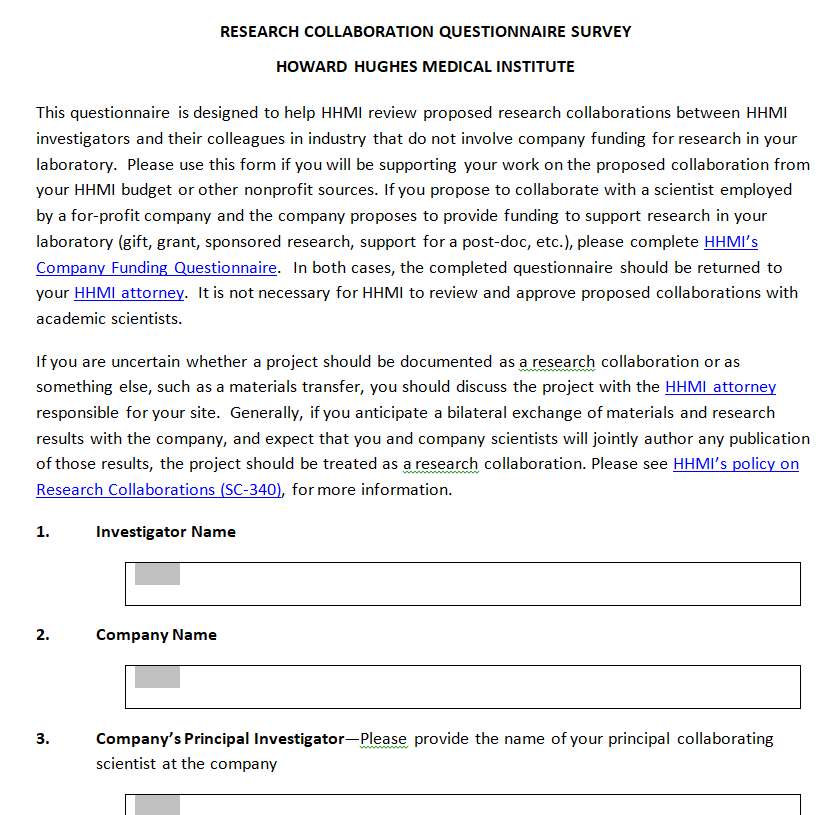
Medical Institue’s Survey Questionnaire Example
File Size: 25 KB
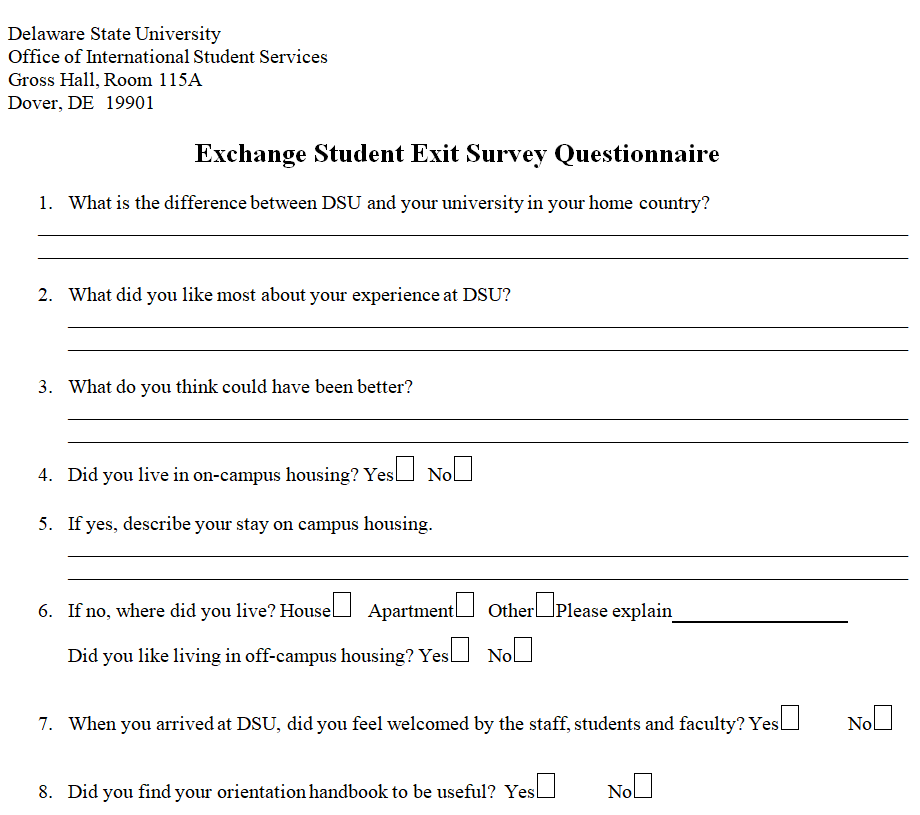
Exchange Student Exit Survey Questionnaire Sample
File Size: 07 KB
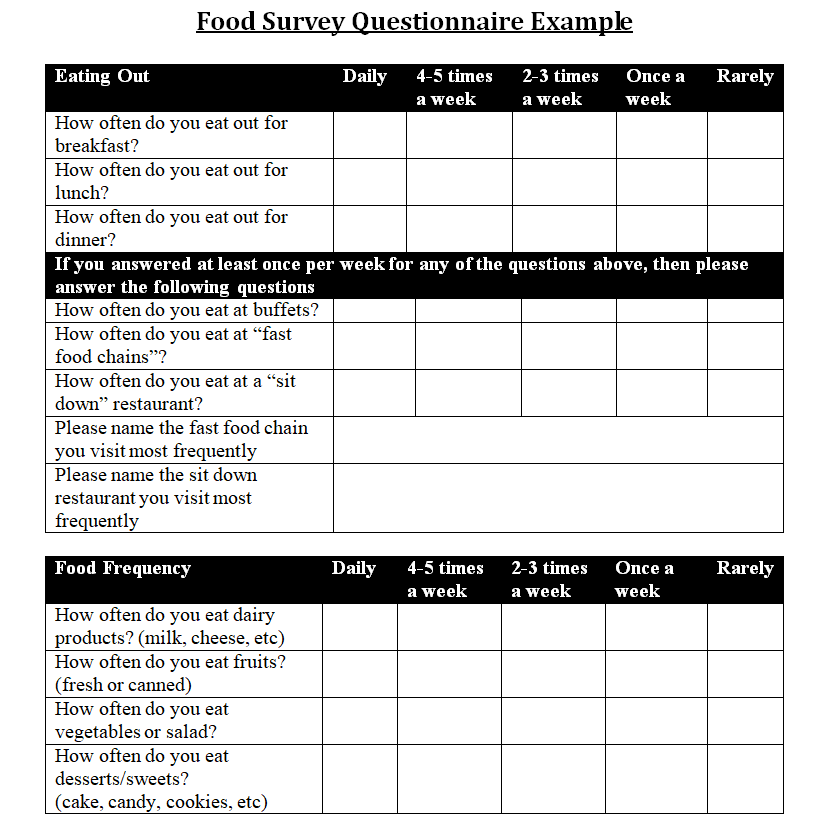
Food Survey Questionnaire Example
File Size: 09 KB
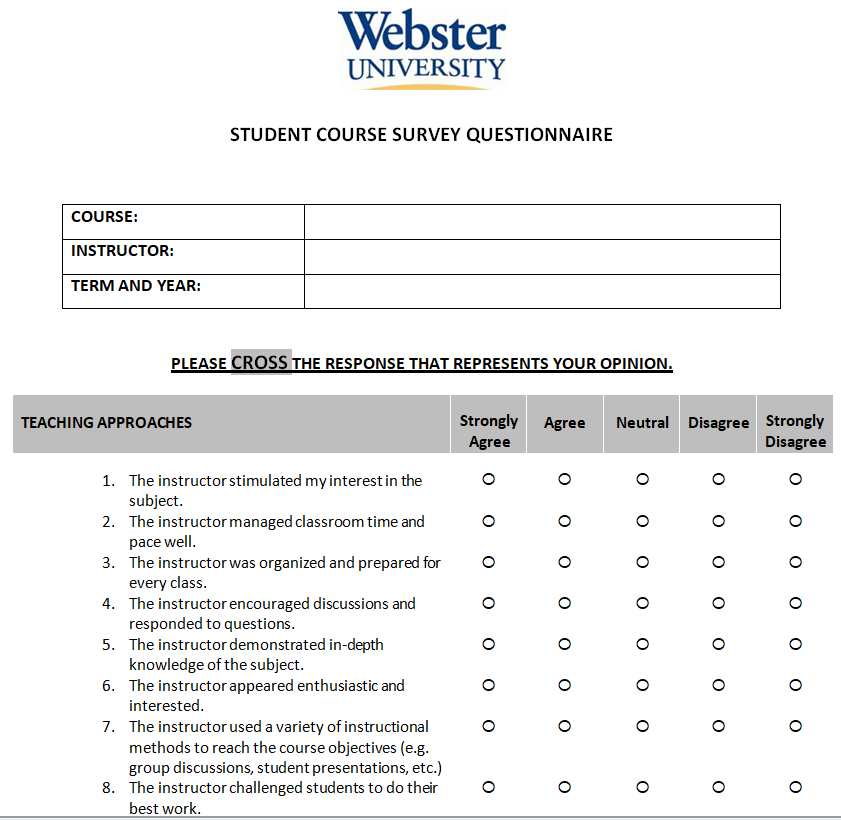
Student Course Survey Questionnaire Template
File Size: 38 KB
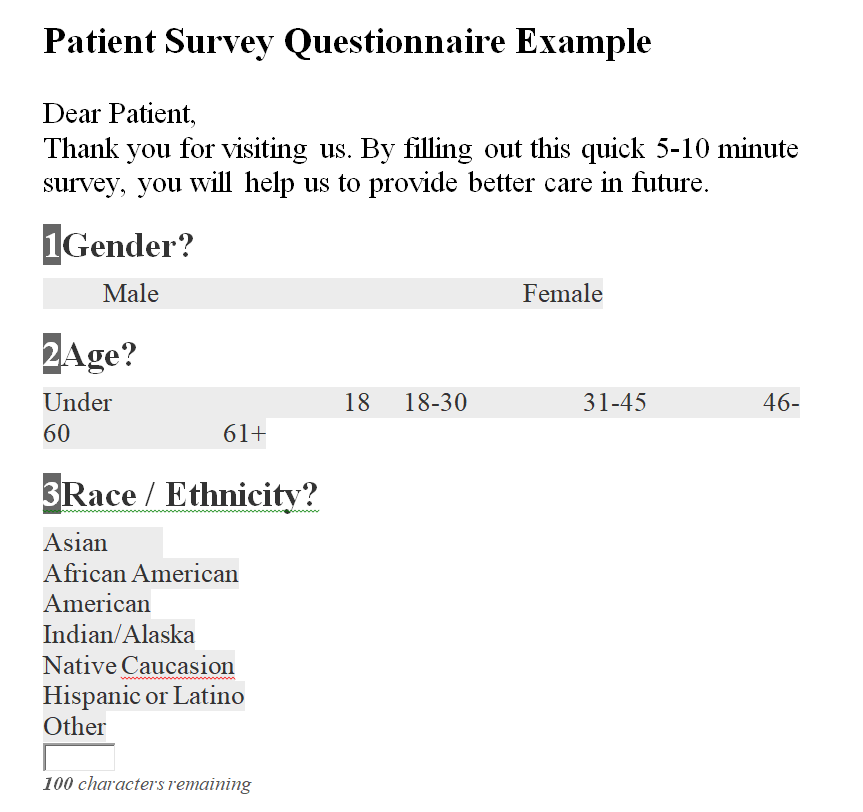
Patient Survey Questionnaire Example
File Size: 18 KB
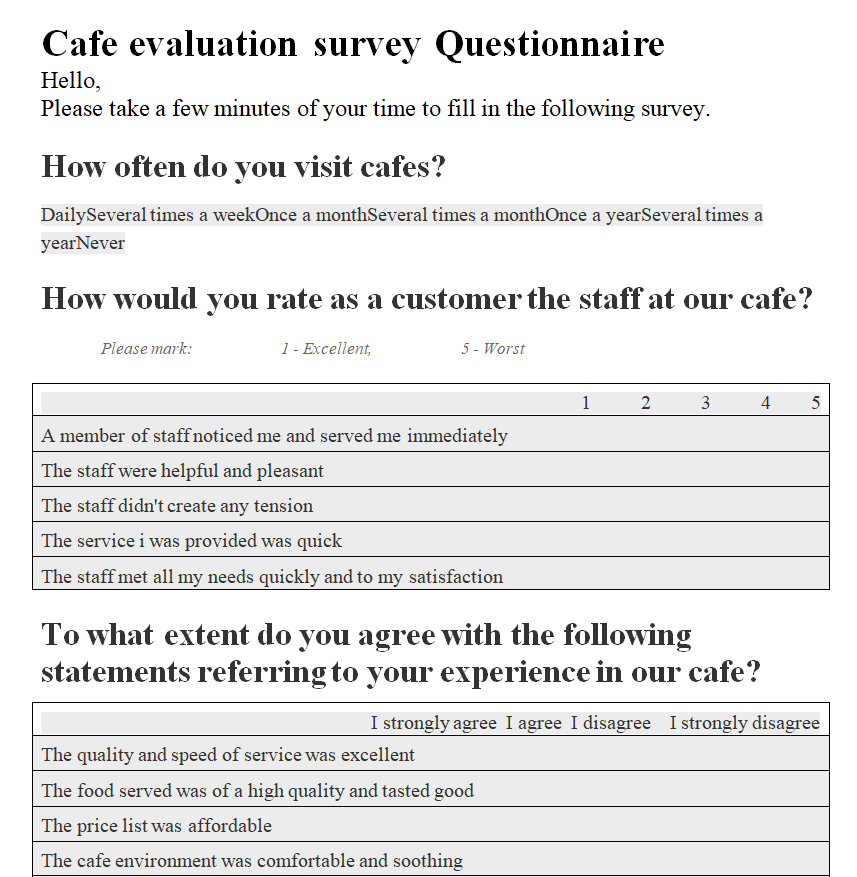
Cafe Evaluation Survey Questionnaire Example
File Size: 17 KB
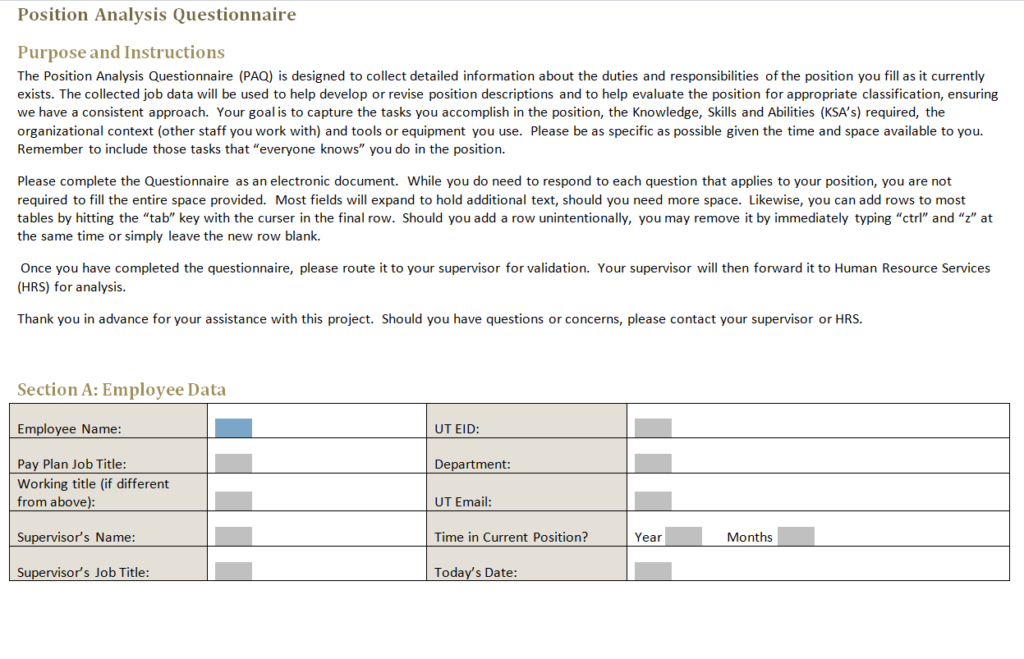
Position Analysis Survey Questionnaire Sample
File Size: 49 KB
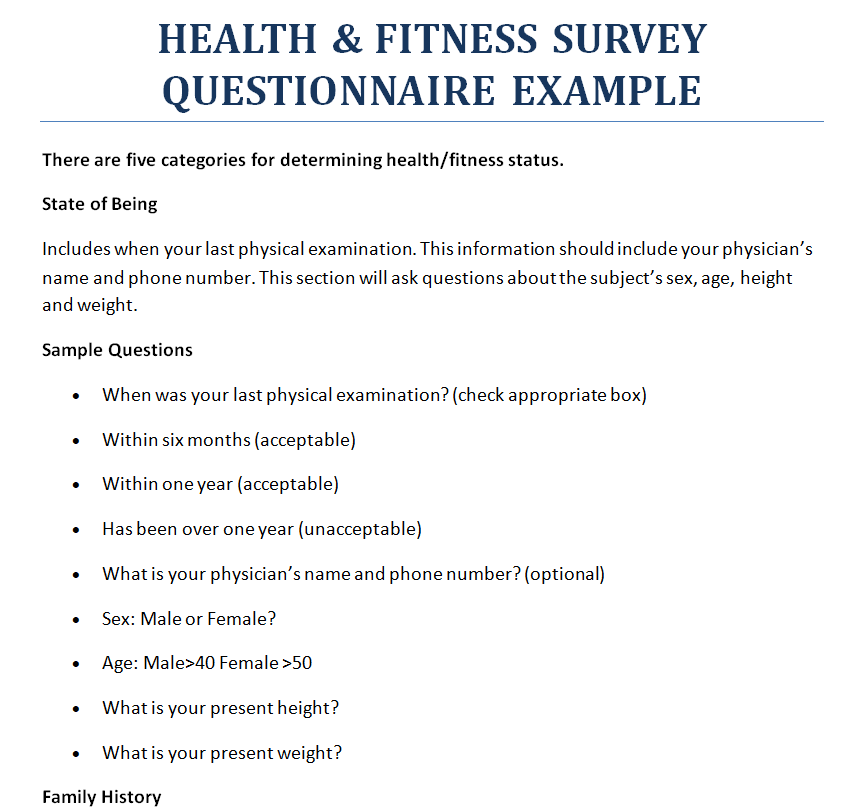
Printable Health & Fitness Survey Questionnaire Example
File Size: 14 KB
Questionnaire review before distribution
- Does each question help answer the stated research purpose?
- Could a reader interpret two parts of one question differently?
- Are response options balanced and suitable for the audience?
- Can you explain the response counts and missing answers honestly?
Related templates
Keep reported counts and periods clear when summarizing business information. sales report formats.
Collect participation information separately when a sign-up is the actual purpose. sign-up sheet templates.
Record who will review the responses and follow up on agreed actions. handover report templates.
Frequently asked questions
How many questions should I include?
Use enough questions to answer the defined purpose without adding unrelated topics. Test the burden with suitable readers rather than choosing a length simply because a sample has that many questions.
Should every question be required?
No. Decide based on the purpose and respondent experience. An inappropriate required question can produce guesses or cause people to abandon the form.
Can I combine open and closed questions?
Yes. Use closed options for a defined comparison and open responses for explanation or unexpected issues. Plan how each answer type will be reviewed.
Does a template make the survey statistically representative?
No. Representation depends on the target population, how participants are selected, participation and other design choices. A Word layout cannot establish those properties.
How should I describe a low response count?
Report it plainly and avoid presenting the respondents as if they necessarily represent everyone invited. Explain the scope and any limitations relevant to the decision.
