
Insurance policy samples can help you recognize how insurers organize coverage, definitions, exclusions, conditions and policy schedules. They are reference documents for reading and comparison. Downloading or editing a sample does not create insurance coverage or prove that a person, vehicle, business or property is insured.
The examples below relate to different insurance purposes. A motor policy, a household policy and a business policy may address very different risks. Choose a sample close to the type of document you are trying to understand, then compare its structure with the actual wording supplied by your insurer.
Read the complete issued policy and its endorsements when making a real coverage inquiry. The applicable insurer documents and local rules matter more than the wording of an unrelated sample. Ask the insurer or an appropriately qualified adviser about any provision you do not understand.
Start with the schedule or declarations information
Identify the insurer, named insured, policy number, period of insurance, insured subject matter and listed coverage limits. Check that names, addresses and relevant identifiers match the intended risk. Distinguish the policy premium from the amount that might be paid for a covered loss. A schedule can summarize key information, but it does not usually reproduce every condition and exclusion. Keep it together with the full wording and any later changes so that a convenient summary does not become the only document you review.
Follow defined terms through the document
An ordinary word may have a specific meaning in a policy. Read the definitions used by the coverage clause before interpreting a benefit description. Then look at exclusions, limitations, sublimits and conditions that affect the same subject. A heading alone is not enough to establish whether a loss is covered. The NAIC consumer guide to homeowners and renters policies explains the relationship between declarations, insuring agreements, exclusions and conditions in that context. Other policy types and jurisdictions may use different structures or terminology.
Compare like with like when reviewing samples
Use a comparison sheet with the same questions for each relevant policy: what is insured, for which period, against which events, subject to which limits and deductibles, and with what reporting conditions? Write the source page or clause beside each answer. Mark an unanswered question as unresolved rather than assuming the most favorable interpretation. A lower premium alone does not establish that two policies provide equivalent cover. Avoid copying another insurer branding, signatures or policy number into a document that could be mistaken for an issued policy.
Keep evidence and questions organized
Retain the actual policy, schedule, endorsements and renewal correspondence in an accessible folder. For property, a separate inventory can help organize descriptions, serial numbers and purchase evidence. If you need to report a loss or ask about a possible claim, follow the actual policy instructions and insurer contact process. Record dates, references and the documents supplied. A generic sample cannot set your claim deadline or determine a coverage decision. Request clarification of an unclear condition from the appropriate insurer contact before relying on an assumption.
A practical example
A homeowner wants to compare the structure of a sample with a policy they have received. They first verify the property address and insurance period on the schedule. They then locate the relevant coverage wording, the definitions used there, exclusions, applicable limits and any endorsements. A question about an item with a special limit goes on a list for the insurer, with the clause reference beside it. This is a document-reading process, not a finding that the item is covered. If the insurer issues an endorsement later, the homeowner stores it with the same policy rather than treating the original PDF as the whole agreement forever.
Use a comparison worksheet without rewriting the policy
Create a separate worksheet to organize your reading rather than changing an insurer policy PDF. Give the worksheet columns for the question, the answer in the document, the page or clause reference, and any point requiring clarification. For example, distinguish the insured subject matter, the relevant period, coverage limits, deductibles, exclusions and conditions. Record the version of each policy being compared so that later changes can be traced. A blank answer should remain an open question rather than becoming an assumed benefit. Keep the original issued wording intact and store any insurer clarification with it. A personal summary is useful for understanding, but it should not be presented to another person as if it were an endorsement or confirmation issued by the insurer.
Prepare precise questions for an insurer or adviser
A focused question is easier to answer than a broad request to explain everything. Identify the actual policy reference and the clause you do not understand. Explain the factual circumstance you want clarified without assuming the answer. Ask whether another section, definition, exclusion or endorsement changes the interpretation. Request the relevant written reference when practical, and retain the response in the policy folder. Do not rely on a sample from another insurer to fill an apparent gap in the issued wording. If the question concerns a potential claim, use the actual reporting instructions and provide accurate facts. A general template cannot establish a reporting deadline, approve a claim or determine how a dispute will be resolved.
Review changes at renewal or after a material update
When new documents arrive, compare their identifiers, period, insured details and relevant provisions with the previous set. Check what the insurer says has changed and ask about anything unclear. A renewal email alone may not contain the full terms, so locate the associated schedule, wording and endorsements. Mark the current set clearly while retaining historical records where appropriate. Keep descriptions of insured property or business activities accurate through the insurer required process. A personal edit to a saved PDF does not update an insurer records or extend coverage. The useful role of these samples is to help you recognize document sections and ask better questions, not to substitute a preferred clause for the policy that was actually issued.
22 templates, samples and download previews
The previews below show the available examples. Download buttons identify the offered file format; many files are supplied in ZIP packages that must be extracted first. Word and PDF versions of the same example count as one template, not two different designs. Choose an example for its purpose, then check the actual extracted file before editing it. Keep the original blank download separately from a completed copy.
Car Insurance Policy Sample

File Size: 108 KB
Business Enterprise Insurance Policy Sample
File Size: 565 KB
Travel Insurance Policy Sample

File Size: 181 KB
Small Business Insurance Policy Template PDF

File Size: 02 MB
Professional Business Insurance Policy Sample
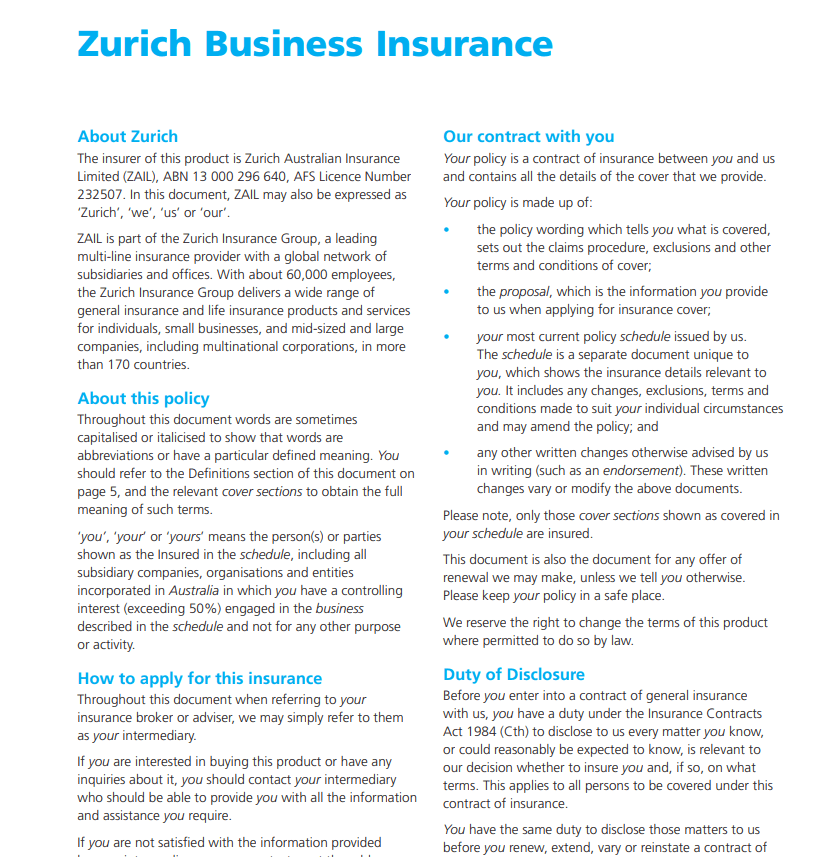
File Size: 559 KB
Home Insurance Policy PDF Sample

File Size: 703 KB
Term Life Insurance Policy Printable Sample
File Size: 303 KB
Personal Insurance Policy Example
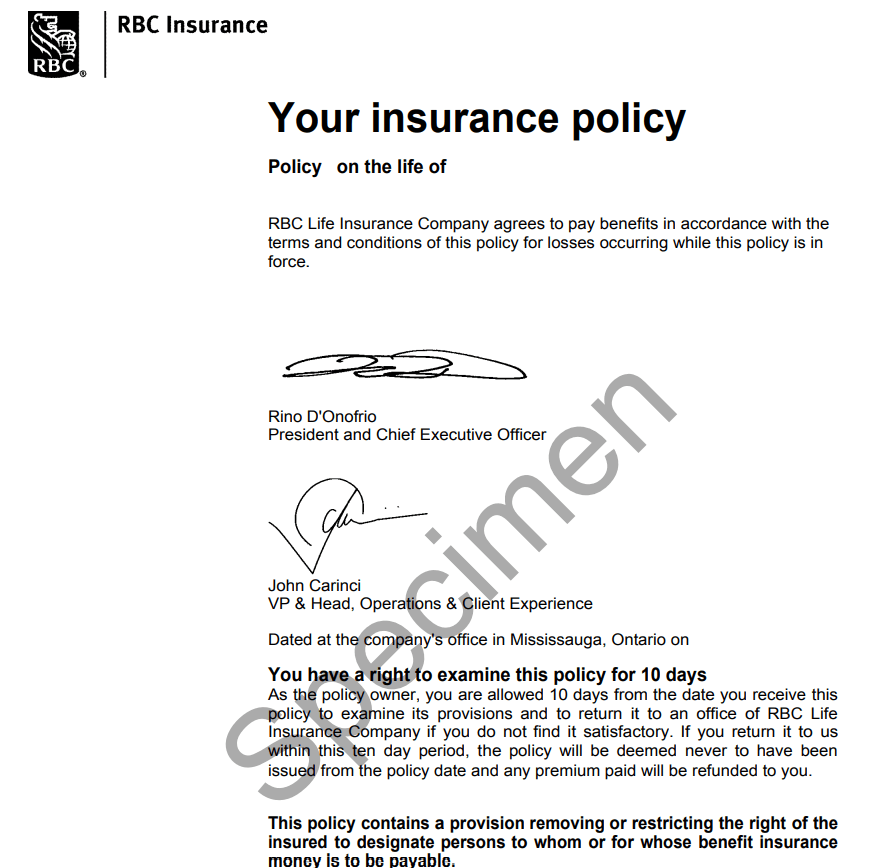
File Size: 605 KB
Sample Long Term Life Insurance Policy
File Size: 408 KB
Travel Insurance Policy Sample

File Size: 01 MB
Motor Insurance Policy Printable Example

File Size: 478 KB
Small Business Insurance Policy Example

File Size: 469 KB
Individual & Family Insurance Policy Sample Document

File Size: 728 KB
Home Insurance Policy Booklet Sample
File Size: 190 KB
Simple Auto Insurance Policy Template
File Size: 148 KB
Comprehensive Insurance Policy Example
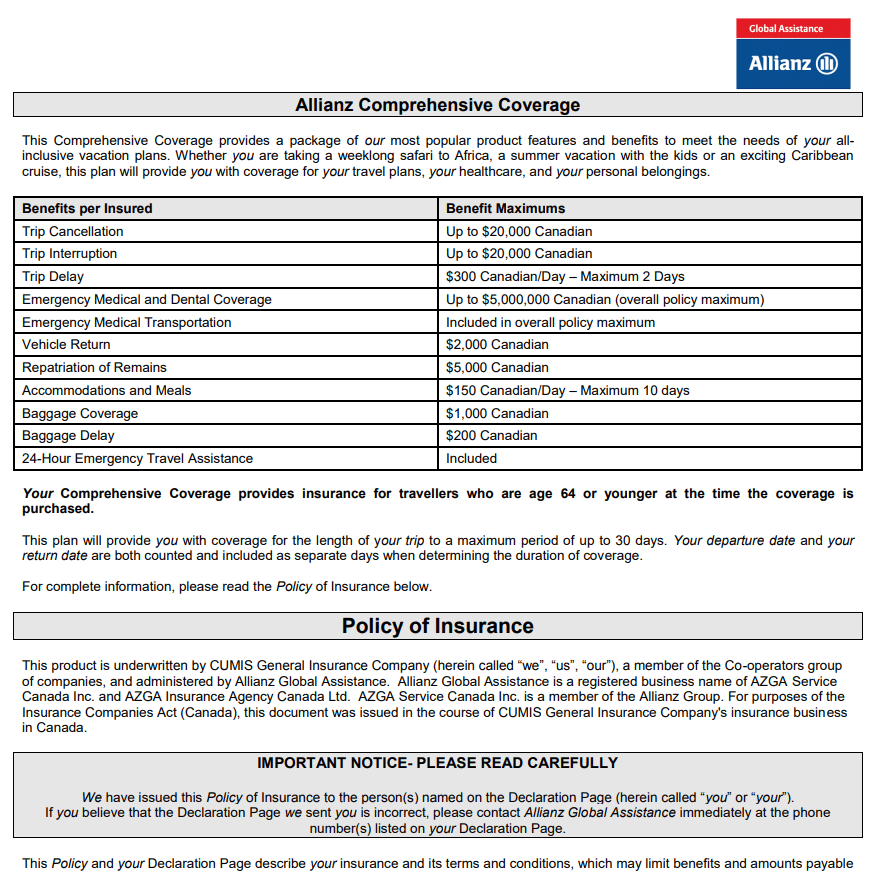
File Size: 414 KB
Construction Insurance Policy Template Printable
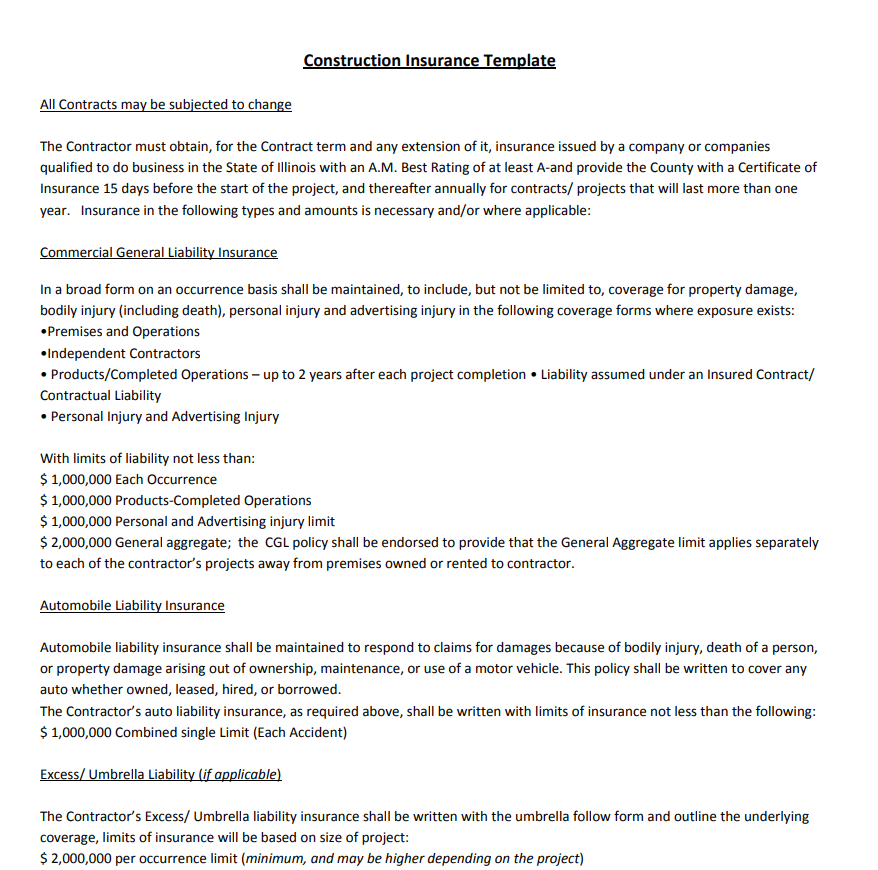
File Size: 116 KB
Group Insurance Policy Sample PDF
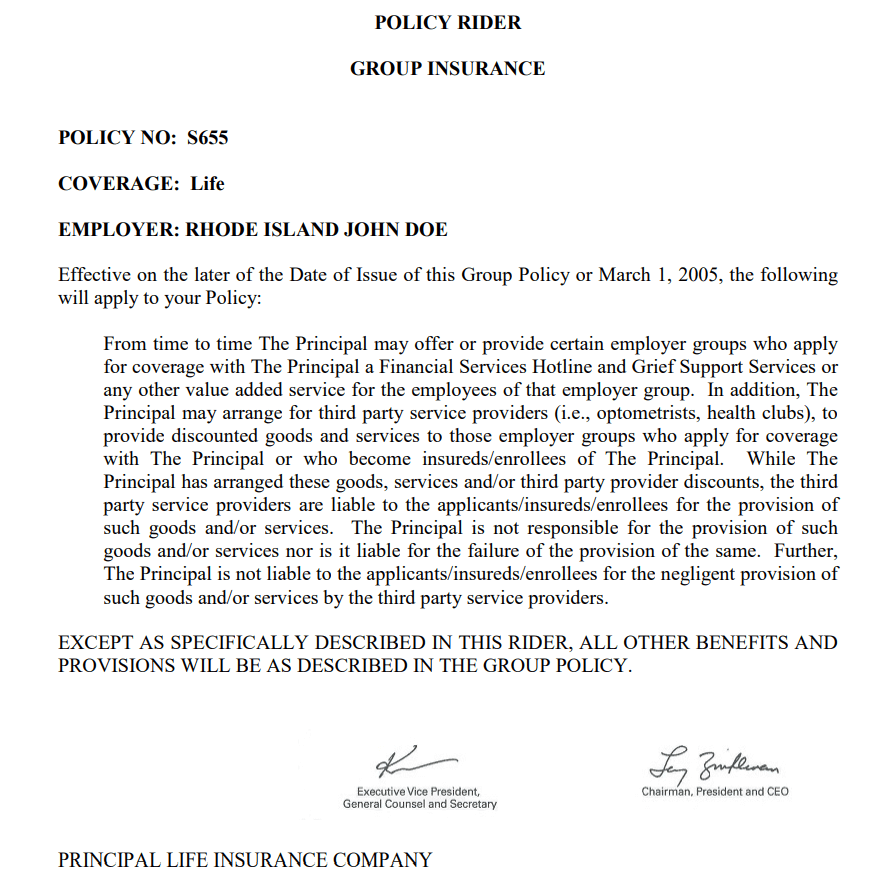
File Size: 191 KB
Sample Life Insurance Policy Example
File Size: 325 KB
Small Business Insurance Policy Example

File Size: 745 KB
Practical Business Insurance Policy Sample

File Size: 618 KB
Example Home Insurance Policy Document

File Size: 244 KB
Further reading from an official source
The NAIC guide explains declarations, insuring agreements, exclusions and conditions in a U.S. homeowners and renters context. Use it as background reading alongside the actual policy documents. NAIC guide to understanding homeowners and renters policies.
Related templates for the next step
Keep descriptions, serial numbers and supporting evidence for belongings. home inventory resources.
Record responsibility for policy files and renewal correspondence in a handover. handover report templates.
An item provenance record serves a different purpose from insurance coverage evidence. authenticity certificate examples.
Frequently asked questions
Is a downloaded insurance policy sample proof of coverage?
No. A sample is not an issued policy, certificate or confirmation of insurance. Obtain coverage evidence through the insurer or authorized channel responsible for the actual policy.
What is the difference between a schedule and policy wording?
A schedule or declarations page identifies important particulars. The full wording contains the definitions, coverage provisions, exclusions and conditions that must be read with those particulars and any endorsements.
Can I edit a sample and use it as an insurance policy?
Editing a sample does not arrange insurance or authorize anyone to issue coverage. Use these files for reference and direct real insurance arrangements to the appropriate provider.
How should I compare two policy documents?
Compare the same subject matter, period, covered events, limits, deductibles, conditions and exclusions. Keep clause references and ask the insurer about unanswered questions instead of treating similar headings as identical cover.
Are these forms applicable in every country?
No. Insurer wording and legal requirements differ. Check the documents and requirements for the actual policy, provider and jurisdiction involved.
