
An ACH form needs to match the payment process it supports. ACH form templates can show how information is arranged, but an account-details form, a direct-deposit instruction and an authorization to collect money are not interchangeable. Start by identifying the transaction and the approved process.
The downloadable examples below include different form layouts with previews. Use them as references for a review, not as proof that a document satisfies every applicable rule. ACH is a US payment-network context, and the necessary authorization and handling arrangements depend on the actual transaction.
This guide explains how to compare forms, separate roles and check practical usability. Confirm the required wording and process with the responsible payment provider or qualified reviewer before collecting real banking information or initiating transactions.
Identify what the form is intended to do
Describe whether the process sends money to an account, collects money from an account or gathers details for a later step. Identify the organization receiving the form and the role of the person completing it.
A sample intended for payroll direct deposit should not be repurposed automatically for recurring customer collections. Even similar-looking fields can sit inside very different authorization processes.
Give the form a clear title and scope so users do not have to infer its purpose from the bank-detail boxes. Check the supporting instructions and the payment provider’s process before deciding which example is a useful starting point.
Compare the banking field labels
Check the account-holder name, bank name, routing number, account number and account type against the fields needed for the actual payment setup.
Treat these numbers as identifiers rather than amounts: a leading zero can matter, and an entry should not be rounded or reformatted as a currency value. Keep the payment description separate from the banking details.
For example, one-time payment wording should not sit beside an unexplained recurring instruction left from a sample. Review labels and instructions with the responsible team. These are practical layout checks rather than a complete authorization checklist.
A payroll form is not a customer-collection form
Imagine a fictional business that already uses a reviewed form to send payroll deposits to employees. It now wants to collect recurring customer payments and notices that both processes ask for banking information.
Reusing the payroll form unchanged would confuse the transaction’s purpose and the permission involved. The business instead identifies its provider’s collection process and has the appropriate form and wording reviewed for that arrangement.
The sample layout can still provide ideas about readable labels and response space, but it does not determine the authorization requirements. This example shows why selecting a form starts with the payment process rather than the appearance of familiar account fields.
| Question | Why it matters |
|---|---|
| Are funds sent or collected? | The form must match the actual transaction process. |
| Is the arrangement one-time or recurring? | Its scope and timing need an appropriate description. |
| Who approves payment-detail changes? | A completed replacement form is not self-verifying. |
Distinguish account details from payment permission
Knowing an account number is different from having the appropriate authorization for a transaction. Review how the form and the wider process establish the intended instruction or permission.
Do not assume that a signature box or a broad sentence copied from another sample settles the question. Identify what is being authorized, by whom and for which arrangement through the approved wording and procedure.
Where the process involves more than one document or step, make the relationship clear. The form should help users understand the arrangement they are entering, rather than presenting banking details as if their collection alone authorizes every future payment.
Make timing and scope understandable
Review how the actual arrangement describes the payment timing, amount or way an amount is determined, and whether the transaction is one-time or recurring. Use the wording required for that process rather than inventing terms to fill a blank.
Keep instructions consistent with any agreement or provider interface involved. If a sample includes a change or cancellation route, confirm that it accurately matches the real arrangement and applicable requirements. Avoid vague wording that leaves users unsure which payments are covered.
A clear layout is useful only when the underlying instruction is specific enough to be understood and appropriately reviewed.
Collect banking information through a suitable route
Decide how completed forms and supporting information will be received, accessed and stored before distributing a blank template. Use the organization’s approved secure process and limit access to people who need the information.
Do not make an ordinary shared folder or casual email attachment the default merely because it is convenient. Explain the submission route and a contact for questions clearly. Review whether every requested field is necessary for the actual process.
When using fictional test data, keep it clearly separate from live information so a sample entry cannot accidentally be treated as a genuine payment instruction.
Check identity and changes through the approved process
A request to change payment details needs the checks required by the organization and its provider. Do not treat a replacement form as self-verifying simply because it looks complete.
Keep the prior record and the new instruction distinguishable according to the approved process, and record the appropriate review or confirmation. Use established contact routes when a detail needs clarification rather than relying on a new unverified contact supplied in the same request.
The template’s role is to organize the information needed for review. It should not silently replace the safeguards that govern how payment details are accepted or changed.
Test the form with the people who will process it
Complete a fictional version and ask an authorized reviewer to work through the intended steps. Check labels, writing space, signatures or acknowledgments where relevant, supporting instructions and submission details. Review the final print or export, not just the editing screen.
Make sure sample names, old organization details and irrelevant clauses have been removed. Identify the approved blank version and the owner responsible for updates. If the provider’s process changes, review the form and related instructions together.
A successful layout test shows that the document is usable; it does not establish that every authorization or payment-network requirement has been met.
9 downloadable templates and previews
Compare the previews for layout and available fields, then use the download button for the actual file. Check the package contents before editing, because the collection includes different layouts and file types.
Extract ZIP packages first, keep a blank original and save your working copy with a clear name. A preview image is a reference for the layout rather than the editable document.
Get the ACH Form Template Here
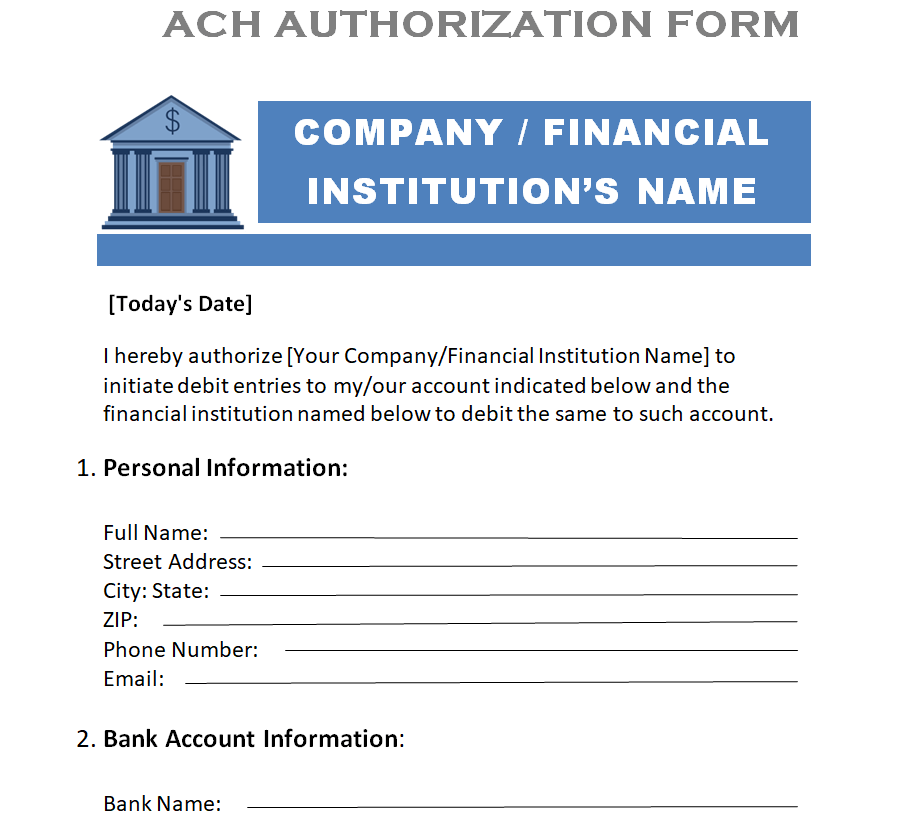

Simple ACH Authorization Form Template
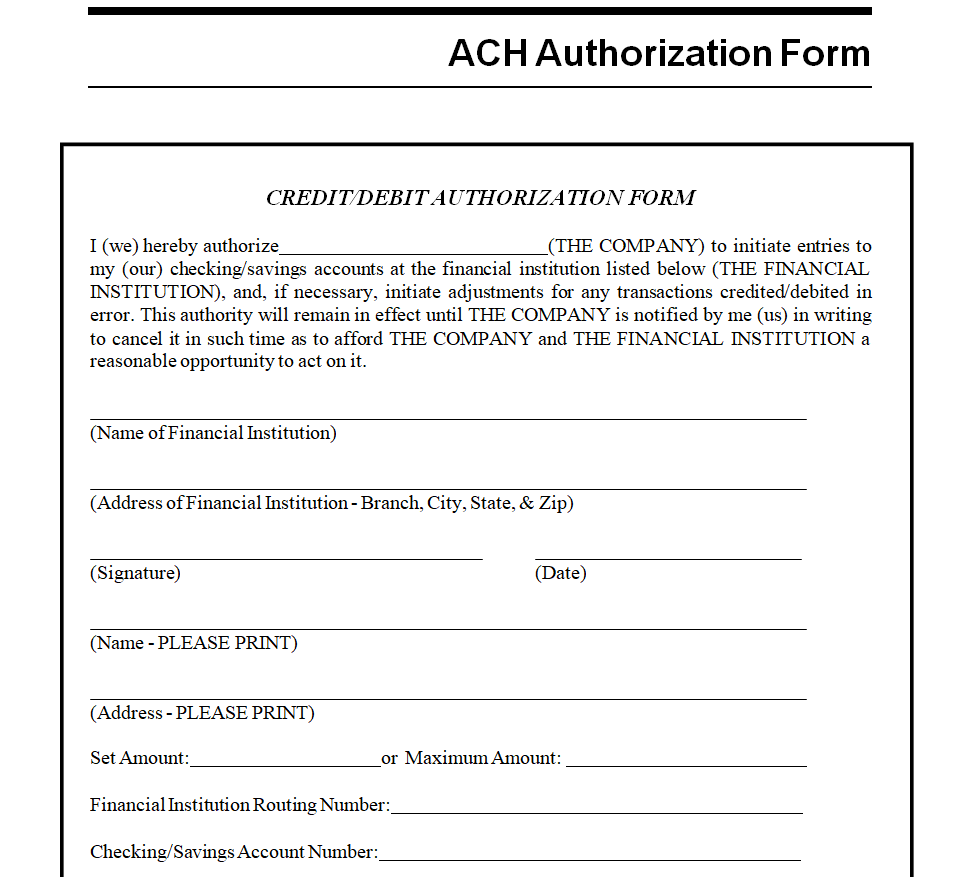
Customizable ACH Debit Authorization Form Template
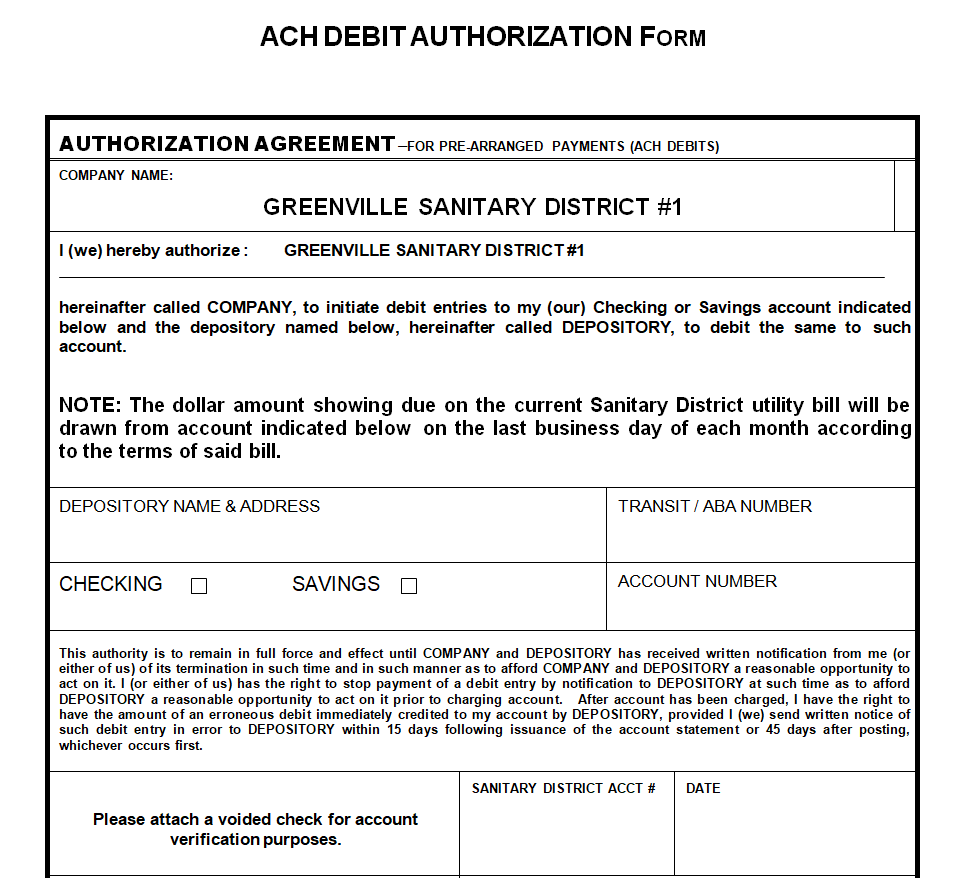
Fillable ACH Authorization Form Sample Doc
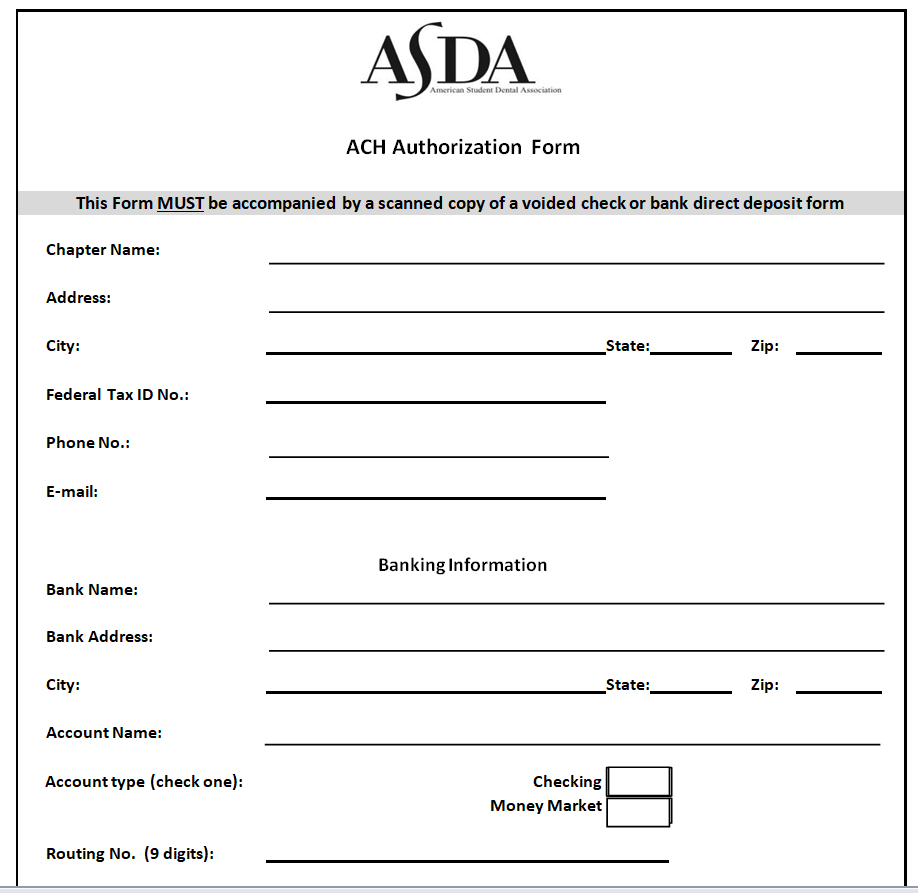
Standard Vendor Payment ACH Form Template
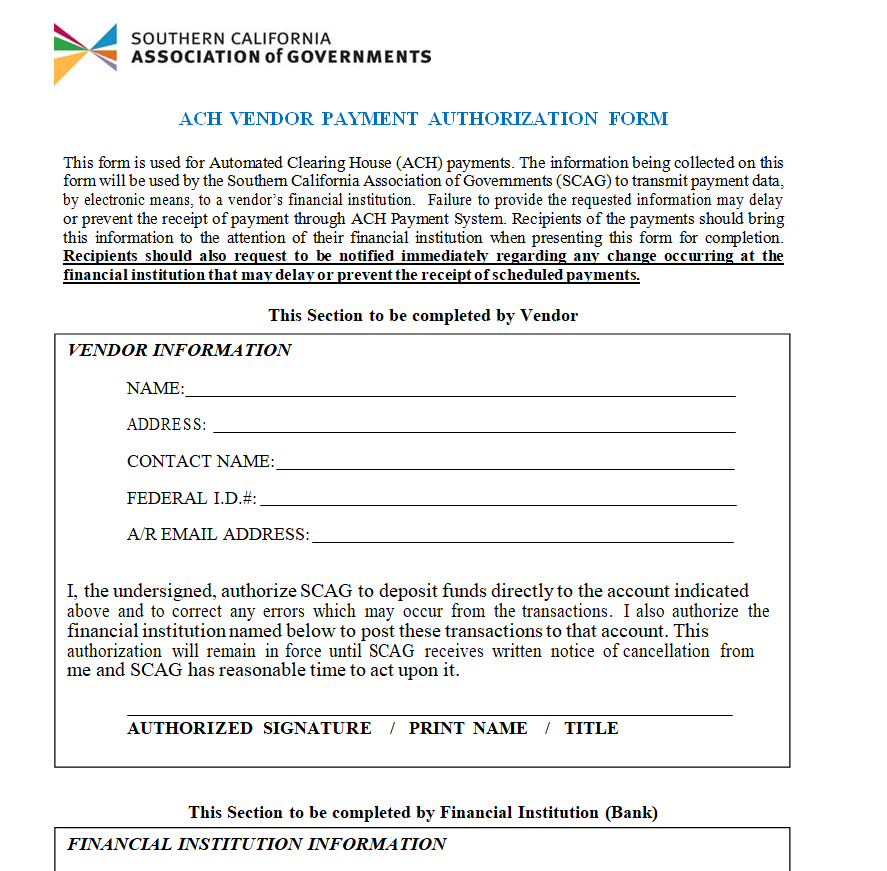
Professional ACH Form for Direct Deposit
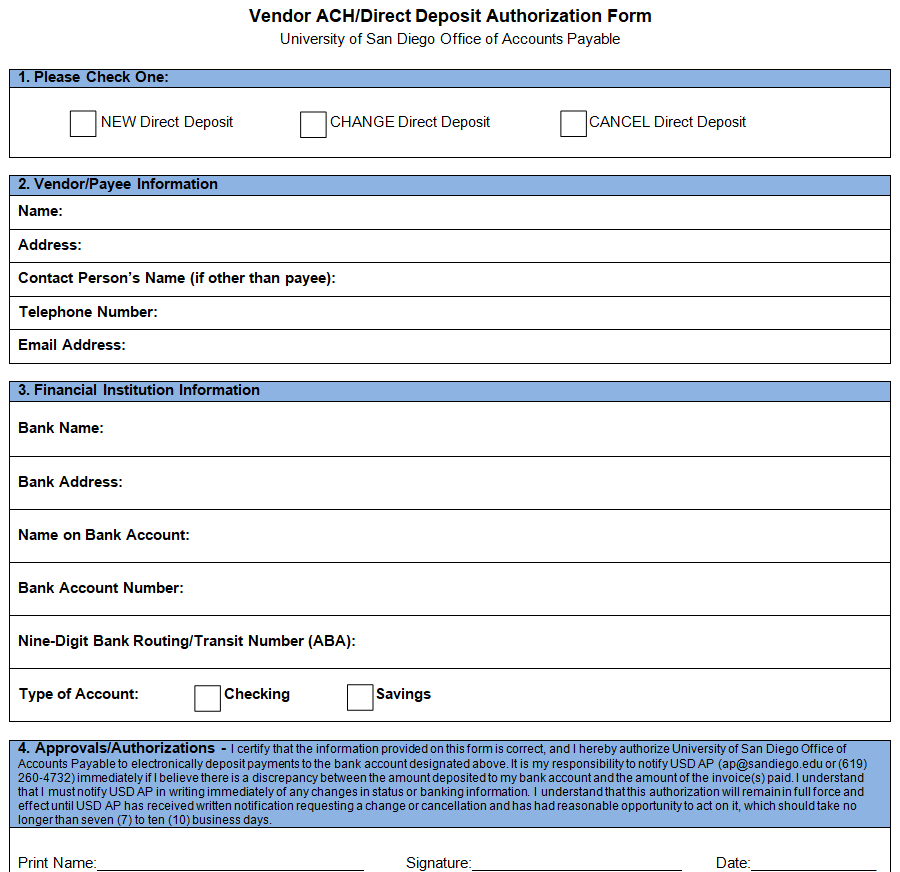
Basic Recurring ACH Payment Authorization Form Word Example
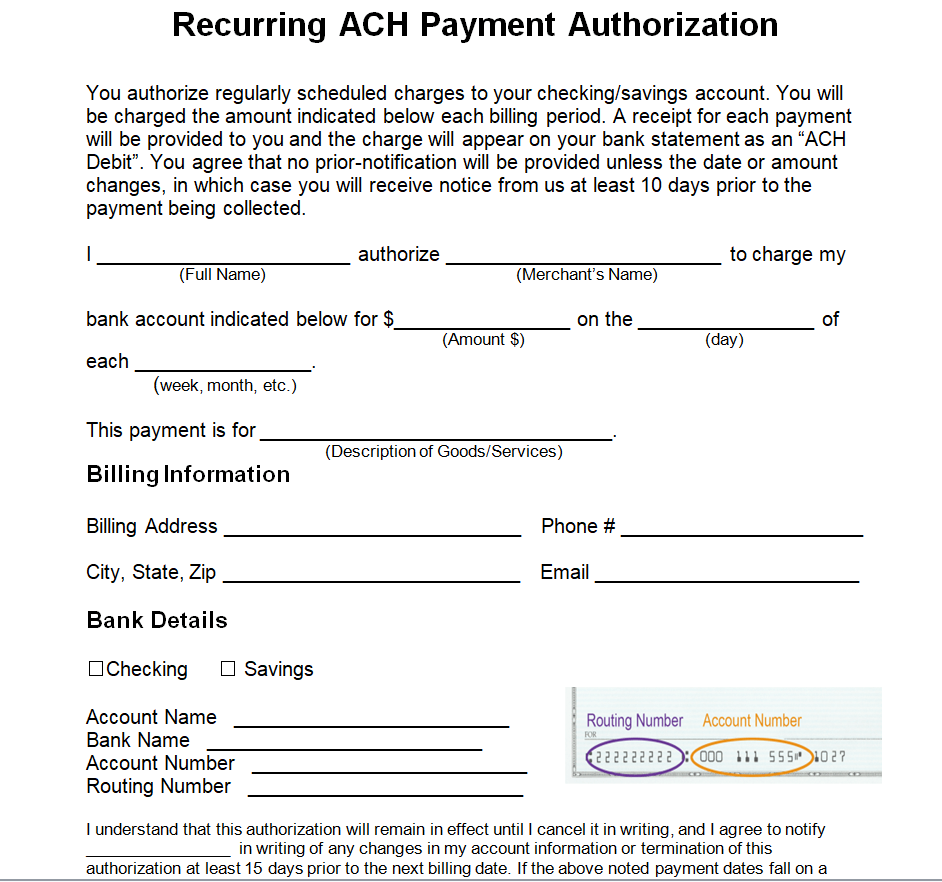
Practical ACH Vendor Payment Authorization Form Template
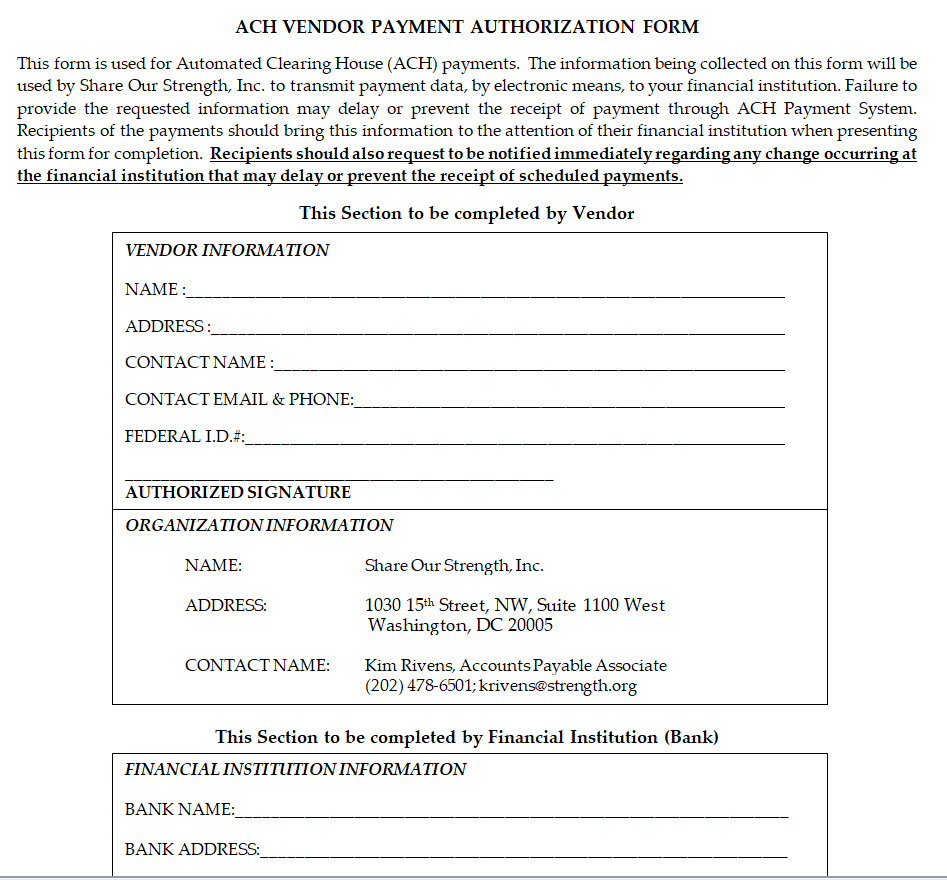
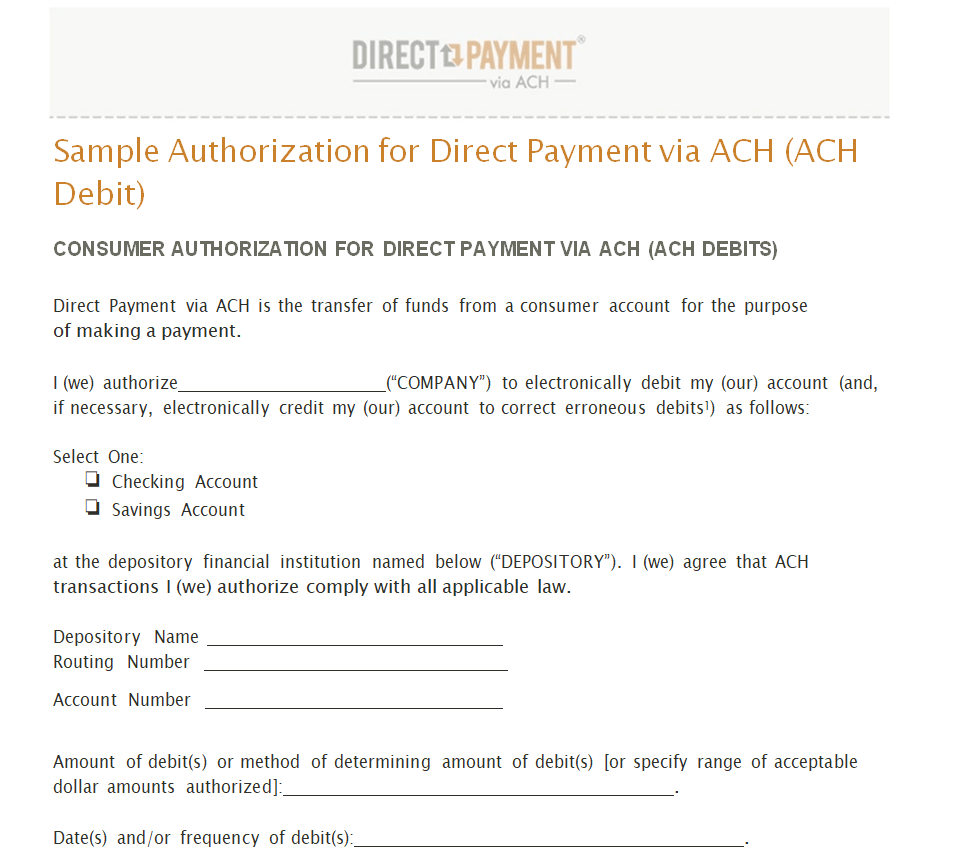
Professional Direct Payment ACH Form Sample Word
A final check before using the template
- Identify the actual payment process.
- Separate account details from authorization.
- Review timing, scope and wording appropriately.
- Use the approved secure submission route.
- Check payment-detail changes through the established process.
- Test the current form with fictional data.
Keep the process visible to the person completing the form
A user should know the receiving organization, the form’s purpose, how to submit it and where to ask a question. Place short instructions near the fields they explain. Avoid shrinking important authorization wording into unreadable text to preserve a one-page appearance.
Check that any reference to another agreement identifies the correct document and that users can access the information they need. If a field is unclear, improve the label through the review process instead of relying on staff to explain it privately each time.
Clear instructions support a reviewed arrangement; they do not replace that review.
Related templates
Keep a separate salary confirmation distinct from a payment instruction using salary certificate templates.
For the billing record associated with a customer transaction, use invoice templates.
Keep order confirmation separate from payment authorization with order confirmation email templates.
Nacha explains the importance of compliant ACH authorizations and provides consumer ACH information. Consult the guidance relevant to the actual transaction.
Frequently asked questions
Does an ACH template guarantee compliance?
No. The necessary form and process depend on the transaction and applicable requirements. Review the wording and handling arrangements with the responsible provider or qualified reviewer before using the sample for live payments.
Can direct-deposit forms be used for customer debits?
Do not assume they are interchangeable. Sending funds and collecting funds can involve different arrangements and authorization processes. Identify the actual use and obtain the appropriate reviewed form rather than changing only the heading.
Is an account number the same as authorization?
No. Collecting account details and establishing permission for a particular transaction are different matters. Use the appropriate authorization process and make the scope of the arrangement understandable to the person completing the form.
Should the form specify one-time or recurring use?
Its wording should accurately reflect the actual arrangement and the required process. Review how timing and scope are described, and keep the form consistent with related agreements and provider instructions.
How should banking details be submitted?
Use the organization’s approved secure route and explain it clearly. Decide access and storage arrangements before collecting real information. Avoid sending completed forms through an improvised process simply because the blank template is easy to distribute.
What should happen when banking details change?
Follow the approved verification and change process. Keep the relevant records distinguishable and do not accept a replacement instruction solely because the form appears complete. Use established contact routes when clarification is needed.
You can also browse more options in the Other Templates category.
