
A useful handbook helps an employee find the right answer on an ordinary working day. Employee handbook templates can provide a starting structure for introducing the organization, explaining where policies live and identifying practical contacts. The finished document should reflect the workplace people actually join.
The examples below vary in length, style and subject coverage. Compare the previews, then review the downloaded wording against your organization’s approved arrangements. A sample handbook from another employer or country can contain commitments and procedures that should not be copied into your own.
Use this guide to plan the document around employee questions, connect it with current policies and test how easily a new colleague can navigate it. Employment and other regulated wording needs the appropriate review for the location and circumstances before the handbook is adopted.
31 downloadable templates and previews
Compare the previews for layout and available fields, then use the download button for the actual file. Check the package contents before editing, because the collection includes different layouts and file types.
Extract ZIP packages first, keep a blank original and save your working copy with a clear name. A preview image is a reference for the layout rather than the editable document.
Professional Staff Handbook Template
File Size: 172 KB
Detailed Employee Handbook Example
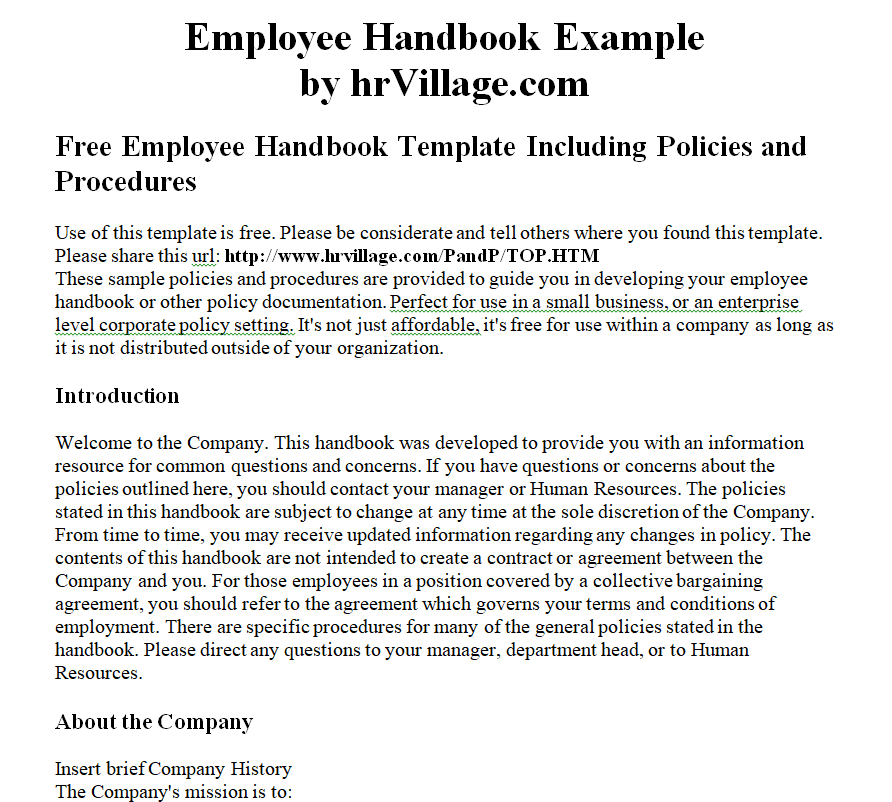
File Size: 27 KB
Small Business Employee Handbook Template WORD
File Size: 03 MB
Company Employee Handbook Example
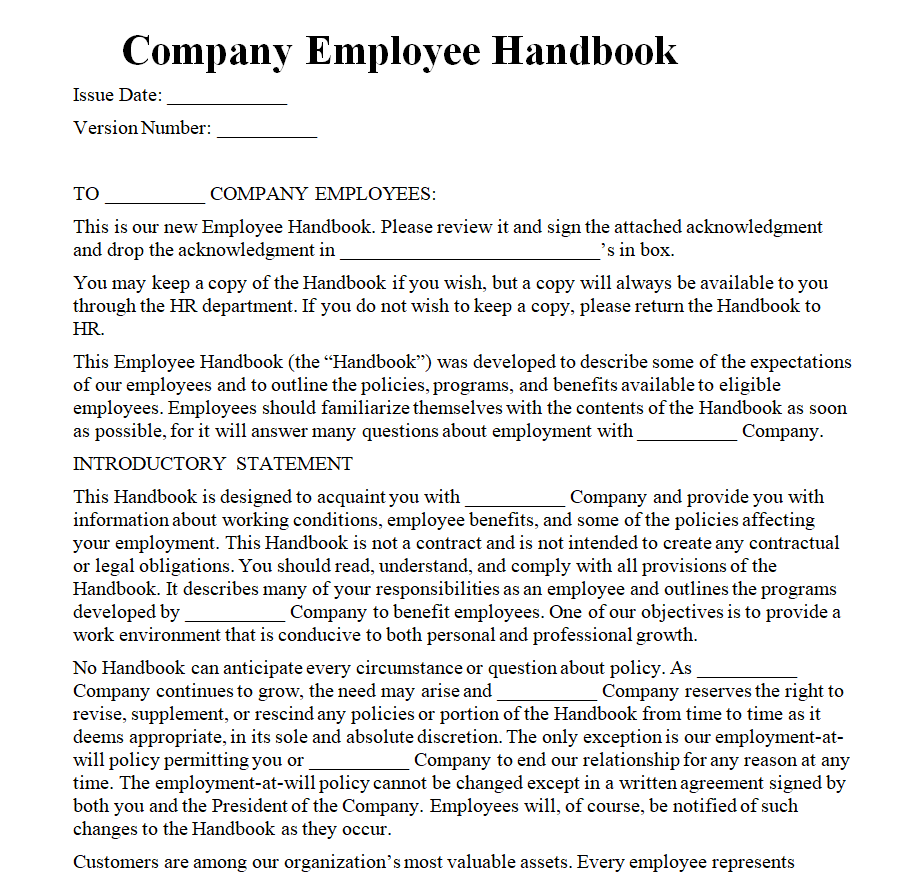
File Size: 32 KB
Sample Corporate Employee Handbook DOC
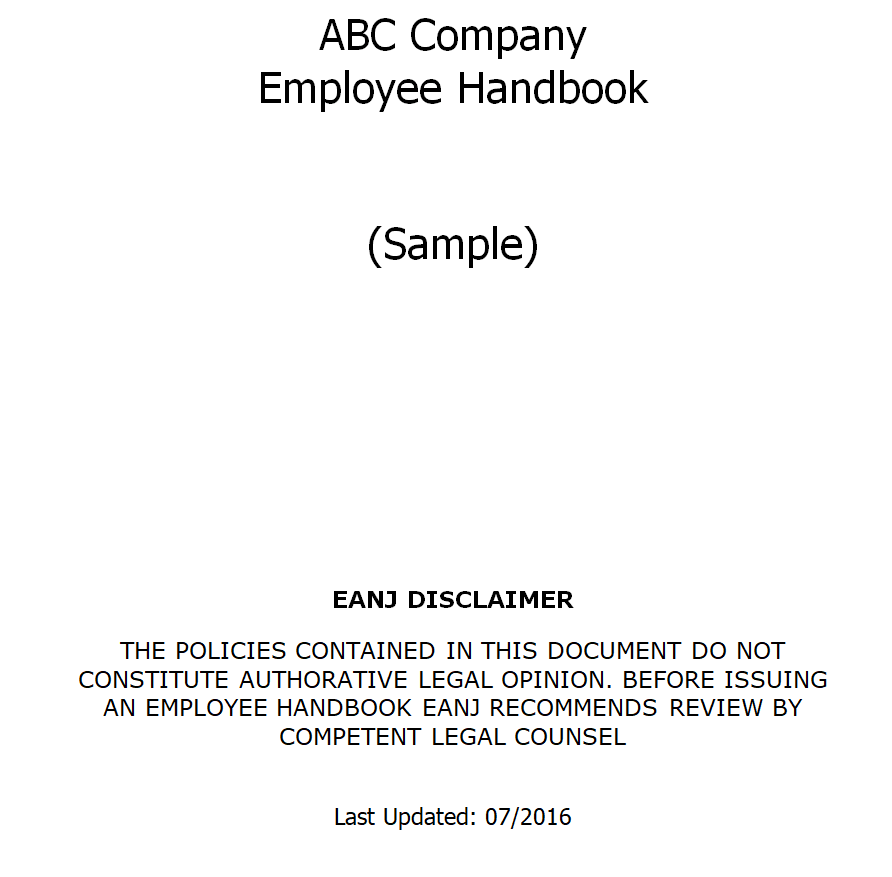
File Size: 59 KB
Formal Employee Handbook Sample WORD
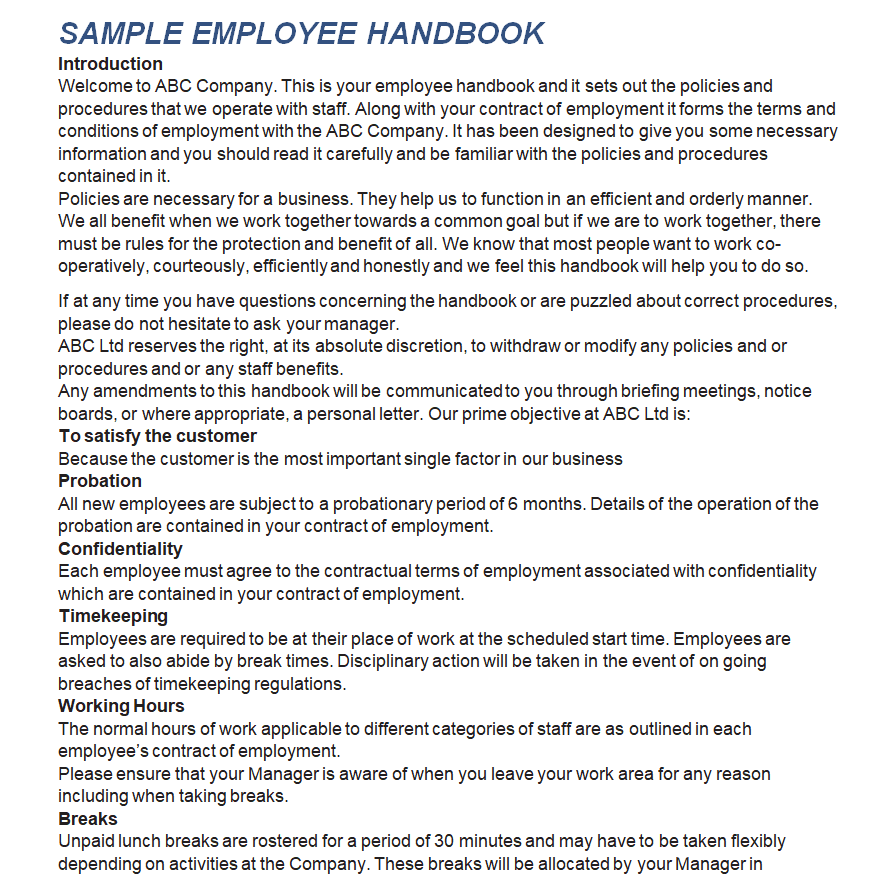
File Size: 40 KB
Generic Employee Handbook Example
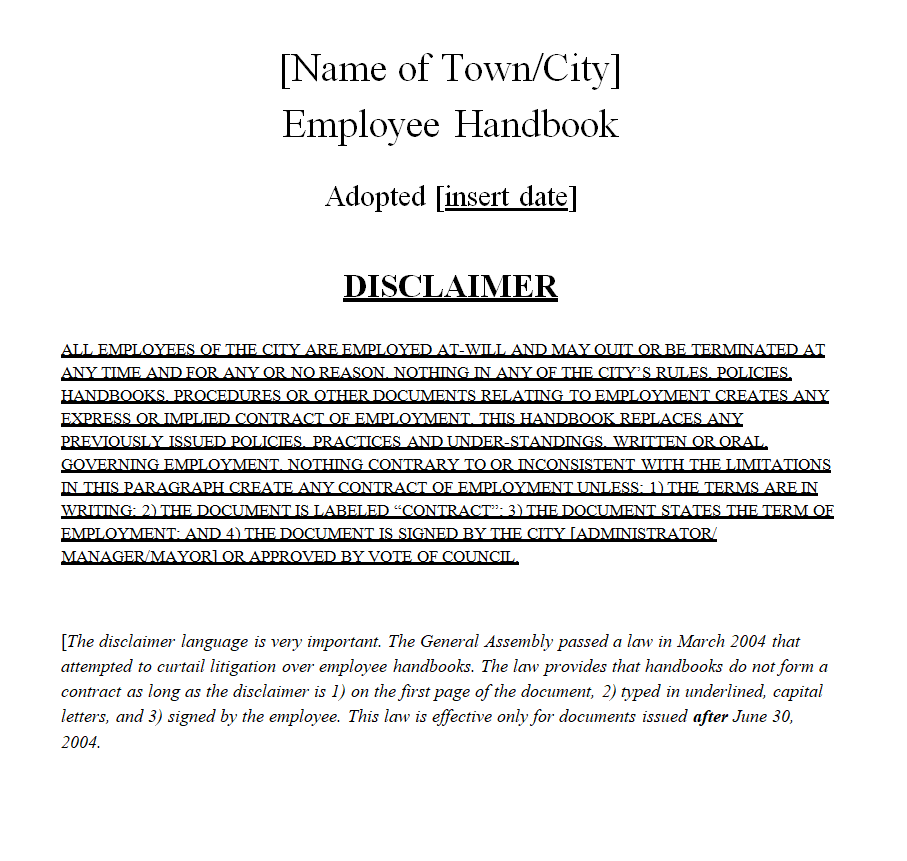
File Size: 84 KB
Standard Employee Handbook Example in MS WORD

File Size: 140 KB
Printable Employee Handbook Guide Example
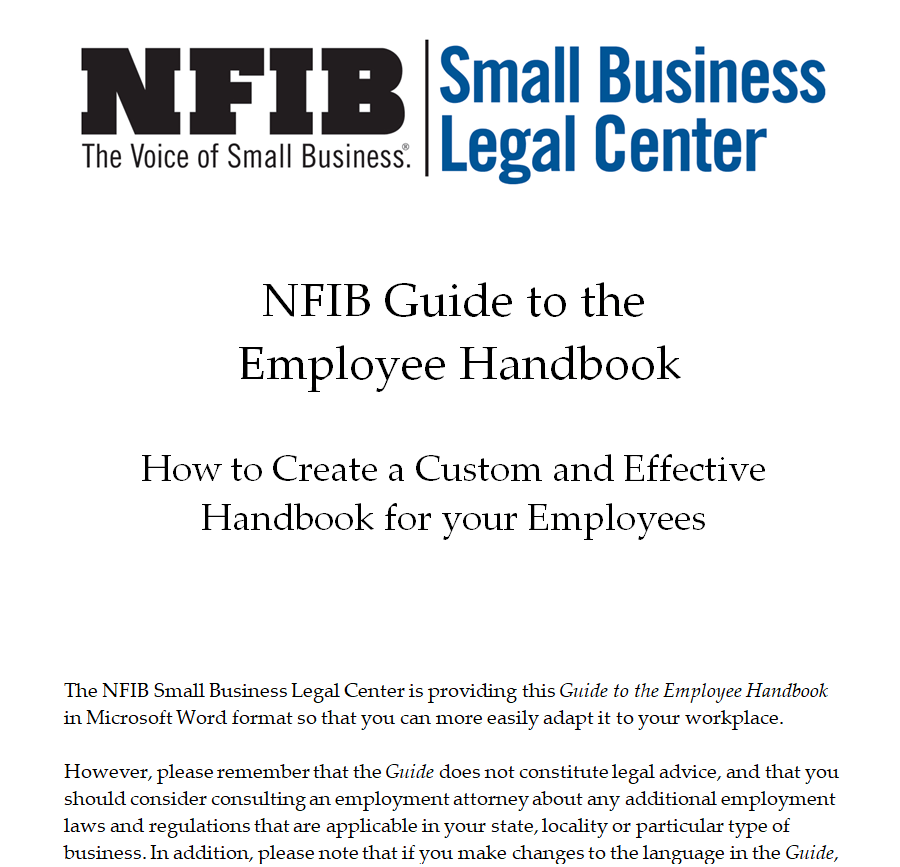
File Size: 211 KB
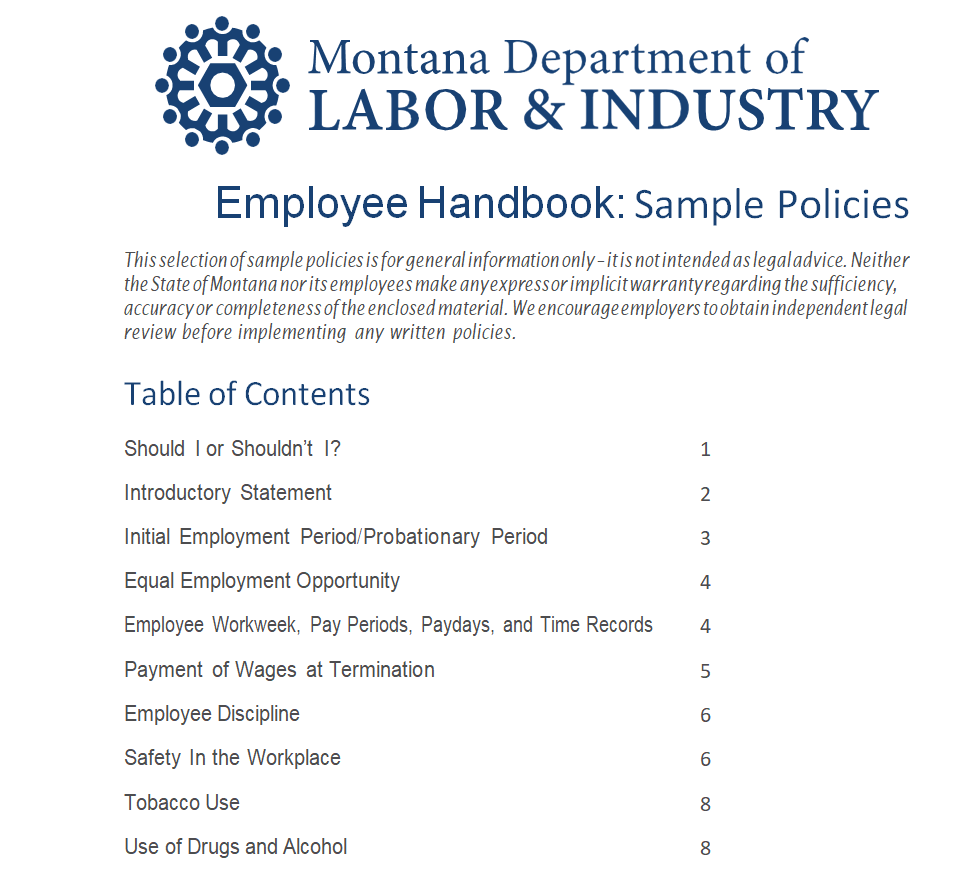
Employee Policies Handbook Sample DOC
File Size: 89 KB
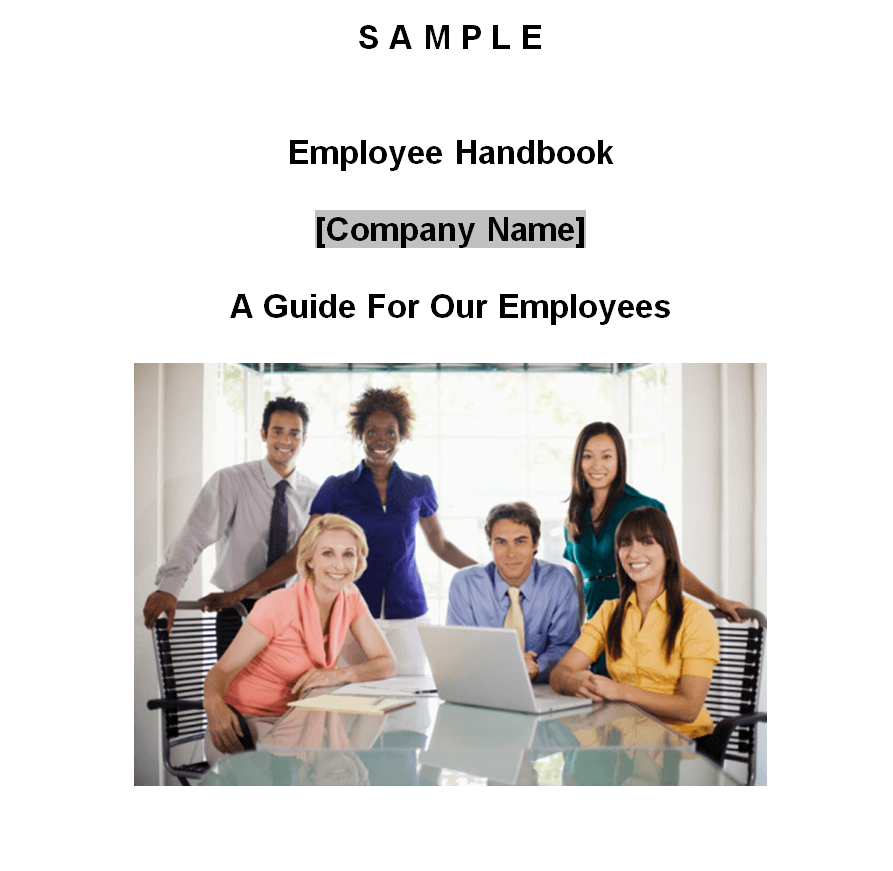
Employee Handbook Sample Guide Template
File Size: 174 KB
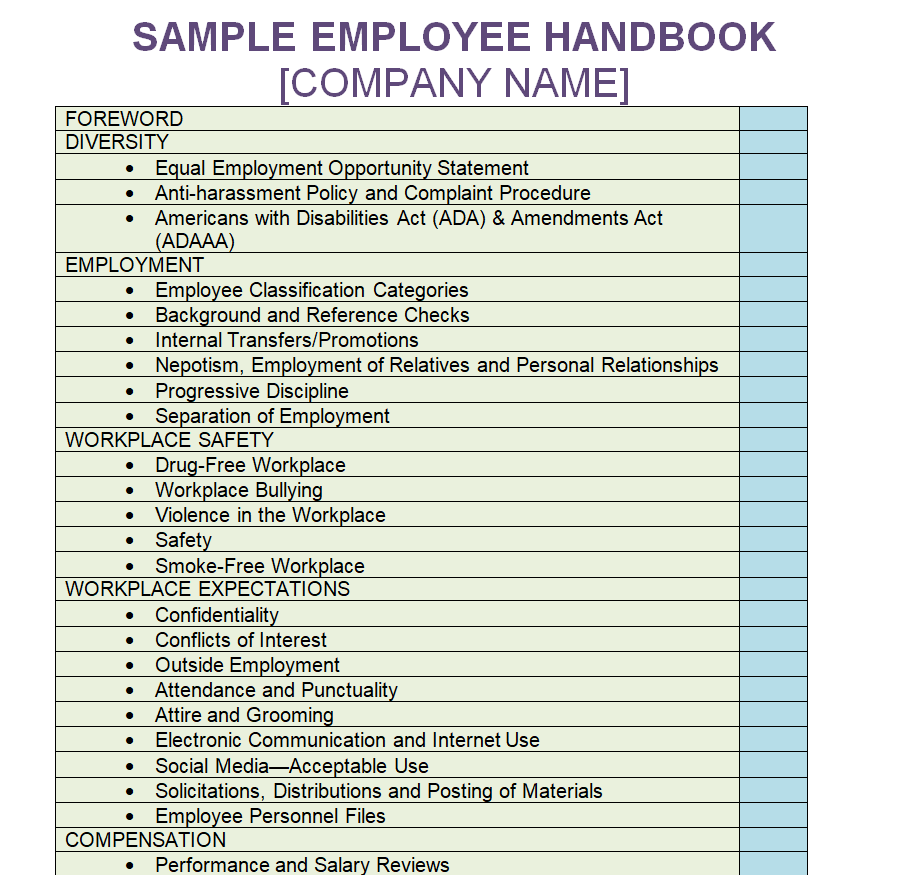
Practical Employee Handbook Template
File Size: 67 KB
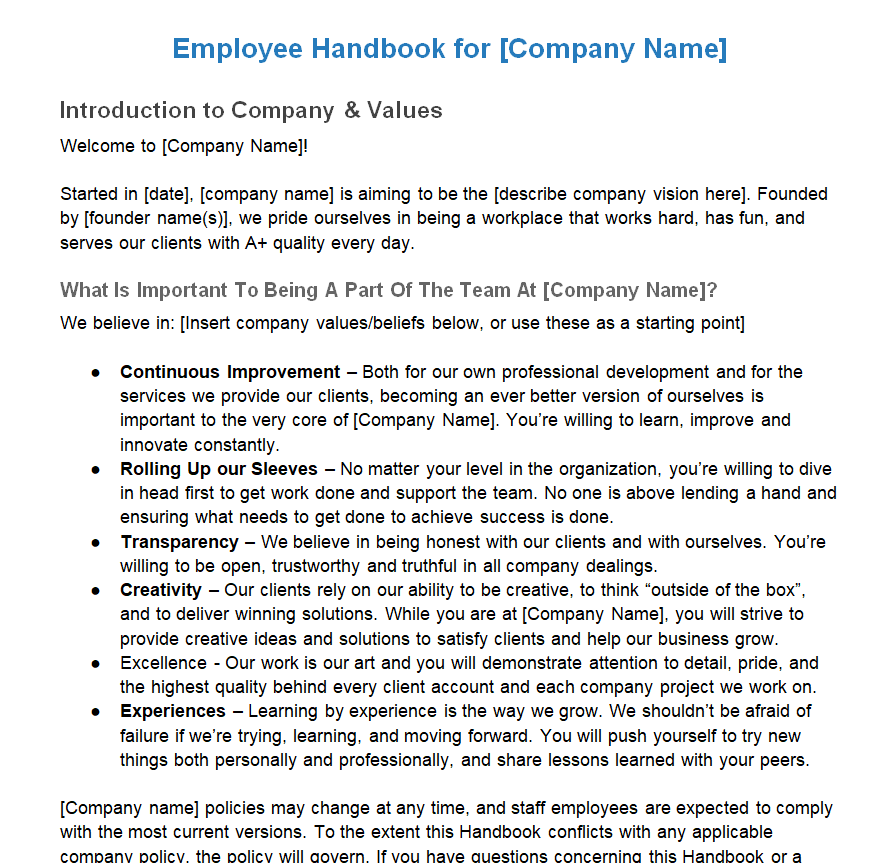
Detailed Company Employee Handbook Example
File Size: 30 KB
Employee Handbook Example Download
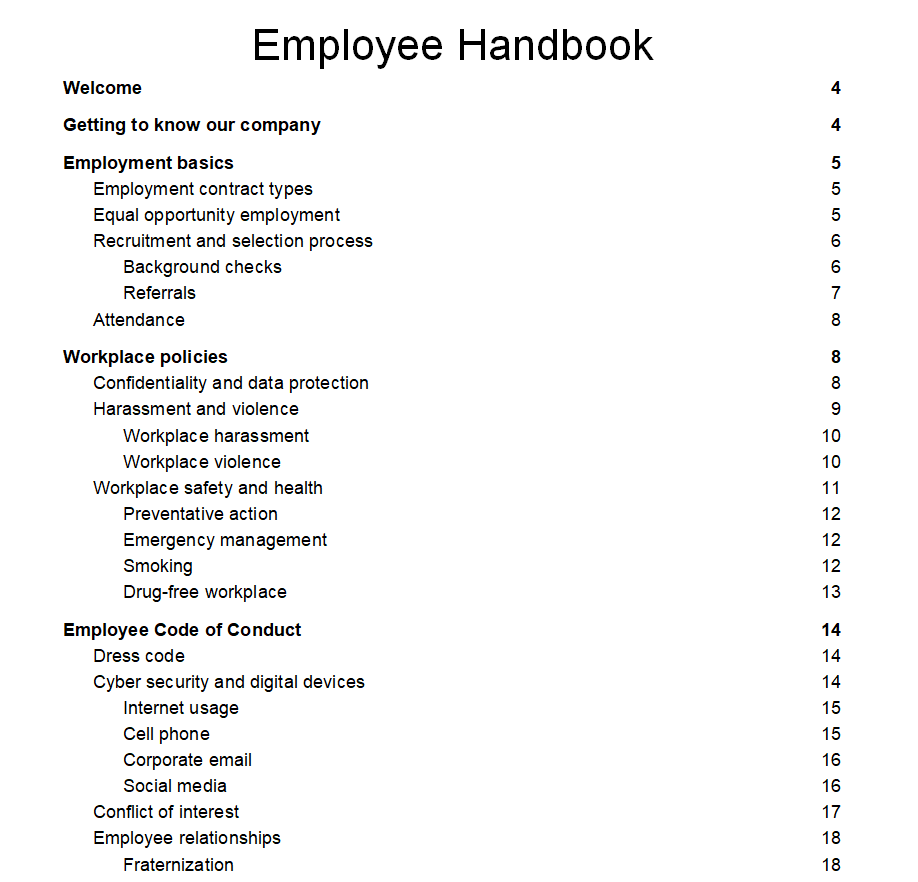
File Size: 515 KB
Customizable Employee Handbook Template
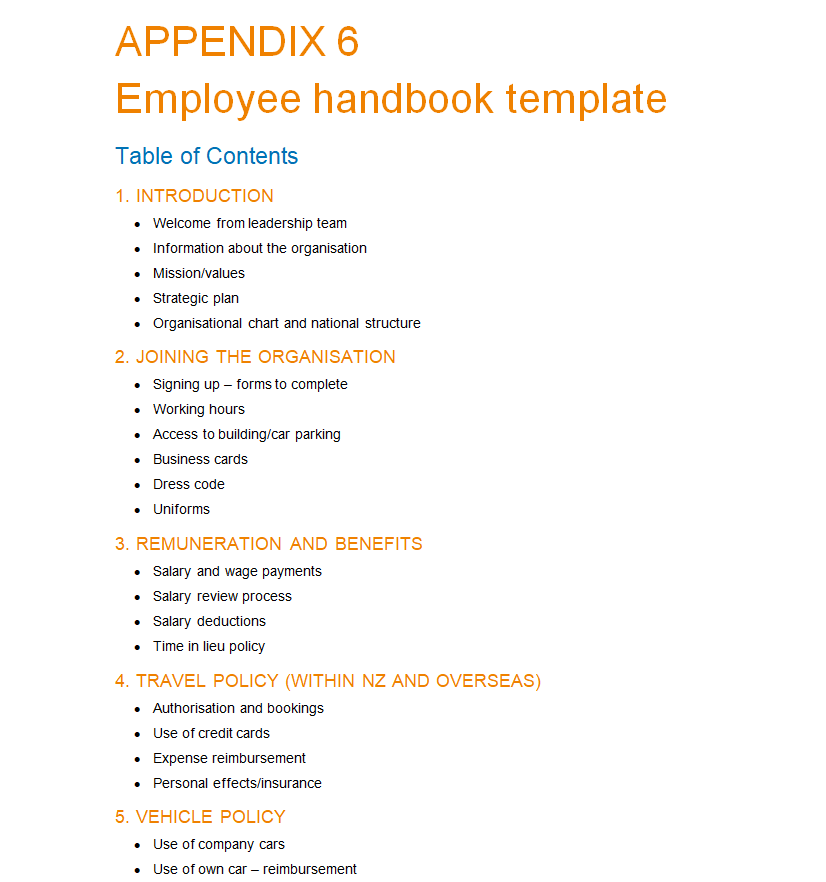
File Size: 27 KB
Enterprise Employee Handbook Template in MS WORD
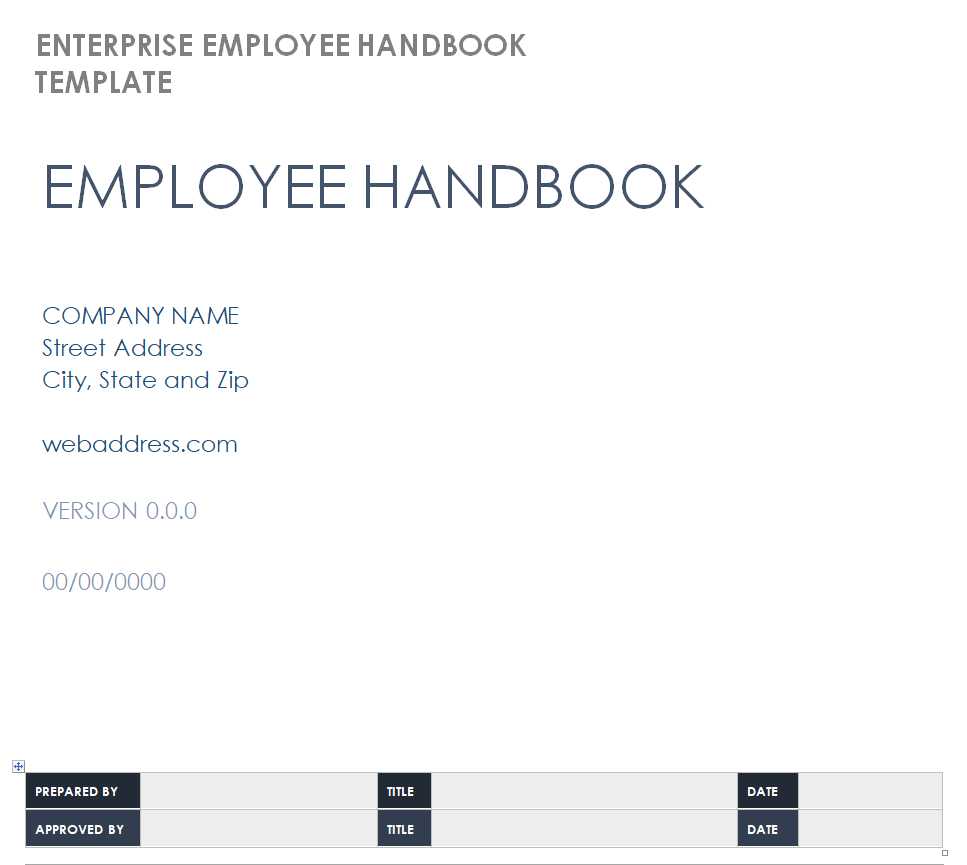
File Size: 57 KB
Sample Employee Handbook Example
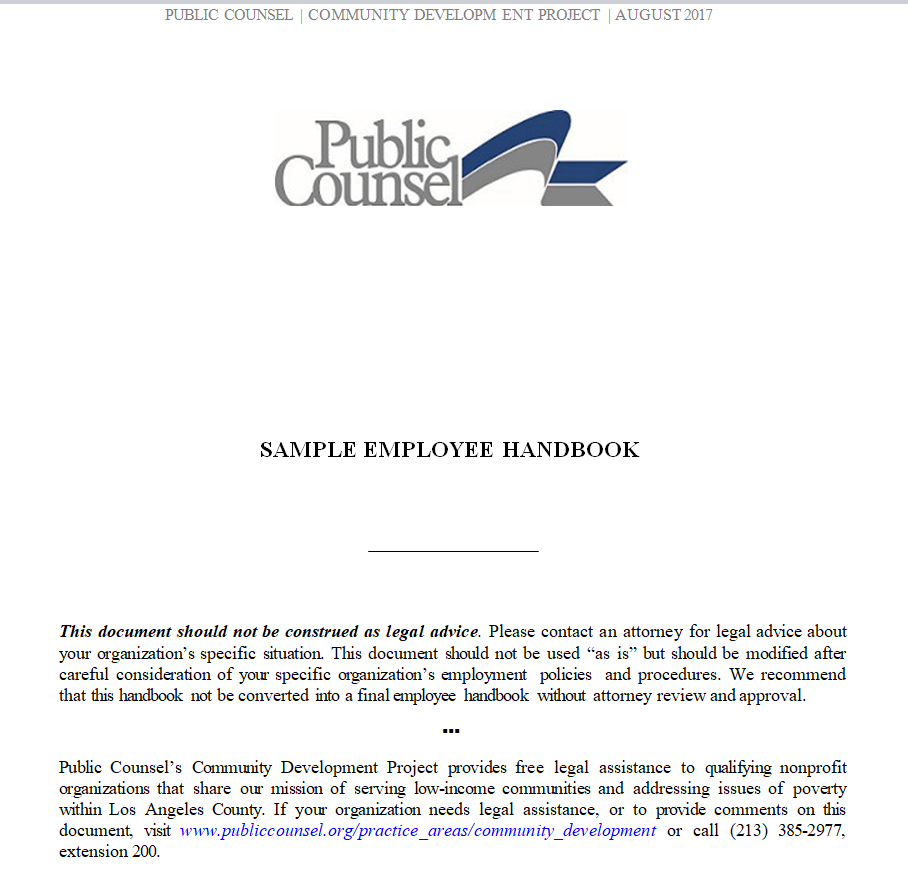
File Size: 103 KB
Editable Employee Handbook Template
File Size: 29 KB
Agency's Employee Handbook Template
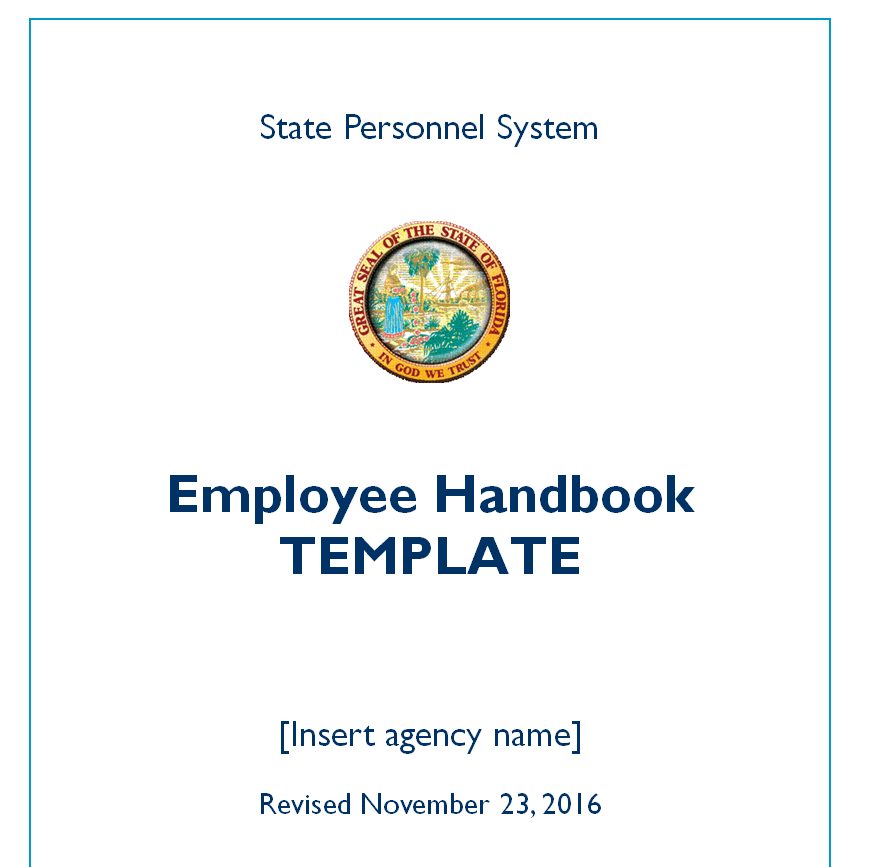
File Size: 226 KB
Employee Handbook Example Format
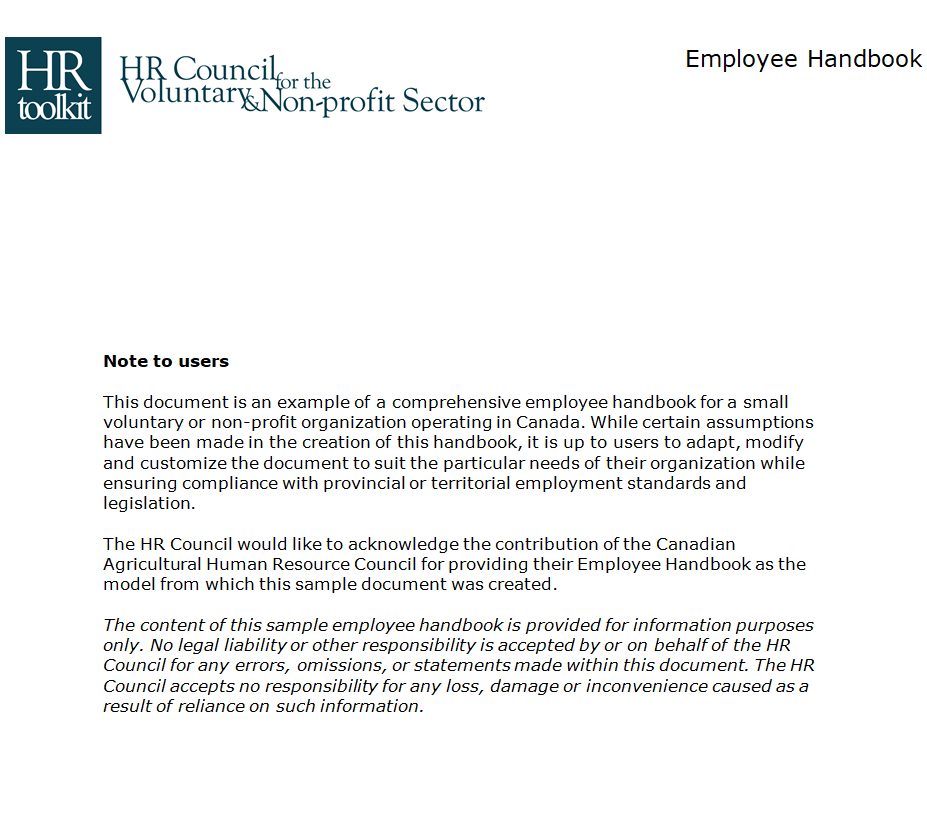
File Size: 97 KB
Organization's Employee Handbook Example
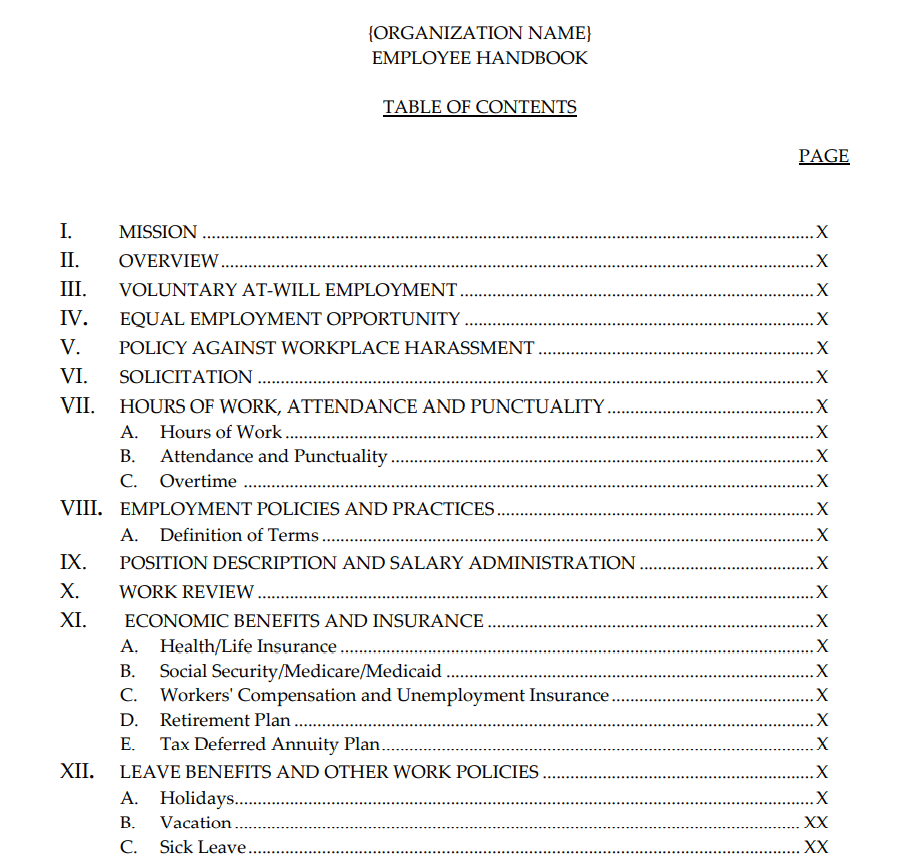
File Size: 273 KB
University Staff Handbook Example
File Size: 02 MB
NGO Employee Handbook Example PDF
File Size: 616 KB
Government Department's Employee Handbook Example
File Size: 847 KB
Employee Handbook Sample Printable
File Size: 02 MB
Sample Employee Handbook PDF Example
File Size: 147 KB
Employee Handbook Development Checklist Template
File Size: 226 KB
Small Business Employee Handbook Model
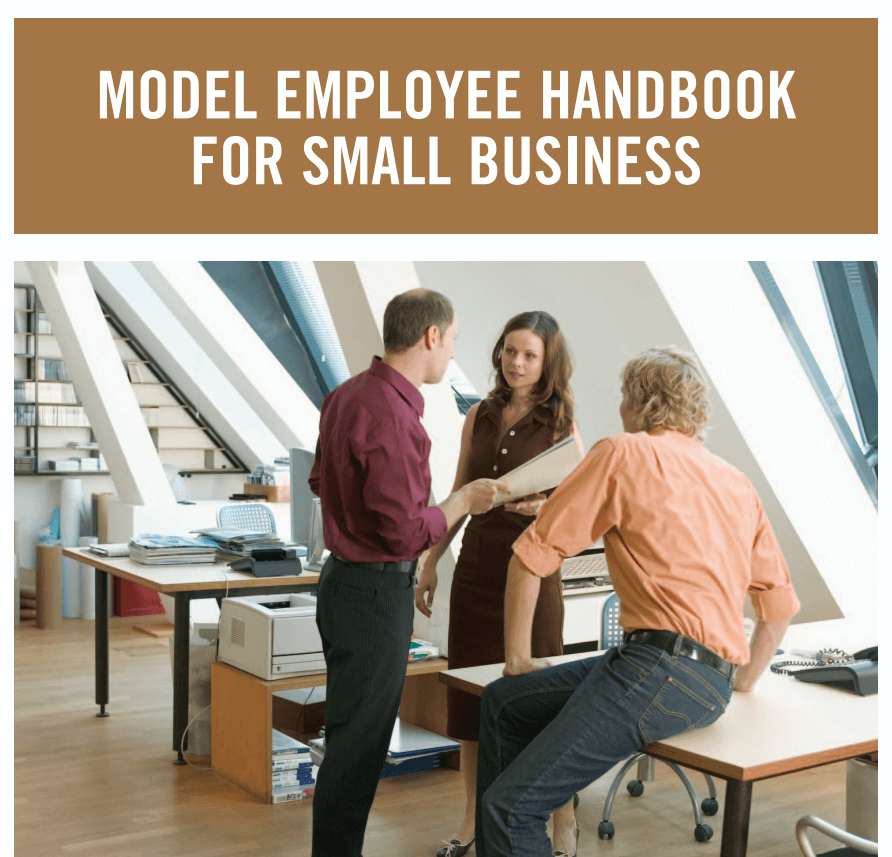
File Size: 478 KB
College Administration Employee Handbook Sample
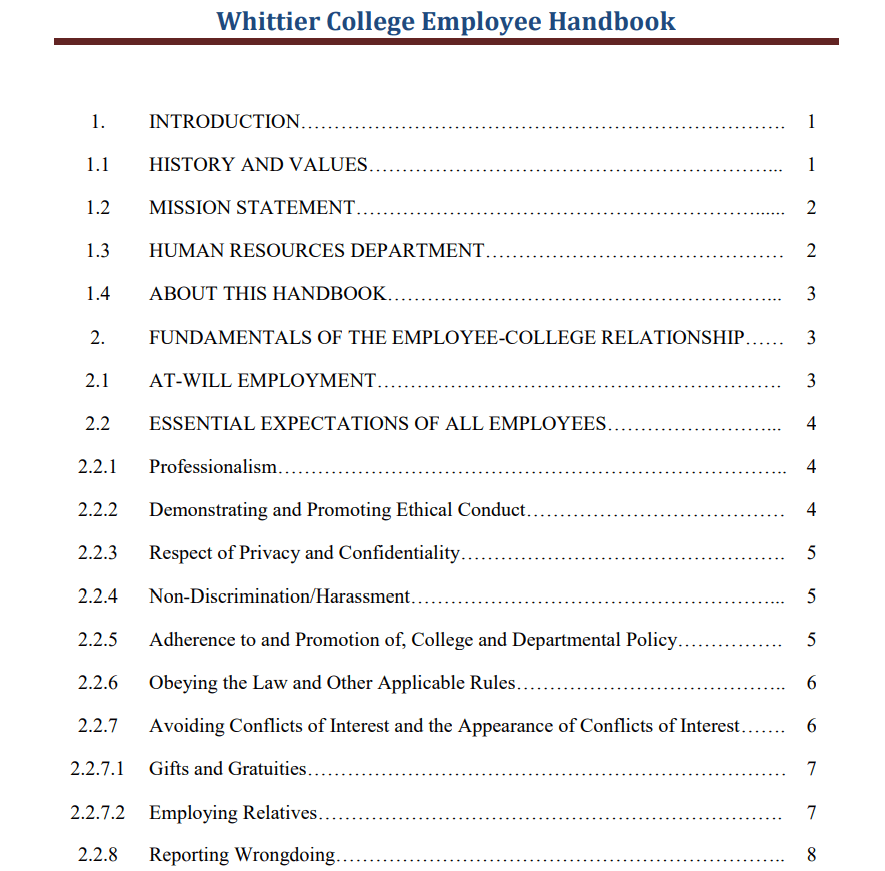
File Size: 827 KB
Business Employee Handbook Example
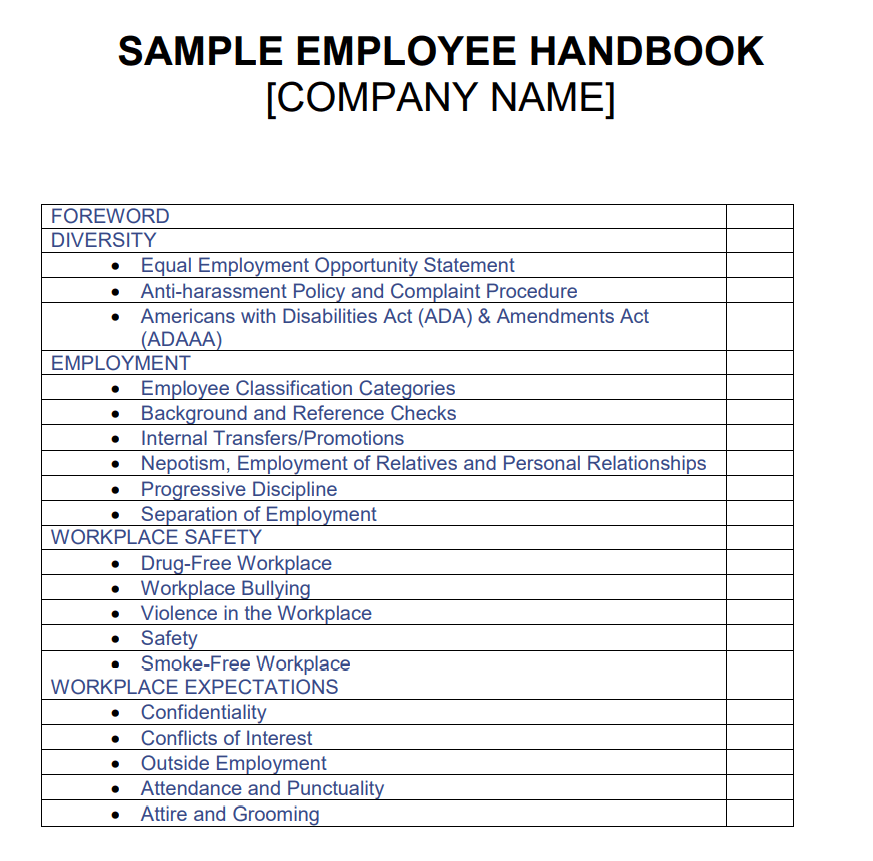
File Size: 177 KB
Employee Handbook Example Document in PDF
File Size: 02 MB
Organize around questions employees really ask
List the questions a new colleague is likely to have: where to find practical instructions, how to raise a query, who handles a particular process and which documents explain working arrangements. Group the information in a way that matches those needs.
A short organization introduction can establish context, but it should not bury the contact details and processes people need. Avoid copying a large table of contents simply because it looks comprehensive.
Keep a section only when its purpose is clear and its information can be maintained. The handbook should make the workplace easier to navigate rather than become a second filing system for every internal document.
Connect the handbook with its related policies
Decide which information belongs in the handbook and which should remain in a separately maintained policy or procedure. Where the handbook points to another document, give the current location and a recognizable title. Check that employees can actually access it.
Avoid copying long policy passages into several places unless the organization has a reliable way to keep them consistent. Review definitions, contacts and version references across the documents.
A concise explanation with a dependable link can be more useful than a detailed extract that becomes outdated. The reader should understand which source to use when they need the full approved process.
Make responsibilities and contact routes specific
Name responsible roles clearly enough that an employee knows where to begin. A repeated instruction to “contact management” may be unhelpful in an organization with several teams or locations. Identify how ordinary questions, practical requests and concerns are routed, using the organization’s approved processes.
Check that the route still works when the usual contact is absent. Use contact details or role-based addresses that can be maintained reliably. Do not invent a response promise or escalation step to make the document look complete.
The handbook should explain the support that exists and give people a usable way to reach it.
A new colleague tries three ordinary questions
Imagine a fictional new employee looking for three things: the route for requesting equipment, the current workplace policy library and the person to contact about an incorrect personal detail. A handbook test asks the employee to find each answer without help from its author.
The first draft uses several internal abbreviations and an old shared-drive reference, so the task exposes two practical obstacles. The revised version explains the unfamiliar terms and points to the approved current location. No new benefit or employment rule is invented during the rewrite.
The example shows how navigation testing improves a handbook’s everyday usefulness while the organization’s review process remains responsible for its substantive arrangements.
| Employee question | Handbook support |
|---|---|
| Where do I find the full process? | Give the current policy title and accessible location. |
| Who should I contact? | Identify the responsible role and working contact route. |
| Which version should I use? | Make the current approved version easy to recognize. |
Review wording that could create an unintended commitment
Read sample statements about working arrangements, benefits, leave, discipline and other employment matters carefully. Confirm that they describe the approved position and are consistent with the relevant documents and requirements. Do not assume that calling something a handbook settles its legal status or effect.
That question needs appropriate review for the circumstances. Avoid a broad copied disclaimer as a substitute for checking the actual wording. If the organization has several locations or worker groups, identify where arrangements differ instead of presenting one unexplained rule as universal.
The finished document should be clear about its scope and useful without overpromising.
Introduce the handbook through a practical orientation
Give a new colleague time to find and discuss the information rather than simply sending a long file. Use a few ordinary scenarios to show where the relevant process lives. Explain which questions should go to a manager, a specialist team or another approved contact.
Keep any acknowledgment or training record consistent with the organization’s process, and distinguish receipt from understanding. A signature does not show that someone can find the procedure when they need it. Questions raised during orientation can reveal missing explanations or unclear navigation.
Use that feedback to improve the document without changing approved arrangements informally.
Maintain one identifiable current version
Assign ownership and a review process, then keep the current version easy to find. Review the handbook when important arrangements change, including the linked documents and contact routes. Communicate material changes to the people affected rather than assuming they will notice a replaced file.
Keep superseded versions distinguishable through the organization’s records process. Test the final export and navigation after revisions, particularly if headings or links have moved. A clear version date is useful, but it does not by itself establish that every section has been checked.
Record the appropriate review and approval behind the version people receive.
Use the first page to orient the reader
Give the reader the organization name, the handbook’s scope and a clear route to the main sections. Keep a long leadership message proportionate to the document’s practical purpose.
A readable contents page is useful for a longer file, but check its page references or links after editing. Use headings that match the questions employees bring to the document.
Before release, ask someone outside the writing group to explain where they would look for a particular process. If the answer depends on knowing an internal nickname, improve the wording so a new colleague can find it too.
A final check before using the template
- Review scope and employment wording appropriately.
- Check policy references and accessible links.
- Name responsible roles clearly.
- Test ordinary employee questions.
- Confirm ownership, approval and version details.
- Explain material changes to affected staff.
Related templates
Keep practical identification materials separate from the handbook using ID card templates.
For a separate document confirming employment status, compare employment certificate templates.
When responsibility for orientation changes, record the outstanding work with handover report templates.
For UK employment context, see Acas guidance on employment contracts. Review the handbook using guidance appropriate to the organization’s location and workforce.
Frequently asked questions
Can a small employer use a short handbook?
Yes, if it clearly covers the information employees need and points to the appropriate current processes. Length alone is not a measure of usefulness. Review its scope and wording against the organization’s actual arrangements and applicable requirements.
Should every policy be copied into the handbook?
Decide how the documents will be maintained. A clear summary and dependable reference may avoid conflicting copies. If material is reproduced, establish how revisions will stay consistent and make the full current process accessible.
Does an acknowledgment mean an employee understands everything?
Receipt and understanding are different. Use the organization’s appropriate acknowledgment process, and provide a practical route for questions. Scenario-based orientation can show whether someone can find and use the information they need.
Who should review the finished handbook?
Involve the people responsible for its subjects and the organization’s approval process. Employment and other regulated matters can require specialist review. Test navigation with an ordinary reader as well as reviewing the document’s substantive wording.
You can also browse more options in the Other Templates category.
