
A report can have an attractive headline and still leave the reader wondering what actually happened. News report templates provide space for the story, but the reporting supplies the substance: verified details, clear attribution and a lead that explains why the event matters. Choose the layout after you know what you can support.
The 12 downloads below include newspaper-style layouts, report examples and guides, with previews to help you compare them. Most focus on Word documents, while the collection also includes a presentation example.
They suit different purposes, so a classroom exercise, a community newsletter and a published news story should each be adapted to their own audience and editorial process.
Use the following guide to organize your material before formatting. It includes a hypothetical community-event example, a way to separate notes from publishable claims, and a final review that checks the story as carefully as the page design. Replace every sample name, date, caption and quotation before sharing your version.
Collect the facts before choosing the headline
Start a reporting note with what happened, where it happened, when it happened and who was involved. Add how you know each point. A first-hand observation, an organizer’s estimate and a document supplied after the event are different kinds of support.
Keep those distinctions visible in your notes so they survive the writing process. Mark unanswered questions instead of filling the gaps with plausible detail. If an event has not yet happened, describe the information as a plan or announcement.
A scheduled opening is not a completed opening. The headline and opening sentence should reflect the strongest verified development, rather than the most dramatic possibility mentioned during an interview.
Write a lead that gives readers a useful starting point
A straightforward lead identifies the central development and enough context for the reader to understand it. You do not need to force every detail into the first sentence.
For a school exhibition, the main news might be the opening of a student project display, followed by its location and dates. Attendance estimates, background and comments can follow in a sensible order.
Avoid starting with a broad statement about the importance of education when the reader wants to know what changed at this particular school. Read the lead aloud and remove phrases that delay the actual event.
Then check that the headline promises the same story the opening delivers.
A community-event lead, worked through
Imagine a fictional neighborhood garden opening. The reporter has observed the opening, confirmed the location with the organizers and interviewed one volunteer.
A workable lead would say that residents opened a shared garden at the community center on Saturday, then explain the purpose of the space. If the volunteer says the garden could host workshops, describe that as a proposal rather than a confirmed program.
An organizer’s estimate of visitors can appear with attribution; an unsupported claim that it was the city’s largest opening should be left out. The next paragraphs might describe the planting areas, explain how residents can ask about participation and include a checked quotation.
This example needs no invented applause, weather details or emotional reaction to feel complete. Its value comes from selecting the relevant facts and making their status clear. In a real report, every detail would need its own reporting support.
| Material in your notes | How to handle it in the report |
|---|---|
| What you observed | Describe accurately within the limits of the observation. |
| An organizer’s estimate | Attribute it and preserve its status as an estimate. |
| A proposed future event | Present it as a plan, not a completed development. |
Keep facts, estimates and opinions distinct
Attribution helps readers understand the basis of a statement. If an organizer says that 200 people attended, the report should not quietly turn that estimate into an independently counted total.
If a participant describes an event as successful, identify that assessment as their view rather than an established finding. Use quotation marks only for words you have accurately recorded and checked.
A paraphrase should preserve the meaning while using your own wording; it should not be presented as a direct quote. When a claim is disputed, describe what is known and what remains unresolved.
A tidy template cannot compensate for a sentence that gives uncertainty more confidence than the reporting supports.
Make the middle of the story earn its space
After the lead, add the information readers need next. That might be the practical effect of a decision, a clear explanation of the event, relevant background or an attributed response. Arrange paragraphs so that each adds something new.
Avoid repeating the headline in several different ways merely to fill a column. A short community report can end when the useful verified information ends; it does not need a personal verdict about the event.
If a next step is known, state it accurately and identify the source. If you are writing a classroom exercise, distinguish the exercise’s imagined details from real reporting so the example is not mistaken for an actual news account.
12 downloadable examples and previews
Compare the report’s purpose as well as its appearance. Some files are page layouts, while others are examples or reporting guides. Choose a file that matches the assignment, then replace its sample story and review the final reading order.
A presentation layout is useful for a different output from a newspaper-style article. Use the download button for the file rather than saving the preview image. Extract ZIP packages before opening their contents, and check the format before editing.
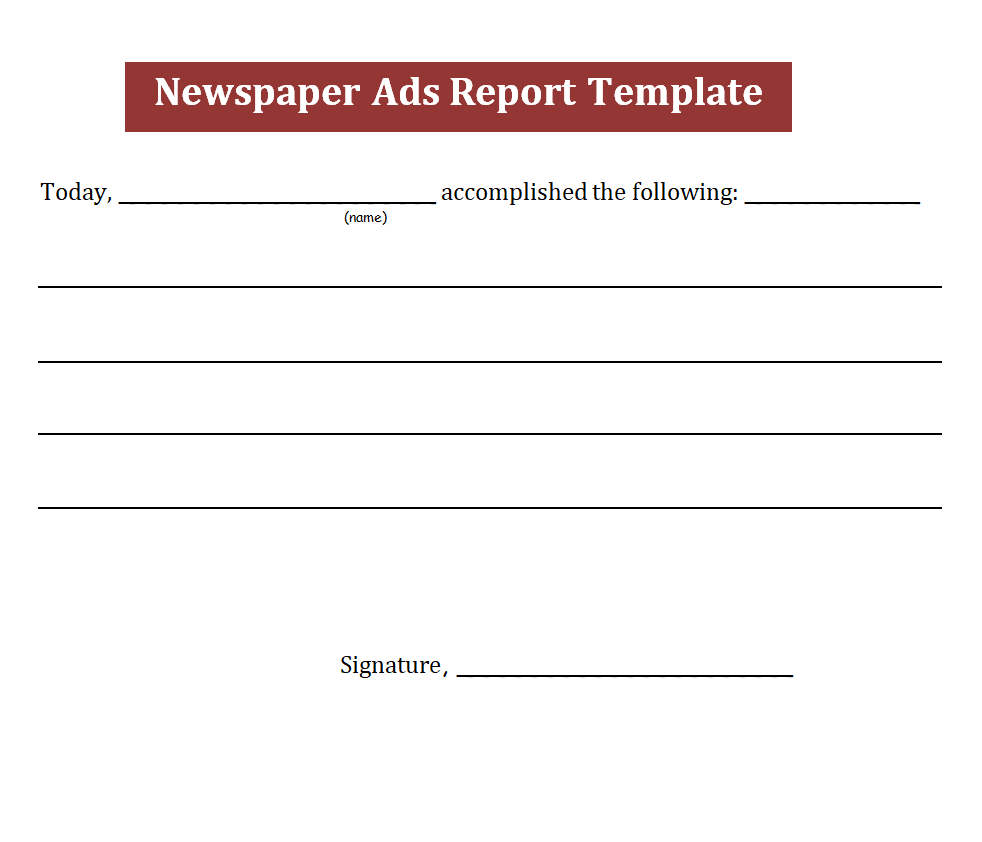
Newspaper Ads Report Template
File Size: 09 KB
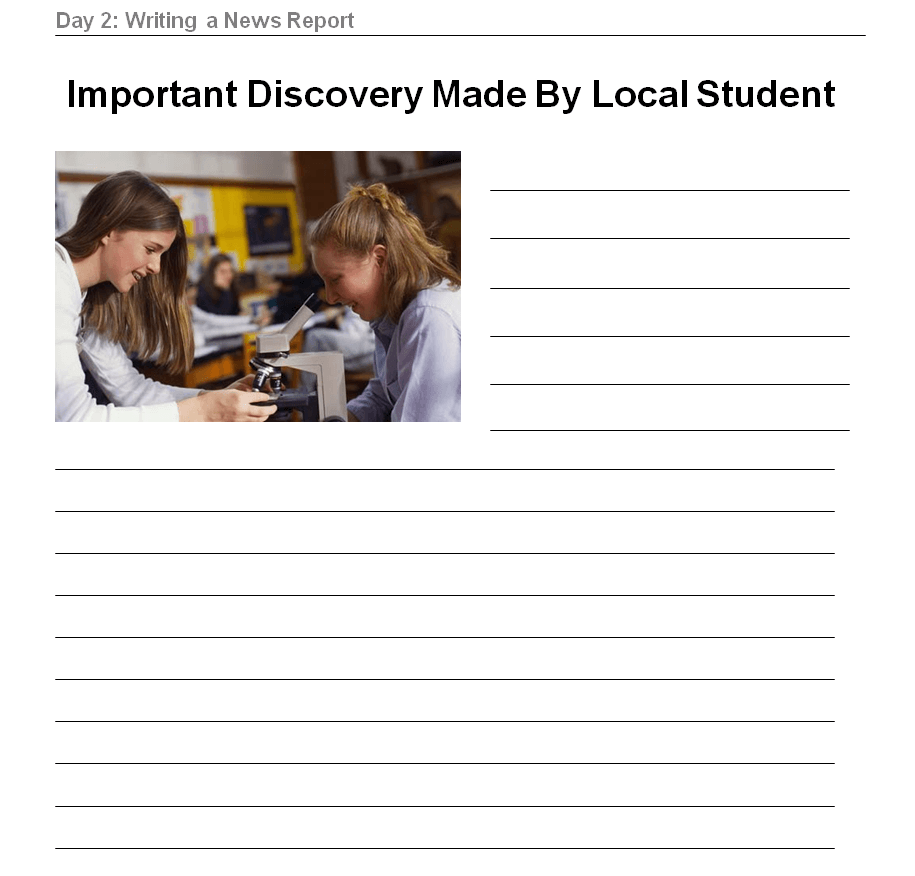
Practical News Report Format
File Size: 731 KB
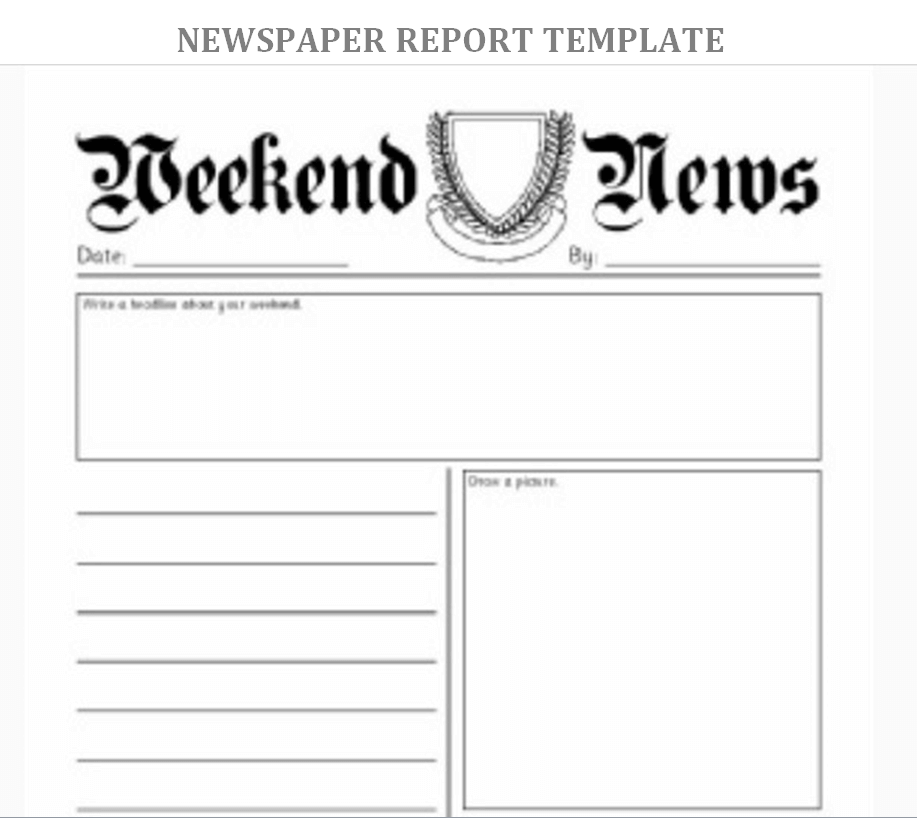
Local Newspaper Report Template WORD
File Size: 37 KB
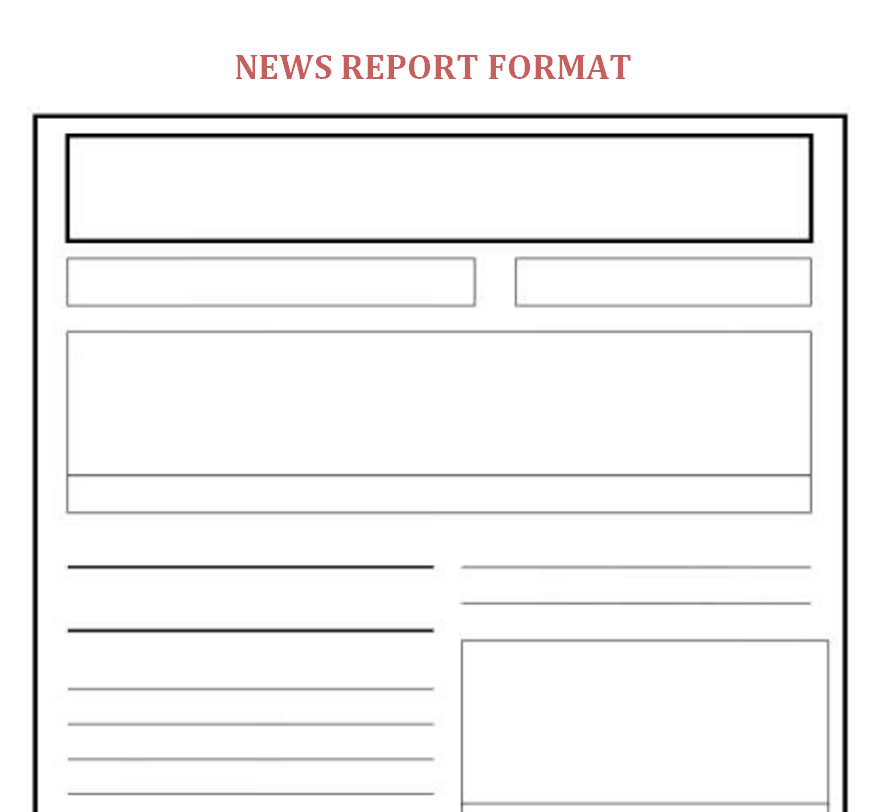
Blank News Report Format
File Size: 32 KB
Sample Newspaper Report Template
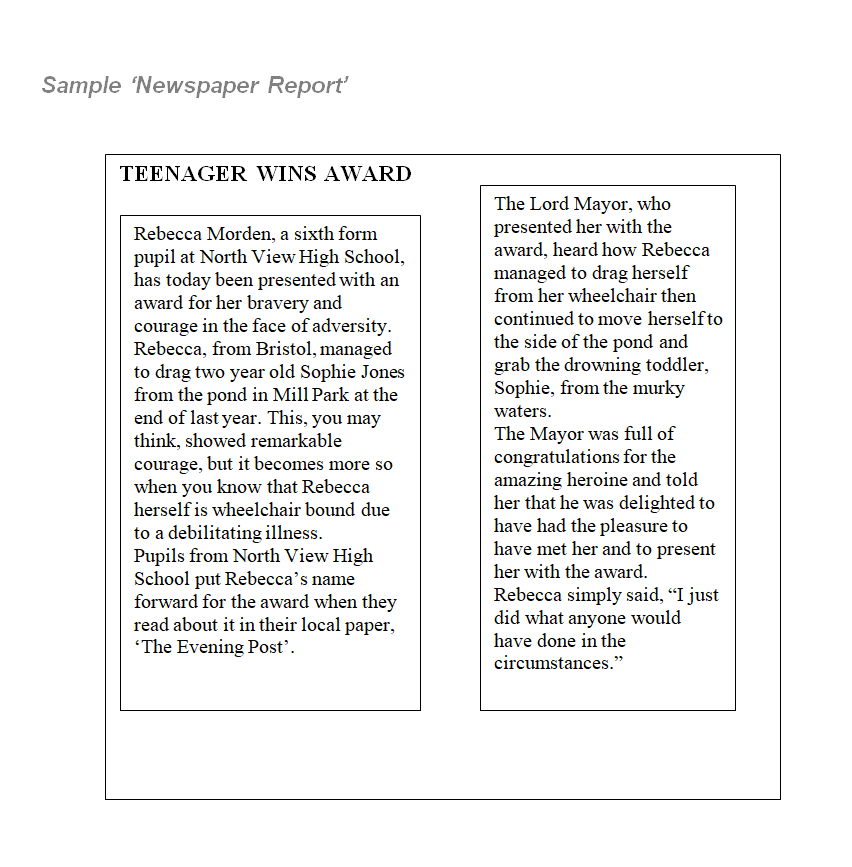
File Size: 19 KB
Professional News Report Template in PowerPoint
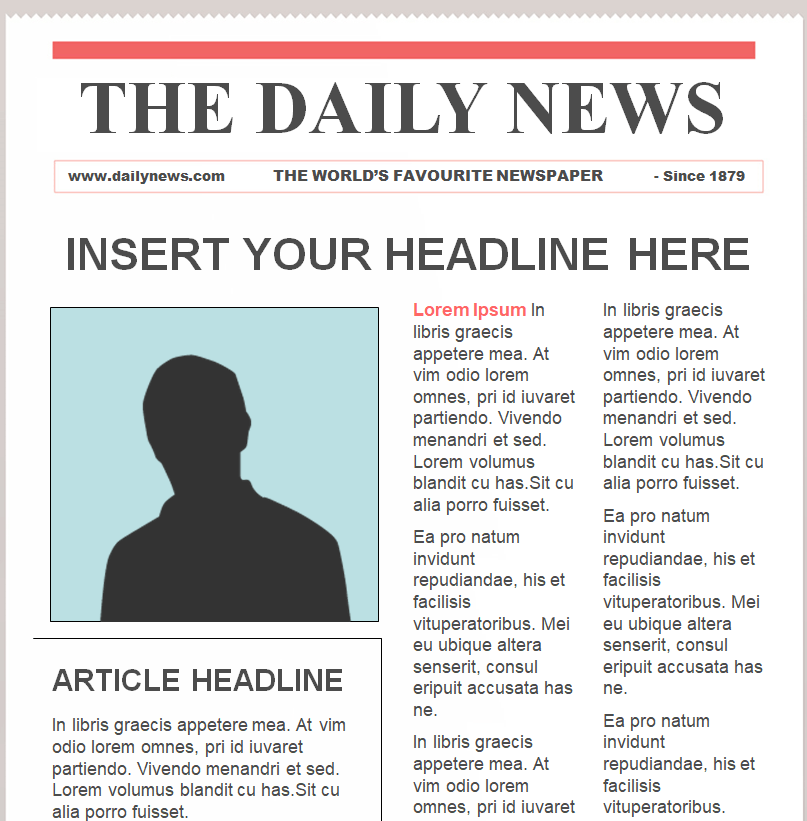
File Size: 492 KB
News Report Guide Template
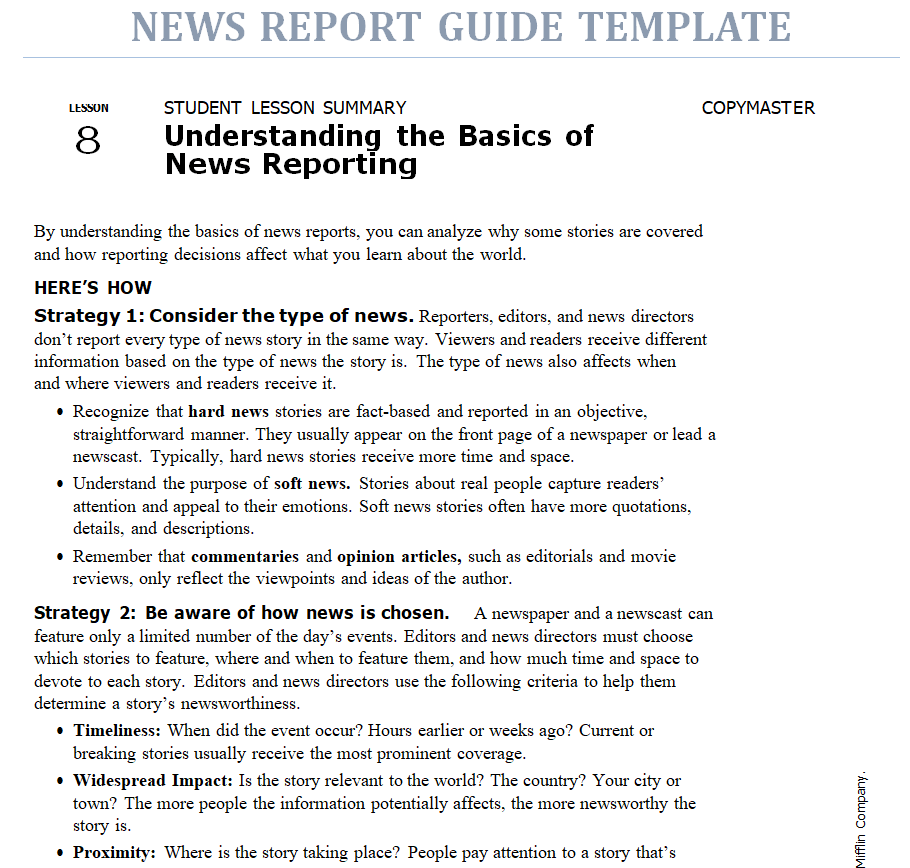
File Size: 29 KB
Fillable Newspaper Report Format
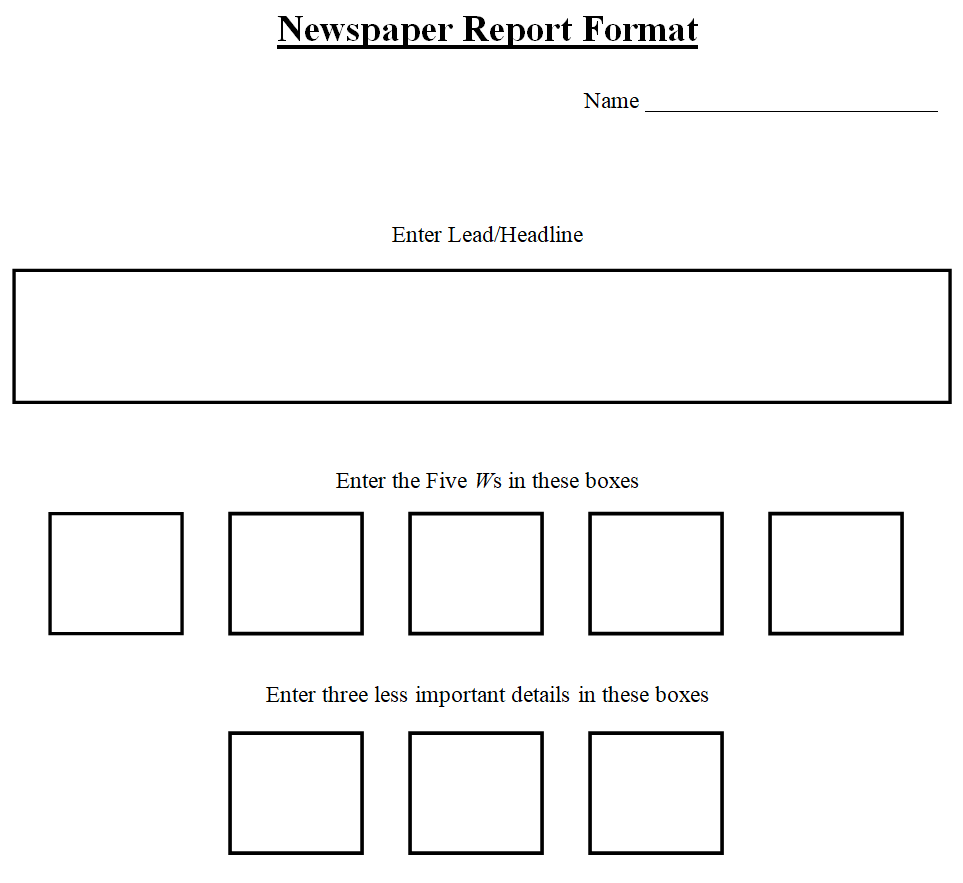
File Size: 22 KB
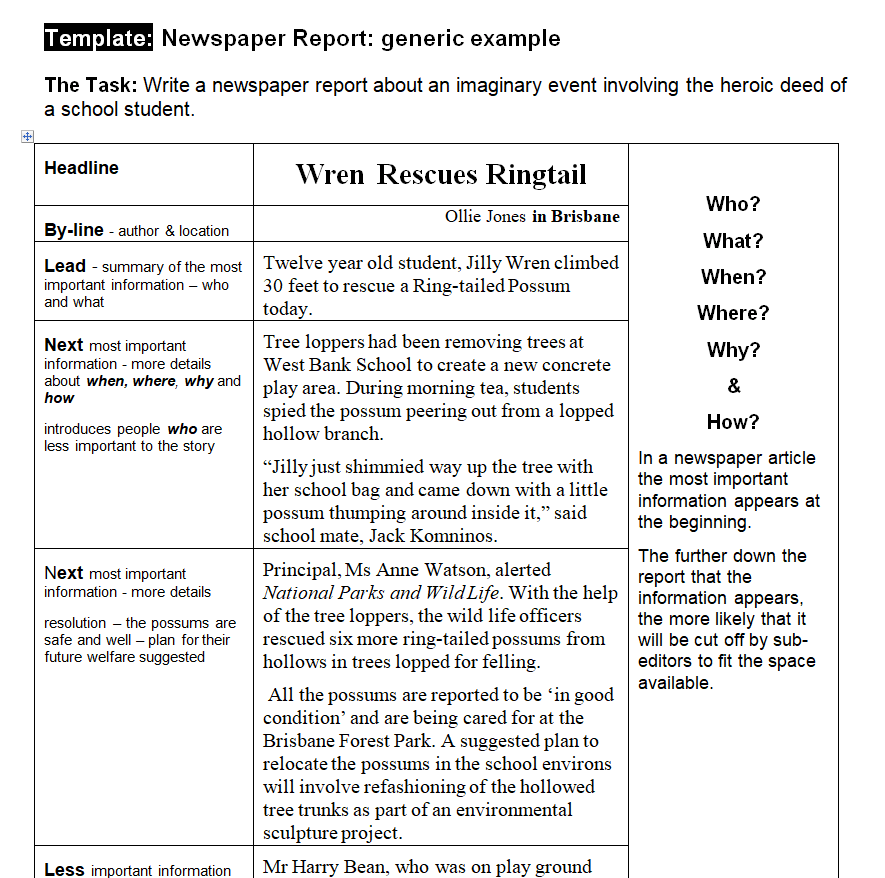
News Report Generic Example
File Size: 08 KB
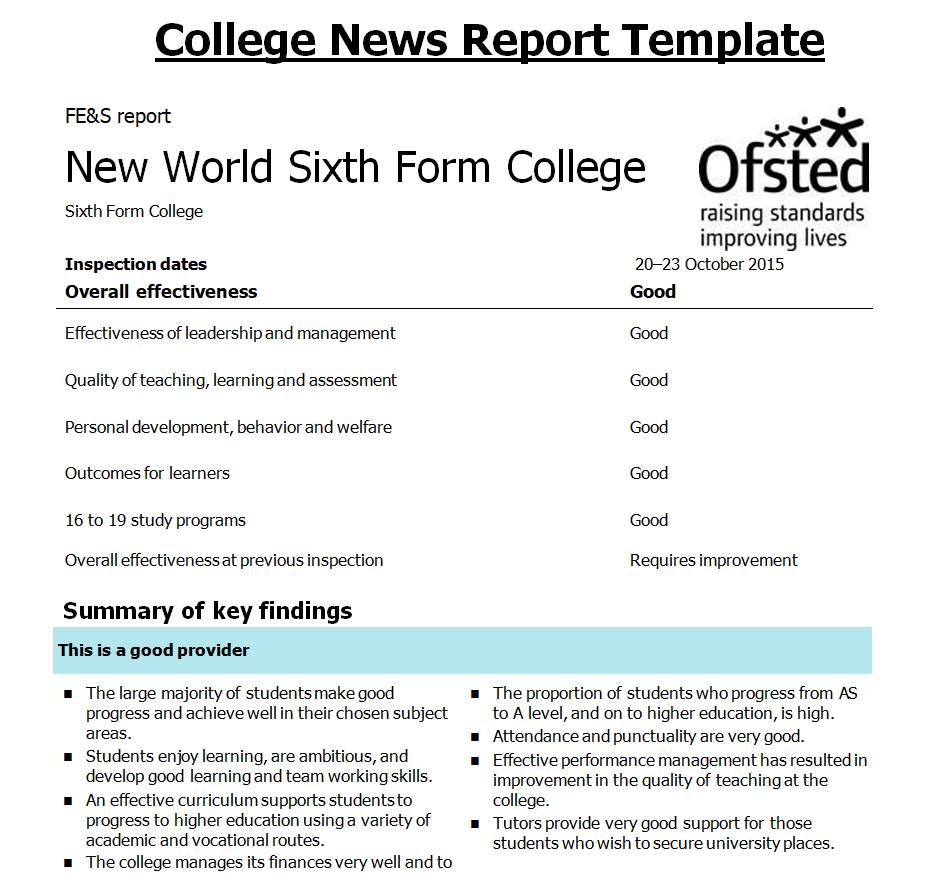
College News Report Template in MS WORD
File Size: 83 KB
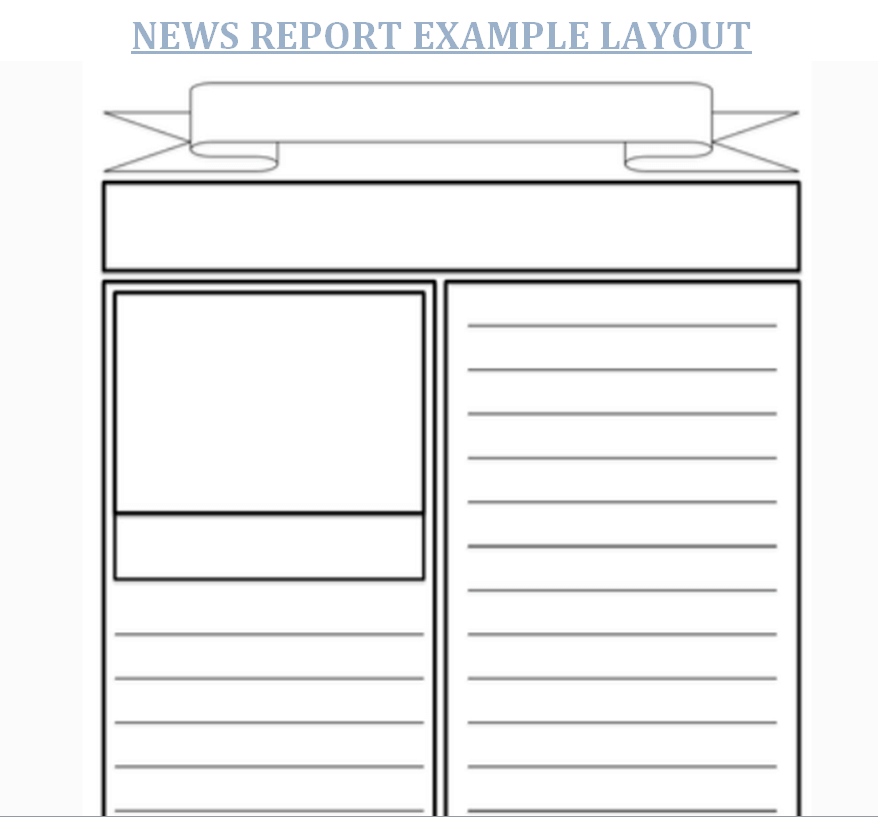
News Report Example Layout
File Size: 27 KB
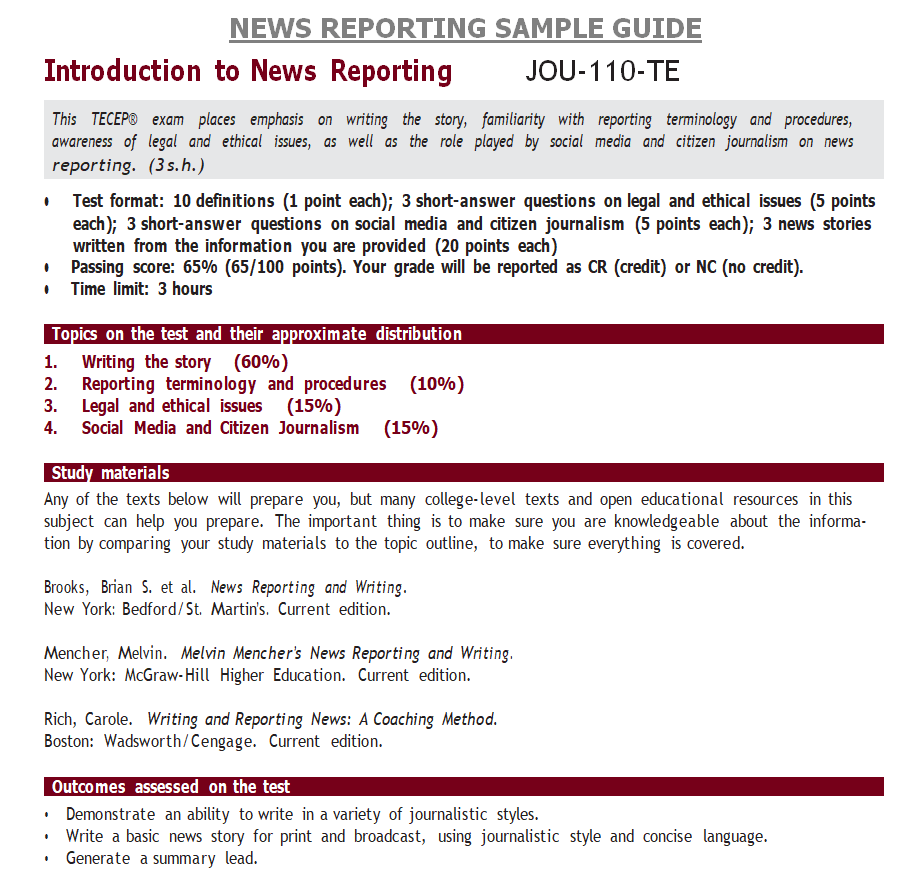
News Reporting Sample Guide Template
File Size: 31 KB
Use the layout to support the story
Check what each downloaded example is designed to do. A newspaper advertisement report, a reporting guide and a blank news page may look related but serve different purposes. Choose the one that matches your assignment.
Use short paragraphs and a readable type size, then adjust the column width so lines are comfortable to follow. Give photographs captions that explain their connection to the story.
Review image permissions and credits before reuse; downloading a layout does not establish permission to republish every image it contains.
Keep the byline separate from the headline, and use a short summary or deck only if it adds useful context rather than repeating the same words.
Review the report after the final formatting change
Editing can introduce problems after the facts have been checked. A moved text box may hide the end of a quotation; a shortened caption may remove an important qualification. Recheck the complete story in its final reading order, including headings, captions and sidebars.
Compare names and dates with your notes, check that links lead to the intended sources and remove all placeholder text. If a figure changes during editing, update every occurrence instead of fixing only the first paragraph.
Read the exported or printed version as well as the editing file. The document you approve should be the same version that readers receive, with a clear filename and publication date where appropriate.
Build a correction habit into the workflow
Keep the notes and source references that support the report in an organized location, subject to your publication’s practices for handling sensitive material. When a possible error is raised, compare the published wording with that record.
Correct the actual error and consider whether it also affected the headline, caption or a social post. Follow the relevant editorial process for explaining a correction rather than silently rewriting a material point and assuming the issue is settled.
For a student exercise, recording what changed and why is useful practice. It helps distinguish a factual correction from a stylistic preference and makes the next reporting assignment easier to review.
A small source ledger prevents large mix-ups
Alongside the draft, keep a simple ledger with three entries for each important claim: the wording you intend to use, the supporting source and anything still awaiting confirmation.
Record interview names and roles accurately, and distinguish material that may be quoted from background that needs further checking. This ledger is for the reporting process; it does not need to become a large table inside the article.
Before publication, use it to trace the lead and the main supporting statements back to their evidence. If a claim has no support, either obtain it, qualify the statement accurately or remove it.
Do not add a source name simply because it makes an uncertain sentence look authoritative.
Before the report leaves your desk
- Check the headline against the verified central development.
- Confirm names, roles, dates, locations and figures.
- Trace quotations to the recorded wording.
- Attribute estimates and assessments to their source.
- Review captions, image permissions and credits.
- Remove sample text and check the final reading order.
Related templates
For a longer school or community publication, compare page structures in Word magazine templates.
Before covering an organized event, separate its planned schedule from what actually happened with event itinerary templates.
If your story discusses business results, organize the underlying figures separately using sales report templates.
Frequently asked questions
What belongs in a basic news report?
A basic report explains the central development, provides the relevant who, what, where and when, and adds supported context. The exact structure depends on the story. Include why and how when the reporting establishes them; do not invent explanations to complete a formula.
Is a news report the same as an opinion article?
They serve different purposes. A news report should make its factual support and attribution clear. An opinion article develops a viewpoint. When adapting a template, avoid carrying personal judgments into a report as if they were independently established facts.
Do I need quotations in every report?
No fixed number makes a report reliable. Use a quotation when the exact words contribute something relevant and you have recorded them accurately. A short factual notice may need no quotation; a more complex story may require several perspectives and additional verification.
Can I use these templates for school assignments?
They can provide layout ideas and a starting structure. Follow the assignment’s instructions, identify fictional practice details where relevant and replace the example material. Check whether the task asks for a news article, a newspaper page or a reporting analysis before choosing a file.
Should a report finish with my conclusion?
A straight news report usually ends with useful remaining information, context or a supported next development. A personal verdict is not automatically needed. Follow the format of your assignment or publication, and keep commentary clearly distinguished from the reported information.
You can also browse more options in the Other Templates category.
