
A competency checklist should make the expected performance visible enough to observe and discuss. A tick beside a broad phrase such as “good communication” says little unless the people using the record understand what evidence supports it.
The 32 examples below cover different work and training settings. Choose a sample around the task and assessment process involved, then review its criteria with the people responsible for the activity. A template designed for one role is not automatically suitable for another.
Use the checklist as a record within an appropriate training or assessment process. It does not itself establish professional licensing, authorization, clinical competence or permission to perform a safety-critical task. Those matters require the relevant standards, evidence and authorized review.
Check the assessment record
- Identify the task, conditions and current criteria.
- Distinguish practice, assessment and authorization.
- Record evidence, support and specific feedback.
- Keep the observer, date, version and next review action clear.
Describe observable performance
Write the action and the expected result in terms that another assessor can recognize. Include important conditions, tools or information needed for the task. Avoid combining unrelated skills into one line if they may need different evidence or support.
A criterion should be specific enough to review fairly without describing every small movement unnecessarily. Where a recognized standard or approved procedure applies, identify the correct reference and current version. A convenient sample should not replace the source that defines the actual requirement.
Agree what evidence and support will be recorded
Decide whether the checklist records practice, observation, a formal assessment or another stage. Make those purposes clear. A person completing a task with substantial prompting is not the same observation as independent performance under the required conditions.
Record the level of support in a suitable way rather than hiding it inside a simple completed box. Identify the observer, date and relevant evidence reference. Do not collect private or sensitive material in a general checklist merely because it is available during the activity.
Use feedback to identify a practical next step
Where performance does not yet meet the agreed criterion, record the specific gap and the next learning or review action. A label such as “needs improvement” is difficult to use without further explanation. Recognize what was demonstrated as well as what remains to be developed.
Keep the feedback relevant to the task and avoid unsupported judgments about the person’s character. If the task cannot appropriately continue, use the applicable supervision or escalation process instead of treating the checklist as permission to proceed.
Keep the record current and within its scope
Record the context and date so that a later reader knows what was observed. Relevant changes to equipment, procedures, responsibilities or standards may require review. Keep a practice record distinct from a formal authorization where those are different processes.
A signature should identify an actual review by an appropriate person, not simply fill a decorative space in the template. Store completed records according to the applicable organizational process and make it clear which version of the criteria was used.
Observing a packing task during training
A trainee practices checking an order, choosing suitable packaging and confirming the dispatch label. The observer uses criteria that describe those actions and their completion checks.
One step is completed with a prompt, so that support is recorded rather than marking the whole task as independently demonstrated. The next practice focuses on that step. The record identifies the observer and the conditions of the activity.
It does not imply that success in one supervised practice establishes competence for every product, system or working condition the trainee may encounter later.
32 downloadable examples and previews
Use the preview to compare the layout, then choose the download button for the actual file. Extract ZIP packages before opening them. Check the file format and contents before editing; a preview is not itself an editable document. Keep a blank original and save completed versions with clear filenames.
What is a Competency Checklist?
Competency Checklist Examples
As mentioned earlier, competency checklists can be prepared both for individuals as well as for particular programs or individuals. The list is then completed and checked to analyze whether the performance standards are actually met or not. Examples in case of individuals and programs can be:
- For Individuals: Competency checklists can be prepared for fresh employees or interns after some time of their joining so as to evaluate whether or not their performance is up to the mark. Their skills and abilities are evaluated and their actual performance is then analyzed against the expected performance. This way, the managers or team leaders make sure to get maximum output and work performance from the employees. Not only it is applicable to new employees or interns but such checklists can also be prepared for old employees.
- For Systems or Programs: Every program or system is devised or created with an ultimate target or objective in mind. Such a program or system is required to deliver the expected level of performance. However, to make sure that actually happens, competency checklists are prepared for such systems or programs to get quality performance. If the program is not performing as per the expectations, necessary steps are taken to make sure that the program starts performing as per the expectations.
Using the given competency checklist templates can be quite beneficial to you. If you ever feel the need to create a competency checklist, you can simply use any of the given competency checklist formats and use them as per your requirement.
So, make sure to scroll down and check out all these free-to-download competency checklist templates available in Microsoft Word and PDF formats.
Competency Checklist Templates WORD
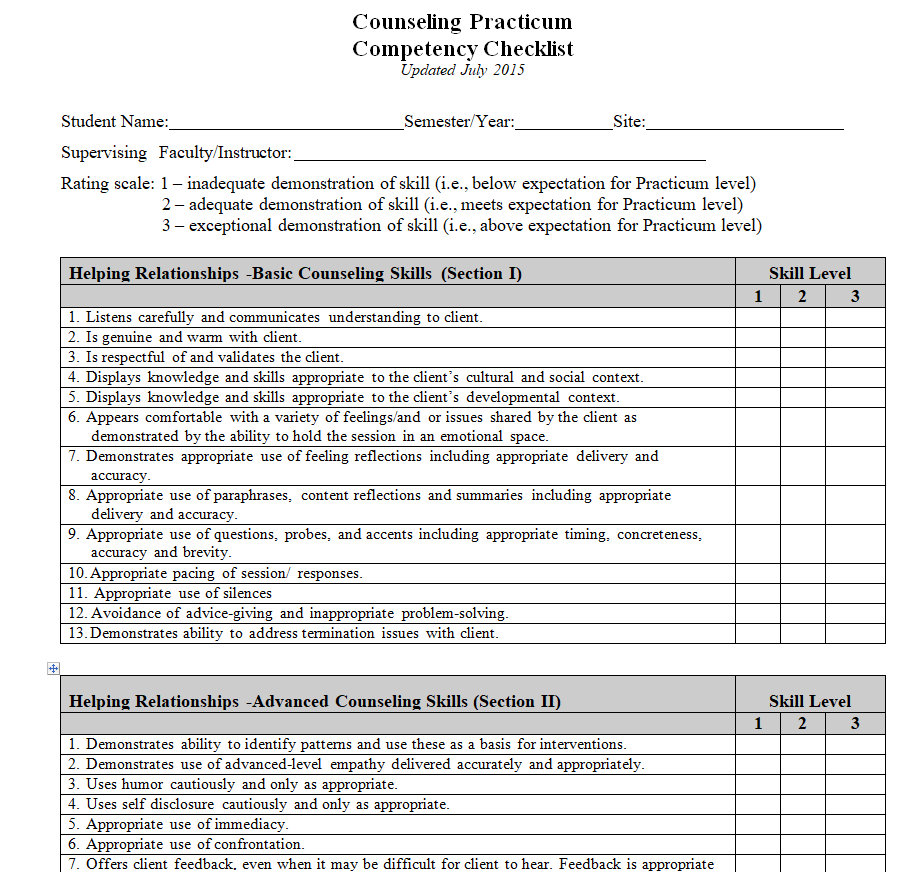
Counselling Training Competency Checklist Template
File Size: 18 KB
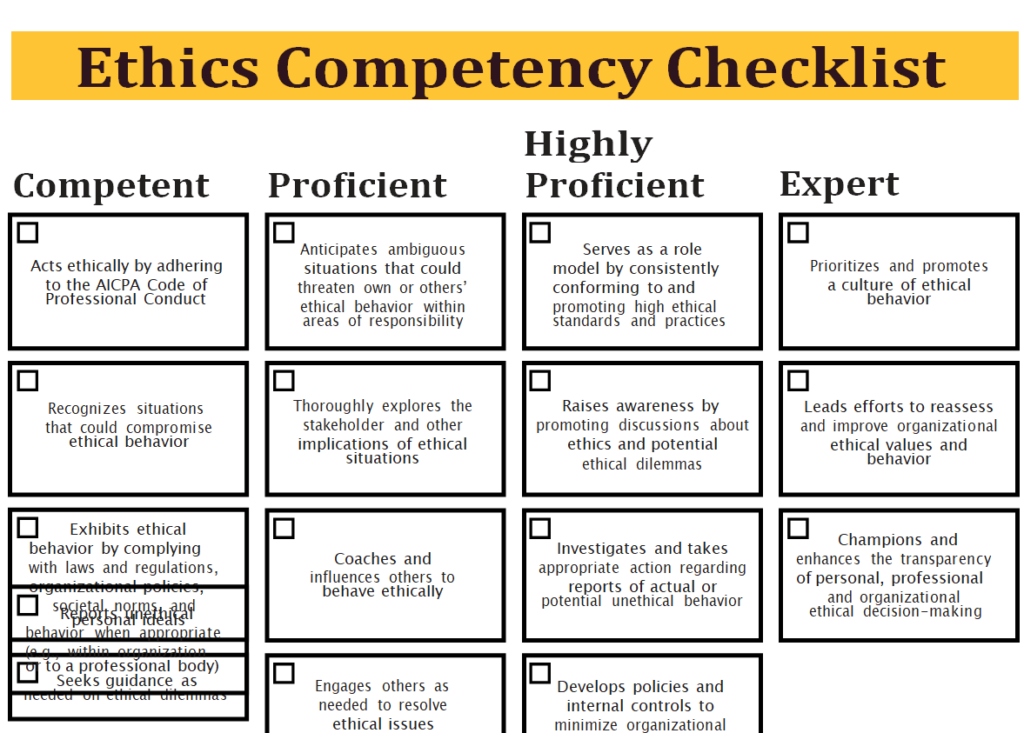
Competency Checklist Template for Ethics
File Size: 09 KB
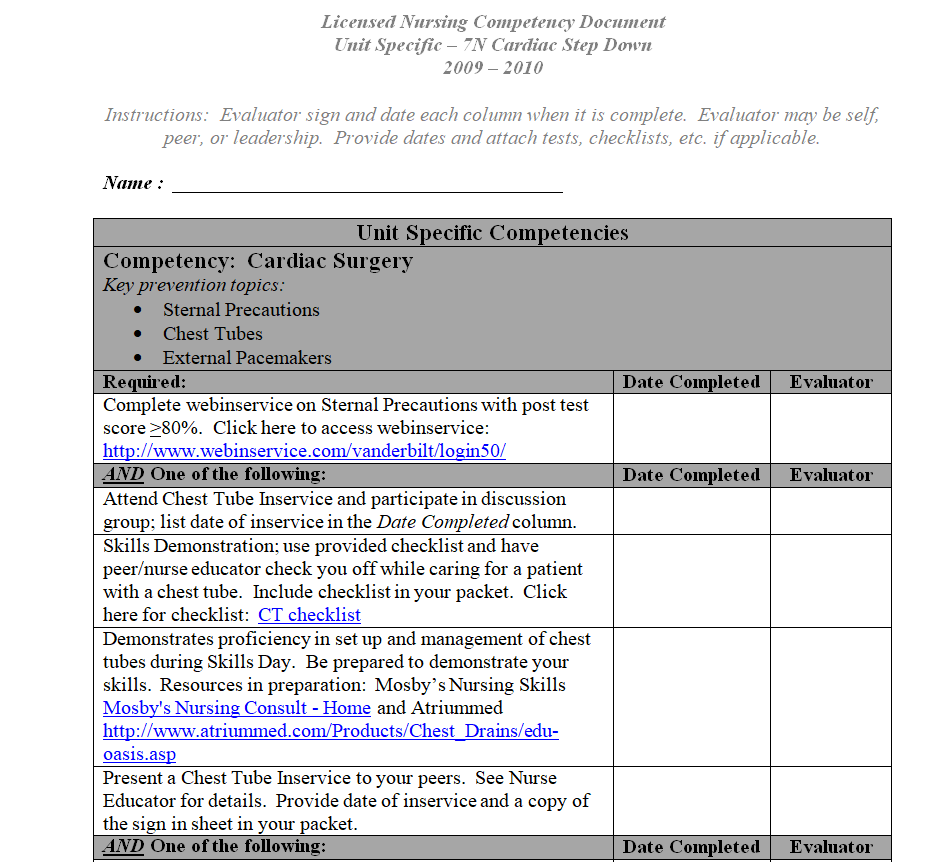
Nursing Competency Checklist Document Sample
File Size: 27 KB
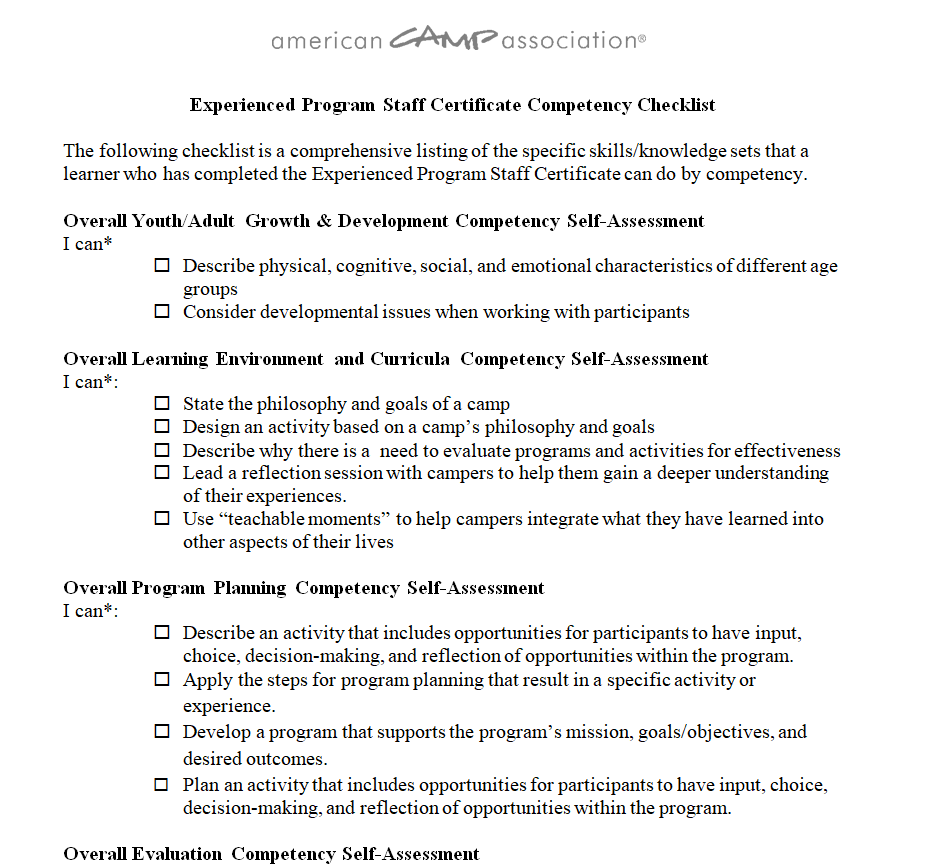
Staff Certificate Competency Checklist Template
File Size: 14 KB
Construction Skills Blank Competency Checklist WORD
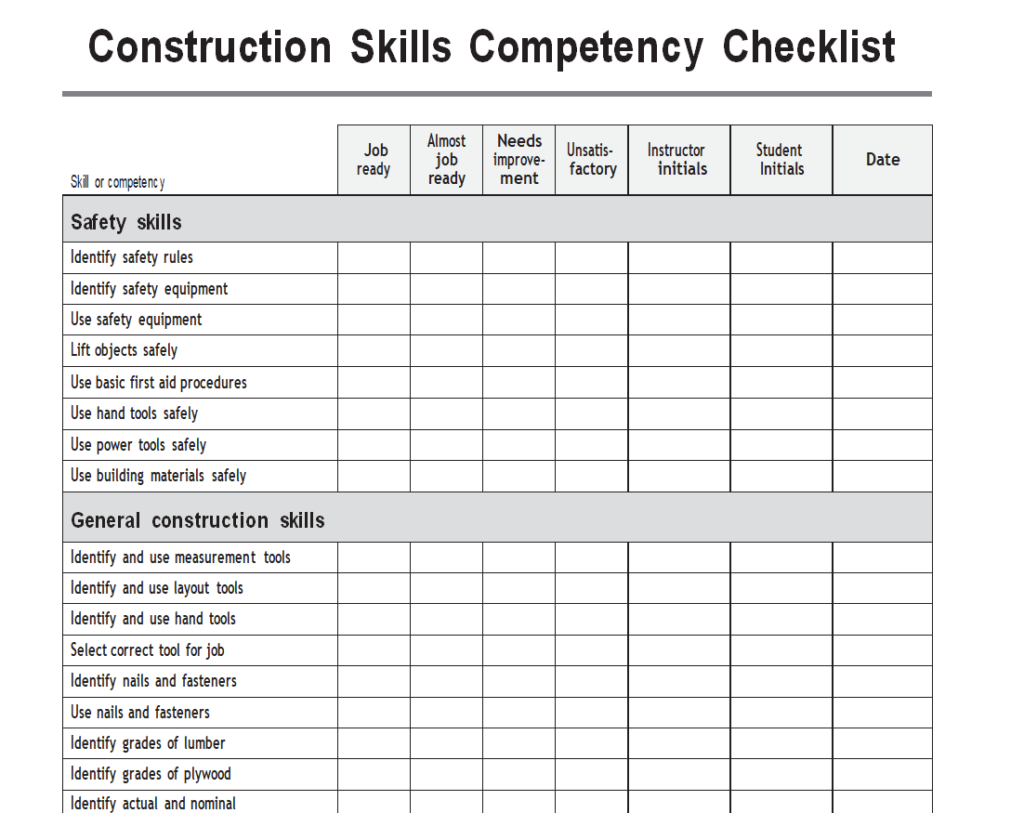
File Size: 24 KB
Competency Checklist Template for Dental Assistance
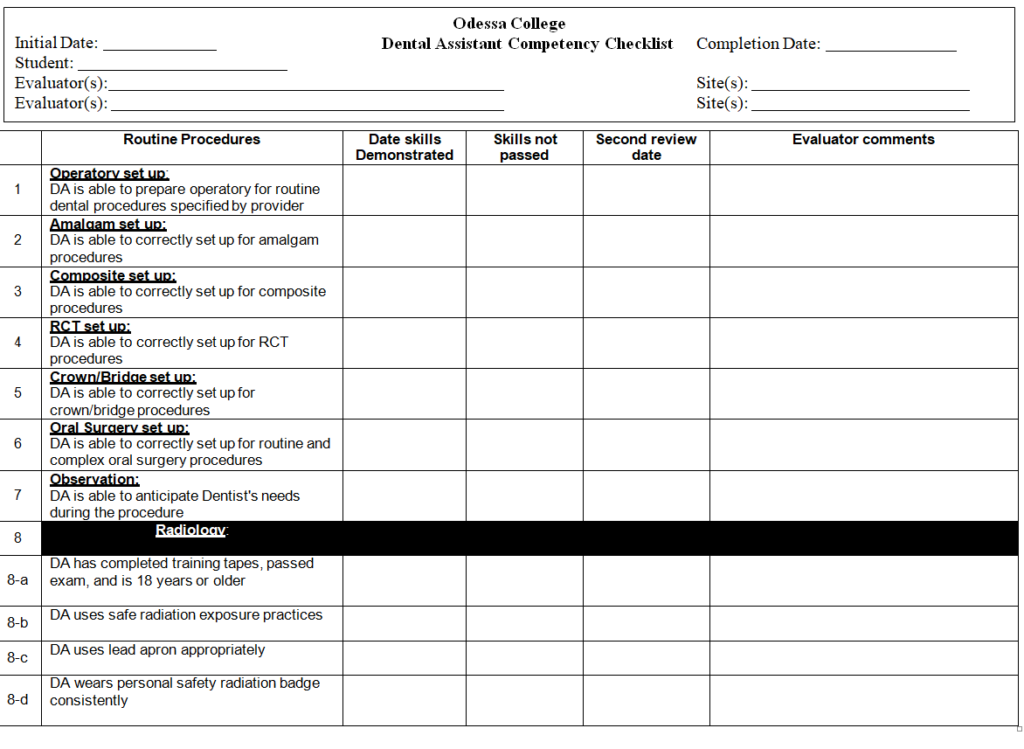
File Size: 17 KB
Teaching Hospital’s Competency Checklist Template
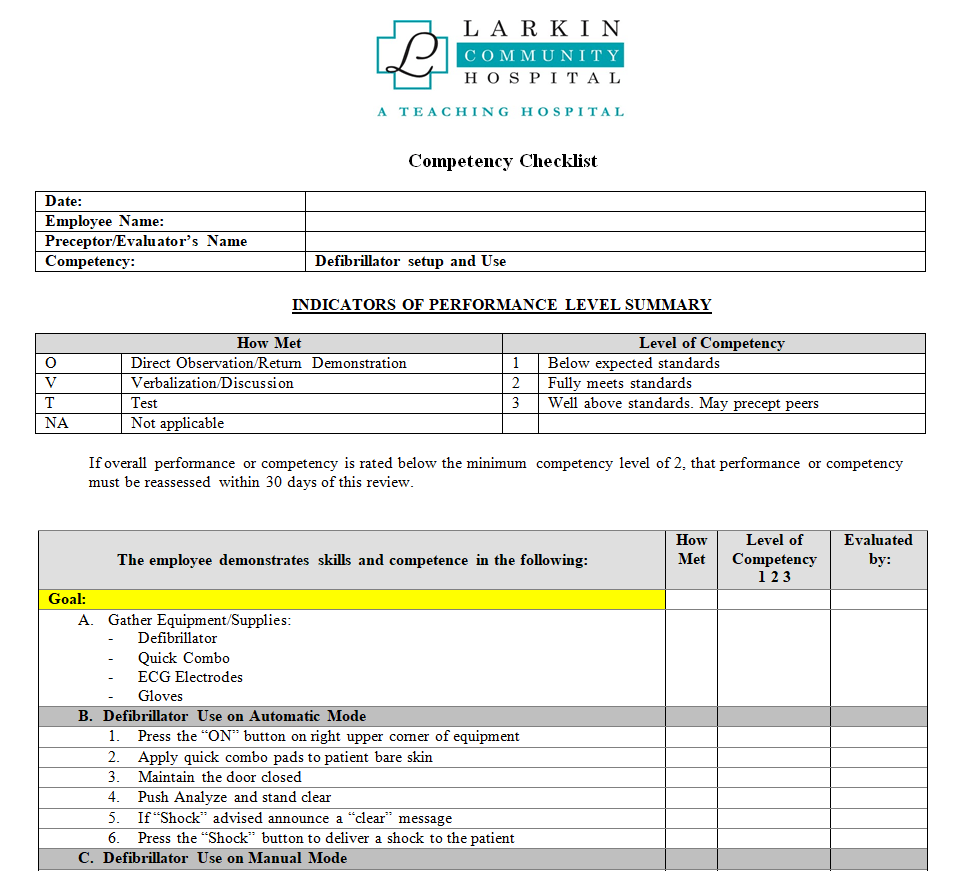
File Size: 35 KB
Competency Checklist Template for an Intern
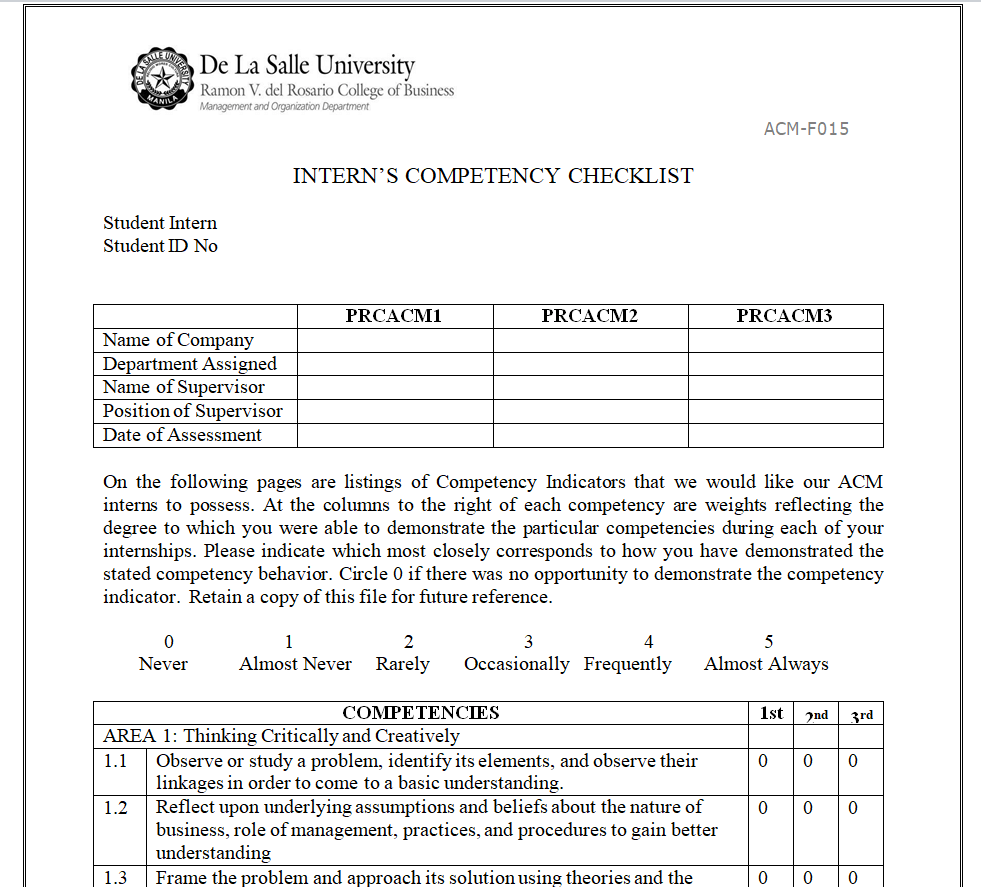
File Size: 42 KB
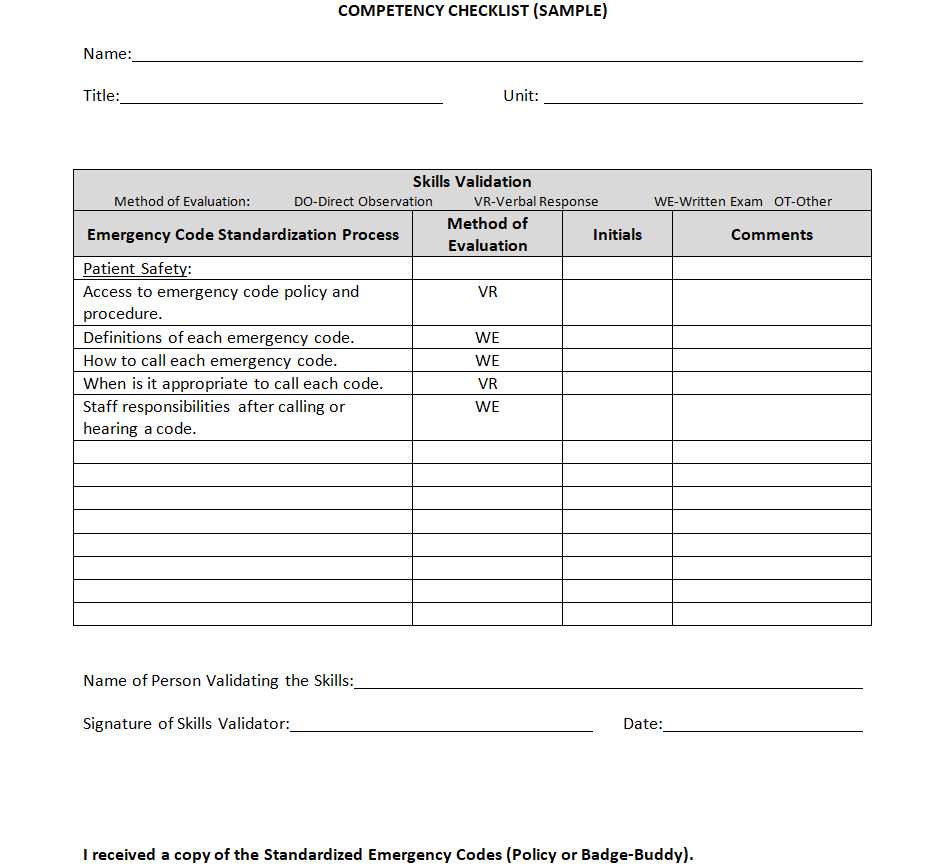
Sample Competency Checklist Word Template
File Size: 18 KB
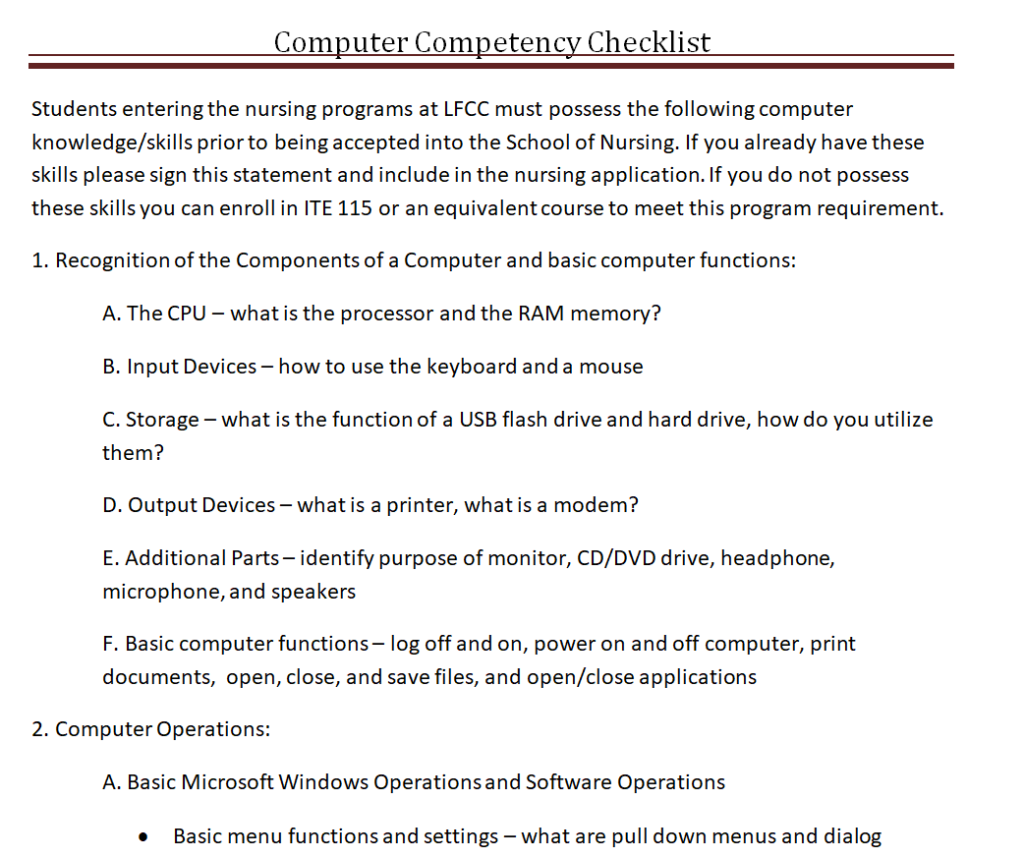
Computer Competency Checklist Example DOC
File Size: 08 KB
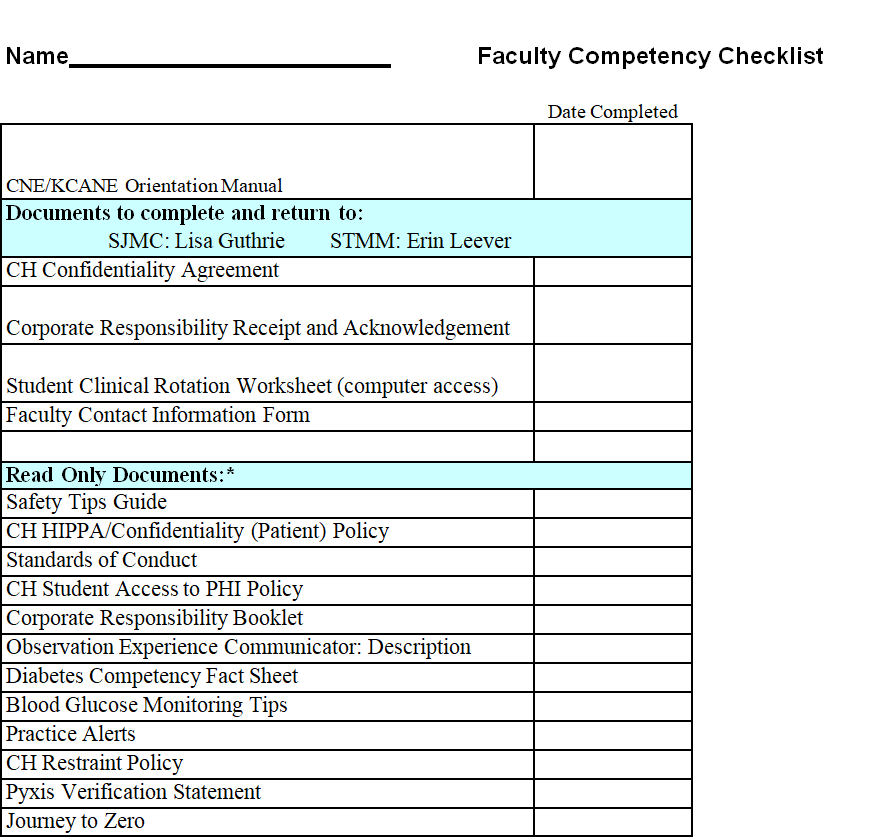
Faculty Competency Checklist Template in DOC Format
File Size: 08 KB
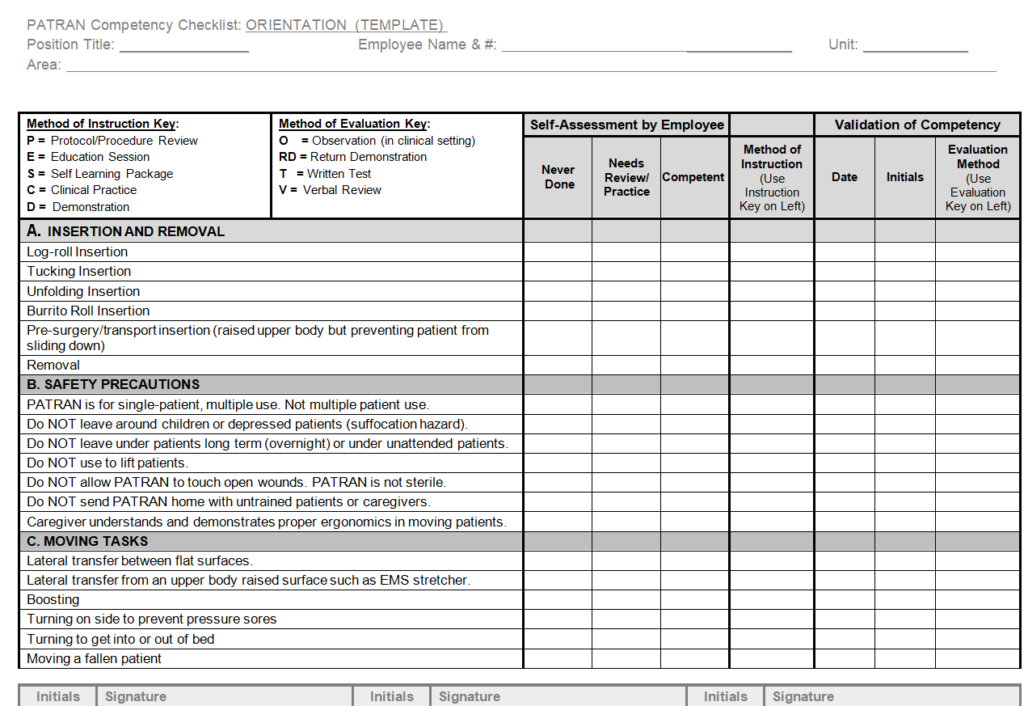
Competency Checklist Orientation Template
File Size: 17 KB
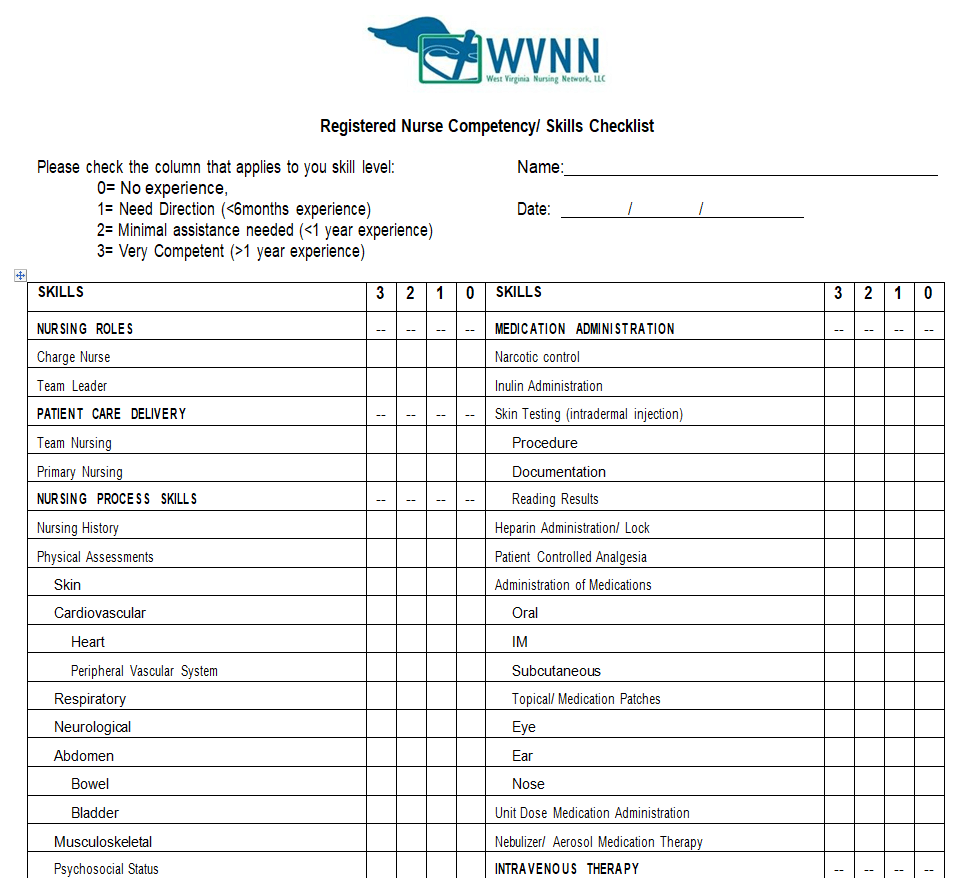
Registered Nurse Competency Checklist DOC Format
File Size: 29 KB
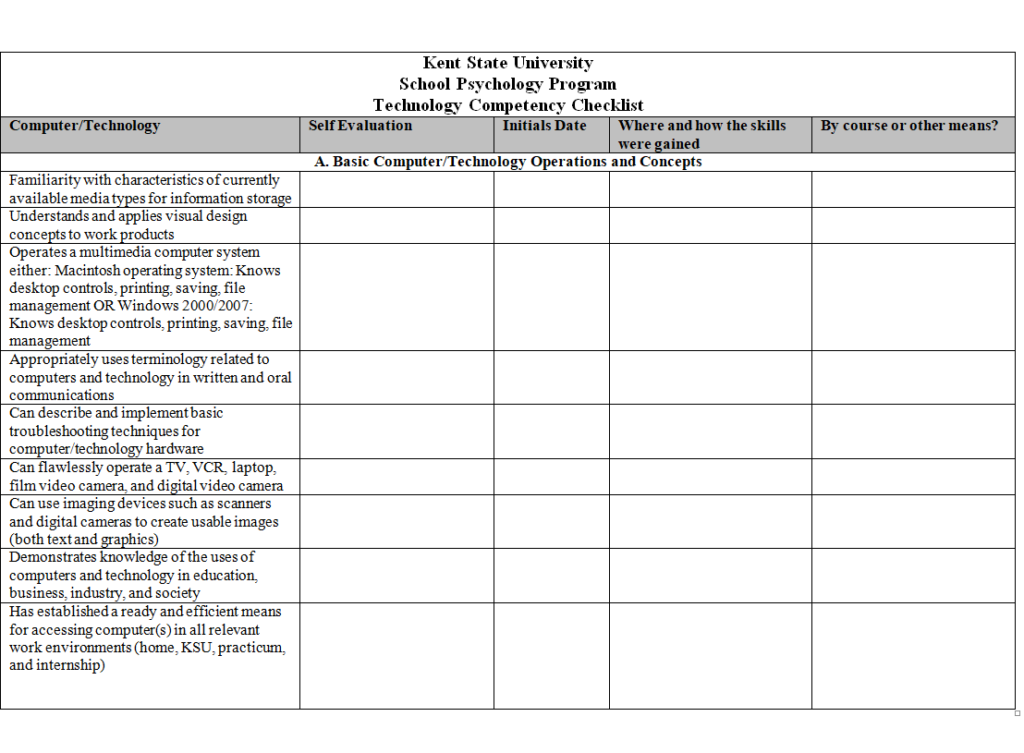
Technology Competency Checklist Template
File Size: 11 KB
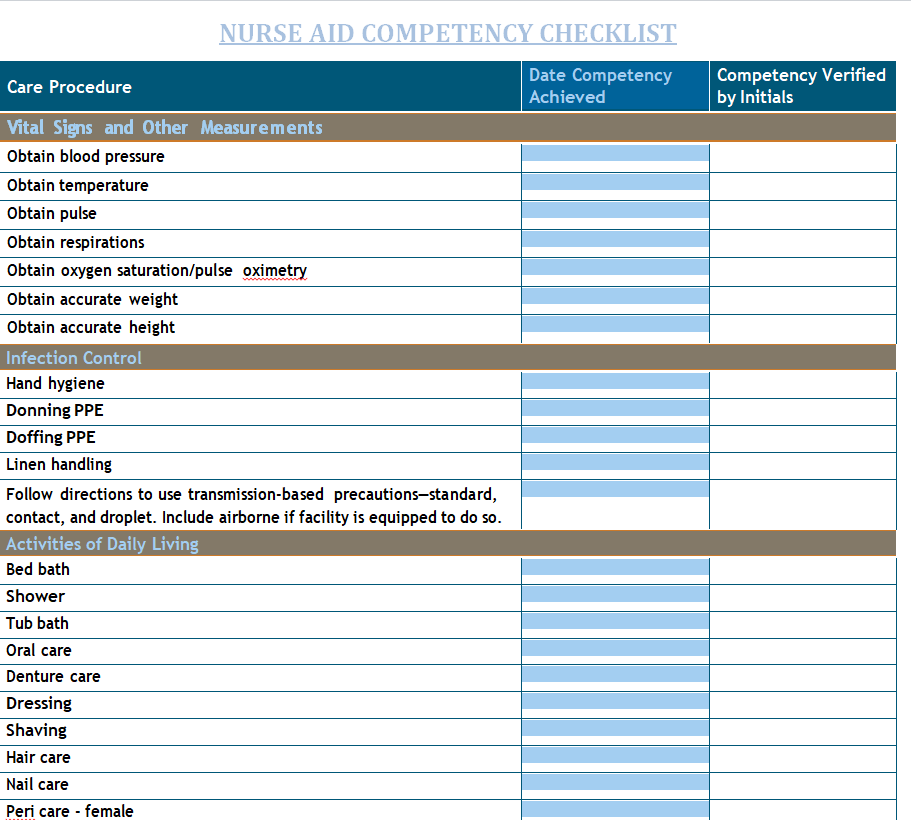
Official Nurse Aid Competency Checklist Example
File Size: 73 KB
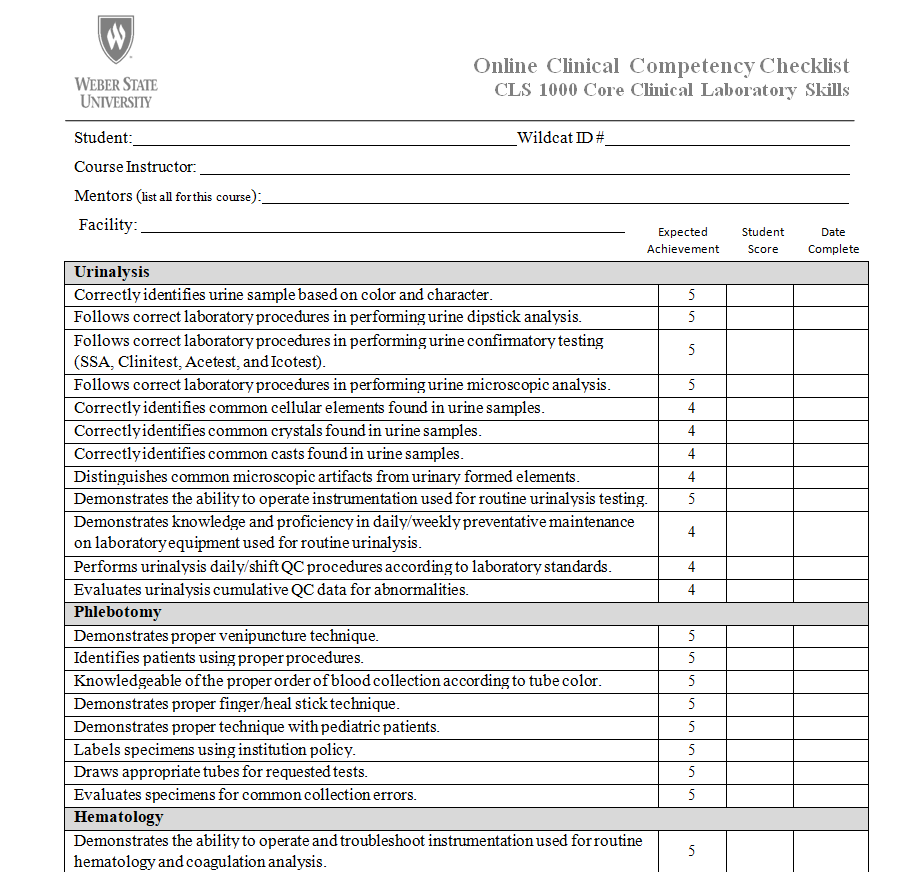
Competency Checklist Template for an Online Clinic
File Size: 27 KB
Benefits of Using a Competency Checklist
Competency checklists are quite important to use. Almost all types of organizations use competency checklists for various reasons. Some of these reasons are:
- Competency checklists ensure the provision of high-quality and standard services.
- Such a checklist highlights the issues or problems that will ultimately aid you in taking important decisions on time.
- It serves as a great tool that helps to improve the employees’ performances and their learning experiences. The problems or deficiencies of the employees are highlighted which helps them to easily identify their issues and take major steps to overcome those problems thus enhancing their performance.
- A competency checklist is a direct means of communication between an employer/manager and an employee.
- It is a great way of documenting the skills and the performance of each individual, system, or program.
- A competency checklist is one of the smartest ways of getting quick and effective feedback on performances. It speeds up the processes of feedback and decision-making.
Competency Checklist Templates PDF
Professional Competency Checklist Template
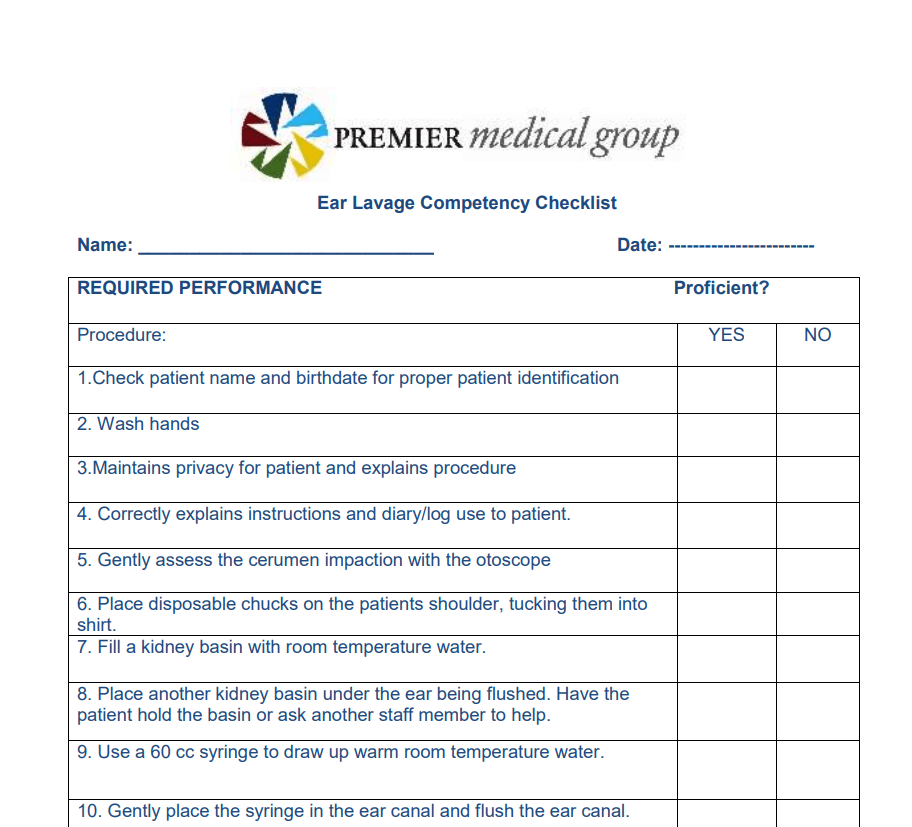
File Size: 86 KB
Mechanical Lift Competency Checklist Template
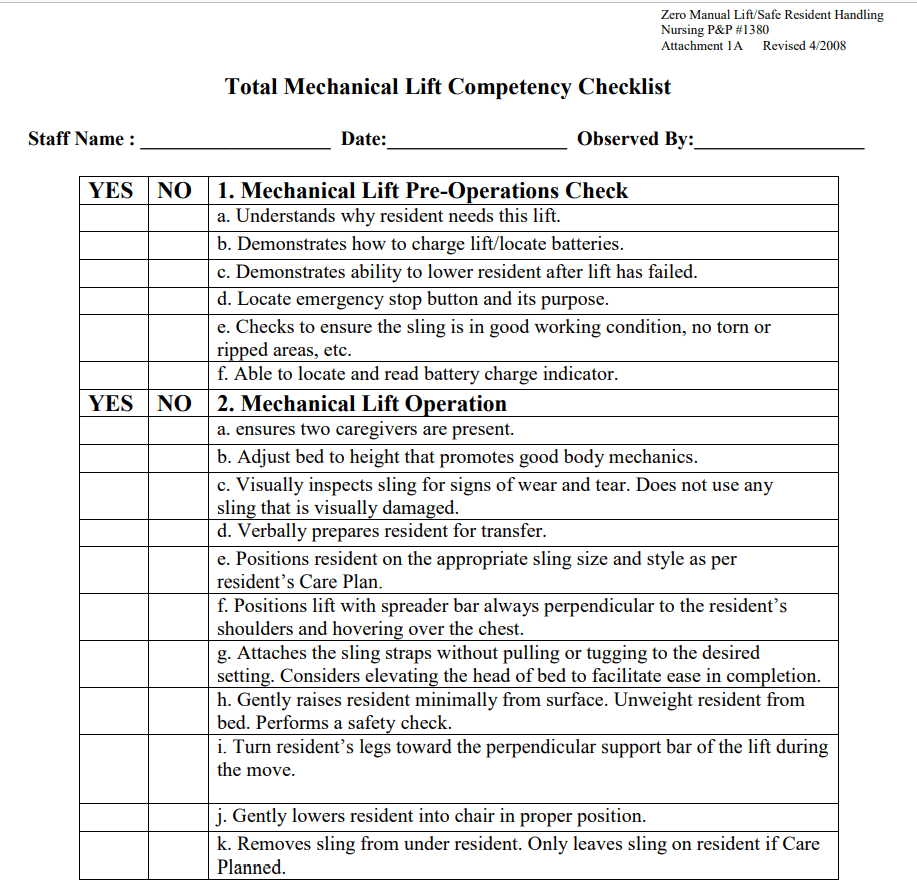
File Size: 84 KB
Therapist Equipment Competency Checklist Template PDF
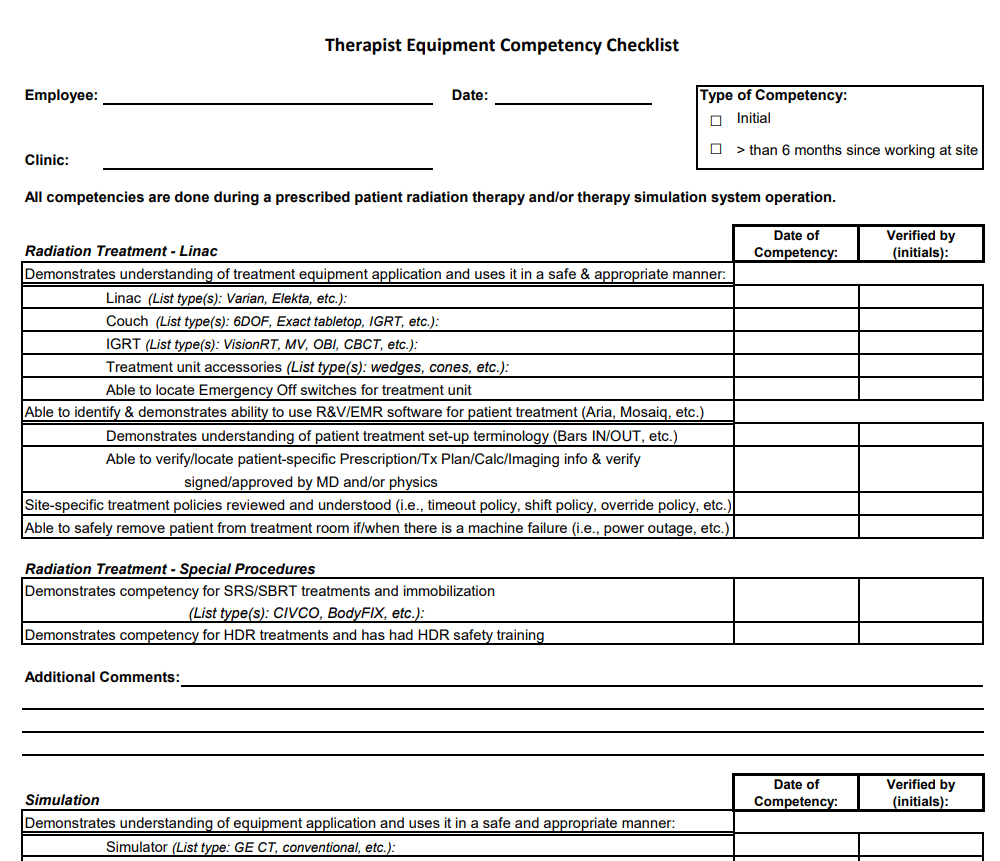
File Size: 44 KB
Training & Competency Checklist Template
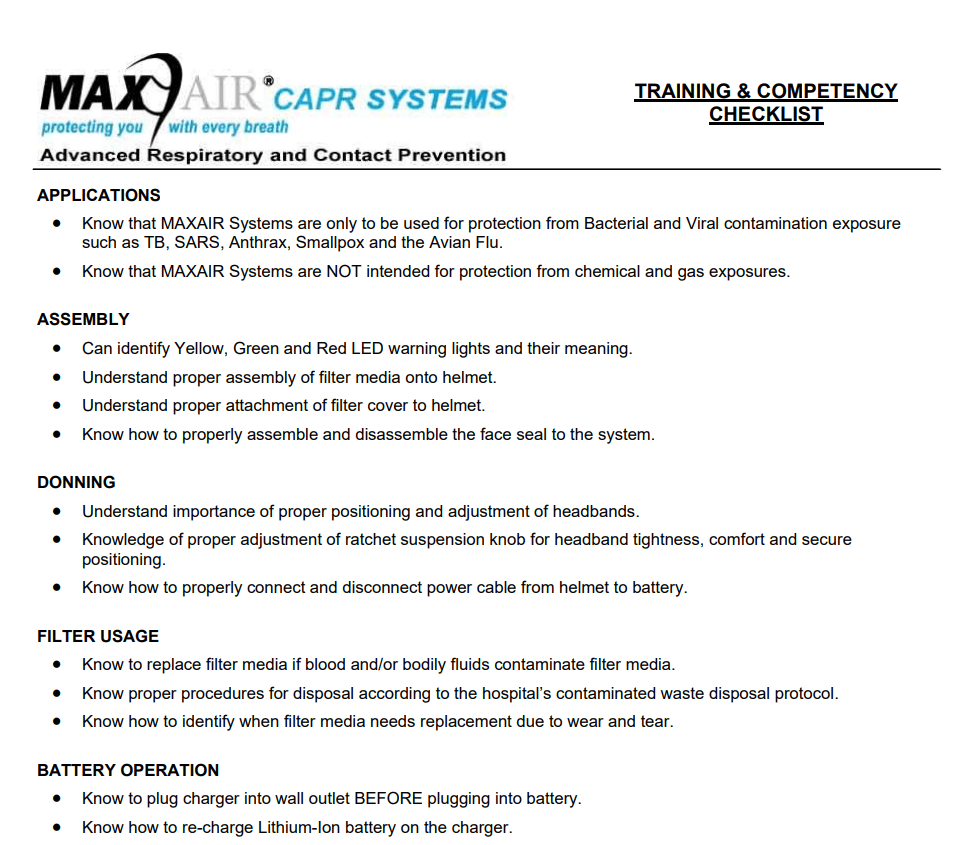
File Size: 162 KB
Competency Validation Checklist PDF Template
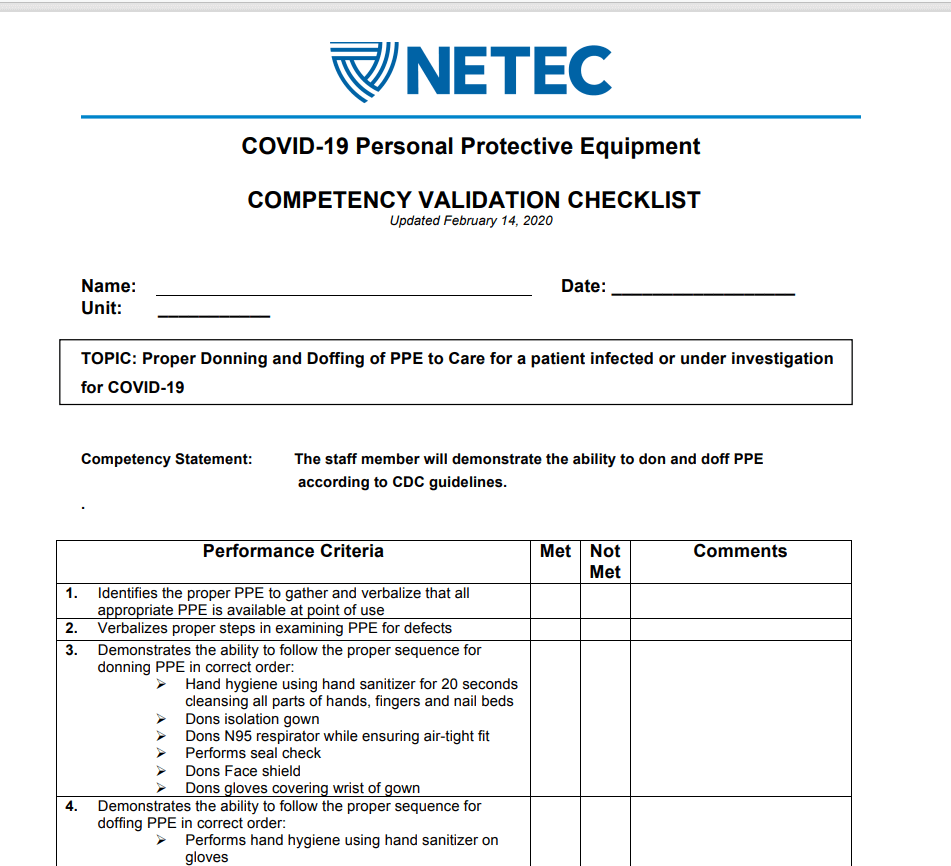
File Size: 275 KB
Free Printable Competency Checklist Template
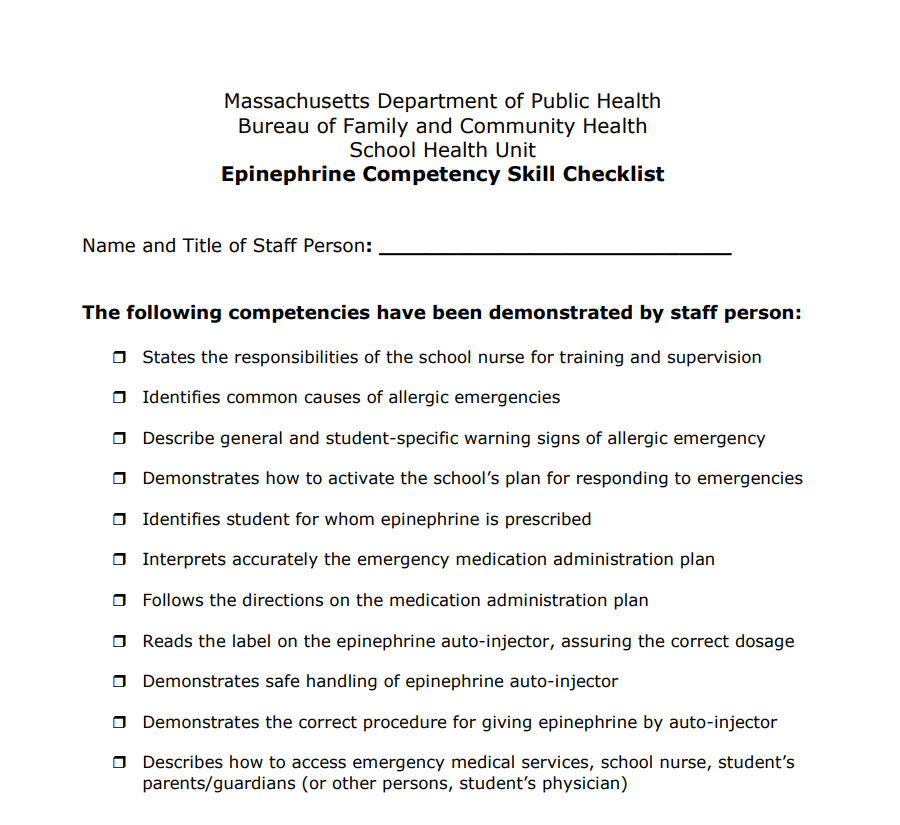
File Size: 26 KB
Competency Checklist Template for a Patientkeeper
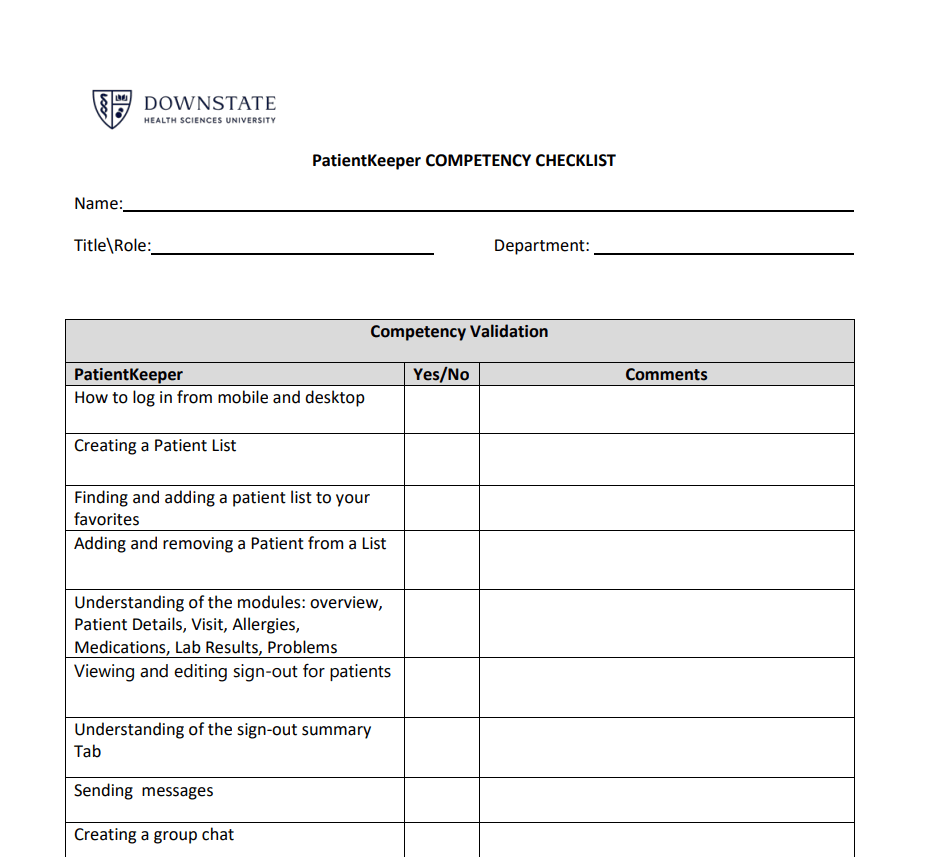
File Size: 104 KB
State Competency Demonstration Checklist Sample
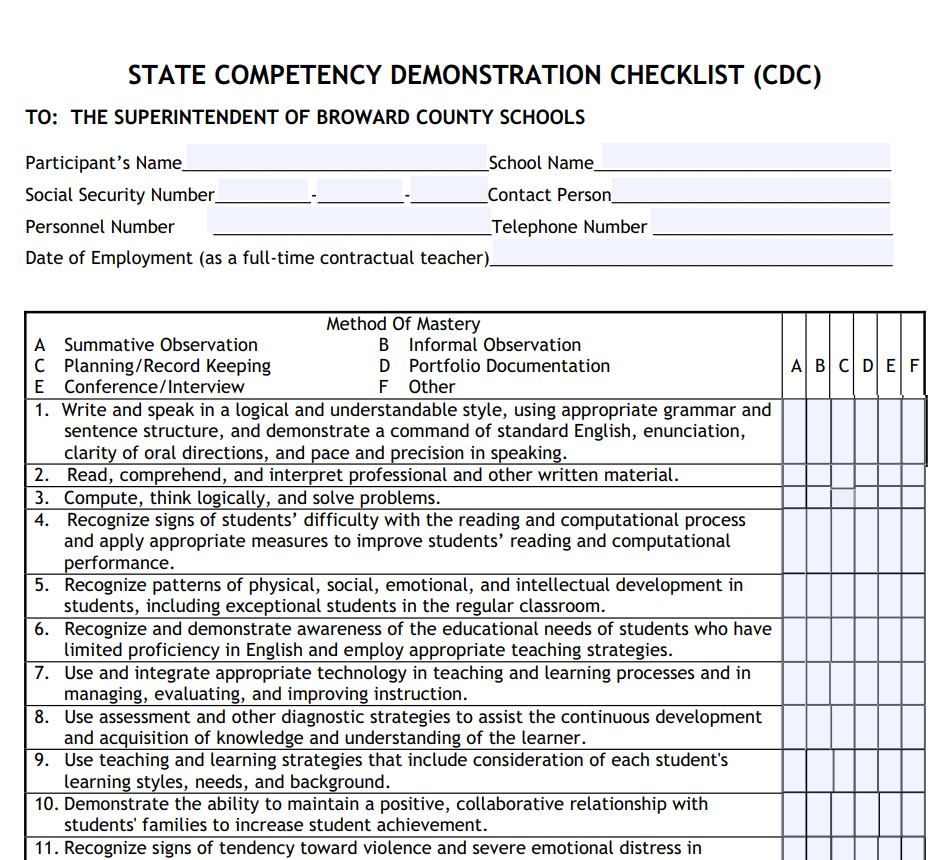
File Size: 68 KB
Educational Competency Checklist Template
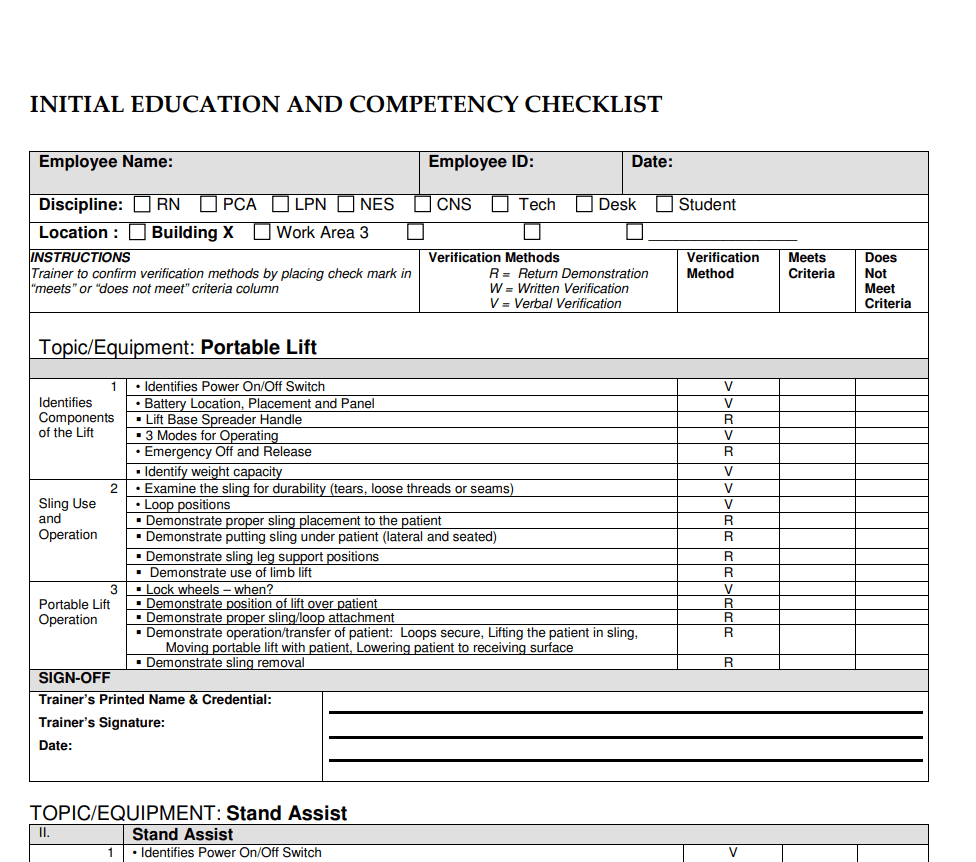
File Size: 49 KB
Charge Nurse Competency Checklist Sample PDF
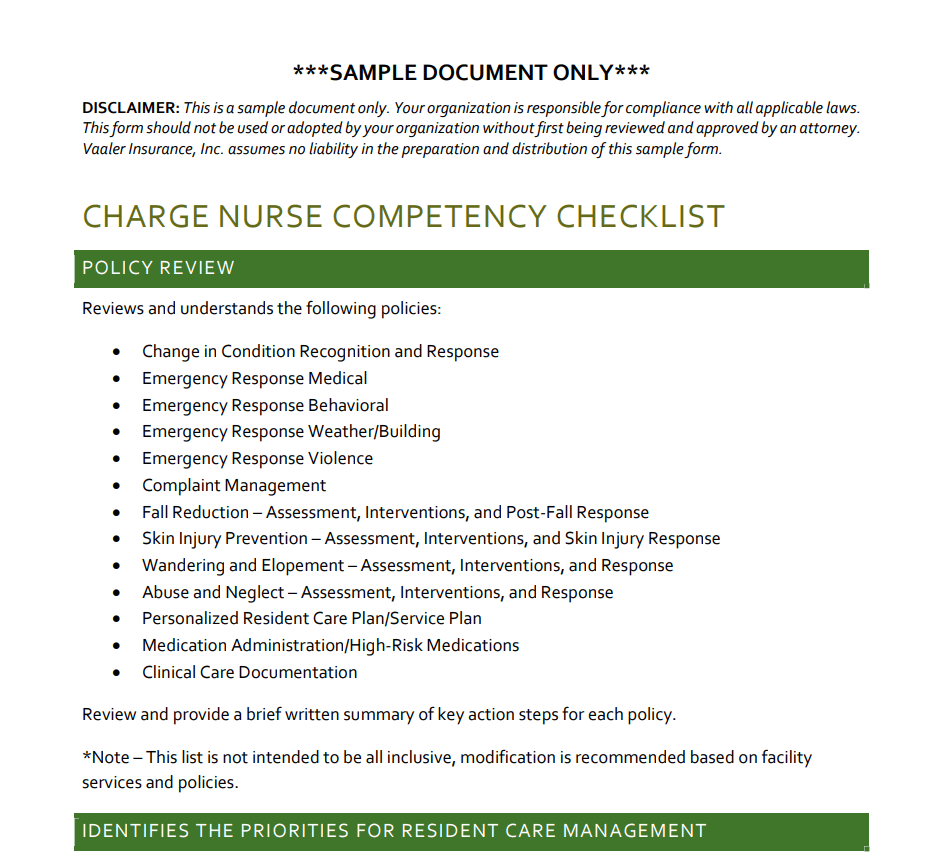
File Size: 372 KB
Basic Competency Checklist Format
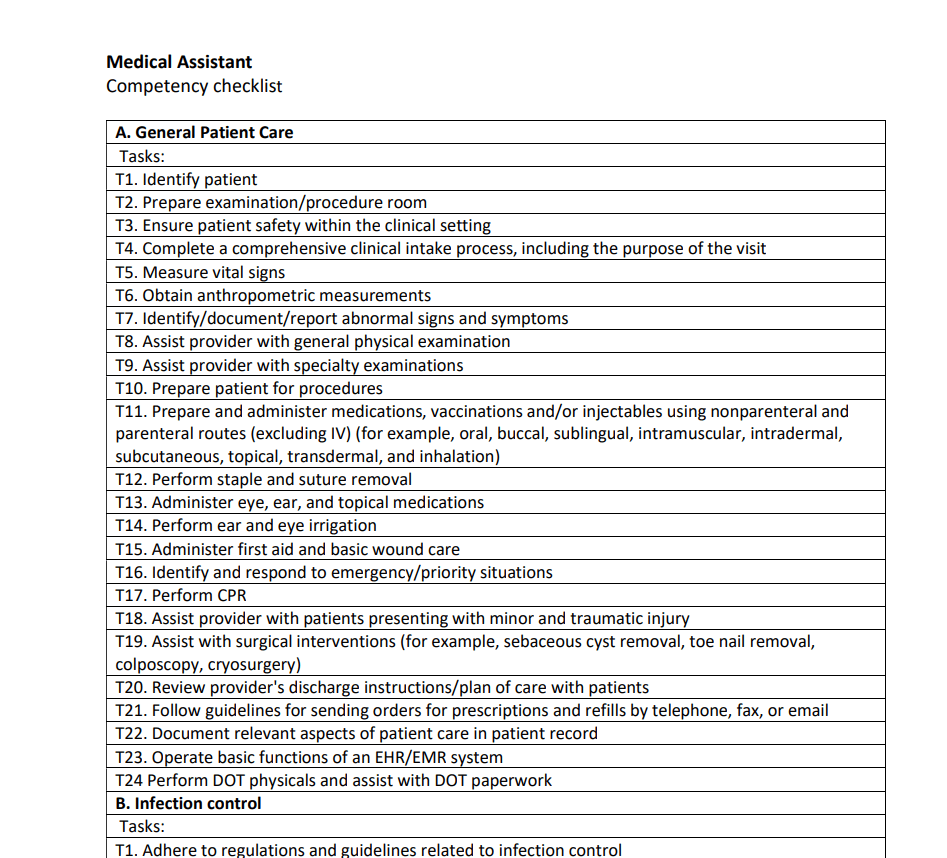
File Size: 426 KB
Trainer’s Competency Checklist Template
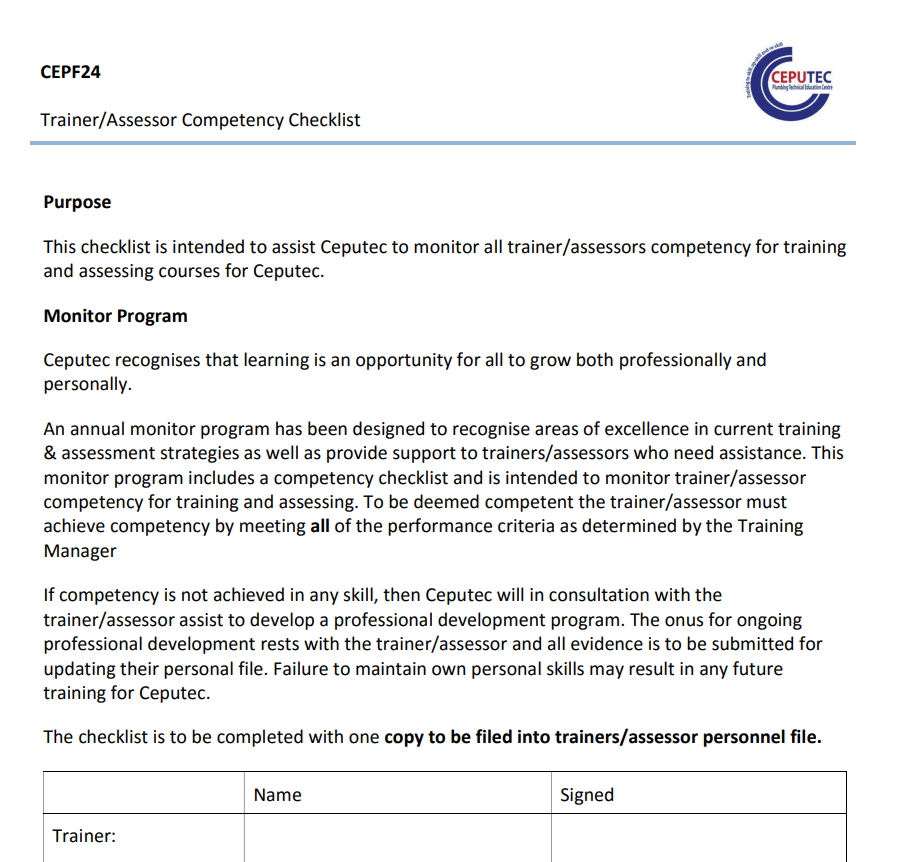
File Size: 400 KB
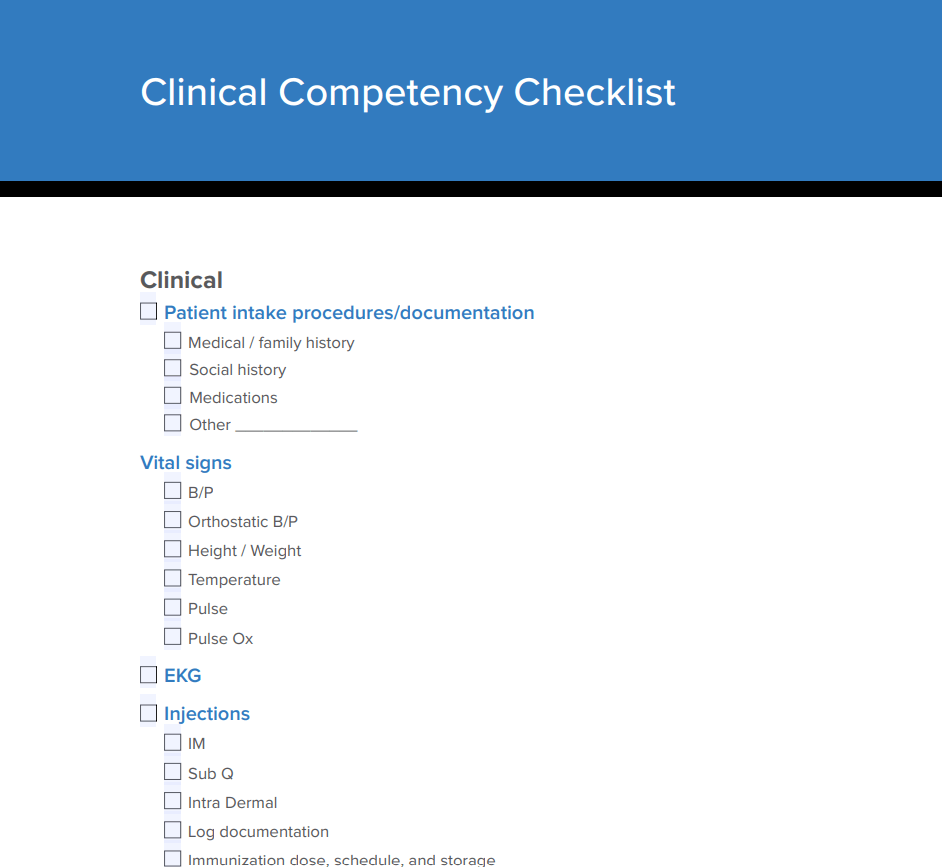
Clinical Competency Checklist Example
File Size: 41 KB
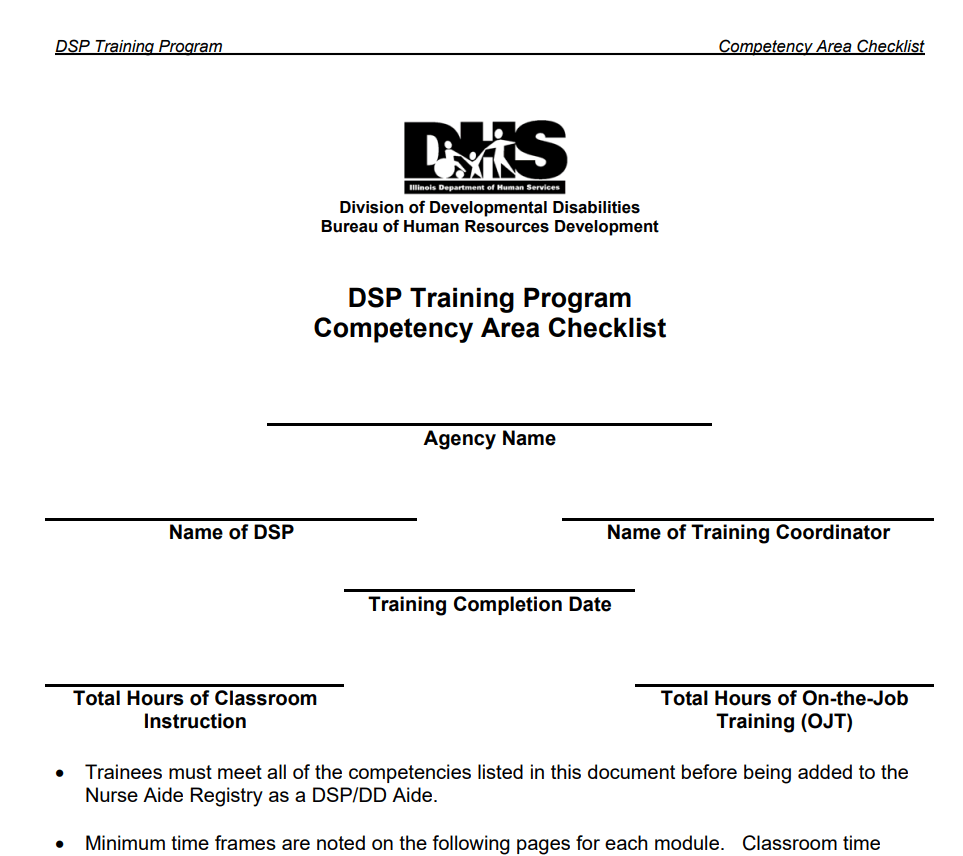
Competency Area Checklist Template PDF
File Size: 61 KB
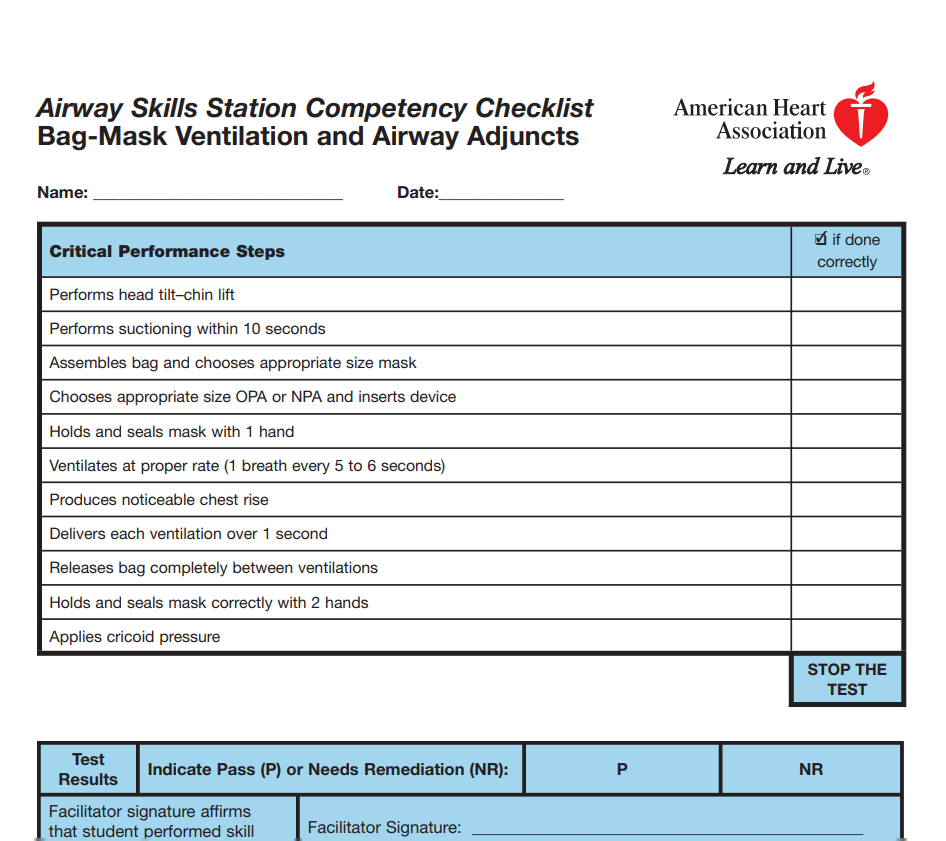
Airway Skills Station Competency Checklist Template
File Size: 133 KB
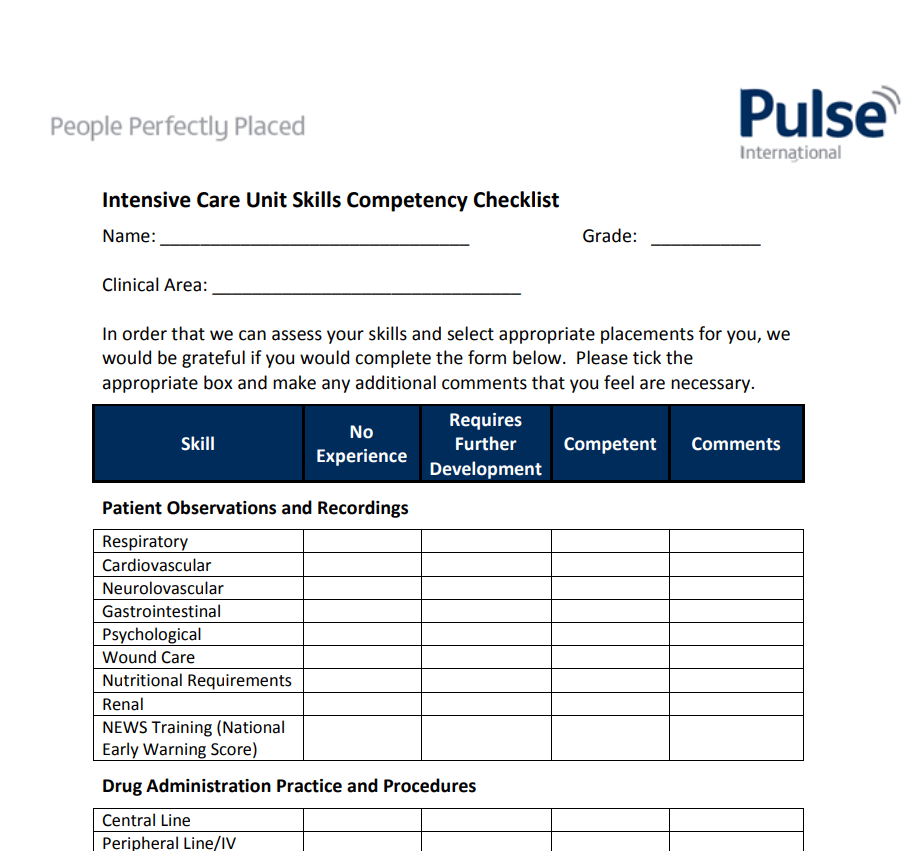
ICU Skilss Competency Checklist Template
File Size: 425 KB
How to Make an Effective Competency Checklist
Now that you know what is a competency checklist and what are its benefits, it is also important to know how to make a competency checklist. The competency checklists vary from industry to industry and are created as per the requirements of a particular industry.
However, in order to know how to make an effective competency checklist, you must know about some basic elements that must be compulsorily included in every type of competency checklist. These basic elements are:
1- Industry:
Prior to starting your competency checklist, make sure to keep in mind your industry. The category of industry in which your business falls directly impacts the creation of a competency checklist.
2- Objective:
You must be clear about the objective and purpose that you want to achieve by making a competency checklist. You must be clear about your purpose of making the competency checklist i.e., whether you are creating the checklist to evaluate the performance of an employee or you want to know whether a product or service is performing up to the mark.
3- Enlist the Skills/Competencies and Standards:
Make a list of all the skills/competencies and performance standards and then evaluate whether or not the individual possesses those skills and if his/her performance is up to the mark.
You can categorize the skills as per your requirements so as to make the document easily readable and understandable. Make sure not to miss any skills/competencies and standards.
4- Performance or Productivity Measurement:
Carefully measure the performance or productivity of the individual or system for which you are preparing the competency checklist. This can be done by seeing the performance insights or analytics and by gathering information from different sources like by checking daily reports or by communicating with peers or colleagues or with clients or customers.
5- Rating System:
In order to make your competency checklist more effective, make sure to devise a proper rating system. The rating system must be proper and simple so that everyone can easily understand it. You can use a rating scale or any other type of rating or scoring system that deems fit to your requirments.
6- Organize and Review:
Before finalizing your competency checklist, make sure to properly organize it and review it for any mistakes or missing details. You should use a proper format for your checklist and organize all the information in a proper way. This will make your competency checklist format more effective and useful.
Check that two observers understand a criterion similarly
Before relying on a checklist across a team, discuss a representative criterion and the evidence that would support it. Different interpretations can lead to inconsistent records even when everyone uses the same form.
Review whether the wording explains the expected result and whether the rating labels are understandable. Resolve unclear terms with the people responsible for the standard or procedure. This does not mean forcing every context into an identical observation.
It means making the basis of the assessment and any relevant variation visible enough to discuss. Record significant changes to the criteria before the next assessment round.
Related templates
Keep completion of a job distinct from evidence about a person’s skills. work completion certificate templates.
An employment certificate confirms different facts from an assessment record. employment certificate examples.
Transfer current training records and unresolved actions through an organized handover. handover report templates.
Frequently asked questions
What belongs in a competency checklist?
Include the task or criterion, expected performance, appropriate evidence, observation date, assessor or observer, result and relevant next action. Use the fields required by the actual process.
Does completing a checklist prove professional competence?
Not by itself. The result must be understood within the relevant standards, evidence, assessment arrangements and authorized review. A sample form cannot grant a qualification or license.
Can I use a healthcare example for another role?
Review the structure carefully and replace it with criteria appropriate to the actual role. Do not carry specialist requirements or claims of authorization into an unrelated activity.
How should prompts or assistance be recorded?
Use a suitable field or scale that makes the support visible. Do not describe prompted practice as independent performance if that distinction matters to the task.
When should a completed record be reviewed?
Use the applicable process and consider relevant changes in the task, procedure or conditions. The date and context of the original observation should remain identifiable.
You can also browse more options in the Other Templates category.
