
A SWOT analysis is most useful when it supports a specific choice. Strengths, weaknesses, opportunities and threats become less helpful when they are filled with broad statements that could describe any business. The 49 SWOT analysis templates below provide layouts for organizing a more focused discussion.
Choose a format that fits the audience and the decision. A one-page matrix can support an initial conversation; a more detailed worksheet can hold evidence, assumptions and actions. The layout should make the reasoning easier to examine rather than make an unsupported opinion look authoritative.
Define the subject and time horizon before the group starts adding notes. A review of one product, a proposed service and an entire organization can produce very different analyses. Keep those scopes distinct so participants are answering the same question.
| Internal factors | External conditions |
|---|---|
| Strengths and weaknesses | Opportunities and threats |
Begin with the decision you are trying to improve
Write a short statement such as “Should we extend this service to another location next year?” Identify the people involved, information available and assumptions that still need checking. A focused subject helps the group decide which points belong in the analysis.
Avoid collecting every observation about the organization just because someone can place it in a quadrant. Keep a separate list of useful issues that fall outside the scope. The finished SWOT should help explain a decision, not become an undifferentiated record of the whole meeting.
Keep internal factors and external conditions distinct
Strengths and weaknesses generally describe relevant internal capabilities or limitations; opportunities and threats describe conditions outside the organization that may affect the choice. Some issues can have both internal and external aspects, so explain the meaning instead of arguing over a label alone.
A shortage of trained staff and a tightening recruitment market are related but different observations. Write each point clearly enough that another person can understand what is being claimed and why it matters to the defined decision.
Attach evidence and uncertainty to the important points
A confident phrase is not evidence. Where possible, connect significant claims with an observation, record, customer finding or other relevant source. Mark assumptions that need testing. If participants disagree, preserve the question rather than forcing a vague statement everyone can accept.
Review whether an apparent strength is actually distinctive for the proposed choice and whether a threat has a plausible effect within the time horizon. An analysis can be useful without exact probabilities, but it should not hide how uncertain the underlying information is.
Move from the matrix to a short action list
Choose the few issues that materially affect the decision and explain the response being considered. Assign an owner to a next action, such as verifying a cost, testing customer demand or resolving a capability gap. Do not label every item a priority.
Record the basis of the decision and a point for review if circumstances change. A SWOT does not replace a budget, implementation plan or risk assessment. It can identify which further work is needed before those records can be prepared usefully.
A local service considers a second location
The team sees experienced staff as a possible strength, limited management capacity as a weakness, enquiries from a neighboring area as an opportunity and an uncertain lease cost as a threat.
The next step is not to announce an expansion because the opportunity column looks promising. The team checks what the enquiries represent, tests whether current managers can support another site and obtains relevant cost information.
The matrix becomes a record of the questions that shape the decision. A later review can then show which assumptions were supported and which changed.
A focused SWOT review
- Define one subject and time horizon.
- Separate observations from assumptions.
- Prioritize factors by their effect on the decision.
- Assign the next investigation or action and a review date.
49 downloadable examples and previews
Use the preview to compare the layout, then choose the download button for the actual file. Extract ZIP packages before opening them. Check the file format and contents before editing; a preview is not itself an editable document. Keep a blank original and save completed versions with clear filenames.
FREE SWOT Analysis Templates PDF
Printable SWOT Analysis Template
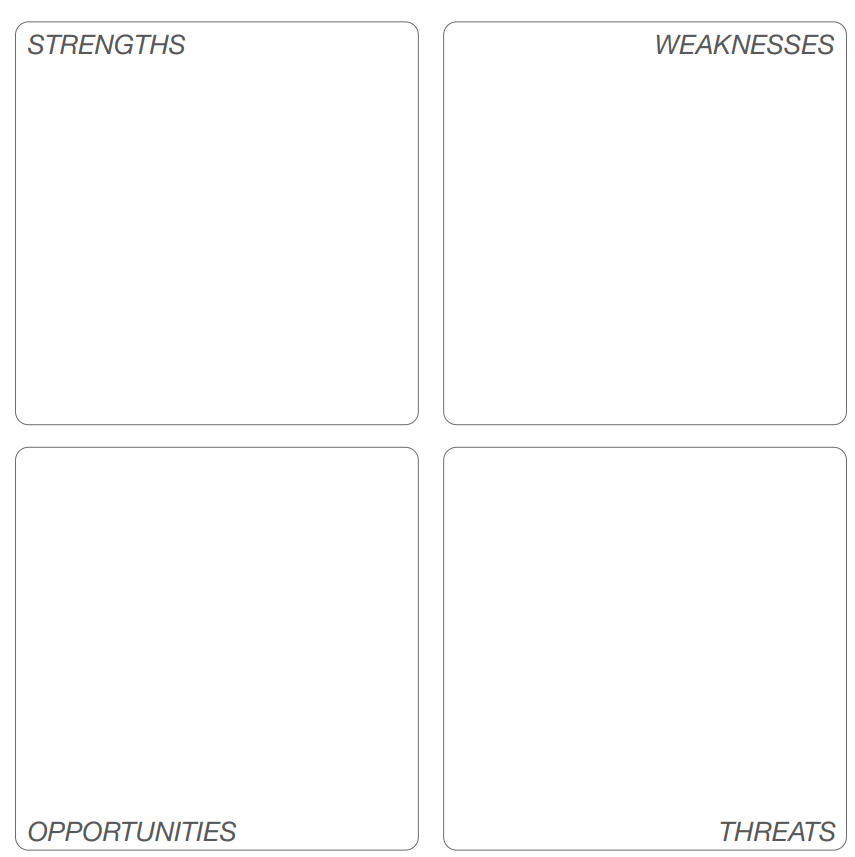
Blank SWOT Analysis PDF Template
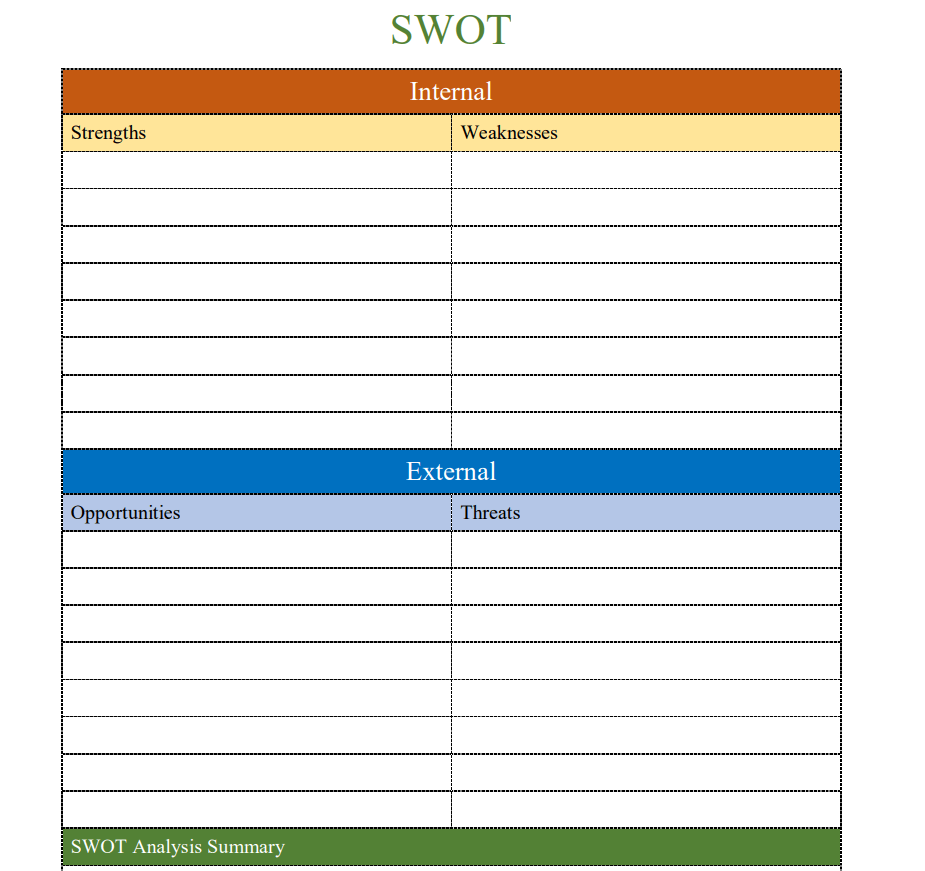
Sample SWOT Analysis Template
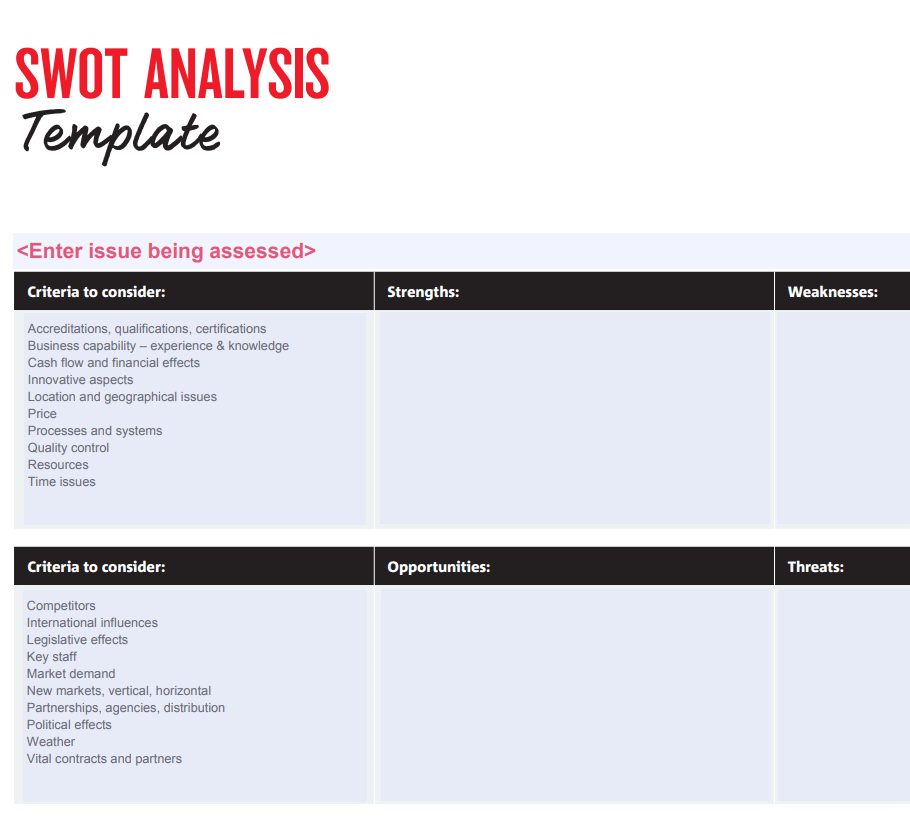
File Size: 01 MB
Detailed SWOT Analysis Template
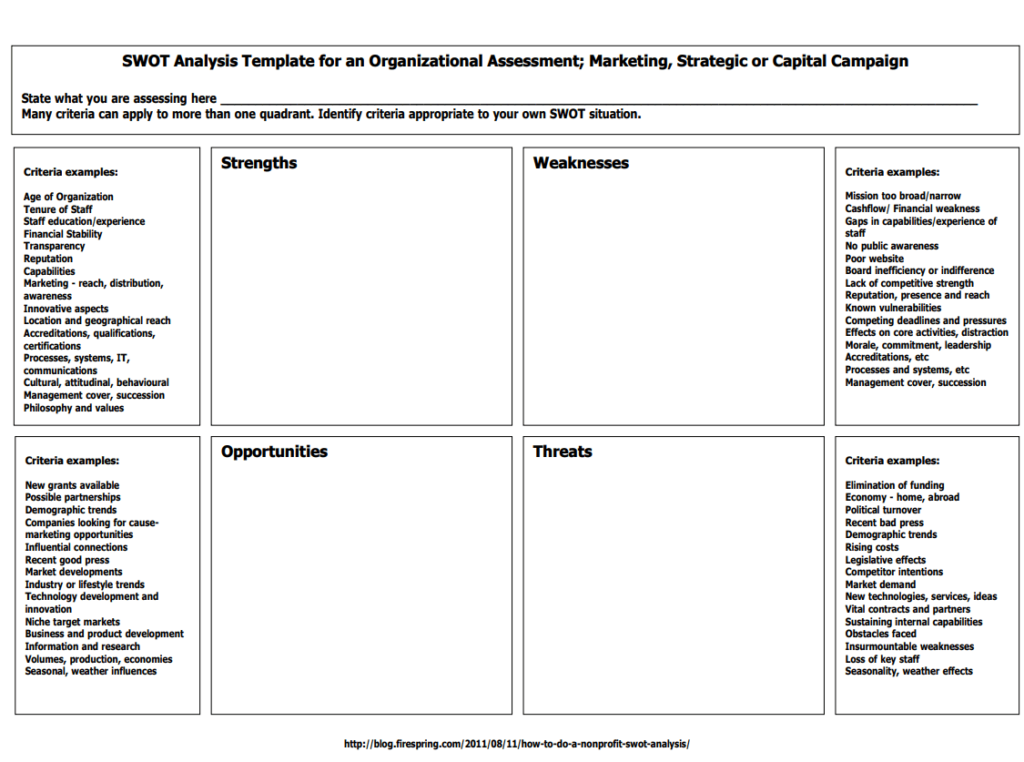
File Size: 11 KB
Small Business SWOT Analysis Sample
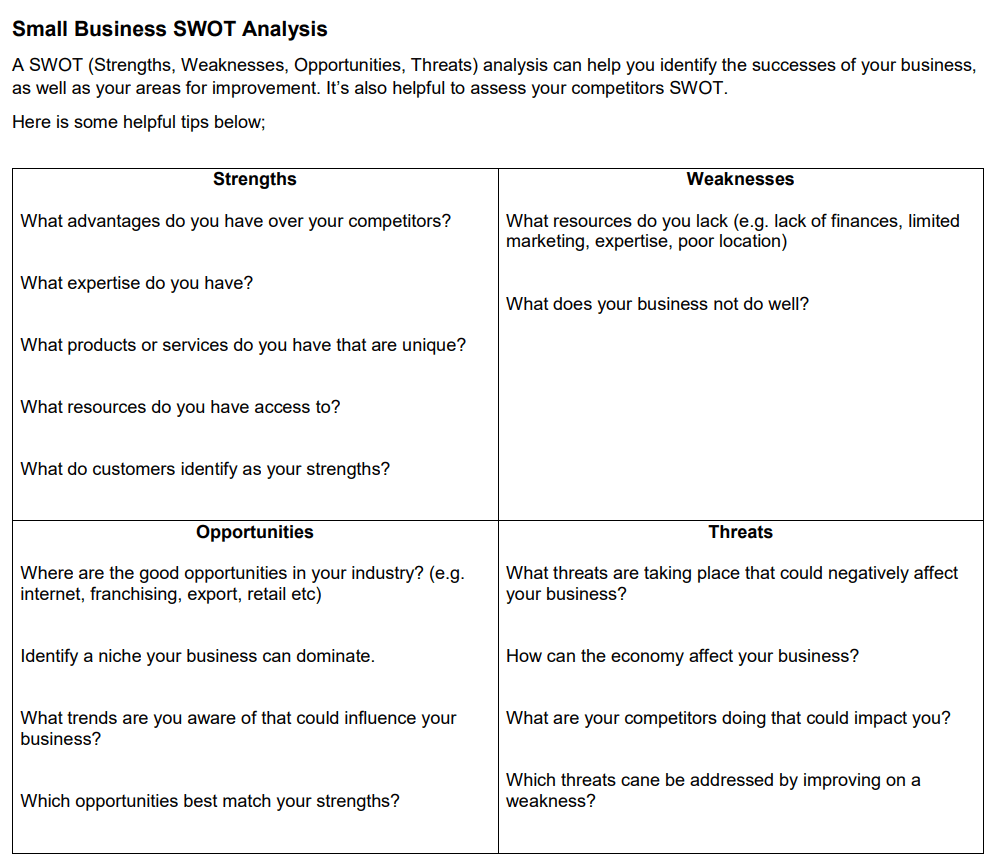
File Size: 58 KB
Personal SWOT Analysis Example
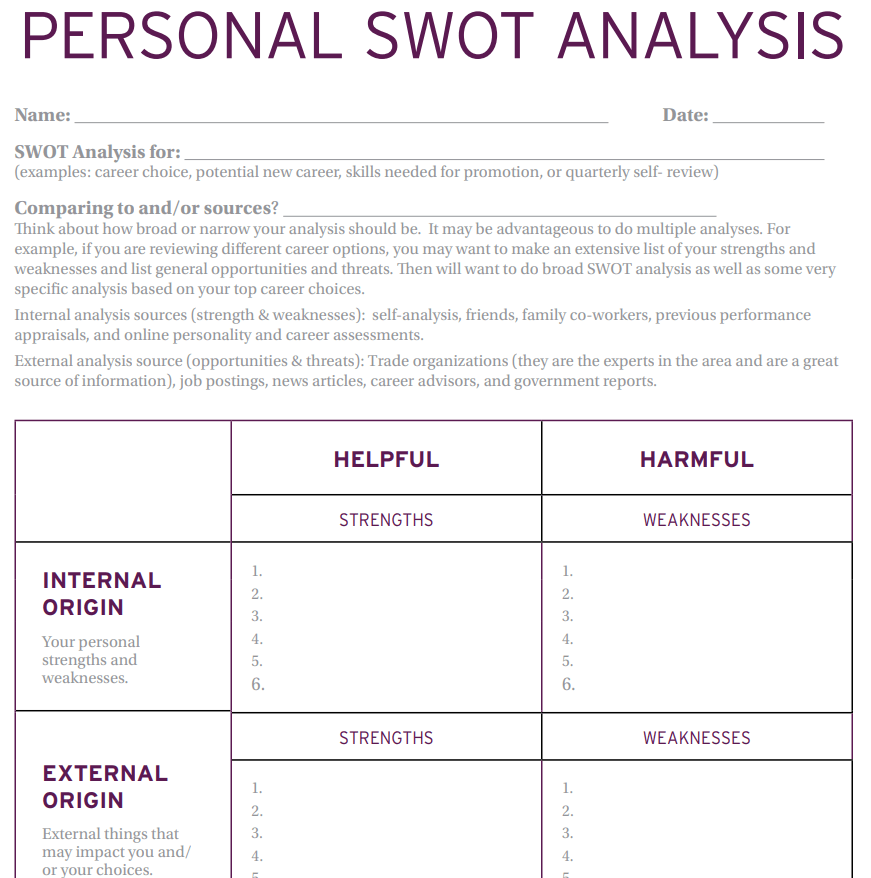
File Size: 34 KB
What is a SWOT Analysis?
A SWOT analysis is a decision-making process or a technique that involves taking into account the internal and external factors of a situation. SWOT is the acronym for Strengths, Weaknesses, Opportunities, and Threats. Its true origin is unknown however it’s been around since the 1960s.
It is a great tool that helps you make critical decisions on the basis of strengths, weaknesses, opportunities, and threats of a particular situation.
Everyone has to make important decisions from time to time in their professional or personal capacity. So, whenever you try to make a decision, whether it is a personal one or some business-related decision, you can do so using SWOT analysis.
It helps you reach a decision in a properly documented and professional way. The first two factors i.e., strengths and weaknesses are internal factors whereas the other two factors, opportunities and threats are external factors.
Handy SWOT Analysis Templates in Excel Format
Free Editable SWOT Analysis Template
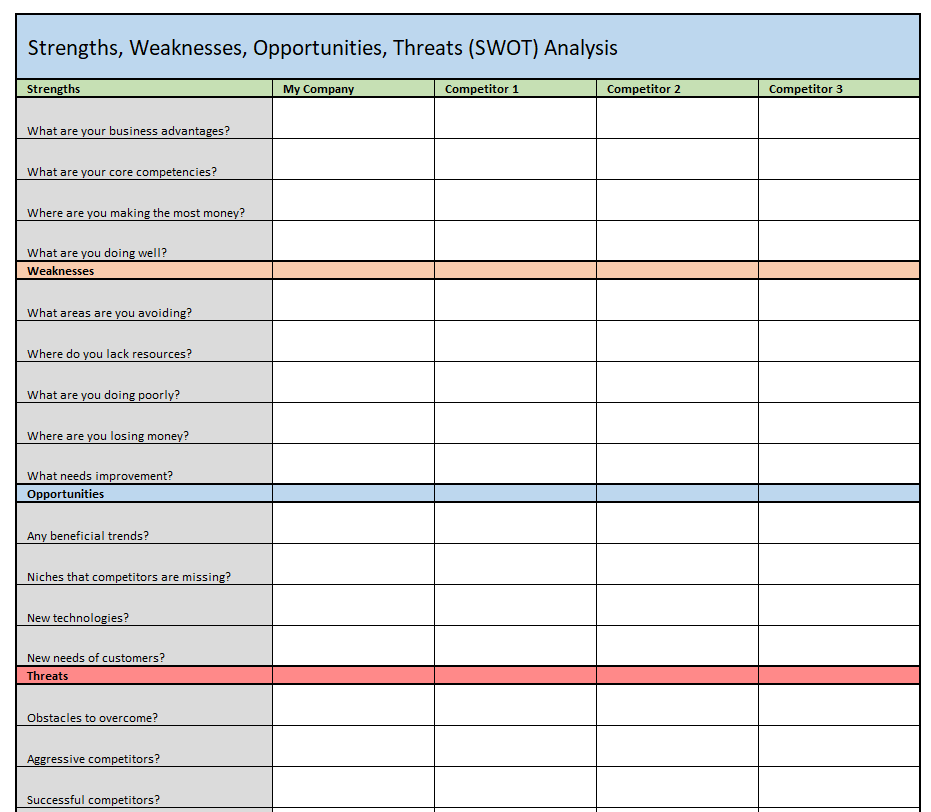
File Size: 120 KB
Example SWOT Analysis Template Excel
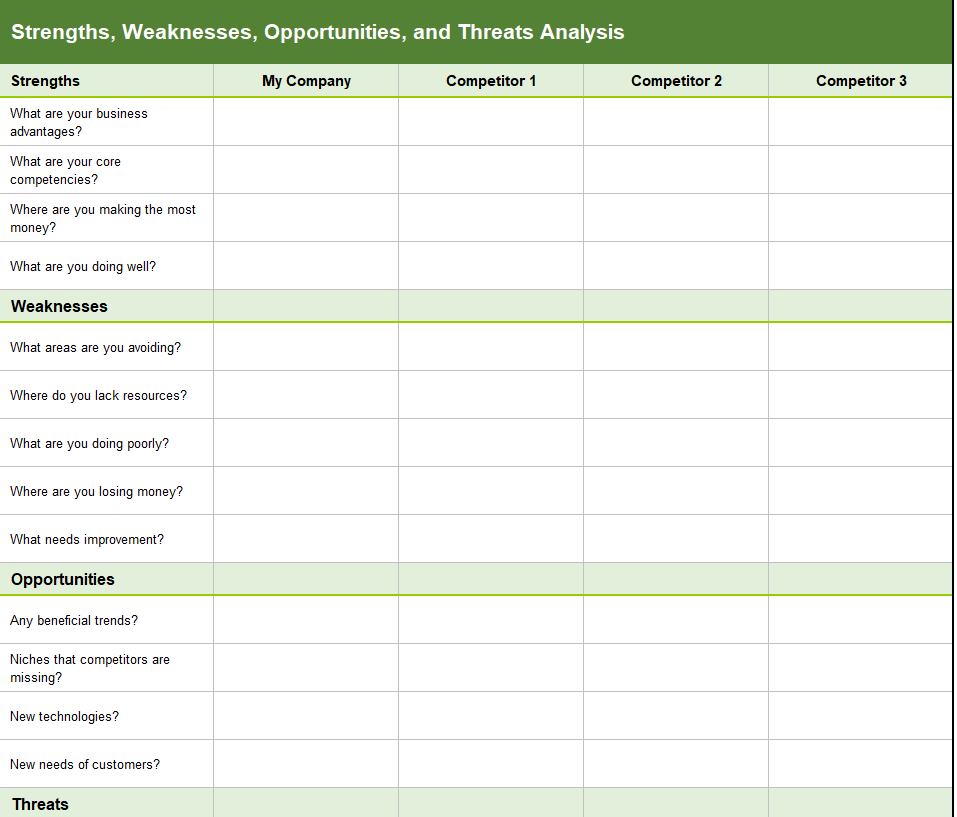
File Size: 09 KB
Internal vs External SWOT Analysis Template
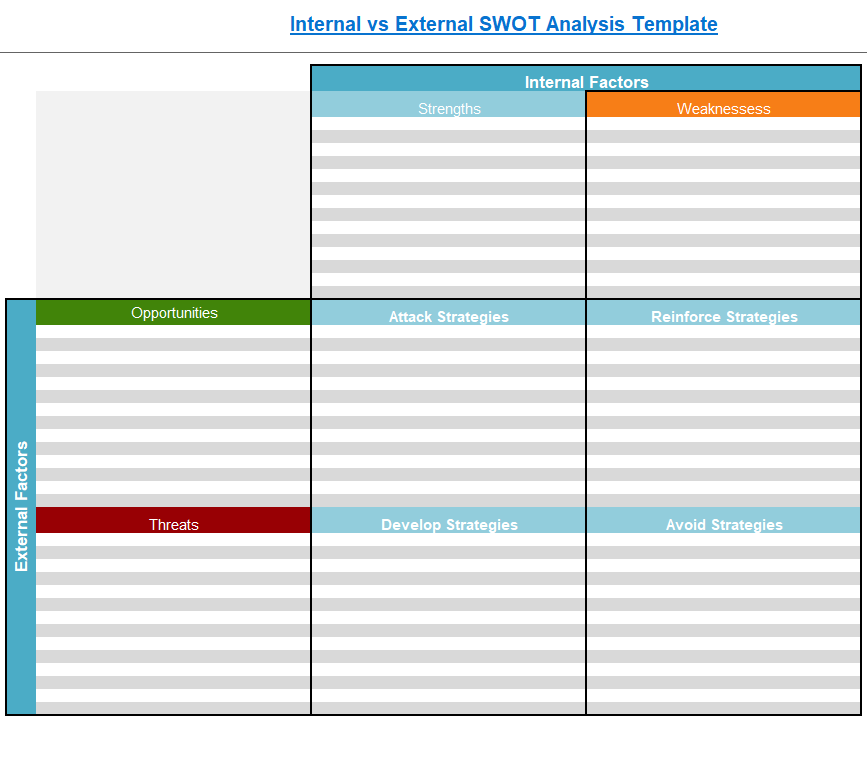
File Size: 11 KB
Free Download SWOT Analysis Excel Template
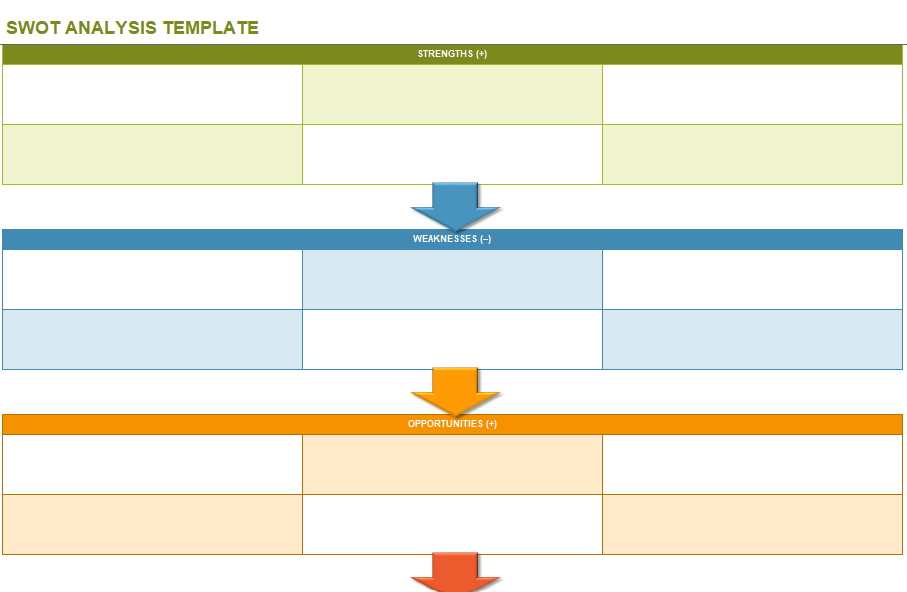
File Size: 323 KB
Basic SWOT Analysis Matrix Template
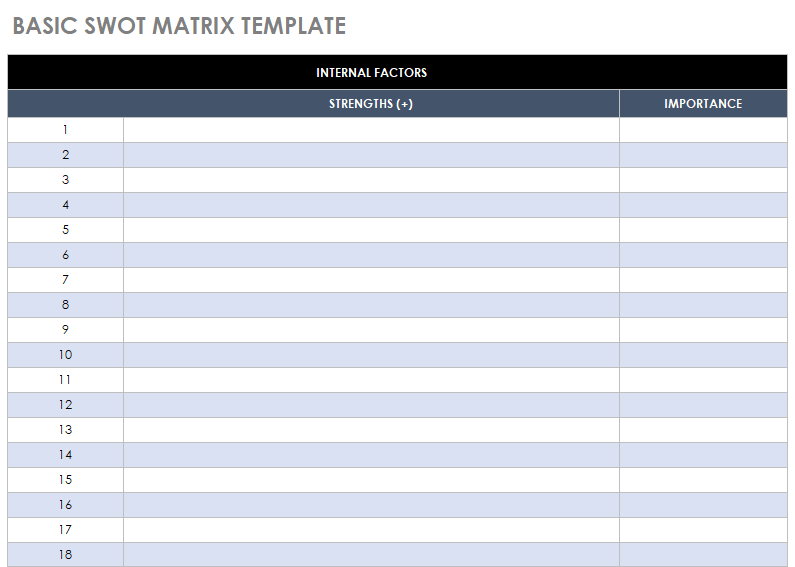
File Size: 325 KB
Summarized SWOT Analysis Format
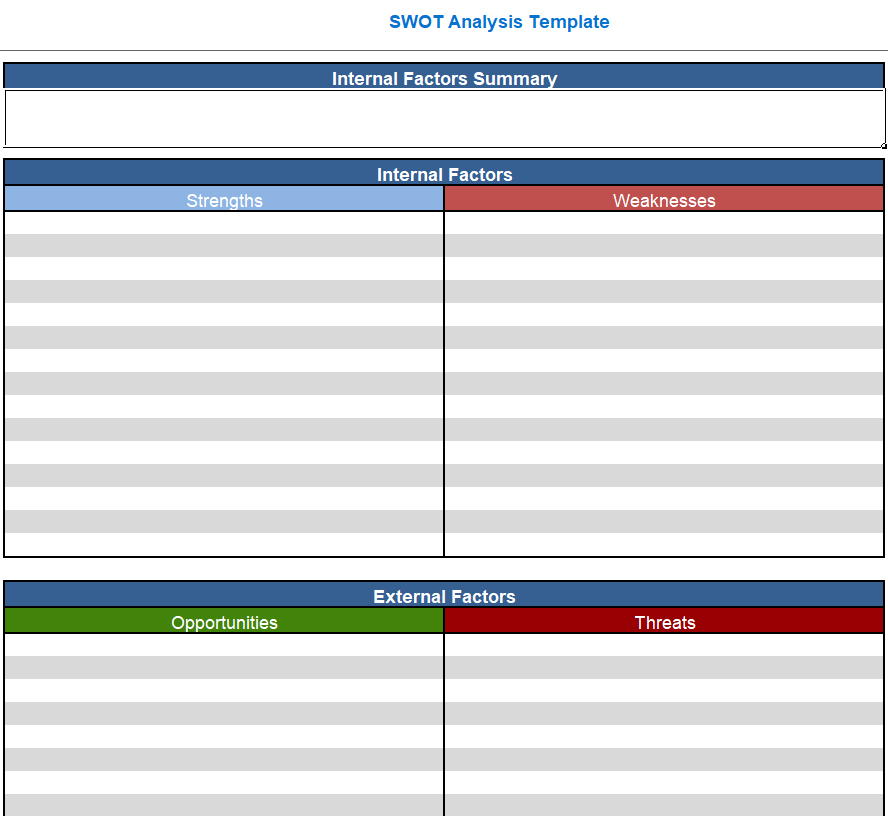
File Size: 10 KB
Accessible SWOT Analysis Template in XLSX Format
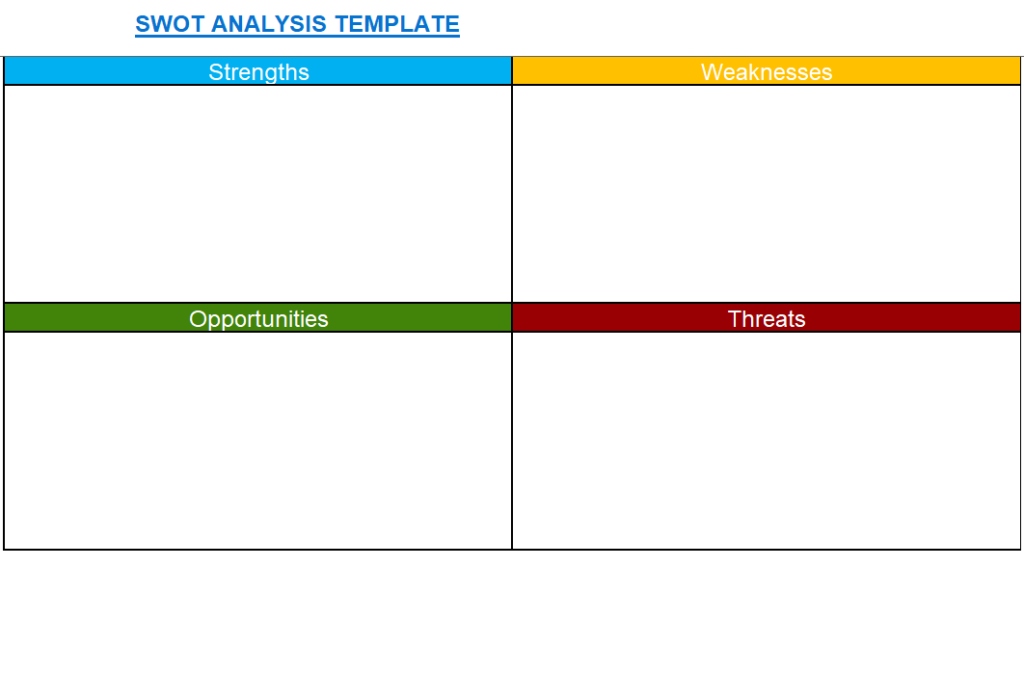
File Size: 09 KB
Free SWOT Analysis Strategy Template
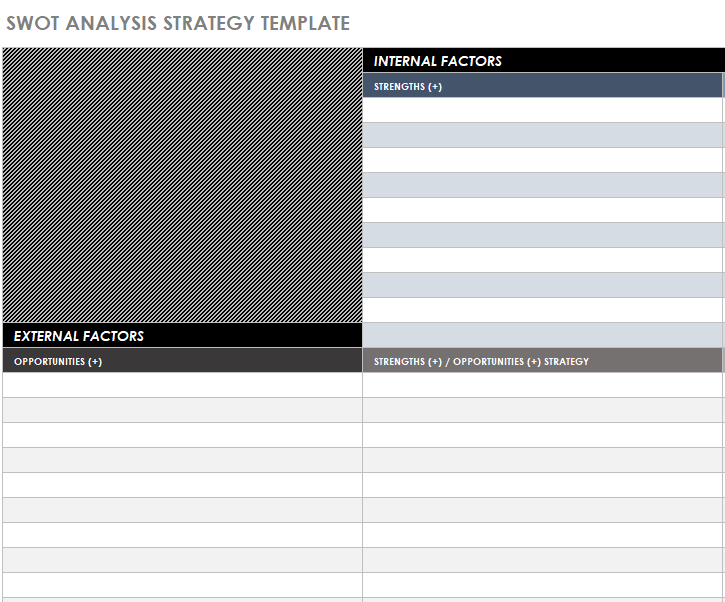
File Size: 324 KB
Useful SWOT Analysis Example
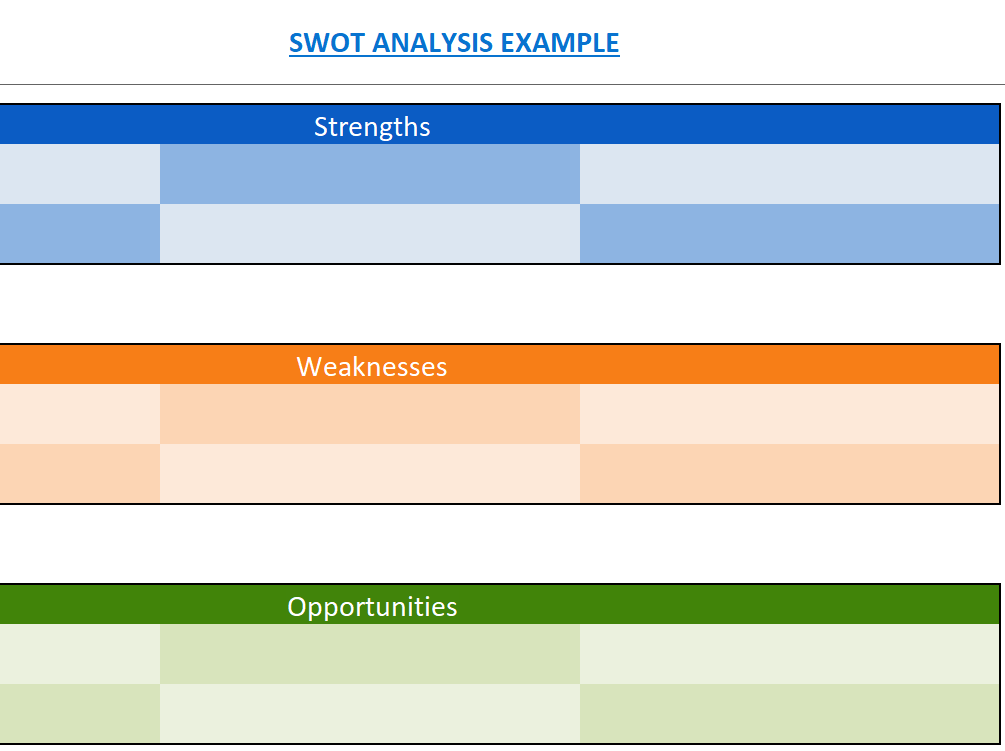
File Size: 45 KB
SWOT Competitor Analysis Template
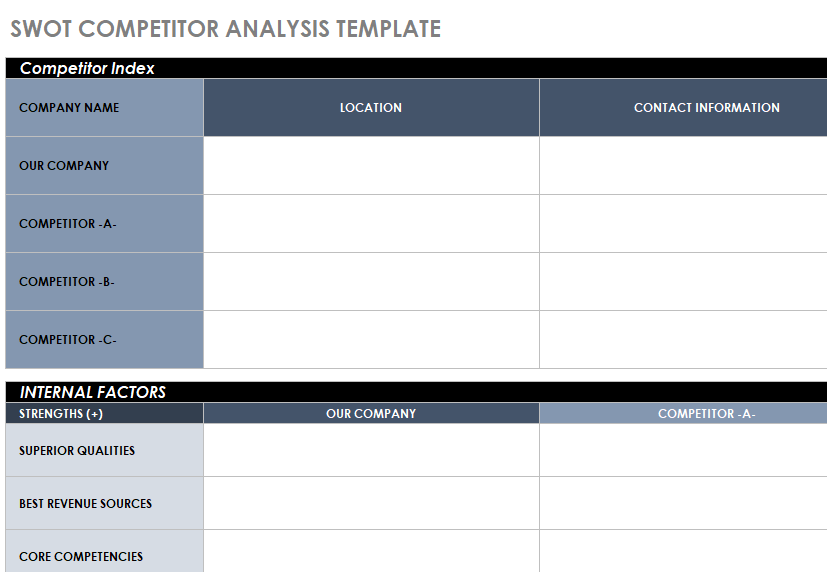
File Size: 325 KB
Examples of SWOT Analysis
Whether you are about to make life-changing decisions or some decisions that might have a great impact on your business, SWOT analysis can be of great help in this regard.
It is a great way to analyze all the possibilities before you finally make a decision. Following are some basic scenarios or situations in which you can make use of SWOT analysis:
Example 1: Suppose your business wants to make a major acquisition (want to acquire a new business), you will have to consider all important factors related to this decision. This is a major decision that will have a great impact on your business.
So, you list all the strengths, weaknesses, opportunities, and threats related to this acquisition. This way SWOT analysis will help you land a better decision.
Example 2: For instance, if you want to take admission for training or a program, you can evaluate your decision by performing the SWOT analysis. For this, you can list out your strengths and weaknesses if you opt for taking admission to the program.
After that, you should also enlist the opportunities that you will have as a result of completing the training and the threats that you might have to face. This way, the SWOT analysis will help you take a better and more effective decision.
Example 3: Another situation where you might have to perform the SWOT analysis is when you want to relocate your business. Before taking this decision, it is better to evaluate your strengths and weaknesses and the opportunities and threats that you might have to come across as a result of this decision.
Official SWOT Analysis Templates PPT
Customizable SWOT Analysis Template
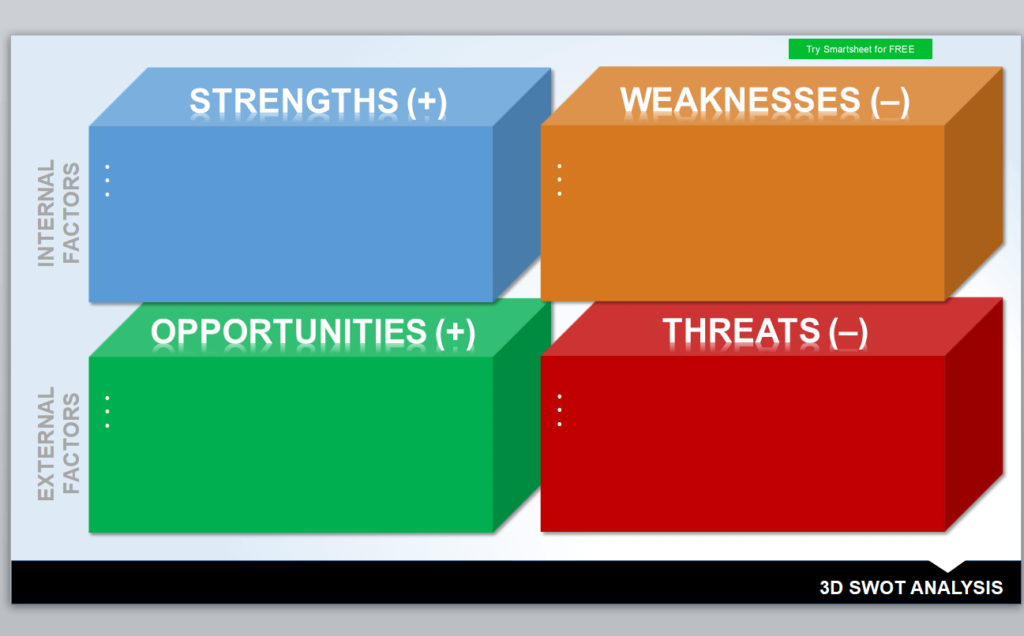
File Size: 44 KB
Organization’s SWOT Analysis Template
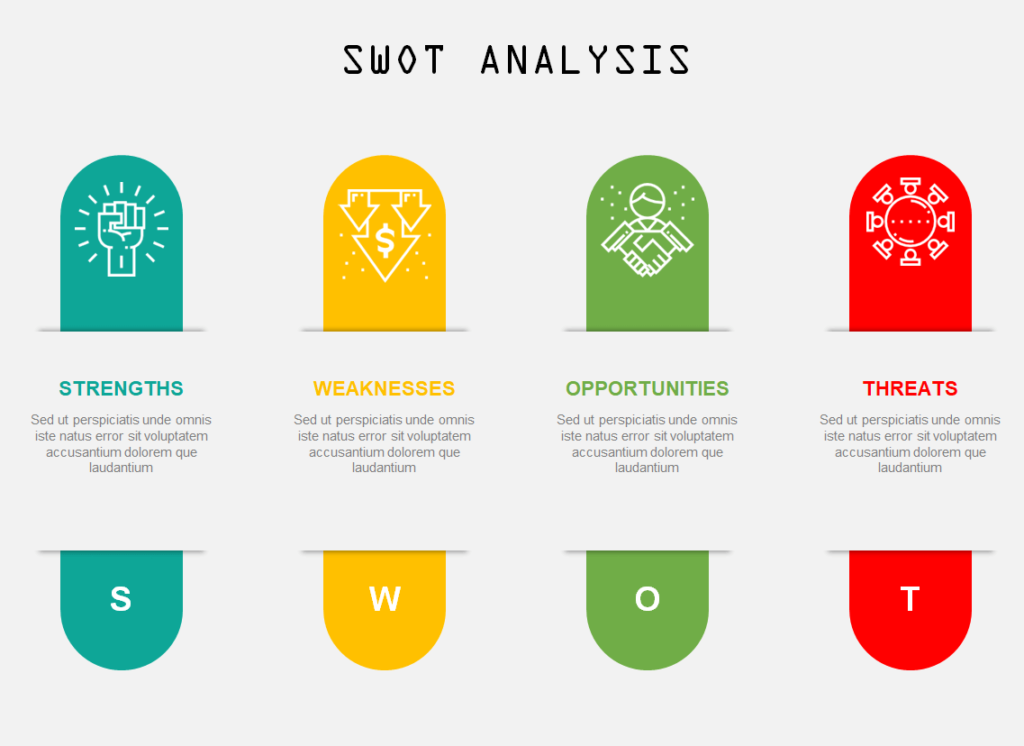
File Size: 46 KB
Example SWOT Analysis PowerPoint Template
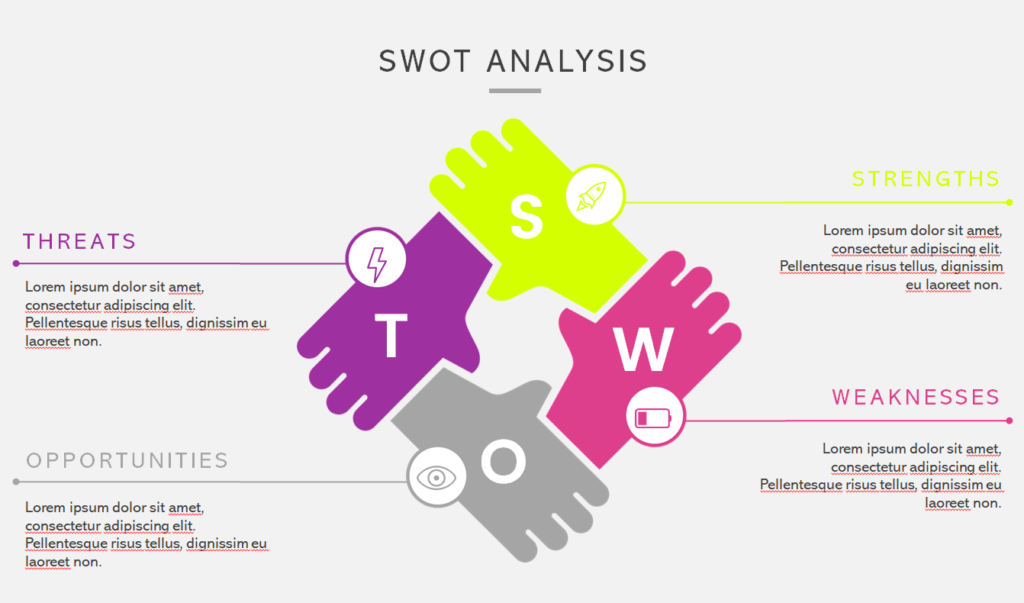
File Size: 01 MB
Simple SWOT Analysis Template
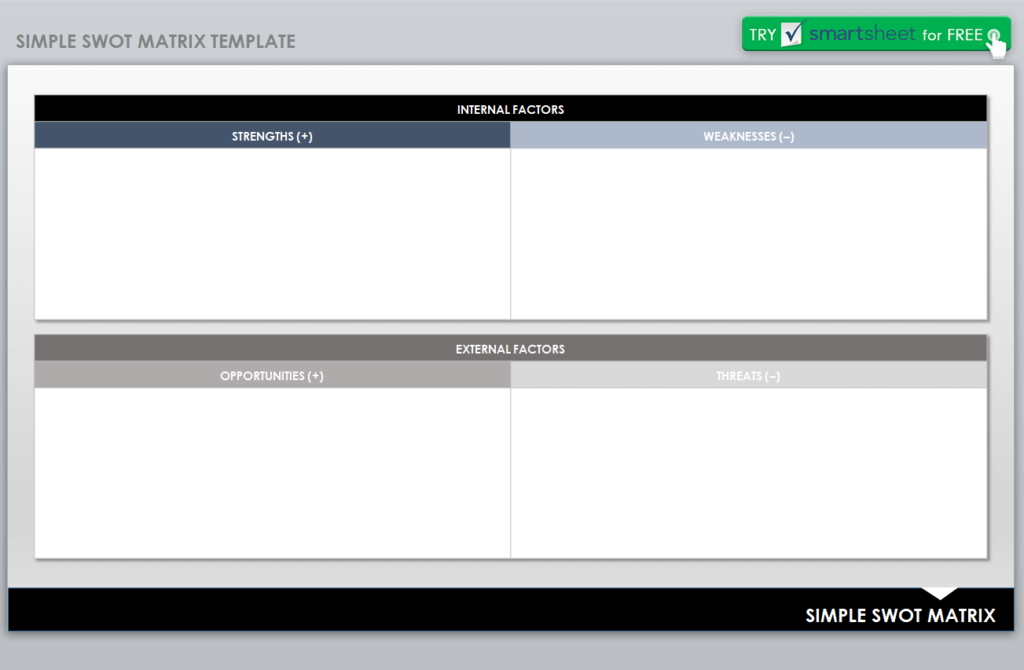
File Size: 63 KB
Executive SWOT Analysis Template
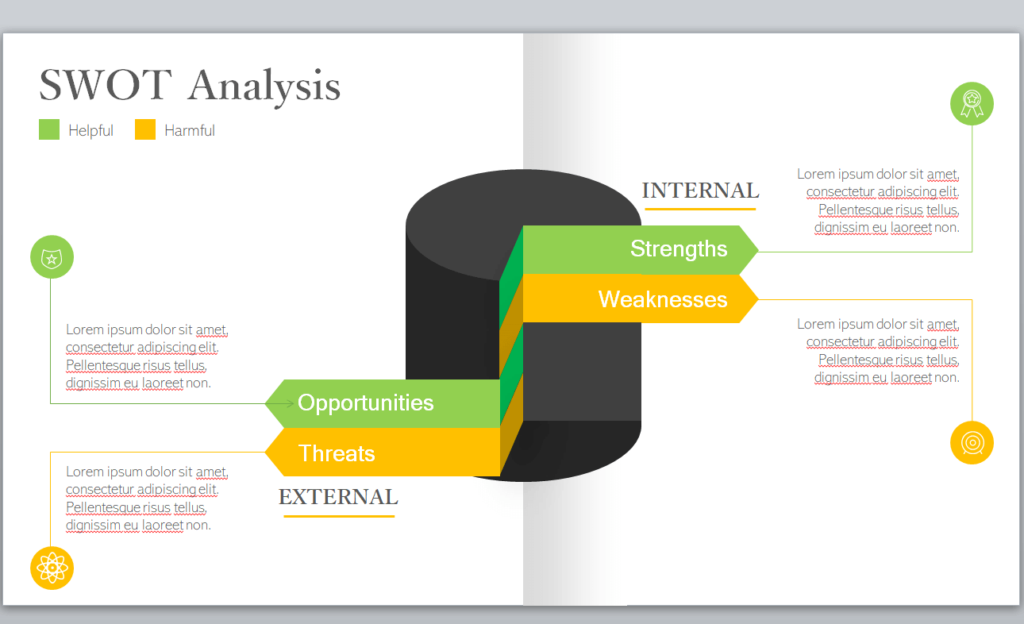
File Size: 02 MB
Government SWOT Analysis Template
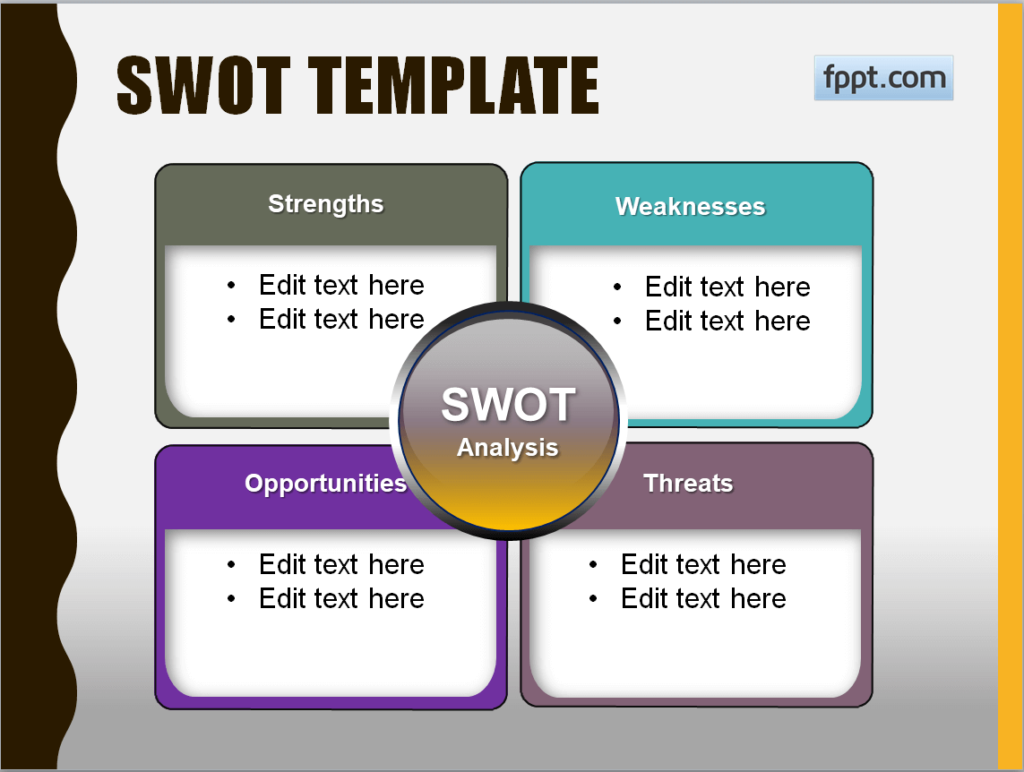
File Size: 61 KB
School’s SWOT Analysis Template
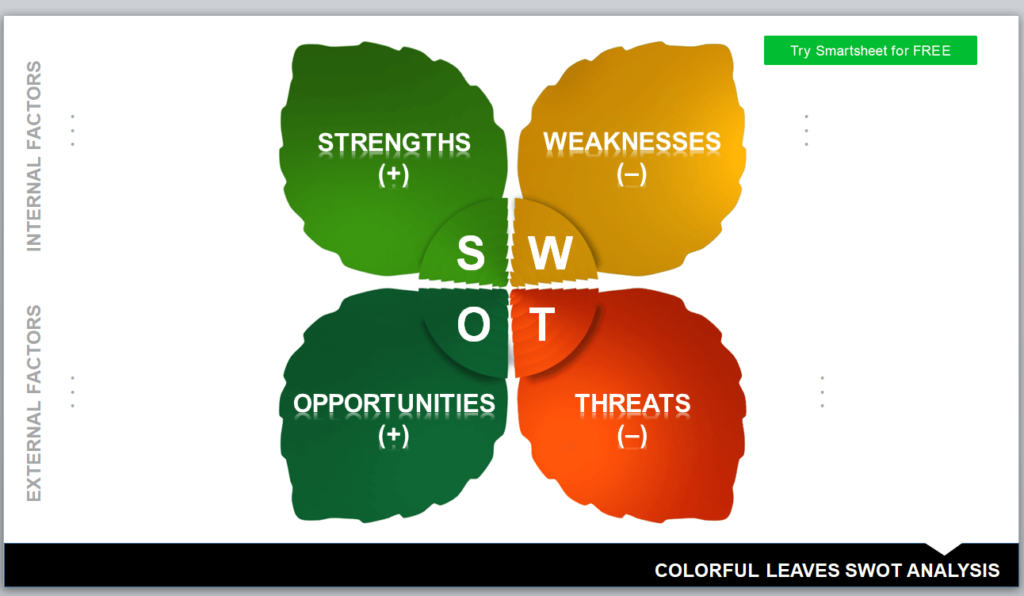
File Size: 491 KB
Security SWOT Analysis Template in PPTX Format
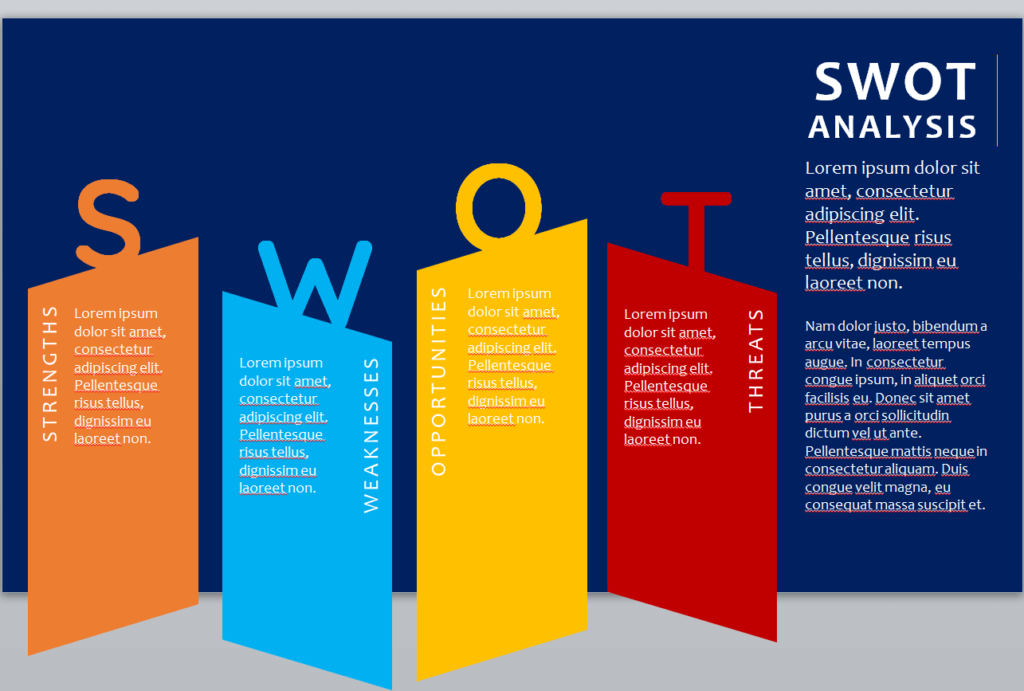
File Size: 01 MB
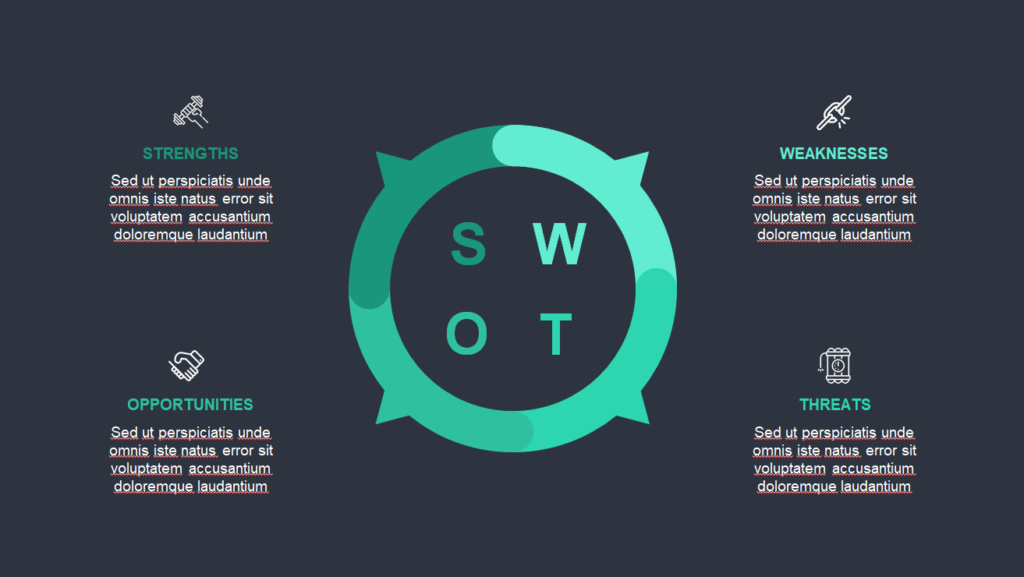
Special SWOT Analysis Template
File Size: 42 KB
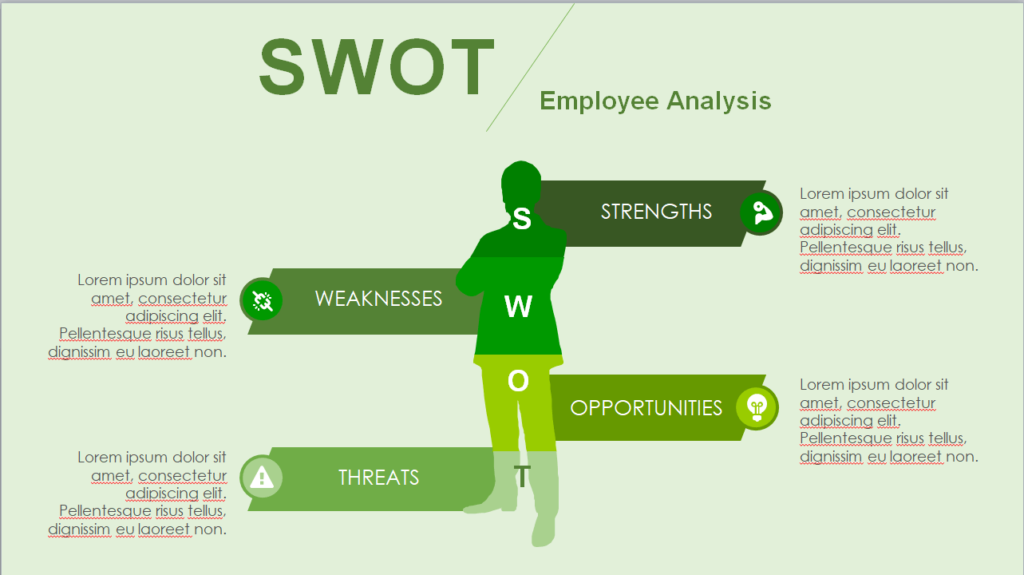
Employee SWOT Analysis Template
File Size: 41 KB
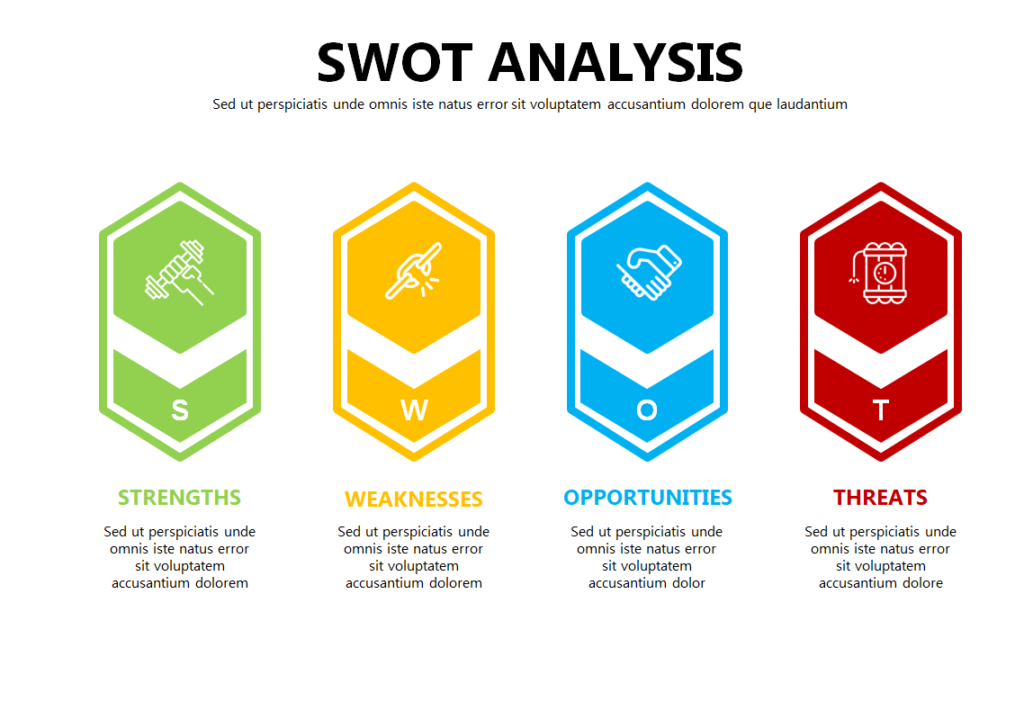
Standard SWOT Analysis Template PPT
File Size: 45 KB
Basic Elements of a SWOT Analysis
SWOT analysis is also sometimes referred to as “Internal-External Analysis”. It is a useful technique that is often used in critical decision-making. You can always use the free SWOT analysis templates and samples available on the web or accessible right here on this page.
However, you can also perform a SWOT analysis from scratch. If you opt for the latter option, you should know about the basic elements of SWOT analysis.
Strengths:
Strength is an internal factor that you can control. Whether you are performing the SWOT analysis in a personal or professional capacity, the strengths indicate your own power points.
These are the factors that make you stronger than your competitors and give you an edge over the others. You can evaluate your strengths with the help of the following questions:
- What are your skills or abilities?
- What advanced technology do you have?
- What resources do you have?
- Why do your customers or clients like your products or services?
- What expertise or specialized knowledge do you have?
- What is your geographical location?
Weaknesses:
After listing your strengths, you should make a list of your weaknesses. Remember, weakness is also an internal factor that you can control. With your effort and resources, you can turn your weakness into your strength and vice versa.
Identifying and analyzing your weaknesses will help you come up with plans to overcome these weak points.
- What deficiencies does your business have?
- What are the disadvantages of the geographical location?
- Is your target audience not turning into your potential customers?
- Why your customers or clients are not liking your products or services?
Opportunities:
Opportunities are an external factor that is not under your control. However, steps can be taken or strategies should be devised to increase the opportunities. For example, if you have a reasonable budget for research and development, it can increase your opportunities.
Research and development will lead you to discover different opportunities that you can avail of with the help of different business strategies. The following questions might help you evaluate the opportunities:
- What resources you can secure quickly and easily?
- Is your product/service good enough to solve the problems of the people?
- What are the quick improvements or modifications that you can make to your product/service to quickly increase the number of clients or customers?
- What are the current trends that you can take advantage of?
- What advanced technology or expertise will be required to make your product or service even more better and user-friendly?
- How shifting your available resources from one area of the business to another area can have a great impact on your business?
- How a change in legislation or a new law can benefit your business?
Threats:
The threats are another external factor that is beyond your control. Basically, the threats are the risk factors or events that can put your business or anything personal at a disadvantage. These are the things that have an adverse effect on your business.
Threats can not be completely avoided however they can only be minimized to a great extent with the help of proper planning and strategies. Identifying the threats is something that is of great importance.
You must be able to identify the threats to you or your business because only then, you will be able to devise strategies to minimize those threats. The given below questions will help you identify such threats:
- How a change in law will have a negative impact on your business?
- Will the competitor’s product or service outsell ours?
- Is the technology that you are using still now obsolete or redundant?
- Are your sales continuously going down and you are continuously at the breakeven point?
- Are your employees not satisfied enough?
- What are the factors that are making it unable for you to achieve your targets or objectives?
- Is there a new competitor in the market who is selling or offering the same product or service at a lower price?
- How a major event or incident will have an adverse impact on your business?
SWOT Analysis Templates WORD
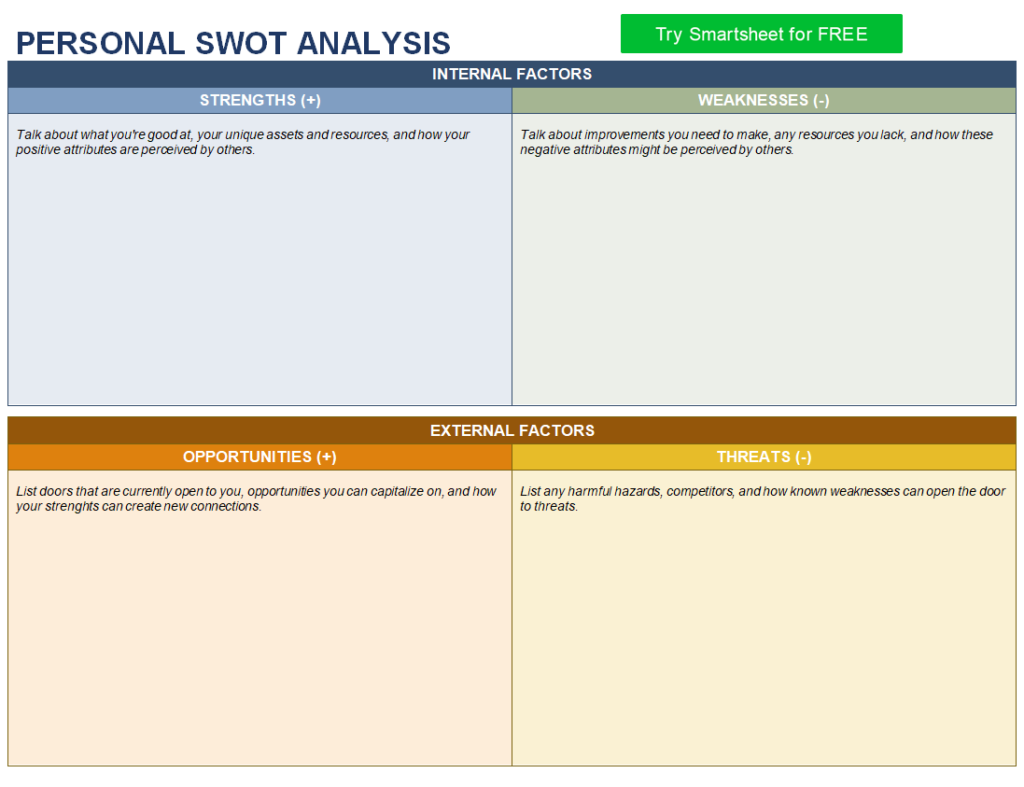
Personal SWOT Analysis Template
File Size: 17 KB
Fillable SWOT Analysis Template
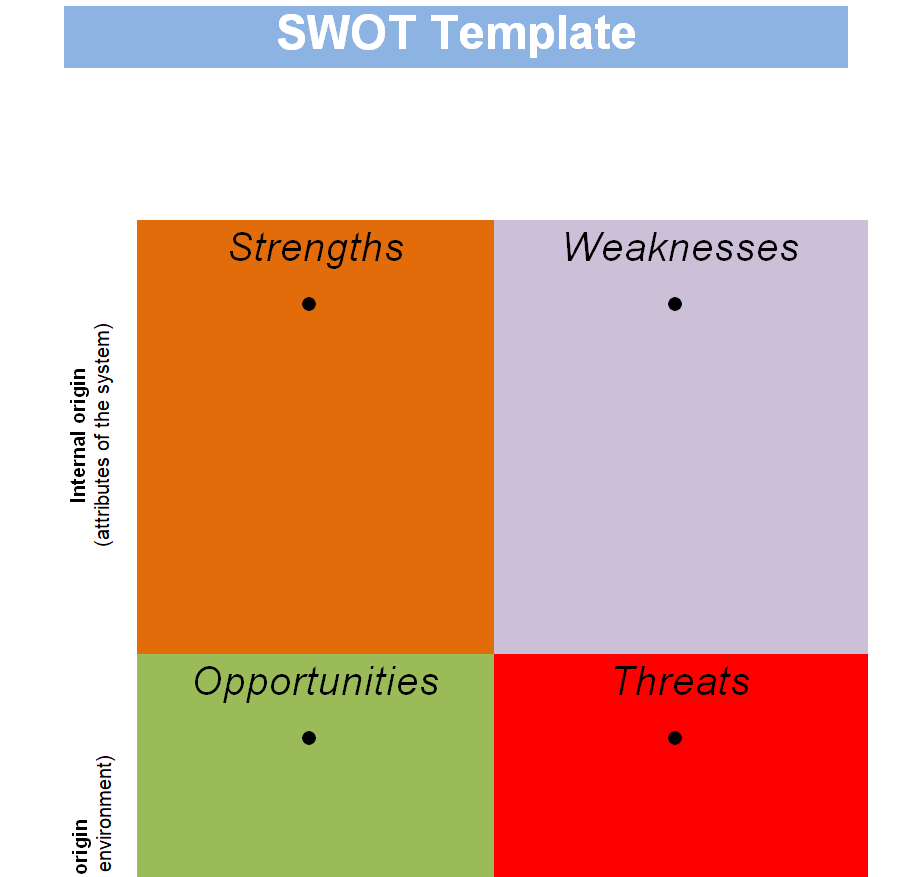
File Size: 15 KB
Practical SWOT Analysis Template in MS WORD
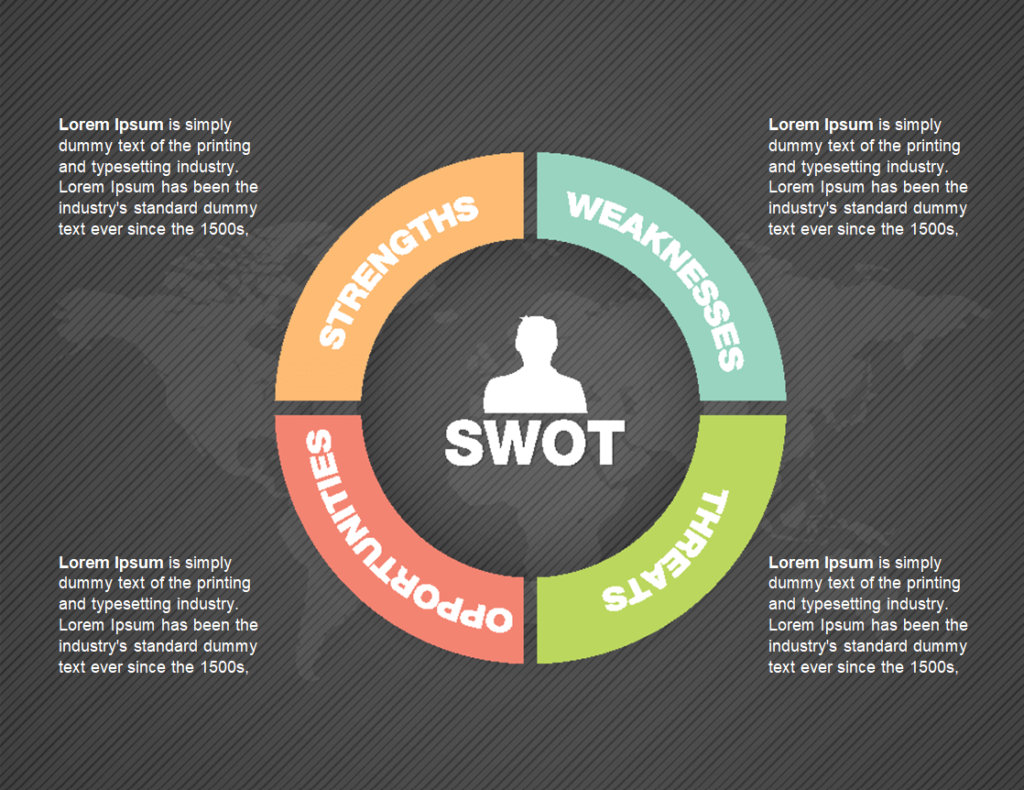
File Size: 133 KB
Basic SWOT Analysis Template
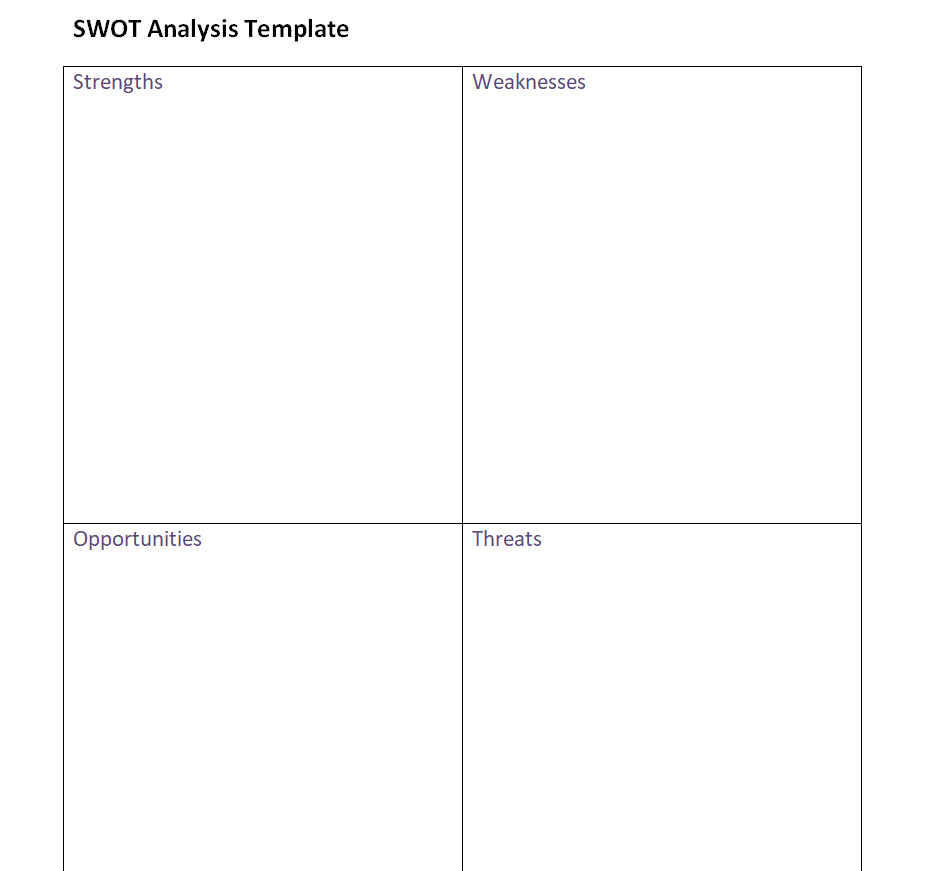
File Size: 09 KB
Simple SWOT Analysis Template DOC
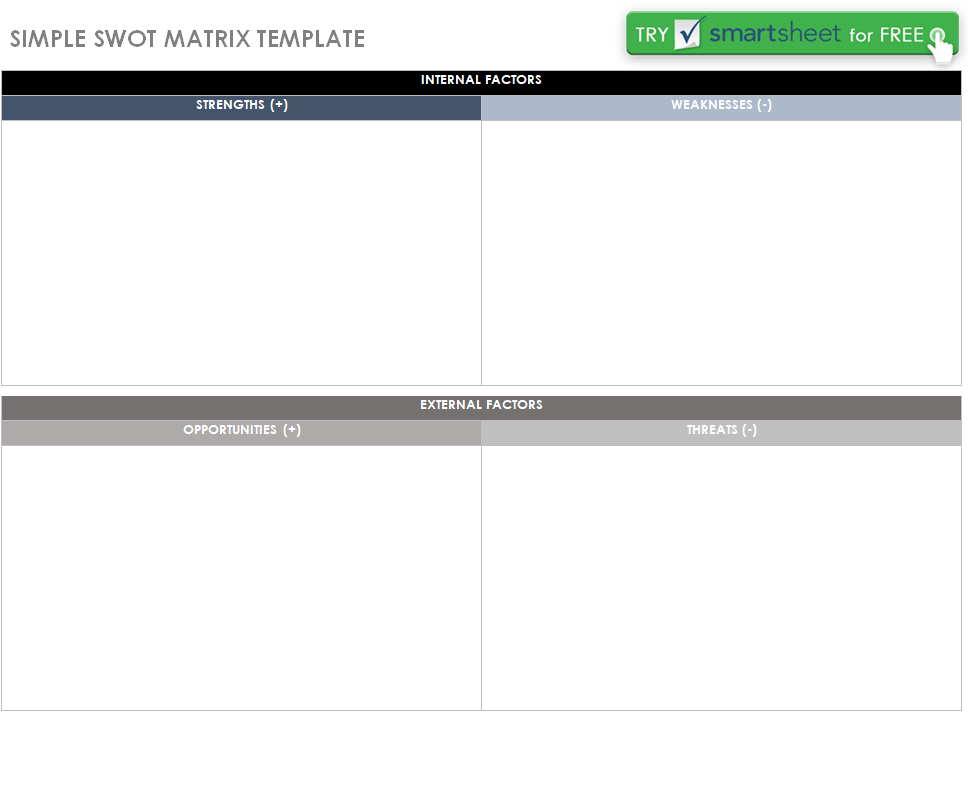
File Size: 36 KB
Downloadable SWOT Analysis Sample
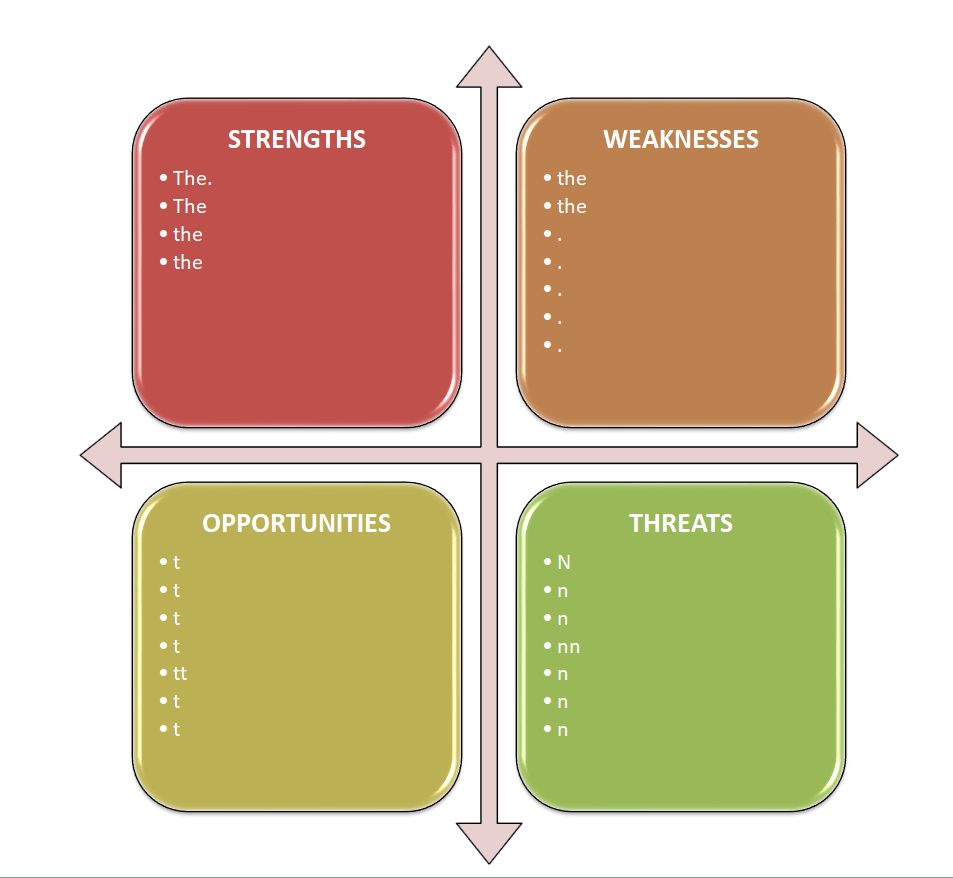
File Size: 23 KB
Detailed SWOT Analysis Template
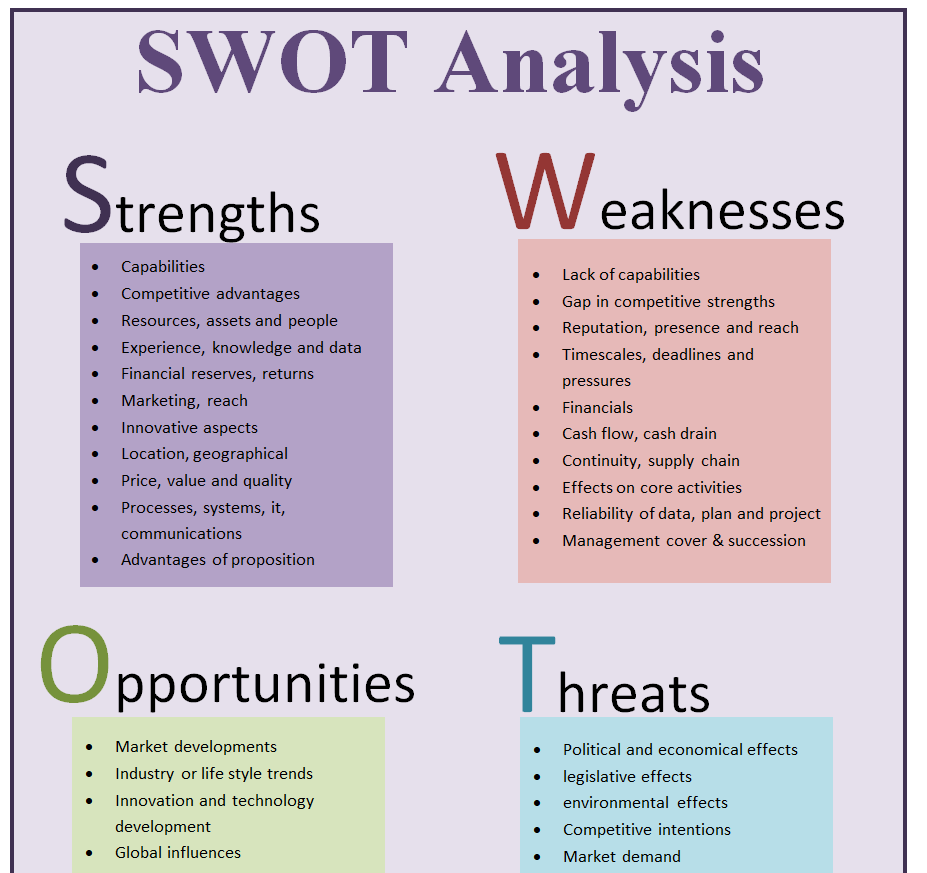
File Size: 35 KB
Business SWOT Analysis Word Template
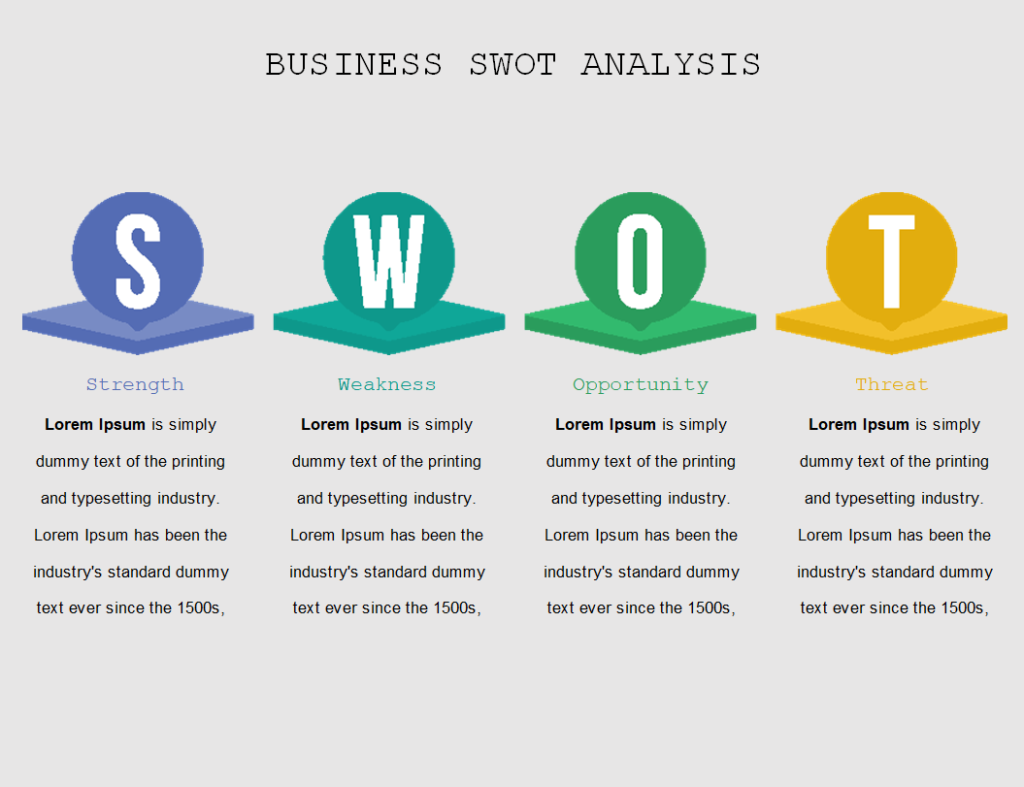
File Size: 24 KB
Professional SWOT Analysis Template
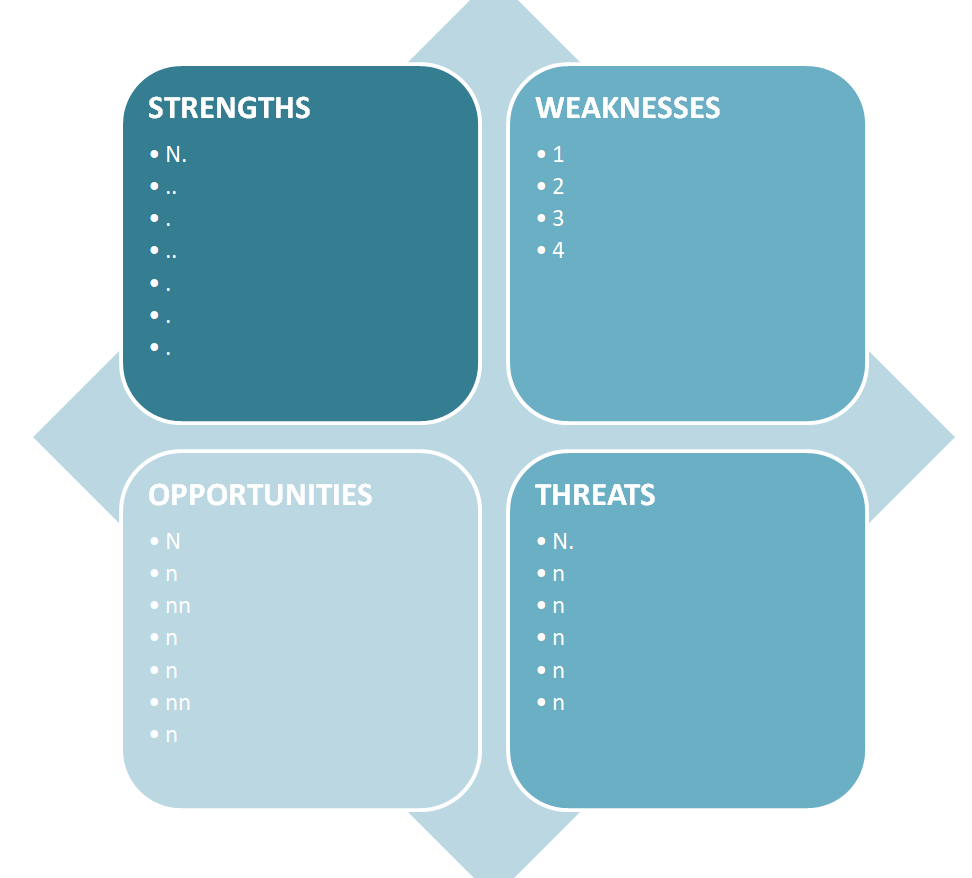
File Size: 23 KB
Example of SWOT Analysis in DOC Format
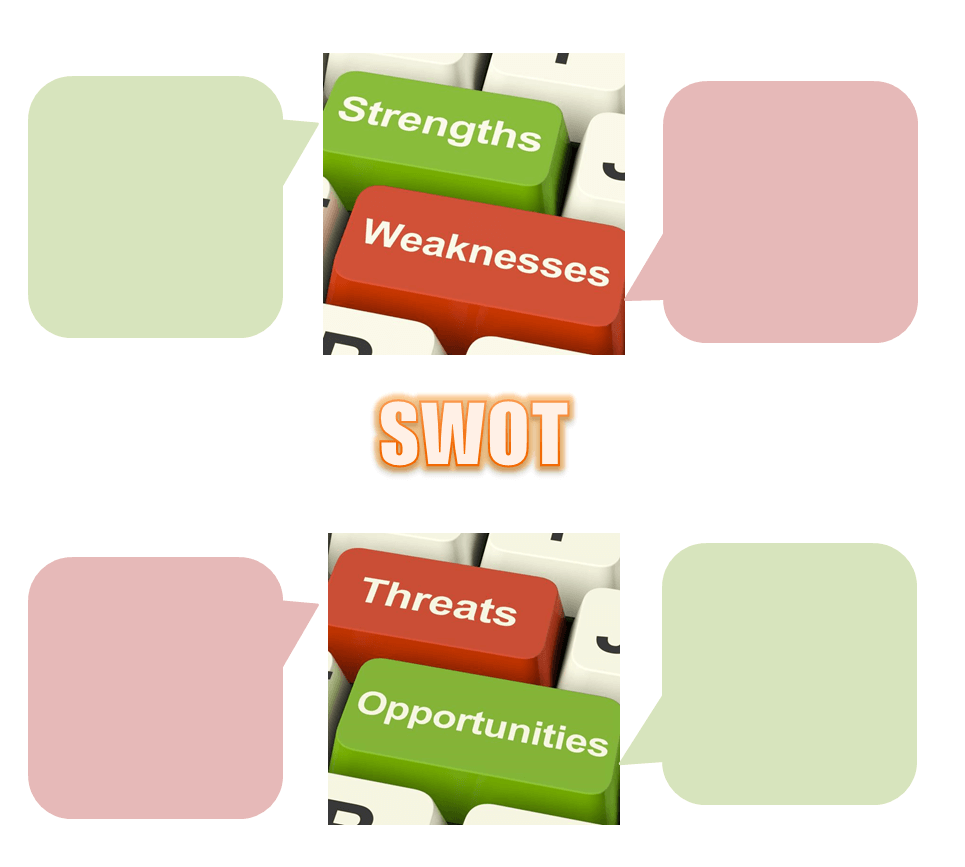
File Size: 82 KB
Company’s SWOT Analysis Template
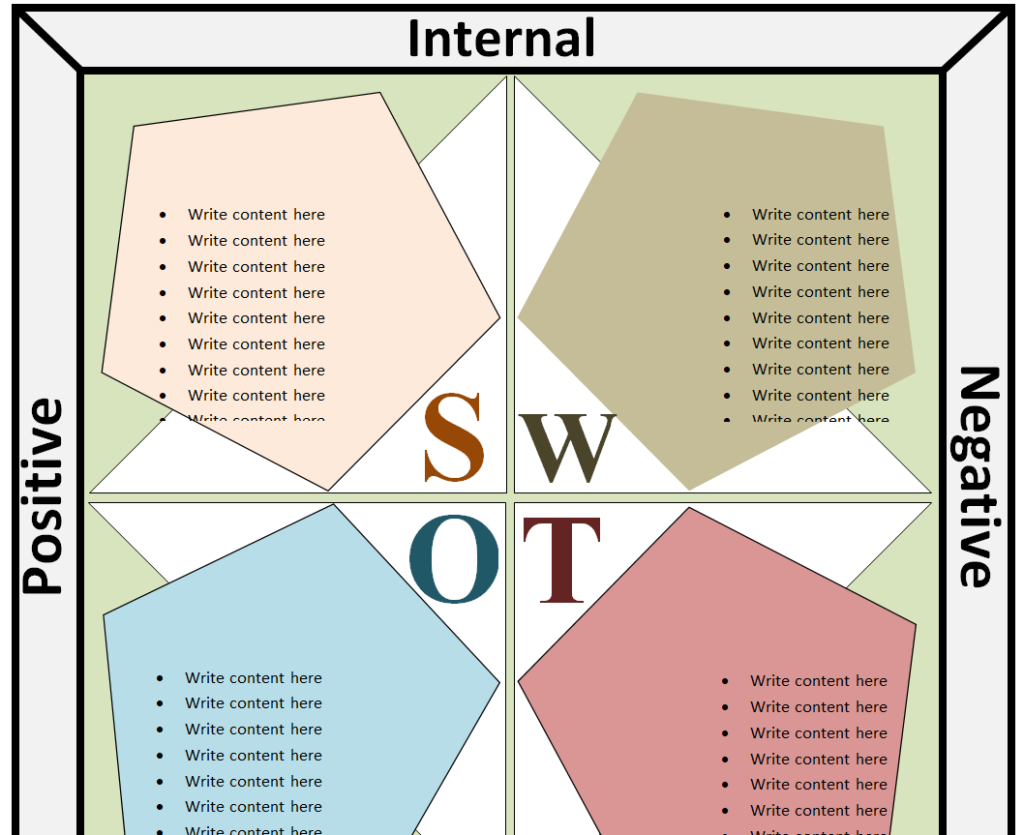
File Size: 44 KB
Medical Patient SWOT Analysis Template

File Size: 43 KB
Organizational SWOT Analysis Template
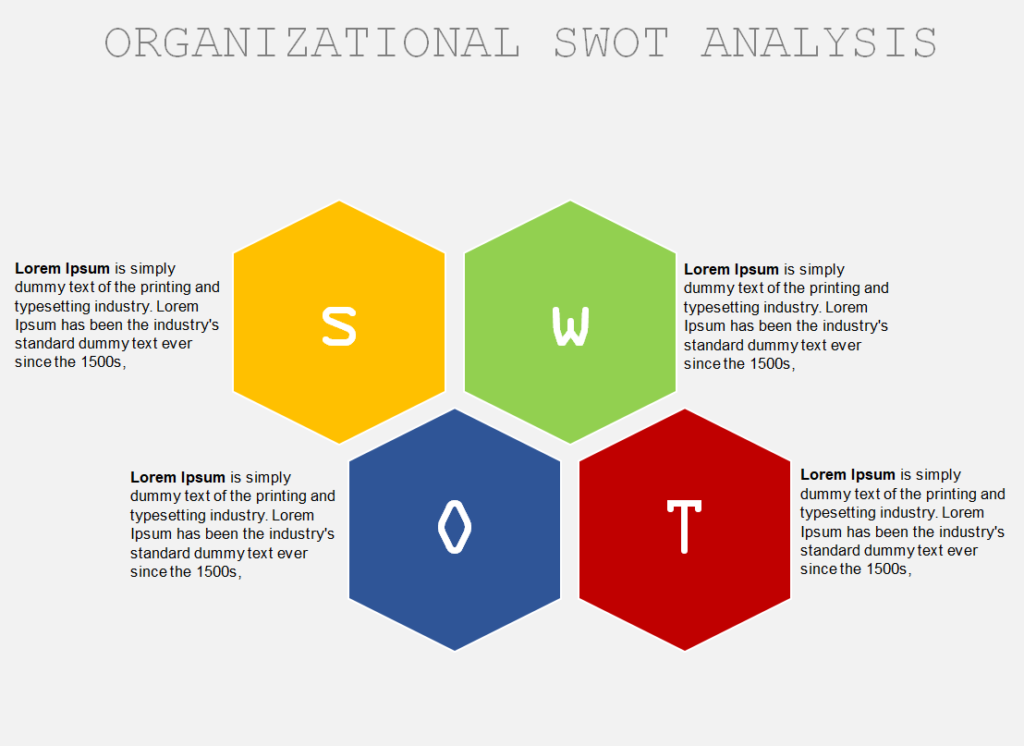
File Size: 30 KB
Free SWOT Analysis Template with Summary
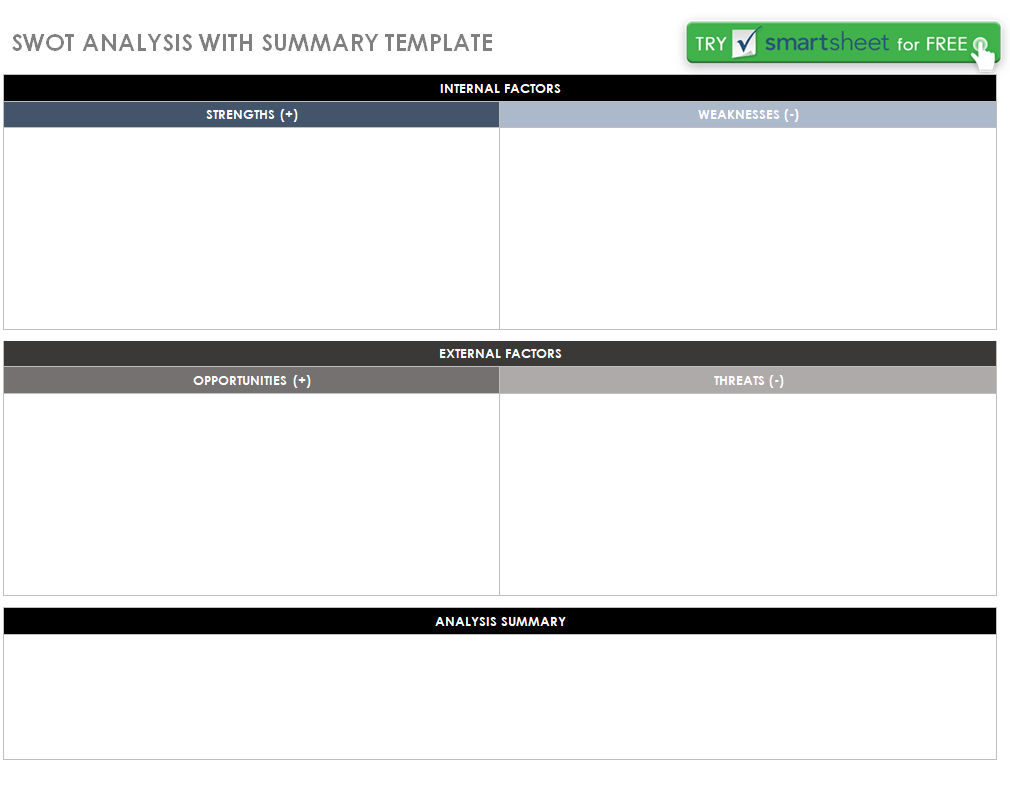
File Size: 36 KB
Brand’s SWOT Analysis Template
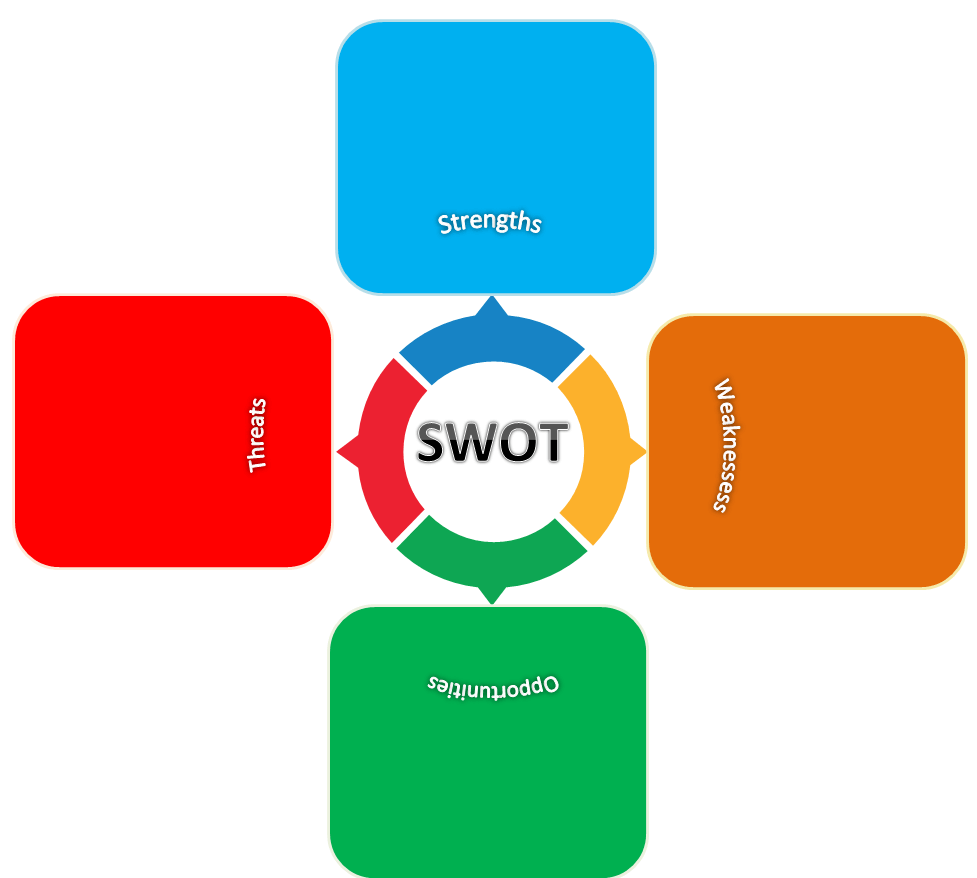
File Size: 33 KB
In-Depth SWOT Analysis Template Word
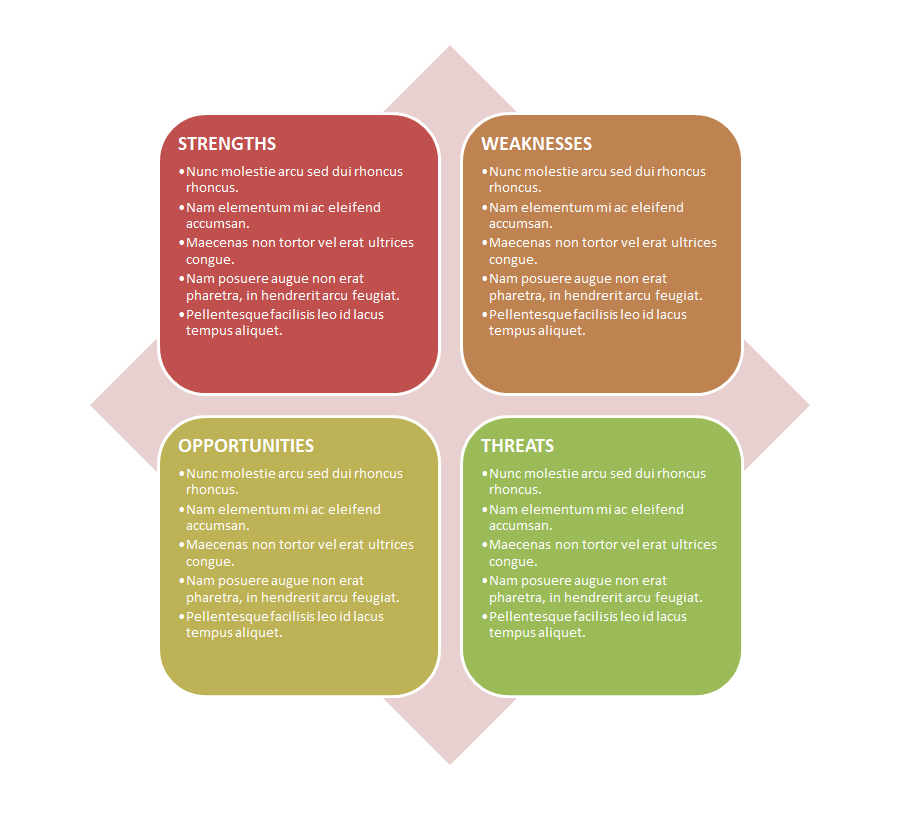
File Size: 54 KB
Government Agency’s SWOT Analysis Template

File Size: 30 KB
Library Program’s SWOT Analysis Template
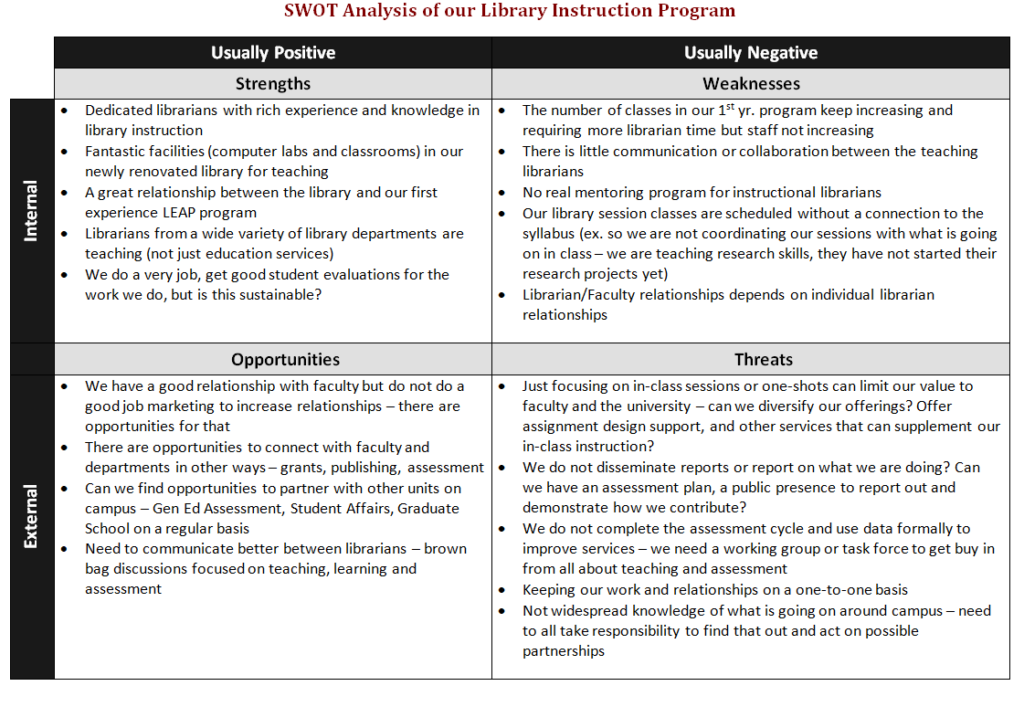
File Size: 11 KB
Business Planning SWOT Analysis Template
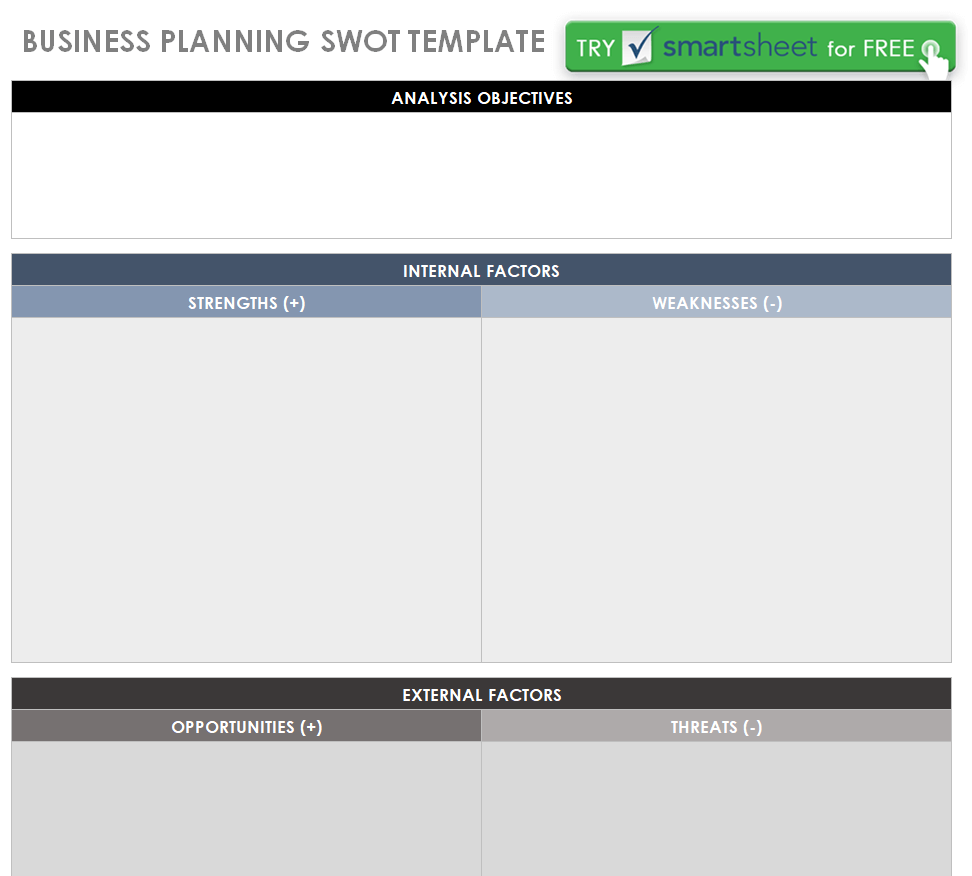
File Size: 36 KB
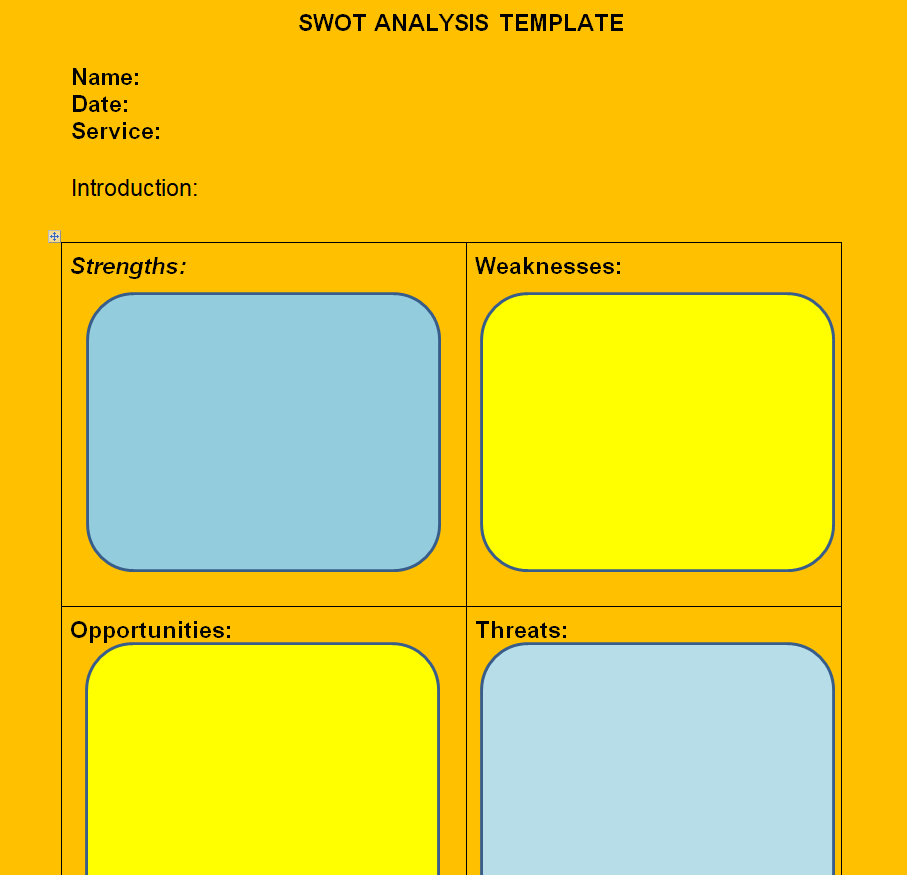
Student’s SWOT Analysis Template DOC
File Size: 18 KB
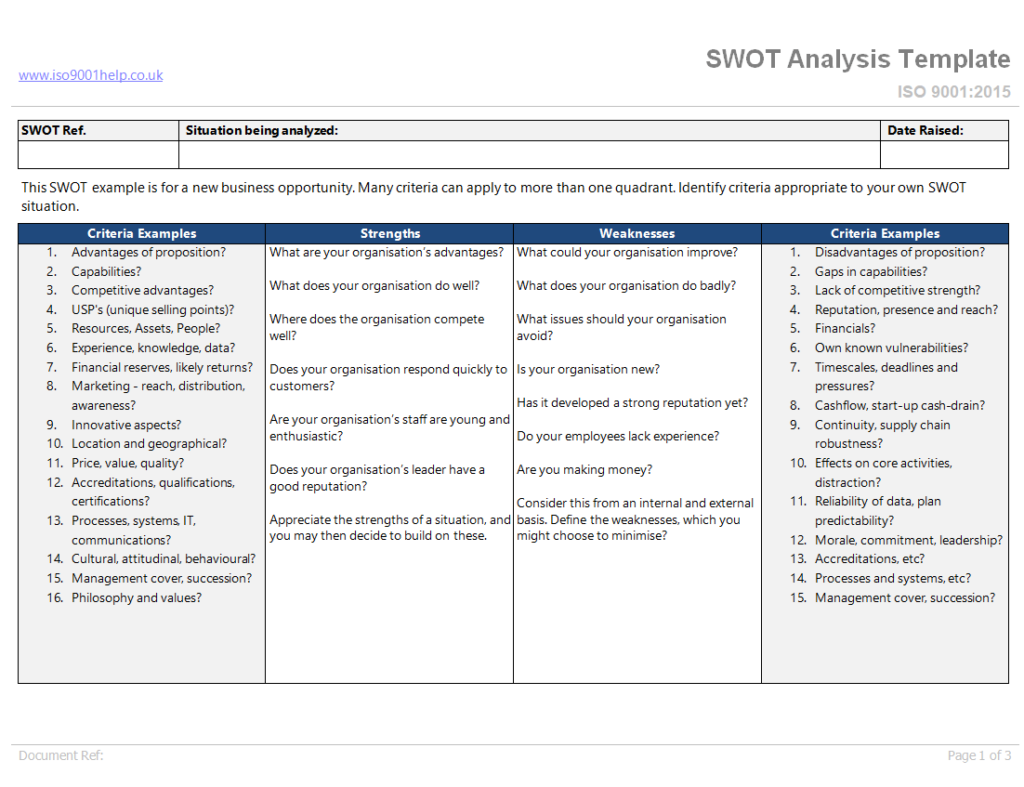
SWOT Analysis Template for Acquisition
File Size: 26 KB
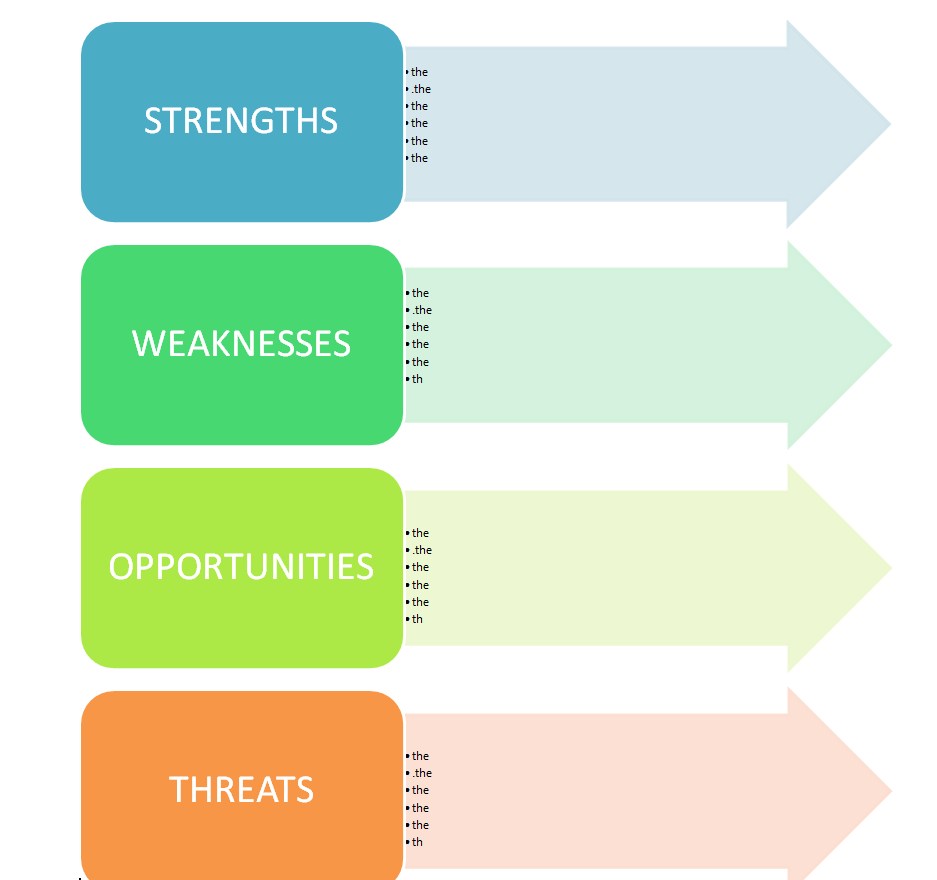
Stylish SWOT Analysis Template
File Size: 25 KB
Give the discussion a useful stopping point
A SWOT meeting can continue indefinitely if the aim is to fill every quadrant equally. Instead, agree what the group must leave with: a shared scope, a small set of significant factors, the evidence still required and the next decision point.
A nearly empty quadrant is not necessarily a problem if the group has examined it carefully. Equally, a crowded quadrant does not prove that its factors are more important. Keep the discussion focused on relevance and effect.
Save the completed analysis with its date and participants so that a future reader can distinguish the situation being discussed from conditions that emerged later.
Related templates
Use defined reporting periods and measures for supporting business evidence. sales report formats.
Keep actual customer pricing clear when a pricing choice is being considered. price list templates.
Carry unresolved questions and agreed next actions into a handover. handover report templates.
Frequently asked questions
What do the four SWOT categories represent?
They organize internal strengths and weaknesses alongside external opportunities and threats relevant to a defined subject. Explain the actual factor rather than relying on the category name to make the point.
Should all four boxes contain the same number of points?
No. The number of entries does not establish quality. Include significant, relevant factors and do not invent points simply to balance the layout.
Can SWOT predict whether a project will succeed?
No. It organizes thinking and assumptions; it does not guarantee an outcome or replace evidence, planning and appropriate review.
How do we handle disagreement?
Clarify the claim, record the uncertainty and identify evidence that could help. A useful unresolved question is better than a vague statement that hides a real difference.
What happens after the analysis?
Identify the decisions, investigations or actions that follow. Give the important next steps owners and review points instead of leaving the matrix as a presentation slide.
You can also browse more options in the Other Templates category.
